
You can make bold, painterly wall art without a studio or expensive gear. The easiest approach is to use inexpensive paper for practice, sturdier stock or purpose-made art paper for finished work, and simple paint-management tools that let you test colors without wasting supplies. Choosing each material for the job it actually does helps simple brushstrokes look more intentional and polished.
Quick Answer
Use inexpensive construction paper for brushstroke practice, 65 lb cardstock for printed or layered craft elements, and a stay-wet palette when you want acrylic mixes to remain workable between sessions. For a heavily painted final piece, choose heavier acrylic or mixed-media paper because it handles moisture and repeated layers better than construction paper.
Key Takeaways
- Prang construction paper is most useful for inexpensive practice, mockups, cutting, folding, and collage rather than heavy wet acrylic techniques.
- Clear Path 65 lb cardstock gives printed pieces, tags, cards, and layered artwork more body than ordinary copy paper, but printer media limits still matter.
- The Masterson Sta-Wet Handy Palette is the strongest fit when your priority is keeping water-based paint mixes workable and reducing remixed or discarded paint.
- For a final acrylic-painted wall piece, a heavier purpose-made acrylic or mixed-media sheet is a safer choice when you expect multiple wet layers.
Affiliate disclosure: This roundup is reader-supported. When you click through qualifying product links, we may earn a referral commission at no additional cost to you.
Top Picks
|
Category |
Product |
Editorial Fit Score |
|---|---|---|
|
💰 Best Budget Practice Pack |
78/100 |
|
|
🎯 Best For Printing & Layering |
88/100 |
|
|
🚀 Best For Paint Preservation |
92/100 |
Note: These three products are not direct substitutes. Prang is primarily a low-cost practice and collage surface, Clear Path is a printable craft cardstock, and the Sta-Wet is a paint-management tool. The scores reflect suitability for those specific jobs rather than a lab-tested universal ranking.
How We Picked These Supplies
You want supplies that are easy to use, reliable, and suited to making brushstroke statement pieces without unnecessary expense. We prioritized beginner usability, fit for the intended task, compatibility with common craft and acrylic workflows, durability, storage, and value.
The editorial scores use a practical 100-point framework: up to 30 points for fit for the intended job, 25 for ease of use, 20 for material or workflow performance, 15 for value, and 10 for storage or portability. They are editorial fit scores, not marketplace star ratings or laboratory measurements.
We also separated practice surfaces from final wet-media surfaces. Acrylic paint can be used on paper, but heavier paper generally stays flatter and handles repeated wet layers better. Liquitex recommends heavier paper for many acrylic applications and sells purpose-made 300 gsm acrylic paper for painting.
Marketplace ratings and review counts can change at any time. Where the original source included a star rating or review total, it is labeled below as a source snapshot rather than a guaranteed current figure.
How to Make Simple Brushstroke Wall Art
At a Glance
| Time Required | About 30–90 minutes of active work, plus paint-drying time |
| Difficulty | Beginner-friendly |
| Tools Needed | Paper or art paper, acrylic paint, synthetic brushes, palette, water cup, backing board, and optional cutter or adhesive |
| Cost | Low to moderate; practice paper costs less than canvas, while specialty paper and framing raise the total |
1. Plan the Size and Color Palette
Choose the frame or finished dimensions first. Limit yourself to two to four main colors so the piece looks intentional rather than random. Make small color swatches before committing to the final arrangement.
2. Test Brushstrokes on Practice Paper
Use inexpensive sheets such as Prang construction paper to test pressure, brush width, spacing, and overlapping colors. Keep these tests relatively dry; the goal is to learn the movement and composition before using a stronger final surface.
3. Prepare the Final Surface
If the final piece will receive multiple wet acrylic layers, use heavier acrylic or mixed-media paper rather than lightweight construction paper. Tape heavier paper flat to a rigid backing board while you work if curling is a concern. If you are creating a collage instead, paint separate pieces, let them dry, then mount them to cardstock or another rigid backing.
4. Mix and Apply the Paint
Mix enough of each recurring color to complete the design. A stay-wet palette is useful when you are building several layers or working across more than one session because it reduces the need to remix the same shade repeatedly.
5. Dry, Mount, and Frame
Let acrylic layers dry before mounting or stacking them. Mount lightweight pieces to a rigid backing if they need extra support. If using a spray coating or fixative, first confirm that the product is compatible with the paint and paper and follow the manufacturer’s application and ventilation instructions.
Warning: Craft knives and paper cutters can cause serious cuts, so use them on a stable cutting surface and keep them away from children. Spray fixatives may contain solvents; follow the product label and use suitable outdoor or exhaust ventilation rather than spraying in an enclosed living space.
Pro Tip: Make your color tests on the same type of surface you plan to use for the final piece whenever possible. Absorbency and texture can change how an acrylic color spreads, dries, and appears.
Prang Paper
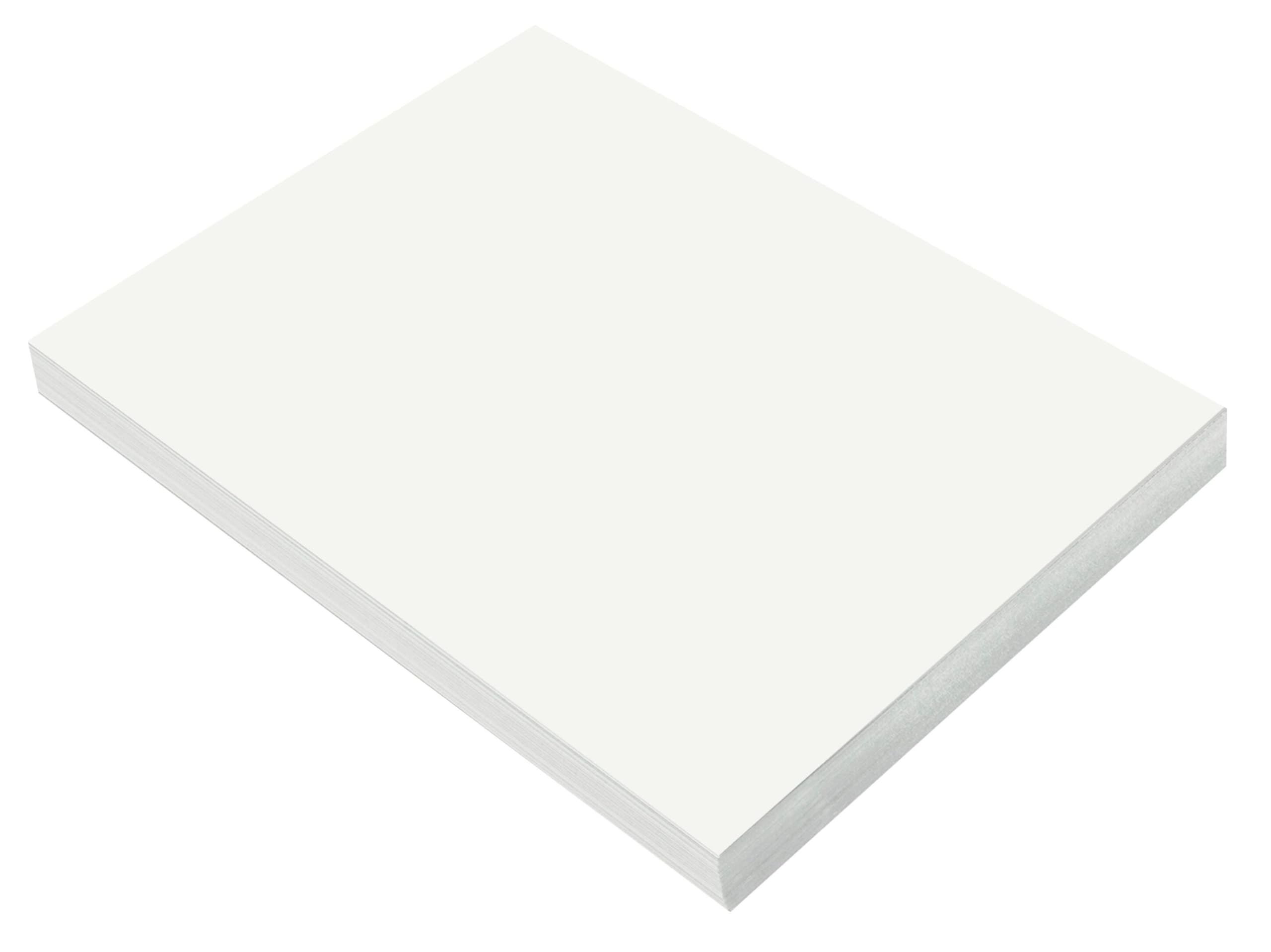
You can use this stack of construction paper for quick mockups, layered collage backgrounds, practice brushstrokes, and kid-friendly project pieces. The 9 × 12-inch sheets are a handy size for testing color mixes and composition before you scale up to a heavier final surface. The consistent paper surface also works well for markers, crayons, cutting, and folding.
For classroom sessions, craft nights, or informal wall-art experiments, this paper is a practical low-cost choice. It sits below true cardstock or purpose-made acrylic paper in stiffness and wet-media durability, so treat it mainly as practice, collage, and light-media stock instead of a surface for heavy washes or impasto.
What People Say
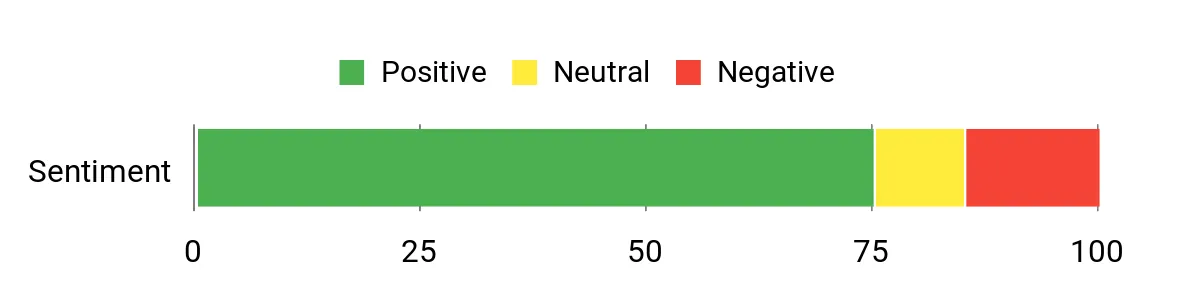
The review summary supplied with the original article emphasizes consistent white color, a useful smooth-to-lightly-textured craft surface, and good value for group projects. It also describes the paper as easy for children to draw on, cut, and fold.
The recurring drawback in that source summary is thickness: construction paper can tear or distort when it is handled roughly or loaded with too much wet medium.
Overall Sentiment in the supplied source dataset: Positive
|
Pros |
Cons |
|---|---|
|
✅ Consistent color and craft-friendly texture |
❌ Thinner than cardstock, so not ideal for heavy wet media |
|
✅ Good sheet count for practice and group use |
❌ Can tear or buckle if handled roughly or saturated with paint |
|
✅ Cuts and folds cleanly for collage work |
Long-Term Value
Because you can use these sheets for repeated practice runs, prototypes, classroom activities, and collage components, you avoid wasting more expensive art paper while learning a composition. That is where this pack delivers its strongest long-term value.
For artwork meant to be preserved for years, move the final painted version to a purpose-made archival or acrylic-compatible surface rather than assuming school-grade construction paper will perform like fine-art paper.
Return on Investment
If your goal is to experiment, learn brushwork, or prototype an affordable statement piece, the pack lets you iterate quickly before committing higher-cost paper or canvas. Its value comes from cheap repetitions and low-risk experimentation rather than from replacing a professional wet-media support.
Situational Benefits
|
Situation |
How It Helps |
|---|---|
|
Classroom Projects |
You can hand a sheet to each student and keep sizes consistent, which simplifies planning and group activities. |
|
Testing Color and Composition |
Use the sheets for quick color studies and layout trials before moving the successful idea to heavier art paper or canvas. |
|
Kid-Friendly Crafting |
The paper is convenient for collage, cutting shapes, folding, crayons, markers, and relatively dry paint techniques. |
Quick DIY Guide
Start by tearing or cutting a sheet and testing several loose brushstrokes so you can see how much paint the surface accepts. Keep the brush relatively dry for cleaner tests. For layered looks, paint strokes on separate sheets, let them dry, then trim and collage the pieces onto a heavier backing board.
If you want crisper edges or a more durable finished presentation, mount the paper to a rigid board before display. A compatible fixative may be used when the medium manufacturer recommends it, but it is not automatically necessary for acrylic paint.
Ease of Use
|
Feature |
Ease Level |
|---|---|
|
Cutting |
Easy |
|
Folding |
Easy |
|
Dry Media (pencil, marker, crayon) |
Easy |
|
Light Acrylic Applications |
Moderate |
|
Heavy Wet Acrylic Techniques |
Poor fit |
Versatility
This paper works for sketches, marker and crayon work, collage, mockups, cut shapes, and relatively light paint applications. It is less suited to heavy impasto, repeated soaking, or wet-on-wet techniques, but it remains useful for testing color combinations and building layered elements.
Safety
The sheets are intended for general classroom and craft use. Follow normal precautions around wet media, adhesives, scissors, craft knives, and spray products, and keep sharp tools out of reach of young children.
Practicality
The 9 × 12-inch format is convenient for quick studies and easy to mount or trim for common frame sizes. A 100-sheet pack also gives you enough material for repeated trials, classroom sessions, and group activities.
Key Benefits
- Consistent white construction paper for repeated brushstroke tests and craft projects
- Easy to cut and fold for collage and layered artwork
- Large sheet count suited to practice and group use
Source-snapshot rating: 4.6/5 (total shown in the supplied source: 5,177+). Current marketplace ratings may differ.
Clear Path Cardstock

This 65 lb white cardstock is a useful step up from ordinary copy paper when you want cleaner edges and a sturdier finished piece. The 8.5 × 11-inch format fits standard letter-size workflows and works well for printable elements, greeting cards, tags, mounts, and layered collage pieces.
Current product information describes this weight as generally compatible with inkjet and laser printers, but printer feed paths and supported media weights vary. Check your own printer specifications before running a large batch or using specialty settings.
It is a practical choice when you want a more polished paper component without moving all the way to very heavy specialty board.
What People Say
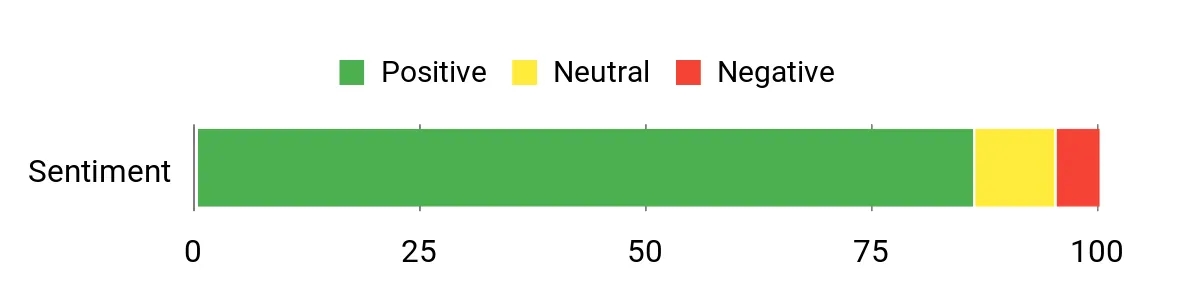
The review summary supplied with the original article highlights the paper’s weight, sturdy hand-feel, printer usefulness, and suitability for cards and layered craft projects. It also notes that a 50-sheet pack can be a convenient quantity for hobbyists who do not need bulk stock.
The tradeoff is volume and wet-media capacity: 50 sheets disappear quickly in production work, and this remains craft cardstock rather than dedicated acrylic-painting paper.
Overall Sentiment in the supplied source dataset: Positive
|
Pros |
Cons |
|---|---|
|
✅ Generally suitable for many home inkjet and laser printers that support the media weight |
❌ Not intended for heavy wet acrylic techniques |
|
✅ Good weight for finished cards, tags, and layered pieces |
❌ Limited sheet count for high-volume printing |
|
✅ Standard letter size works with many printers and cutting machines |
Long-Term Value
Using cardstock for final printed elements, mounts, tags, and layered pieces reduces the need to reprint or replace flimsy copy-paper components. Its extra body is useful when a project must survive handling, mailing, or repeated setup better than thin paper would.
Return on Investment
If you regularly make cards, printed accents, tags, or mixed-media pieces, the added stiffness can reduce curled edges and rework. Its value is strongest when you need printable craft stock rather than a dedicated surface for heavy paint.
Situational Benefits
|
Situation |
How It Helps |
|---|---|
|
Printable Elements |
You can produce crisp labels, graphic elements, typography, or templates on a stiffer sheet than ordinary copy paper. |
|
Card Making |
The weight gives cards a more substantial hand-feel and supports layering without the flimsiness of standard office paper. |
|
Event Badges and Tags |
A 50-sheet pack can suit one-off projects where you need durable, presentable badges, tags, or small signs. |
Quick DIY Guide
Print a test sheet first using the media setting recommended by your printer manufacturer. Once the output is clean, trim the design with a craft cutter or paper trimmer. For layered brushstroke accents, paint on separate compatible scraps, let them dry, and adhere them with an appropriate craft adhesive or double-sided tape.
Score before folding to reduce cracking and consider mounting finished pieces on lightweight board when the artwork needs extra rigidity.
Ease of Use
|
Feature |
Ease Level |
|---|---|
|
Printing |
Easy when supported by the printer |
|
Cutting |
Easy |
|
Folding/Scoring |
Moderate |
|
Adhering Layers |
Easy |
Versatility
This cardstock is versatile for printable artwork, cards, business tags, templates, labels, and mounting smaller mixed-media pieces. It bridges the gap between everyday printer paper and heavier specialty board, although substantial wet acrylic painting is better handled by purpose-made art paper.
Safety
Use normal craft precautions around blades, paper cutters, adhesives, and sprays. Keep cutting tools and small pieces away from young children, and follow adhesive or coating labels for ventilation and cleanup.
Practicality
The standard letter size fits many home printers and cutting machines, and the 50-sheet pack is easy to store. It is convenient for hobbyists who want sturdier printed components without committing to a large bulk order.
Key Benefits
- 65 lb cover stock that is generally suitable for compatible inkjet and laser printers
- Sturdy enough for cards, tags, printed accents, and layered artwork
- 50-sheet pack suits low- to medium-volume craft projects
Source-snapshot rating: 4.7/5 (total shown in the supplied source: 183+). Current marketplace ratings may differ.
Sta-Wet Palette

The Masterson Sta-Wet Handy Palette is designed to extend the workable time of acrylics and other water-based paints. A wet sponge sits beneath Masterson’s permeable acrylic palette paper so moisture can move toward the paint while you work. According to Masterson, paints can remain moist for hours on the open palette and may remain workable for days or longer when the lid is properly closed.
The Handy Palette is compact at approximately 7 × 8.5 × 1 inches and includes the tray, lid, sponge, five sheets of Sta-Wet Acrylic Palette Paper, and preparation instructions. That size is useful for tabletop work, classroom demonstrations, and small painting sessions.
For brushstroke statement art, its main advantage is consistency: you can keep several custom colors available while building layers instead of trying to remix the same shade every time.
What People Say
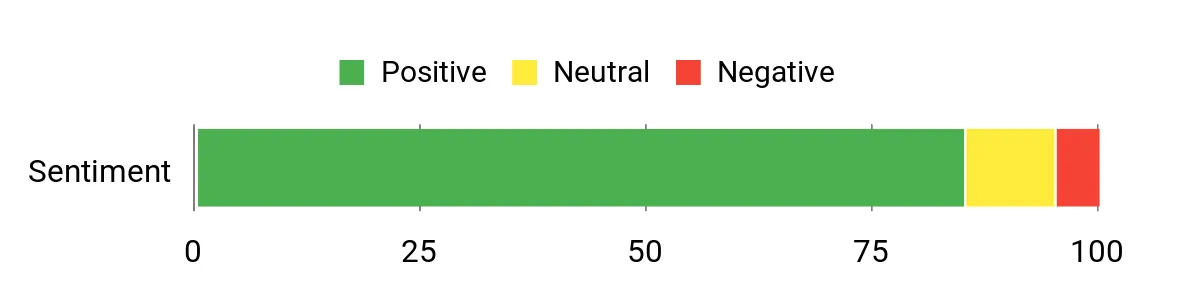
The supplied review summary emphasizes longer paint workability, reduced discarded paint, and convenient compact storage. It also notes that the sponge and moisture level require occasional attention rather than being completely maintenance-free.
Overall Sentiment in the supplied source dataset: Positive
|
Pros |
Cons |
|---|---|
|
✅ Keeps acrylics and other water-based paints workable longer |
❌ Sponge moisture needs occasional checking and adjustment |
|
✅ Can reduce wasted paint and repeated color mixing |
❌ Requires correct preparation of the special palette paper |
|
✅ Compact and easy to store between sessions |
❌ Smaller mixing area than a full studio palette |
Long-Term Value
Preserving mixed colors can reduce discarded acrylic paint and the time spent recreating custom shades. Replacement Sta-Wet paper and sponge refills are available, so the tray and lid themselves can remain part of your setup for repeated projects.
Return on Investment
If you frequently mix custom hues or paint across several sessions, the main return comes from saved paint and saved remixing time. It is especially useful for layered brushstroke pieces where small shifts in a repeated color can be noticeable.
Situational Benefits
|
Situation |
How It Helps |
|---|---|
|
Layered Brushwork |
Keep several custom mixes available so later layers can stay closer to the colors used earlier. |
|
Classroom Use |
Prepared colors can remain available longer during a lesson, reducing repeated setup and discarded paint. |
|
Travel or Plein Air |
The compact tray is portable, but Masterson says the seal is not watertight. Transport it flat, remove excess water from the sponge before travel, and consider a sealed outer bag for spill containment. |
Quick DIY Guide
Before first use, rinse the Sta-Wet sponge thoroughly under running water. Masterson instructs users to prepare each new sheet of Sta-Wet Acrylic Palette Paper by fully submerging it in hot tap water for about 15 minutes so the paper becomes permeable.
Fully wet the sponge, then wring out roughly half of its water and place the smooth side up in the tray. Put the prepared palette paper over the sponge and wipe excess surface moisture from the paper before adding paint.
Mix directly on the prepared paper. When you stop painting, snap the lid on securely. If the paints become watery or begin spreading during storage, the sponge is probably holding too much moisture; remove the paper, wring more water from the sponge, and reassemble it.
Note: The Sta-Wet moisture system is intended for acrylics and other water-based paints. For conventional oil paint, remove the Sta-Wet sponge and paper and use an oil-compatible palette surface inside the container rather than placing conventional oils directly on the wet sponge-and-paper system.
Ease of Use
|
Feature |
Ease Level |
|---|---|
|
Initial Setup |
Moderate |
|
Maintaining Moisture |
Moderate |
|
Storing Mixed Water-Based Paints |
Easy |
|
Cleaning |
Moderate |
Versatility
The Sta-Wet system works with acrylics and other water-based paints. The container can also serve as a storage enclosure for a separate compatible oil-paint palette when the Sta-Wet sponge and paper are removed. Do not treat the wet sponge-and-paper system itself as a conventional oil-paint palette.
Safety
Keep the sponge clean, follow the manufacturer’s maintenance instructions, and replace damaged or badly deteriorated components. Carry the palette flat because the lid is not watertight. If you use the container with an oil-paint palette or artist solvents, follow the paint and solvent manufacturers’ ventilation, storage, fire-safety, and disposal instructions.
Practicality
The Handy Palette fits compact workspaces and travel bags, and the included tray, sponge, and palette paper create a complete starting system for water-based paint. Its compact size is especially practical for hobbyists, classrooms, and artists who mix smaller batches of color.
Key Benefits
- Extends the working time of acrylics and other water-based paints
- Sponge and permeable palette-paper system helps maintain paint moisture
- Compact 7 × 8.5 × 1-inch format suits small workspaces and portable kits
Source-snapshot rating: 4.7/5 (total shown in the supplied source: 7,574+). Current marketplace ratings may differ.
Frequently Asked Questions
What supplies should I start with?
Keep a starter kit simple: inexpensive paper such as Prang for composition tests, sturdier cardstock for printable or layered elements, and heavier acrylic or mixed-media paper for finished wet-painted pieces. Add two or three synthetic brushes, acrylic paint, a water cup, backing board, and a palette. A Sta-Wet palette becomes especially useful if you mix custom colors or paint over several sessions.
Can I use construction paper for wall art?
Yes, especially for mockups, collages, cut-paper layers, practice brushstrokes, and relatively dry decorative techniques. Construction paper is less suitable for repeated wet acrylic layers because it can buckle or weaken. Mount lightweight pieces to a rigid backing before framing when they need more support.
How do I keep mixed acrylic paints from drying?
With a Masterson Sta-Wet palette, first prepare the special acrylic palette paper according to the manufacturer’s directions, including the initial soak, and use it over the moistened sponge. Mix paint on the prepared paper and close the lid securely between sessions. Adjust sponge moisture if the paint begins becoming too watery.
What paper is best for a finished acrylic brushstroke piece?
For a finished piece with several wet acrylic layers, choose heavier acrylic or mixed-media paper instead of school-grade construction paper. Heavier paper resists warping better, and purpose-made acrylic paper is designed for the paint. Construction paper remains useful for planning, collage, and light applications.
How can I reduce paper warping while painting?
Start with heavier paper, avoid flooding lightweight sheets, and secure the edges of suitable art paper to a rigid backing while you paint and dry it. Work in controlled layers instead of saturating the sheet all at once. For collage elements, let painted pieces dry before mounting them to the final backing.
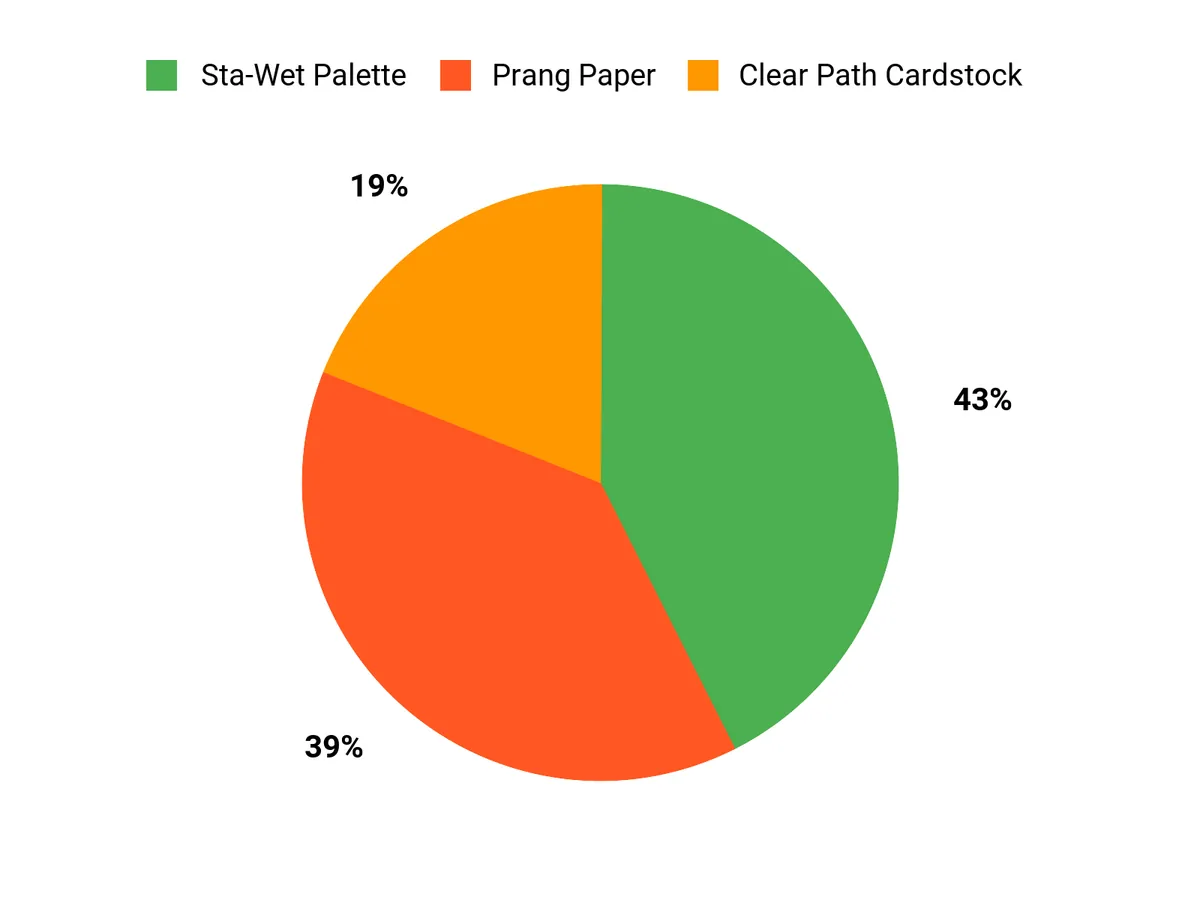
Customer Preferences
When choosing between these supplies, the main tradeoffs are surface strength, printability, affordability, sheet count, and paint preservation. The Sta-Wet stands out when color longevity and reduced remixing matter most, Clear Path Cardstock when clean printing and sturdy paper components matter, and Prang Paper when low-cost practice and collage flexibility matter.
The chart below comes from the supplied article’s editorial dataset and should be read as a visual summary of those preference themes rather than as an independently verified consumer survey.
Wrapping Up
If you want a low-cost supply for group projects, mockups, and practice runs, Prang Paper gives you a large stack of easy-to-cut construction paper without using your more expensive final surfaces. For finished printed elements, invitations, tags, or layered paper artwork, Clear Path Cardstock provides more body than ordinary copy paper while remaining practical for compatible home printers.
If preserving mixed acrylic colors is the bigger problem, the Masterson Sta-Wet Handy Palette addresses a different part of the workflow: it keeps water-based paint mixes workable longer and can reduce paint waste and repeated color matching. Prepare the paper and sponge correctly, and carry the palette flat because its lid is not watertight.
For the final painted surface itself, especially when you use multiple wet layers, choose heavier acrylic or mixed-media paper rather than expecting construction paper or printer cardstock to behave like dedicated painting paper.
| Prang Construction Paper | White Cardstock – 65Lb Cover | Masterson Sta-Wet Handy Palette | |
|---|---|---|---|
|
|
|
|
|
| Source-Snapshot Rating | 4.6/5 (5,177 reviews shown in source) | 4.7/5 (183 reviews shown in source) | 4.7/5 (7,574 reviews shown in source) |
| Type | Groundwood construction paper | 65 lb cover cardstock | Stay-wet palette kit with sponge and palette paper |
| Best Use Here | Practice, mockups, cutting, collage | Printing, cards, tags, layered paper pieces | Preserving mixed acrylic and water-based paint |
| Sheet Count | 100 sheets | 50 sheets | 5 palette-paper sheets included |
| Dimensions | 12″L × 9″W | 11″L × 8.5″W | Approx. 7″ × 8.5″ × 1″ |
| Heavy Wet Acrylic | Not recommended as the main final surface | Better for craft/print work than heavy painting | Designed to manage water-based paint rather than serve as the artwork surface |
| Shop Now | Shop Now | Shop Now |
Sources
- Masterson Art — Sta-Wet Handy Palette — official dimensions, included components, paint-preservation claims, and oil-palette guidance.
- Masterson Art — Sta-Wet Tips & Techniques — official acrylic-paper preparation, sponge setup, moisture adjustment, cleaning, and transport guidance.
- Liquitex — How to Prep Your Surface — guidance on acrylic painting surfaces, paper preparation, and using heavier paper to reduce warping.
- Liquitex — Basics Acrylic Paper — example of purpose-made 300 gsm acrylic painting paper.
- U.S. Consumer Product Safety Commission — Art and Craft Safety Guide — ventilation and handling guidance for spray fixatives and other art materials.
This Roundup is reader-supported. When you click through links we may earn a referral commission on qualifying purchases.