You want to make textured, three-dimensional fiber art without getting bogged down in complicated techniques or hard-to-find supplies. Choosing the right materials can make a first project easier to control, finish, and learn from.
This guide focuses on beginner-friendly yarn, twine, cutting, and finishing tools for wrapped, coiled, stitched, knotted, and mixed-media fiber work. It does not cover every branch of fiber sculpture; needle felting, rigid wire sculpture, basketry, and loom-based weaving may need additional technique-specific supplies.
Quick Answer
For beginner 3D fiber art, start with one medium cotton yarn, a thin cotton twine, a coarser jute cord for contrast, sharp fabric shears, and large-eye tapestry needles. Match each material to the technique you want to practice, and do not rely on decorative twine for structural or load-bearing parts.
Key Takeaways
- Use medium (#4) cotton yarn when you want an easy-to-handle base with enough body for coiling, wrapping, crochet, or stitched forms.
- Use thin cotton twine for neat bindings and jute for rougher visual texture; neither should be treated as load-rated cord unless the manufacturer says so.
- Keep fabric shears for fiber and fabric when possible so cardboard, wire, and abrasive materials do not shorten edge life.
- Large-eye blunt or bent-tip needles make seaming and weaving in bulky ends easier for beginners.
Affiliate disclosure: This Roundup is reader-supported. When you click through links we may earn a referral commission on qualifying purchases.
Note: Product ratings, review counts, packaging, and marketplace specifications can change. The scores in this guide are editorial fit scores for beginner fiber-art use, not laboratory test results.
Top Picks
|
Category |
Product |
Score |
|---|---|---|
|
🌿 Best Natural Texture |
83/100 |
|
|
🧵 Best Thin Cotton Twine |
90/100 |
|
|
✂️ Best Heavy-Duty Shears |
85/100 |
|
|
🪡 Best Bent-Tip Needle |
87/100 |
|
|
🎨 Best Versatile Cotton Yarn |
92/100 |
|
|
🪢 Best Multi-Size Finishing Needles |
88/100 |
Selection Criteria
You need supplies that lower the learning curve and behave predictably. The editorial scores prioritize ease of use, suitability for common yarn-and-twine techniques, versatility, durability, value, and relevant safety information. These are comparative editorial judgments based on published product information and review themes; they are not hands-on laboratory scores.
Versatility matters because a beginner should be able to test several textures without buying a specialty tool for every experiment. Safety also matters: cooking twine should be used for food only when the current packaging or manufacturer specifically labels it for that purpose, and decorative cord should not be used for suspension or other load-bearing work unless it has a stated load rating.
What Beginners Need for 3D Fiber Art
A small starter kit works best when each item has a clear job. For yarn- and cord-based fiber art, think in five roles: a base fiber for building volume, a contrasting fiber for texture, a cutting tool, a finishing needle, and—when the design needs shape—an armature or core that is appropriate for the project.
- Base fiber: Medium (#4) yarn is a practical learning weight because it is thick enough to see and control without being extremely bulky. The Craft Yarn Council Standard Yarn Weight System classifies worsted, afghan, and aran yarns in the medium category.
- Texture fiber: Jute, cotton twine, or another contrasting cord can create ridges, knots, wraps, and transitions.
- Cutting: Sharp shears help prevent ragged fabric edges and reduce repeated snipping.
- Finishing: Large-eye blunt or bent-tip tapestry needles help weave in ends and seam thick yarn without the sharp point of a sewing needle.
- Structure: Foam, cardboard, stuffing, basket reed, or wire may be useful depending on the technique. Choose structural materials for the actual load and environment rather than expecting decorative yarn or twine to carry weight.
How to Match the Material to the Technique
Use cotton yarn for coiling, crochet, wrapped forms, soft sculpture, and washable practice pieces. Use thin cotton twine when you want clean bindings, small knots, or fine lines. Use jute when you want coarse, rustic texture. Bent-tip or blunt tapestry needles are best for finishing yarn work, while sharp fabric shears are for fabric and fiber—not wire or metal.
Warning: Keep natural fibers, yarn scraps, adhesives, and finished fiber pieces away from open flames. Do not use decorative twine for hanging heavy objects, climbing, restraints, or any other safety-critical load.
Pro Tip: Make a small test swatch or wrapped sample before committing to a large piece. It quickly shows whether the fiber frays, stretches, accepts glue, holds a knot, or changes after washing.
Koch Jute Twine

Koch jute twine is a useful choice when you want a coarse, natural-looking cord for decorative texture, plant ties, gift wrapping, and rustic displays. The supplied listing identifies it as 3-ply jute in a 200-foot length.
In 3D fiber art, use it as a wrapping or surface accent around an appropriate core or armature, or as a textural contrast beside softer yarns. Treat it as decorative twine rather than load-rated rope unless the current product labeling provides a specific strength rating.
What People Say
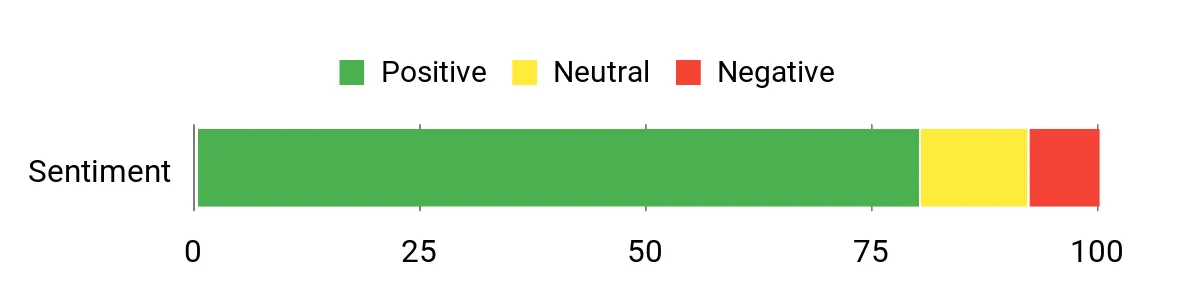
Customers tend to praise the twine’s natural look and useful length, noting it works well for tying plants, packaging and craft displays. Many appreciate the rough, rustic texture for decorative applications while a minority point out occasional knots or uneven sections. Overall, people report good value for routine craft and garden uses but caution against relying on it for heavy-duty or load-bearing tasks.
Overall Sentiment: Positive in the summarized review set; live marketplace feedback can change.
Using It
Treat this twine as a texture tool more than a structural anchor. For 3D pieces you can wrap it around foam or cardboard cores to build ridges, make tassels by looping and trimming, or braid it with softer yarns for contrast. To tame a loose end, use a small amount of fiber-compatible craft glue and test first for darkening or stiffness.
Check the spool as you work so joins do not interrupt a long visible wrap, and secure finishing knots before trimming.
Versatility
You can use this twine across garden tasks, everyday home projects and event décor. It’s handy for tying tomato plants, securing bunting or balloons for a party, wrapping gifts with a rustic vibe, and adding raw texture to woven or wrapped art pieces.
Look & Feel
The natural, slightly coarse fibers give an organic, earthy finish that complements neutral palettes and farmhouse or boho styles. You can layer it over dyed yarns for contrast or keep it solo where you want a simple, tactile accent.
Safety Notes
Jute is a plant-based fiber, but this listing does not establish whether the finished twine is untreated or suitable for composting in every setting. It can shed short fibers and feel scratchy against skin. Do not assume it is food-safe, and keep it away from open flames.
For load-bearing needs, choose cord or rope with a manufacturer-stated strength rating for the intended use.
Customization Options
|
Feature |
Customization Level |
|---|---|
|
Dyeing |
Moderate |
|
Fraying/Brushing |
High |
|
Coating (glue/varnish) |
Easy |
|
Knotting/Braiding |
Moderate |
Skill Level
Beginner to Intermediate
Key Benefits
- Natural, rustic texture that adds depth to fiber pieces
- Long 200-foot length gives plenty of material for multiple projects
- Plant-based jute provides a natural-fiber option; disposal and biodegradation depend on treatments and local conditions
Rating snapshot in the supplied article: 4.6/5 (marketplace ratings and review counts can change)
Tenn Well Twine

Tenn Well cooking twine is marketed in current retail listings as 100% cotton, 3-ply, about 1 mm thick, and 656 feet long. That makes it a thin, uniform cord for neat bindings, small knots, and fine linear details in fiber art. Retail listings also market it for culinary use; confirm the current package labeling before direct food contact because marketplace descriptions can change.
What People Say
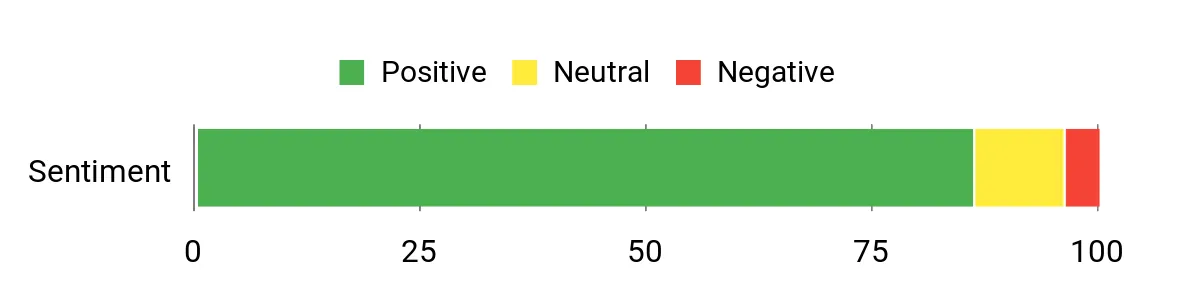
Reviewers commonly praise the twine for its consistent thickness and kitchen-safe construction, noting it ties well and doesn’t scorch easily during roasting. Many users highlight its versatility for packaging and craft tasks, while a few mention occasional frays or joins on the spool that can interrupt long runs.
Overall Sentiment: Positive in the summarized review set; live marketplace feedback can change.
Using It
Use this twine for tidy bindings, small armature wraps and precise stitching details where a thin, uniform cord is helpful. For texture, braid or knot multiple strands together, or pair it with bulkier yarns to create contrast.
If you need sealed ends, a small dab of fabric glue keeps knots from slipping. Check for spool joins before long wraps to avoid an unexpected knot in the middle of a piece.
Versatility
Works across gift wrapping, fine-detail craft work, and—when the current package is explicitly labeled for it—kitchen tying. Keep a food-use spool separate from craft materials, adhesives, dyes, and dirty work surfaces so a cord used for art is not later returned to food preparation.
Look & Feel
The smooth, white cotton presents a clean, understated line that suits minimalist and modern fiber pieces. It blends into light palettes and provides a subtle structural element when layered with textured yarns.
Safety Notes
Retail listings market this cotton twine as food-safe cooking twine. Follow the current package instructions for heat and food-contact use rather than assuming all cotton string is culinary twine. Keep loose cord away from open flames, burners, and exposed heating elements.
Customization Options
|
Feature |
Customization Level |
|---|---|
|
Dyeing |
Moderate |
|
Braiding/Twisting |
Easy |
|
Coating (glue/varnish) |
Easy |
|
Heat Sealing Ends |
Not recommended for cotton |
Skill Level
Beginner to Intermediate
Key Benefits
- Retail-listed food-safe cotton twine; verify current package labeling before culinary use
- Thin, consistent diameter ideal for neat knots and subtle texture
- Long 656-foot length gives plenty of material for multiple projects
Rating snapshot in the supplied article: 4.7/5 (marketplace ratings and review counts can change)
JINJIAN Shears

The supplied listing describes these as 9-inch heavy-duty dressmaking shears with high-carbon-steel blades. Their heavier build may suit users who prefer a planted feel for long fabric cuts, but weight and handle comfort are personal, so this is one item where hand fit matters.
They are best treated as fabric and fiber shears. Even if they can cut cardboard or other craft materials, reserving the blades for fabric, yarn, felt, and similar materials helps protect the cutting edge.
What People Say
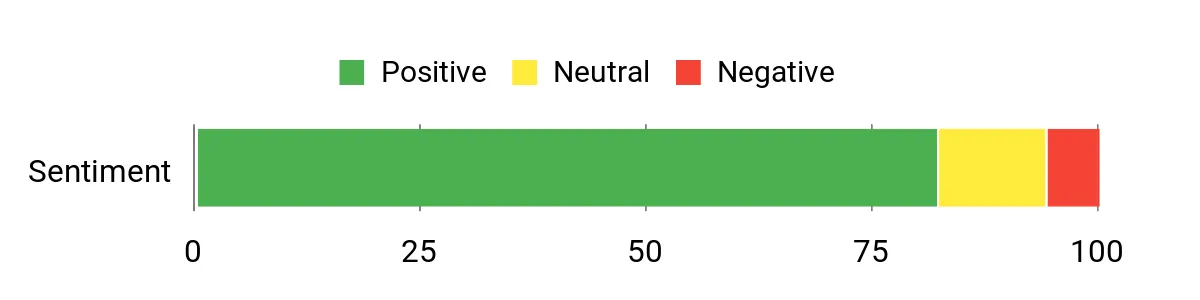
Most users highlight the scissors’ sharpness and precise cutting, noting they handle multiple layers without shredding. Many appreciate the solid, professional feel and consistent performance, while a few mention the weight takes some getting used to and left-hand users will find them unsuitable.
Overall Sentiment: Positive in the summarized review set; live marketplace feedback can change.
Using It
Use these shears for clean edge cuts on woven fabrics, felt, and bulky yarn ends. Keep them away from wire, metal, and gritty or abrasive boards if you want to preserve the edge. For long fabric cuts, open the blades fully and use smooth strokes instead of many short snips. Sharpen only with a method appropriate for the blade geometry.
Versatility
Good for apparel sewing, home décor projects, burlap, felt, and fiber-art trimming. Use a utility knife or general-purpose scissors for cardboard templates, and use the correct cutter for wire or metal.
Look & Feel
The matte finish and professional curved profile give a workshop-ready look that suits both studio and craft-room settings. They read as a functional, no-nonsense tool that complements a tidy workbench.
Safety Notes
Sharp shears should be stored closed and out of reach of children. Cut away from your body, keep the material supported, and avoid twisting the blades through resistant material. Left-handed users should confirm the handle and blade geometry feels comfortable before buying.
Customization Options
|
Feature |
Customization Level |
|---|---|
|
Sharpening |
Moderate |
|
Handle Grip Add-Ons |
Easy |
|
Professional Resurfacing |
Moderate |
|
Dedicated Fabric Pairing |
Easy |
Skill Level
Beginner to Advanced
Key Benefits
- Sharp, durable high-carbon steel blades for clean cuts
- Weighty, balanced feel that improves cutting control
- Versatile for fabrics, craft board and thicker materials
Rating snapshot in the supplied article: 4.6/5 (marketplace ratings and review counts can change)
Clover Needles

These jumbo bent-tip tapestry needles are designed to make bulky-yarn finishing easier. The curved tip helps pick up stitches, while the large eye accommodates thicker yarn and cord. Clover’s current Super Jumbo Tapestry Needle Set uses the same large-eye, slightly curved-tip concept. The exact Amazon ASIN in this guide is a two-needle bent-point package, so do not assume dimensions from a different current Clover model.
Use them for assembling chunky pieces, finishing rug or tapestry work, and sewing seams in heavy knits where a standard sewing needle is too small or sharp.
What People Say
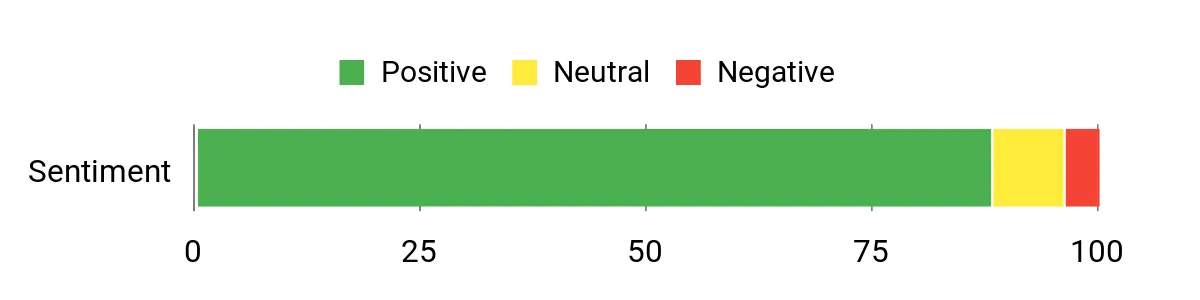
Users commonly praise the needles for making end-weaving and finishing much easier, especially with super bulky yarns. Many mention the comfortable large eye and the bent tip that helps avoid yarn splitting, and several people keep repurchasing them for rug and tapestry work. A small number expected different material finishes but overall feedback highlights reliability and usefulness.
Overall Sentiment: Positive in the summarized review set; live marketplace feedback can change.
Using It
Use these needles to weave in ends, sew panels together, or tidy up pile on rug projects. Thread the yarn through the large eye, angle the bent tip to follow stitch direction, and make smooth pulls rather than jerky tugs to avoid distorting stitches. For dense projects, work in short passes and rotate your piece so tension stays even.
Versatility
Well suited to knitting, crochet, rug hooking and tapestry finishing; you can also use them for darning, joining bulky seams and repairing heavy woven items.
Look & Feel
The golden metal finish is understated and professional, so the needles look tidy on your worktable and match well with other tools without drawing attention away from your project.
Safety Notes
The bent tapestry point is intended for yarn work rather than piercing tightly woven fabric. It is less sharp than a standard sewing needle, but it can still cause injury. Store the needles in a case or pincushion and keep them away from children.
Customization Options
|
Feature |
Customization Level |
|---|---|
|
Needle Size Selection |
Easy |
|
Use With Threaders |
Easy |
|
Grip Add-Ons (tape/rubber) |
Moderate |
|
Polishing Finish |
Low |
Skill Level
Beginner to Advanced
Key Benefits
- Bent point eases hooking and weaving without splitting yarn
- Large eye simplifies threading bulky yarns
- Sturdy construction suited to heavy-duty finishing tasks
Rating snapshot in the supplied article: 4.7/5 (marketplace ratings and review counts can change)
Lily Cotton Cone

Lily Sugar’n Cream Cone is a 100% cotton, medium (#4) yarn that works well as a visible, easy-to-handle base for coiling, crochet, wrapping, weaving, and household textiles. The current Yarnspirations manufacturer page lists the 14 oz / 400 g cone at 616 m / 674 yd, so older retail references to 706 yd should be treated as packaging or listing variation rather than a guaranteed current length.
What People Say
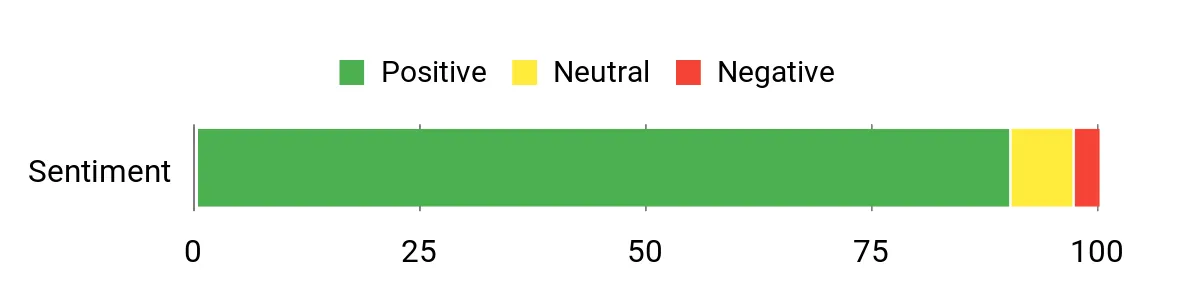
Reviewers frequently note the yarn’s durability and how well it holds up to regular washing, making it a favorite for dishcloths and home items. People appreciate the consistent weight that doesn’t split easily and the wide color selection that helps match décor. A common theme is that one cone goes a long way, so buyers feel it’s good value for practice and finished pieces alike.
Overall Sentiment: Positive in the summarized review set; live marketplace feedback can change.
Using It
Use this yarn as a base for coiling, wrapping armatures and building volume in wall hangings. Crochet tight, dense stitches for bowls and rugs, or work looser loops for soft, textured panels.
Pair it with thinner threads for contrast or knot it into macramé-style details for added structure. For wash testing, follow the current manufacturer care instructions: wash colors separately on a delicate setting at no more than 86°F/30°C and tumble dry on low.
Versatility
Suitable for kitchen textiles, placemats, rugs, wall art and marketable household items; it’s flexible enough for both practice pieces and finished home décor.
Look & Feel
The Soft Ecru color gives a neutral, matte cotton look that works as a quiet base for natural palettes or for layering with brighter fibers.
Safety Notes
The manufacturer lists machine washing on a delicate setting and low tumble drying for this cotton yarn. Keep yarn and finished fiber pieces away from open flames, and do not use yarn as a load-bearing component unless the design and material are specifically engineered for that purpose.
Customization Options
|
Feature |
Customization Level |
|---|---|
|
Dyeing |
Moderate |
|
Blocking/Shaping |
Moderate |
|
Combining With Other Fibers |
Easy |
|
Machine Care |
Easy |
Skill Level
Beginner to Intermediate
Key Benefits
- 100% cotton with manufacturer-provided machine-care instructions
- Current manufacturer listing: 674 yards / 616 meters per 14 oz / 400 g cone
- Worsted weight that balances structure and drape for 3D techniques
Rating snapshot in the supplied article: 4.7/5 (marketplace ratings and review counts can change)
Lion Brand Needles

Lion Brand’s Large-Eye Blunt Needles are a straightforward finishing set for weaving in ends and sewing seams in knit and crochet work. The current Lion Brand product page identifies SKU 400-5-5002 as nickel-plated steel with six needles—two each in sizes 13, 14, and 16.
The large eyes accommodate yarn more easily than standard sewing needles, while the blunt points follow stitch paths without being designed to pierce tightly woven fabric.
What People Say
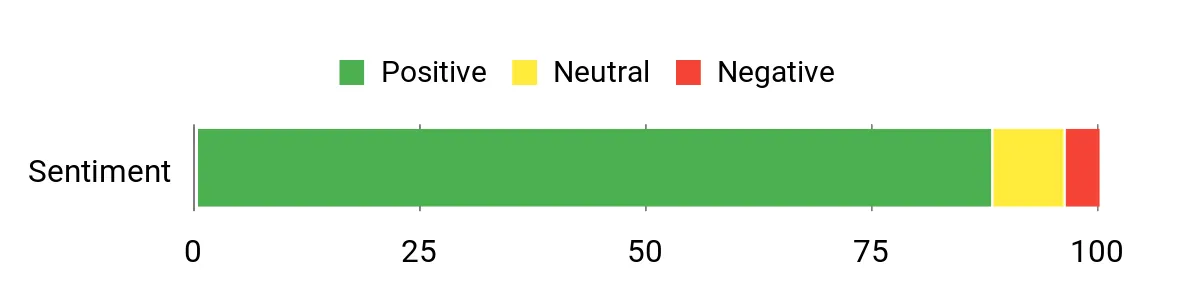
Buyers repeatedly highlight how the big eyes and blunt tips speed up finishing work and make weaving in ends less frustrating. Many appreciate the smooth, nickel-plated surface that avoids catching delicate fibers, and the mixed-size pack is noted as practical for varied projects.
A few users mention they wished for sharper points for other jobs, but overall the set is praised for reliability and ease.
Overall Sentiment: Positive in the summarized review set; live marketplace feedback can change.
Using It
Choose the needle size that best fits your yarn thickness and thread through the large eye before starting. Use the blunt point to follow stitch paths and pull yarn gently to avoid distorting fabric. For seaming, work short, even passes and rotate the project to keep tension consistent. Keep a needle minder or small case nearby so you don’t lose them between finishing steps.
Versatility
Great for knitting, crochet, tapestry and rug projects as well as darning and light repairs; the variety of sizes makes them useful across most finishing tasks in fiber art.
Look & Feel
The silver, nickel-plated finish looks tidy and professional on your work table and pairs unobtrusively with yarns of any color.
Safety Notes
Blunt points are designed to reduce yarn splitting, but the needles can still cause injury. Store them in a case or pincushion and keep them away from children and pets.
Customization Options
|
Feature |
Customization Level |
|---|---|
|
Needle Size Choice |
Easy |
|
Use With Threaders |
Easy |
|
Polish/Finish Care |
Moderate |
|
Grip Add-Ons |
Easy |
Skill Level
Beginner to Advanced
Key Benefits
- Large eyes simplify threading thick yarns
- Blunt tips reduce splitting and make weaving easier
- Multiple sizes cover a wide range of finishing tasks
Rating snapshot in the supplied article: 4.7/5 (marketplace ratings and review counts can change)
Frequently Asked Questions
Which materials are best for beginners?
Start with a medium (#4) cotton yarn because it is thick enough to see and control without being extremely bulky. Add thin cotton twine for neat lines, jute for coarse texture, sharp fabric shears, and large-eye tapestry needles for finishing. Add an armature material only when your chosen technique needs one.
How do I finish and secure my pieces?
Weave in yarn tails with a large-eye blunt or bent-tip needle, then trim with sharp shears. For knots that need extra hold, test a small amount of fiber-compatible craft glue on a hidden area first. If the piece bears weight, use a structurally rated cord or fastener instead of relying on decorative yarn or glue.
Can I use these supplies for food or outdoor projects?
Use twine for direct food contact only when its current packaging or manufacturer specifically labels it for culinary use, and keep a food-use spool separate from craft materials. For outdoor art, expect natural fibers to absorb moisture, fade, soil, and degrade; choose weather-rated cord or a protected display location when longevity matters.
Do I need an armature for 3D fiber art?
Not always. Dense crochet, coiling, stuffing, and tightly wrapped forms can hold shape on their own. Taller, cantilevered, or sculptural pieces may need foam, cardboard, reed, wire, or another core. Match the armature to the shape, expected load, and display environment.
What yarn weight is easiest to learn with?
Medium (#4) yarn is a practical starting point for many beginners because stitches, wraps, and knots are easy to see. The Craft Yarn Council places worsted, afghan, and aran yarns in this category, although the best weight still depends on the technique and desired scale.
Customer Preferences
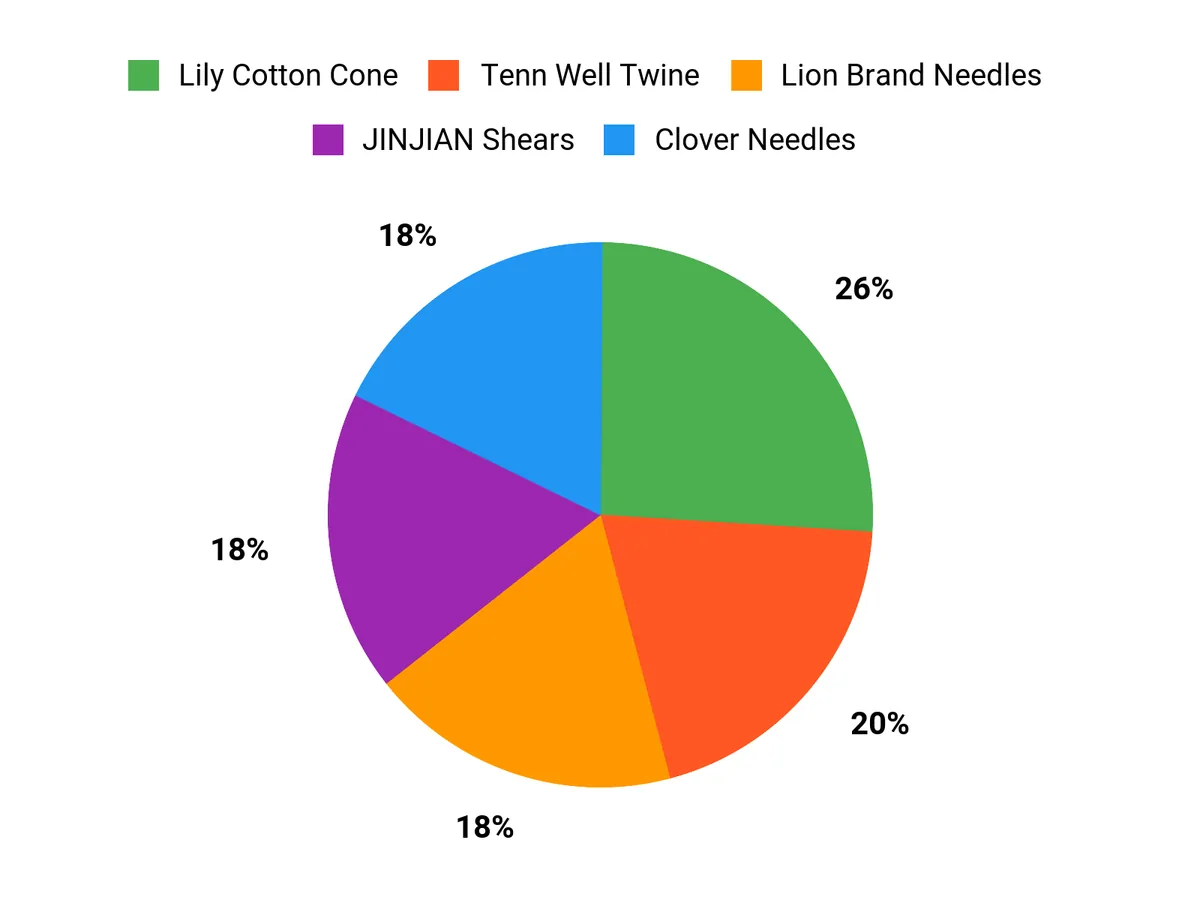
Choose by function rather than by score alone. Koch jute suits coarse visual texture; Tenn Well suits thin, tidy bindings and is marketed for cooking when used according to its current label; JINJIAN shears are for cutting; Clover’s bent-tip needles suit bulky finishing; Lily cotton yarn is the broadest base material in this group; and Lion Brand’s mixed-size blunt needles are useful when you work across different yarn thicknesses.
Wrapping Up
Start with a small, focused kit so you can learn texture-building techniques without buying every specialty tool at once. Use medium cotton yarn as a general-purpose base, add jute or thin cotton twine for contrast, and keep sharp shears plus large-eye needles on hand for clean finishing.
As your projects become more structural, add the right armature, adhesive, stuffing, or weather-rated material for the technique. The most useful beginner supply is the one that solves a specific job without creating a safety or durability problem elsewhere in the piece.
Quick Comparison
Marketplace ratings and review counts below are snapshots from the supplied article and can change. Dimensions and weights reflect the supplied retailer metadata unless a current manufacturer specification is noted.
| Product Name | Image | Rating | Material | Item Length | Weight |
|---|---|---|---|---|---|
| Koch Industries 5480303 Jute 3 Ply Light Twine, 200-Feet |
|
4.6/5 source-article snapshot; live rating varies | Jute | 200 feet | 3.2 ounces |
| Tenn Well 656ft 1mm Cooking Twine 3Ply Food Safe for Roasting |
|
4.7/5 source-article snapshot; live rating varies | Cotton | 656 feet | 4.64 ounces |
| Heavy Duty 9 inch Fabric Scissors, Dressmaking Shears for Clothing Bk9 |
|
4.6/5 source-article snapshot; live rating varies | High Carbon Steel | 9 inches | 9.92 ounces |
| Clover Jumbo Tapestry Needles Bent Point 2 Pack Each |
|
4.7/5 source-article snapshot; live rating varies | Metal | Older two-needle listing: about 2.75 in / 7 cm | Package weight varies by retailer listing |
| Lily Sugar’n Cream Cotton Cone Yarn, 14 oz, Soft Ecru, 1 Cone |
|
4.7/5 source-article snapshot; live rating varies | 100% Cotton | 674 yards / 616 m on current manufacturer page; older listings may show 706 yards | 400 grams |
| Lion Brand Yarn 400-5-5002 Large-Eye Blunt Needles, Set of 6, Silver |
|
4.7/5 source-article snapshot; live rating varies | Nickel-plated steel | Multiple sizes: 13, 14, 16 | Package weight varies by retailer listing |
Sources
- Craft Yarn Council — Standard Yarn Weight System — medium (#4) yarn classification and general gauge ranges.
- Yarnspirations — Lily Sugar’n Cream Cone Yarn — current fiber content, cone size, length, yarn weight, and care guidance.
- Clover — Super Jumbo Tapestry Needle Set — current large-eye, slightly curved-tip tapestry-needle design guidance.
- Lion Brand — Large-Eye Blunt Needles — SKU 400-5-5002 material, quantity, sizes, and intended finishing use.
- Federal Trade Commission — Endorsement Guides Q&A — clear and conspicuous affiliate-disclosure guidance.