You can make a fresh winter wreath without specialized equipment or advanced floral-design experience. The essentials are a sturdy base, fresh flexible greenery, floral wire or twine, hand pruners, wire cutters, and a secure hanger. Choosing the right combination makes assembly easier, helps the wreath hold its shape, and gives you a cleaner finished display.
Quick Answer
For a fresh winter wreath, use a wire or grapevine base, fresh evergreen cuttings, floral wire or sturdy twine, hand pruners, wire cutters, and a hanger. Hydrate cut greenery before assembly, overlap small bundles around the base, secure each bundle firmly, and keep the finished wreath away from heat and open flame.
Affiliate disclosure: This roundup is reader-supported. When you click through qualifying product links, we may earn a referral commission. This does not change the price you pay.
Key Takeaways
- Choose a wire frame when you want maximum structure and a grapevine base when you want visible natural texture.
- Floral wire is better for structural attachments and heavier accents; jute twine works well for bundles, decorative ties, and lighter tasks.
- Fresh greenery lasts better when it begins hydrated and is displayed away from direct heat and strong indoor sun.
- Dry evergreen material can become a fire hazard, so keep fresh wreaths away from candles, fireplaces, heaters, and hot vents.
- Reusable frames, wire, ribbons, and decorative pieces can be stored and used for future wreaths.
At a Glance
| Time Required | About 45–90 minutes for a basic fresh wreath, depending on size and decoration |
| Difficulty | Beginner to moderate |
| Tools Needed | Hand pruners, wire cutters, gloves, wreath base, floral wire or twine, and hanger |
| Cost | Varies widely; using garden greenery and a reusable base can reduce the material cost |
Top Picks
The scores below are editorial suitability scores based on wreath-making usefulness, ease of handling, versatility, reusability, and value within the supplied product set. They are not laboratory-test scores.
|
Category |
Product |
Editorial Score |
|---|---|---|
|
🏆 Best Frame |
90/100 |
|
|
🎯 Best Natural Base |
78/100 |
|
|
💰 Best Value Twine |
94/100 |
|
|
🔰 Best Florist Wire |
88/100 |
|
|
⭐ Best Large Base |
75/100 |
How We Chose Supplies
For a fresh winter wreath, the most useful supplies balance structure, easy assembly, appearance, and reusability. We prioritized bases that provide reliable attachment points, fastening materials that are easy to control, and supplies that work with fresh, dried, or artificial greenery. We also considered whether each item solves a distinct wreath-making need rather than simply duplicating another product.
Because Amazon ratings, review totals, package quantities, and listing specifications can change, any rating or review count shown later in this article should be treated as a snapshot from the source data rather than a guaranteed current figure. Always use the live retailer listing for current package details and availability.
Essential Supplies for a Fresh Winter Wreath
A basic wreath does not require a large tool collection. Gather your materials before cutting greenery so you can assemble the wreath while stems are fresh and flexible.
- Wreath base: A metal ring gives maximum structure, while grapevine provides an immediate natural-looking foundation.
- Fresh greenery: Pine, fir, cedar, boxwood, holly, juniper, magnolia, and similar seasonal greenery can all work depending on availability and the look you want.
- Floral or paddle wire: Useful for attaching greenery bundles and securing heavier accents.
- Twine: Useful for making bundles, decorative ties, and lighter attachments.
- Hand pruners: Use sharp pruners to make clean stem cuts and trim oversized branches.
- Wire cutters: Do not use your pruning blades to repeatedly cut metal wire.
- Gloves: Helpful when working with prickly foliage, sap, stiff vine, and wire ends.
- Hanging loop: Wire, ribbon, or a purpose-made wreath hanger can support the finished wreath.
- Optional accents: Pinecones, berries, ribbon, dried seed heads, bells, ornaments, or other lightweight decorations.
Wire Frame vs. Grapevine Base
|
Base Type |
Best For |
Main Tradeoff |
|---|---|---|
|
Metal Wire Frame |
Full wreaths, consistent circular shapes, layered greenery, and heavier focal accents |
Needs enough foliage to hide the frame |
|
Grapevine Wreath |
Rustic wreaths, partially exposed bases, fast decorating, and lightweight arrangements |
Thin forms may need extra greenery or reinforcement for very heavy designs |
A wire form is usually easier when you want to cover the entire wreath with overlapping bundles. Grapevine is useful when the base itself is part of the design because stems, wire, and small decorative pieces can be tucked into the woven vine.
How to Make a Fresh Winter Wreath
1. Prepare and Hydrate the Greenery
Choose healthy, flexible stems rather than foliage that is already brittle, brown, or shedding heavily. University of Georgia and Illinois Extension guidance recommends hydrating cut evergreen material before use; soaking greenery before assembly can help it begin the project well hydrated.
2. Add the Hanging Loop First
Attach a strong loop of wire, ribbon, or cord to the base before covering it with greenery. Doing this first makes the attachment point easier to reach and prevents you from crushing finished foliage later.
3. Cut Greenery Into Manageable Pieces
Use sharp hand pruners to shorten branches into pieces that fit the scale of your wreath. Keep several foliage types separated so you can distribute color and texture evenly.
4. Make Small Bundles
Combine several pieces of greenery with the cut ends aligned. Bind the stems with floral wire or twine. Small bundles are easier to overlap and reposition than one large mass of branches.
5. Attach and Overlap the Bundles
Secure the first bundle to the base. Place the next bundle so its foliage covers the stems and attachment point of the previous one. Continue in the same direction around the wreath until the base is covered or until you reach the intentionally exposed portion of a grapevine design.
6. Fill Thin Areas
Hang or hold the wreath upright and look at it from several feet away. Add small pieces of greenery where the outline looks flat, the frame is visible, or the density is noticeably uneven.
7. Add Pinecones and Decorative Accents
Wire heavier pieces to structural points in the frame or grapevine rather than depending on surrounding foliage to carry their weight. Use lighter accents near branch tips only when they do not pull the foliage downward.
8. Trim and Finish
Cut protruding stems, tuck exposed wire ends safely into the wreath, check the hanger, and gently shape the foliage before displaying the finished piece.
Pro Tip: Build with many small bundles rather than a few oversized ones. Smaller bundles are easier to overlap, make gaps easier to correct, and reduce the amount of material you have to remove if one section needs adjusting.
Keeping Fresh Greenery in Better Condition
University of Georgia Extension recommends beginning with hydrated greenery and lightly misting a finished live-greenery wreath periodically. Illinois Extension also recommends keeping cut evergreens away from direct sunlight and heat drafts. Conditions vary, so there is no universal number of days that every fresh wreath will remain attractive.
Outdoor wreaths in cool, sheltered conditions often dry more slowly than wreaths exposed to indoor heat. Check the wreath periodically and remove foliage that has become excessively brittle, brown, or loose.
Warning: Cut evergreen material becomes drier over time and can become a fire hazard. Keep fresh wreaths, garlands, and loose greenery away from candles, fireplaces, space heaters, heat vents, and other heat or ignition sources. Tuck cut wire ends into the wreath so they cannot scratch hands, doors, or walls.
Troubleshooting Common Wreath Problems
|
Problem |
What to Do |
|---|---|
|
The frame is visible |
Add a small overlapping bundle rather than trying to shift the entire surrounding section. |
|
Greenery slides around the frame |
Add another secure wrap around the stems and structural ring, then tuck the fastener under foliage. |
|
A pinecone or ornament droops |
Attach it directly to an inner ring or strong section of grapevine instead of relying on a branch tip. |
|
The wreath looks uneven |
Hang it upright, step back, and compare the outer silhouette before adding or trimming individual pieces. |
|
Fresh greenery dries quickly indoors |
Move the wreath away from strong sun, fireplaces, heaters, and warm air vents. Light misting may help, but dried material should eventually be removed. |
Sumind Frame

This two-pack of approximately 12-inch metal frames gives you a simple structural skeleton for fresh winter wreaths. The multiple-ring design provides several attachment points for evergreen bundles, pinecones, ornaments, ribbon, or other decorations.
It works well for holiday door displays, table arrangements, and batch crafting when you want two similar bases. Because the thin frame is intended to disappear beneath foliage, it suits makers who want a tidy circular shape rather than a visible rustic base.
What People Say
The source review data describes generally positive feedback about sturdiness and ease of use, with the green finish appreciated because it blends into foliage. Some reviewers reportedly found the frames better suited to light or medium wreaths than exceptionally heavy builds.
Overall Sentiment in the source data: Positive

Long-Term Cost Benefits
The metal base can be reused if it remains in good condition. Instead of discarding the structure with the greenery, remove old plant material after the season, inspect the frame, and store it dry for another project.
Return on Investment
The main value comes from reusability and consistent shape rather than a guaranteed monetary saving. People who make wreaths repeatedly can use the same frame with new greenery and different decorations from season to season.
Situational Benefits
|
Situation |
How It Helps |
|---|---|
|
Front Door Display |
The circular frame provides a consistent structure for overlapping greenery and decorative pieces. |
|
Batch Crafting |
Two forms let you build a matching pair or test two different designs without buying another base first. |
|
Lightweight Indoor Decor |
The slim metal structure is easy to handle during assembly and can also work as a tabletop ring. |
DIY Guide
Start by attaching a hanging loop. Build small bundles of greenery and secure them to an outer ring with floral wire or twine, overlapping each bundle so the next one hides the previous attachment point. Use inner rings as stronger anchor points for pinecones, berries, or other focal pieces.
If you want a fuller look, increase the number of bundles or combine the frame with additional natural material rather than relying on a few oversized branches.
Versatility
The frame can support minimalist evergreen wreaths, seasonal holiday designs, patriotic themes, dried-material projects, and artificial foliage. Its main advantage is that the structure does not dictate the visual style.
Aesthetic Appeal
The thin green rings are designed to recede visually once covered, allowing foliage and accents to define the finished wreath.
Customization Options
|
Feature |
Customization Level |
|---|---|
|
Coverage Level |
High |
|
Accent Attachment |
High |
|
Base Pairing (grapevine or foam) |
Moderate |
Problem Solving Ability
The frame helps prevent uneven shaping by giving you fixed rings to attach greenery to. It also provides stronger anchor points for accents than unsupported foliage alone.
Key Benefits
- Multiple-ring construction provides numerous attachment points
- Green finish is easier to conceal beneath fresh foliage
- Two frames per pack support paired or repeated projects
- Lightweight structure is easy to rotate while assembling
Rating snapshot from the supplied source data: 4.6/5 (2,952+ reviews at capture; live totals may differ).
Sntieecr Vine

These grapevine wreaths provide a ready-made natural base when you want visible texture instead of completely hiding the structure. Small evergreen stems, dried flowers, ribbon, and lightweight ornaments can be tucked into the vine, while wire can secure pieces that need more support.
They suit quick door decorations, wedding or seasonal centerpieces, and craft projects where a rustic base is part of the finished design. A thin grapevine form can also be built up with additional greenery when you want more volume.
What People Say
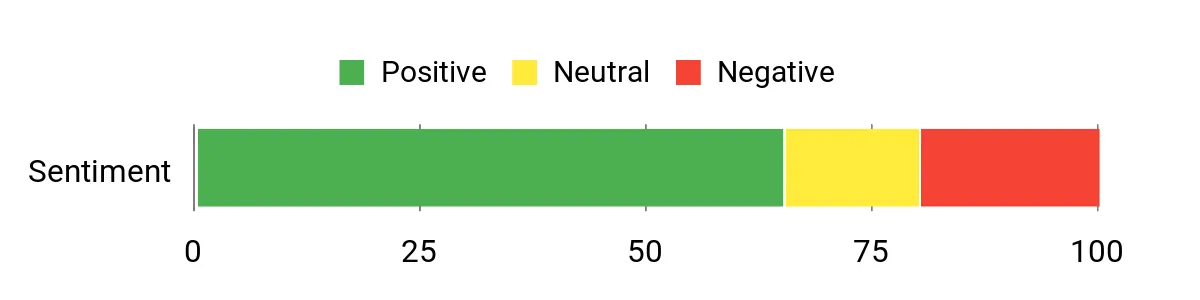
The source review summary reports that many buyers appreciated the ready-to-decorate vine texture and ease of working small accents into the base. Some reportedly expected a thicker or more substantial 12-inch form, making this better suited to lighter designs unless additional support or greenery is added.
Overall Sentiment in the source data: Neutral
Long-Term Cost Benefits
Grapevine wreaths can be reused when stored dry and handled carefully. University of Georgia Extension specifically notes that grapevine wreaths can be used from one season to the next by changing their adornments.
Return on Investment
The practical value comes from having an immediate decorative base and the option to reuse it. That can save preparation time for repeat crafts, events, or seasonal changes.
Situational Benefits
|
Situation |
How It Helps |
|---|---|
|
Quick Holiday Decor |
Tuck greenery and lightweight accents directly into the existing vine rather than constructing a base first. |
|
Wedding Centerpieces |
The wreath can be laid flat and combined with small floral groupings or table decor. |
|
Craft Practice |
The visible vine lets you experiment with partial coverage rather than committing to a densely filled wreath. |
DIY Guide
Check the wreath for loose or protruding twigs before decorating. Make small greenery bundles and tuck their stems into suitable openings in the grapevine, securing them with floral wire where necessary. Continue around the base, overlapping foliage if you want more coverage.
For additional fullness, add more greenery or layer decorative material around the back and sides rather than forcing large stems into weak sections of vine.
Versatility
The base works with fresh, dried, or artificial materials and can move between tabletop and wall or door displays. Ribbon, paint, wire, and lightweight glued decorations can also change its appearance.
Aesthetic Appeal
The woven vine creates depth and natural movement before any greenery is added, which is useful for farmhouse, woodland, rustic, and partially exposed wreath designs.
Customization Options
|
Feature |
Customization Level |
|---|---|
|
Coloring (paint or spray) |
High |
|
Added Backing (moss or foam) |
Moderate |
|
Layering With Greens |
High |
Problem Solving Ability
The grapevine base removes the need to build a natural-looking foundation from scratch. Its main limitation is that especially thin areas may need reinforcement when supporting heavier decorations.
Key Benefits
- Ready-to-decorate natural base
- Vine texture provides convenient places to tuck small stems and accents
- Lightweight structure is easy to handle
- Works for both partially exposed and greenery-covered designs
Rating snapshot from the supplied source data: 4.3/5 (624+ reviews at capture; live totals may differ).
KINGLAKE Twine
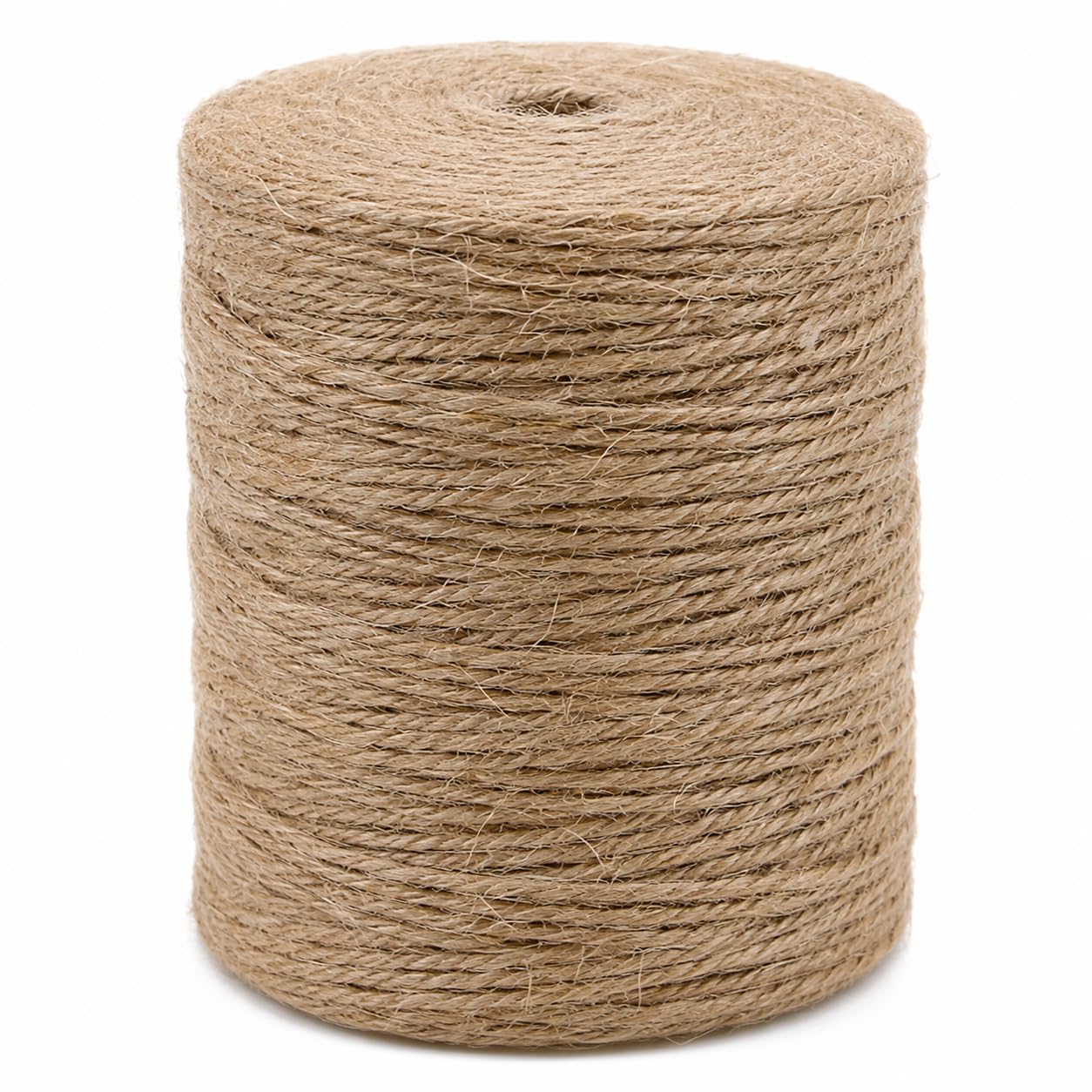
Natural jute twine is useful for tying small greenery bundles, making hanging loops, attaching lightweight accents, finishing bows, and handling other craft or garden tasks. The brown fiber blends naturally with rustic wreath materials and is easier to leave partly visible than bright synthetic cord.
Retail data associated with this ASIN has appeared with different stated spool lengths, so treat package length as a listing-specific detail rather than a permanent specification. For wreath making, the important characteristics are manageable thickness, knotting ability, and sufficient strength for the bundle being tied.
What People Say
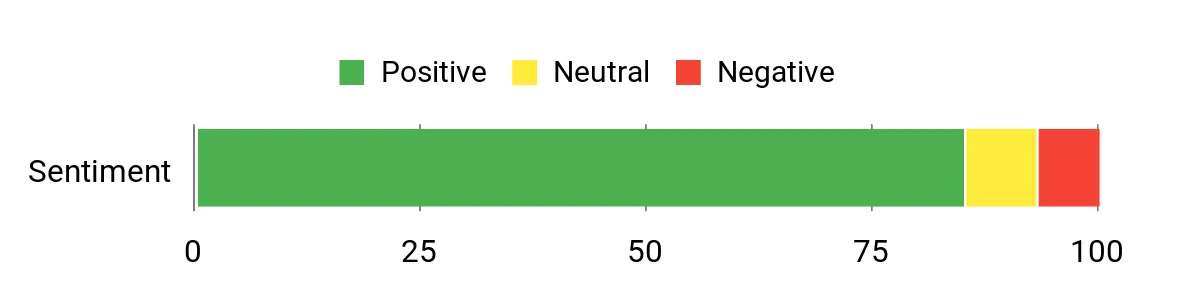
The source review data describes positive feedback about the twine’s usefulness for crafts and tying, while some users reportedly consider it too thin for heavier jobs. That limitation is relevant to wreaths: twine is useful for bundles and light attachments but should not be expected to replace wire for every heavy decoration.
Overall Sentiment in the source data: Positive
Long-Term Cost Benefits
A large spool can serve wreath projects as well as gift wrapping, labeling, light garden tying, and general crafts, so leftover material does not have to be reserved for seasonal use.
Return on Investment
The value comes from versatility. If you already use jute twine for packaging, gardening, or crafts, the same spool can handle many lighter wreath-making tasks.
Situational Benefits
|
Situation |
How It Helps |
|---|---|
|
Securing Green Bundles |
Tie compact bunches before attaching them to the main wreath structure. |
|
Gift Wrapping |
The natural color gives packages and tags a simple handcrafted finish. |
|
Garden Use |
Leftover twine can be used for suitable light tying and bundling jobs in the garden. |
DIY Guide
Cut each piece longer than the visible gap you need to span because knots consume extra length. For greenery bundles, wrap the twine several times around the stems before tying securely.
Hide the knot beneath foliage when you want a cleaner look. For a deliberately rustic wreath, leaving a small amount of visible jute can become part of the design.
Versatility
The same material works for wreath assembly, wrapping, labels, small craft bindings, and appropriate light garden tasks. It is especially useful when you want the fastening material to visually complement natural materials.
Aesthetic Appeal
The warm brown fiber blends with dried stems, grapevine, pinecones, and muted winter palettes rather than creating a bright visual interruption.
Customization Options
|
Feature |
Customization Level |
|---|---|
|
Coloring or Dyeing |
High |
|
Thickness Choice |
Low for this specific listing |
|
Length Per Project |
High |
Problem Solving Ability
Twine gives you a natural-looking alternative to visible synthetic ties and is easy to knot around compact bundles. Its limitation is load: use floral wire or another suitably strong attachment when a decoration is too heavy for twine.
Key Benefits
- Useful for greenery bundles and decorative tying
- Natural brown color works with rustic wreath materials
- Easy to cut to custom lengths
- Useful beyond wreath making for crafts, packaging, and light garden jobs
Rating snapshot from the supplied source data: 4.7/5 (32,513+ reviews at capture; live totals may differ).
Panacea Wire

This green 22-gauge paddle wire is designed for floral and craft attachment work and is useful when twine does not provide enough control. Wire lets you bind greenery bundles directly to a frame and create tighter anchor points for pinecones, ornaments, and other accents.
There is no single universally correct floral-wire gauge for every wreath. University of Georgia Extension demonstrates a wreath project using 20-gauge floral wire, while this product is identified in the supplied listing as 22 gauge. In practice, choose the wire based on the weight of the material and the attachment you need to make.
What People Say
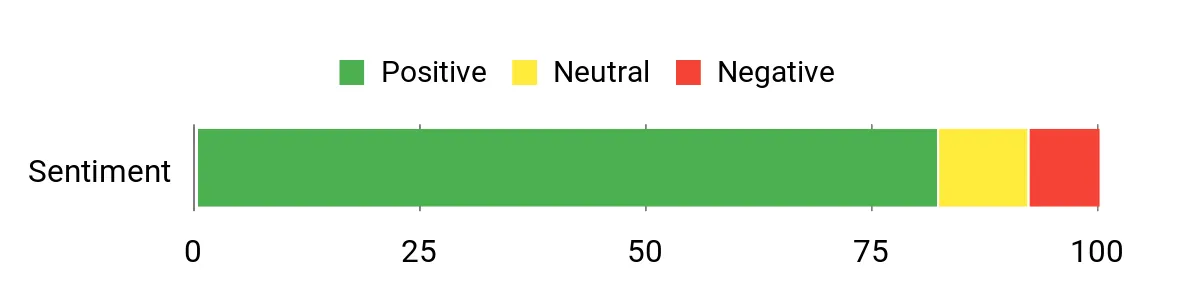
The source review data describes positive feedback about the wire’s usefulness for wreaths, floral work, and garlands. The green finish is also useful aesthetically because it is less noticeable among foliage than bare bright wire.
Overall Sentiment in the source data: Positive
Long-Term Cost Benefits
Wire can reduce the need to rebuild loose sections because it creates tight structural attachments. Any unused wire can also be stored for garlands, floral work, stem repairs, and future wreath projects.
Return on Investment
Its practical value is strongest when your design includes heavier stems or focal pieces that are difficult to secure with twine alone. A stable attachment can save time otherwise spent repeatedly repositioning loose material.
Situational Benefits
|
Situation |
How It Helps |
|---|---|
|
Outdoor Door Wreaths |
Multiple secure wraps can reduce movement of greenery bundles when the wreath is handled or exposed to normal outdoor movement. |
|
Heavy Accents |
Wire can attach pinecones or ornaments directly to structural points rather than relying on foliage for support. |
|
Layered Builds |
Secure foundational bundles before adding decorative outer layers. |
DIY Guide
Use wire cutters to cut manageable lengths. Wrap wire securely around stems and the structural base, then trim excess and bend the cut end inward so it cannot snag hands or surfaces.
For heavier decorations, create a secure wire attachment on the decoration itself and connect it to a strong part of the frame or grapevine base.
Versatility
Floral wire can be used for wreaths, swags, garlands, floral arrangements, and suitable stem repairs. It works with metal frames and natural bases as well as fresh, dried, and artificial materials.
Aesthetic Appeal
The green finish is easier to conceal among evergreen foliage, which helps keep the finished design focused on the plant material and decorative accents.
Customization Options
|
Feature |
Customization Level |
|---|---|
|
Cut Lengths |
High |
|
Twist & Fold Finish |
Moderate |
|
Color Matching |
Moderate |
Problem Solving Ability
Wire is particularly useful for drooping stems, shifting bundles, and loose focal pieces because it can connect them directly to the wreath’s structure.
Key Benefits
- 22-gauge wire offers a controllable fastening option for many floral and wreath tasks
- Green finish is easier to hide beneath foliage
- Coil format allows custom lengths
- Works with both metal and natural wreath bases
Rating snapshot from the supplied source data: 4.6/5 (100+ reviews at capture; live totals may differ).
Sntieecr Large

These approximately 14-inch grapevine wreaths provide a larger natural base for winter decor. You can tuck evergreen sprigs, berries, dried material, ribbon, or lightweight ornaments into the vine and add floral wire where an accent needs stronger support.
The larger diameter gives you more visual presence than the 12-inch option while retaining the same rustic, partially exposed look. For a densely covered wreath, plan on using additional greenery so the larger circumference does not appear sparse.
What People Say
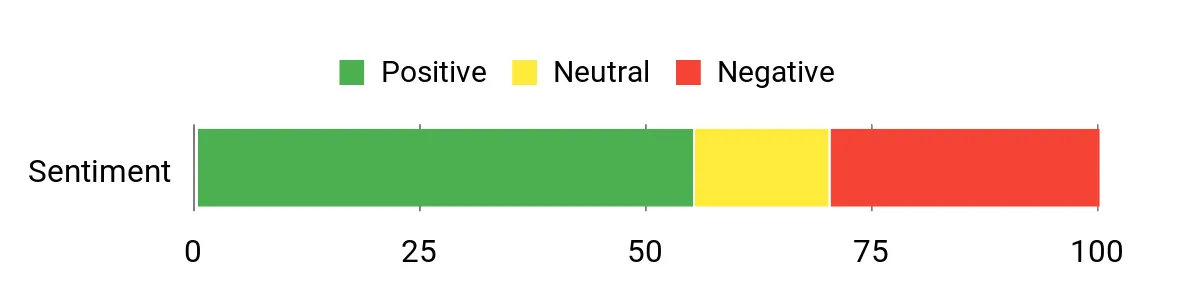
The source review data indicates that buyers generally like the ready-to-decorate vine texture, while some expected a thicker base. That makes these forms particularly suitable for lightweight designs, partial greenery coverage, or projects where visible grapevine is intentional.
Overall Sentiment in the source data: Neutral
Long-Term Cost Benefits
When the base is kept dry and handled carefully, it can be stripped of old decorations and reused with new seasonal material rather than discarded with the foliage.
Return on Investment
The larger grapevine form saves the time required to build a natural-looking base from individual branches. Its reuse value depends on how well the wreath is stored and whether it remains structurally sound.
Situational Benefits
|
Situation |
How It Helps |
|---|---|
|
Quick Door Refresh |
Add several greenery clusters and accents without first constructing the wreath base. |
|
Table Centerpiece |
Lay the wreath flat as a decorative ring around an appropriate centerpiece arrangement. |
|
Practice Designs |
The visible vine structure makes it easy to experiment with asymmetric and partially covered layouts. |
DIY Guide
Trim protruding twigs carefully, then make small greenery bundles and tuck them into the vine structure. Add floral wire wherever the vine alone does not provide enough support. Work around the wreath in one direction if you want a traditional overlapping pattern.
Finish by hiding visible fastening material beneath foliage and adding a hanger or ribbon that is strong enough for the completed wreath.
Versatility
The base works with fresh, dried, or artificial materials and can be used for indoor decor or suitable sheltered outdoor displays. The visible grapevine can also be painted or incorporated directly into the design.
Aesthetic Appeal
The woven vine produces a handcrafted, organic appearance and adds texture even in sections where no greenery is added.
Customization Options
|
Feature |
Customization Level |
|---|---|
|
Filling With Greens |
High |
|
Painting or Spraying |
High |
|
Adding Backing For Fullness |
Moderate |
Problem Solving Ability
The base removes the need to construct a rustic wreath form from scratch and gives you numerous places to tuck small stems. Very heavy designs may still require reinforcement or more substantial structural attachment.
Key Benefits
- Ready-to-use larger rustic base
- Vine structure provides many places to tuck small accents
- Lightweight and easy to reposition during assembly
- Can accept wire or suitable adhesive attachments where required
Rating snapshot from the supplied source data: 4.0/5 (530+ reviews at capture; live totals may differ).
Frequently Asked Questions
What base should I choose for a fresh winter wreath?
Choose a metal wire frame when you want a stable, fully covered wreath with a predictable circular shape and strong attachment points. Choose grapevine when you want natural texture to remain visible or want to tuck lightweight stems directly into the base. Very full or heavy designs generally benefit from stronger structural attachment.
How do I keep fresh greens looking good?
Begin with healthy, flexible greenery and hydrate it before assembly. University Extension guidance recommends keeping cut evergreens away from direct heat and strong sun; light misting can also help. Check the wreath periodically and remove material that becomes very dry, brittle, brown, or loose.
Which fasteners work best for wreath making?
Floral wire is the better choice when you need a tight structural attachment or are securing heavier stems, pinecones, and ornaments. Jute twine is useful for making greenery bundles, decorative ties, and lighter attachments. Many wreath projects use both.
Can I use twine instead of floral wire?
Yes for many lighter jobs, but not necessarily for every attachment. Twine works well for tying small greenery bundles and creating a rustic visible finish. Floral wire gives you more control when a piece is heavy, slippery, or needs to be anchored tightly to a frame.
How long does a fresh evergreen wreath last?
There is no single reliable lifespan because temperature, humidity, sun, wind, plant species, starting freshness, and indoor heating all affect drying. Cool sheltered conditions generally preserve cut greenery better than warm indoor conditions. Replace or remove material once it becomes excessively dry and brittle.
Customer Preference Trends
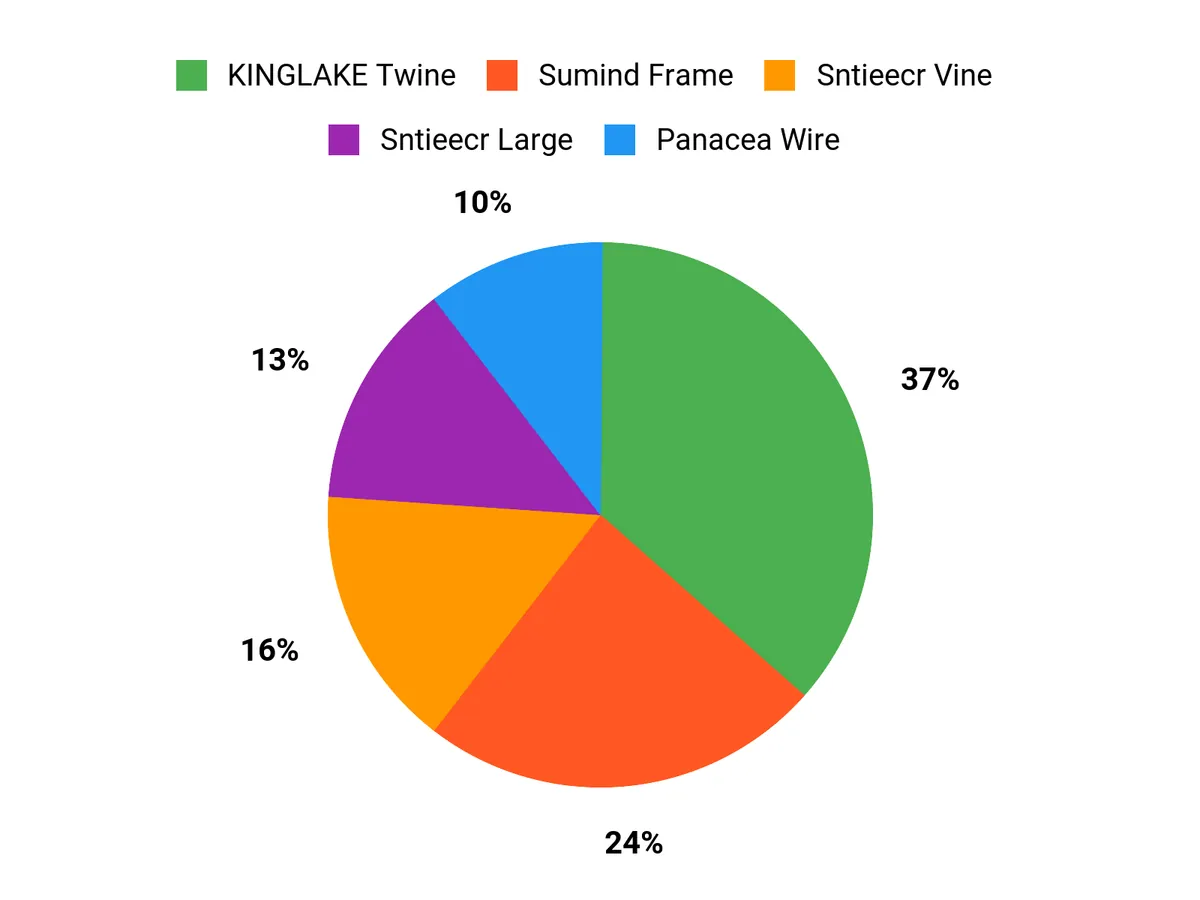
The main choice is not simply which product has the highest rating. Each item serves a different role. A metal frame prioritizes structure, grapevine prioritizes natural texture and fast setup, twine prioritizes flexible tying and appearance, and floral wire prioritizes secure structural attachment.
Repeat crafters may also place more weight on reusable bases and multipurpose fastening supplies, while occasional makers may care more about how quickly a ready-made base gets them to the decorating stage.
Wrapping Up
Start with the base that matches the wreath you want to build. A metal frame gives you strong structure for a fully covered wreath, while grapevine gives you a ready-made natural texture that can remain partly visible. Use floral wire where attachment strength matters and twine where an easy knot or rustic finish makes more sense.
Hydrate fresh greenery before assembly, work with small overlapping bundles, secure heavy accents directly to the base, and keep the completed wreath away from heat and open flame. Reusable frames, grapevine bases, ribbon, and decorative pieces can then be cleaned up and stored for another season.
| Product Name | Image | Rating | Material | Dimensions | Occasion |
|---|---|---|---|---|---|
| Sumind 2 Pack 12 Inch Christmas Wire Wreath Frame |
|
Source snapshot: 4.6/5 (2,952 reviews; live total may differ) | Metal | 11.81″D x 11.81″W x 0.47″H in the supplied product data | Christmas, festival, holiday crafts |
| Sntieecr 2 Pieces 12 Inch Large Natural Grapevine Wreaths |
|
Source snapshot: 4.3/5 (624 reviews; live total may differ) | Grapevine / natural vine materials | About 12″ diameter in the supplied product data | Christmas, Thanksgiving, seasonal crafts |
| KINGLAKE Natural Jute Twine String |
|
Source snapshot: 4.7/5 (32,513 reviews; live total may differ) | Jute | Spool length varies across current listing data; check the live product variation | Craft projects, wreaths, gift wrapping, light tying |
| Panacea Paddle Wire 22 Gauge |
|
Source snapshot: 4.6/5 (100 reviews; live total may differ) | Metal wire | 22-gauge wire in the supplied product data | Floral arrangements, wreaths, garlands, crafting |
| Sntieecr 2 PCS 14 Inch Large Natural Grapevine Wreathes |
|
Source snapshot: 4.0/5 (530 reviews; live total may differ) | Grapevine / natural vine materials | About 14″ diameter in the supplied product data | Christmas, Easter, Halloween, Thanksgiving, seasonal crafts |
This Roundup is reader-supported. When you click through links we may earn a referral commission on qualifying purchases.
Sources
- University of Georgia Extension — Holiday Décor From the Garden — wreath supplies, greenery hydration, assembly, misting, and heat/sun placement guidance.
- University of Illinois Extension — Extending the Life of Cut Evergreens — storage, hydration, drying, heat, sunlight, and fire-safety guidance.
- University of Illinois Extension — Decorate Safely for the Holidays — fresh-greenery drying and heat/fire precautions.
- Federal Trade Commission — Endorsement Guides: What People Are Asking — clear and conspicuous affiliate-disclosure guidance.