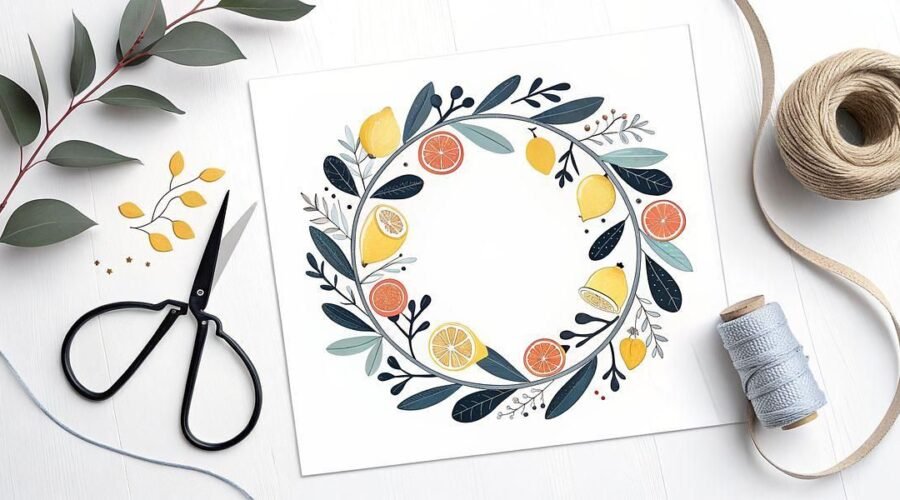
A good lemon wreath needs more than attractive faux fruit. The wreath base must support the weight, the greenery should hide attachment points, and heavier lemon stems should be secured with wire before hot glue is used as reinforcement. Choosing the right tools and materials makes the project faster, cleaner, and much less likely to come apart after it is hung.
Quick Answer
To make a lemon wreath, start with a grapevine or wire wreath form, faux greenery, artificial lemon stems, floral wire, a hot glue gun, glue sticks, and optional jute or ribbon. Arrange everything before attaching it, wire heavier stems to the base, then use small dabs of hot glue to reinforce and hide the connections.
Key Takeaways
- Use floral wire as the main structural fastener for heavier lemon stems; hot glue works best as reinforcement.
- Dry-fit the lemons, greenery, bow, and other accents before making permanent attachments.
- A cordless glue gun is convenient for detailed craft work, but correct glue-stick size and safe handling matter more than portability alone.
- Natural jute and faux stems without an explicit outdoor rating are safest on indoor doors or sheltered porches.
- Check the finished wreath vertically before hanging it so you can correct loose stems, heavy clusters, or visible attachment points.
At a Glance
| Time Required | About 45–90 minutes for a basic wreath, depending on size and detail |
| Difficulty | Beginner |
| Tools Needed | Hot glue gun, compatible glue sticks, wire cutters, scissors, floral wire, and a protected work surface |
| Cost | Varies by wreath size and how many tools or decorative supplies you already own |
Warning: A hot-glue nozzle and freshly melted adhesive can cause burns. Work on a stable, heat-resistant surface, keep fingers away from fresh glue, keep the tool away from children unless closely supervised, and power it down when you stop working. The HOTO EasyFlow manufacturer currently lists an operating temperature of about 320°F.
Top Picks
The scores below are editorial fit scores for this specific lemon-wreath project. They reflect usefulness, handling, material compatibility, convenience, and value rather than standardized laboratory testing.
|
Category |
Product |
Editorial Score |
|---|---|---|
|
🏆 Best for Higher-Volume Gluing |
90/100 |
|
|
🔋 Best Lightweight Cordless Option |
82/100 |
|
|
🎨 Best Faux Lemon Stems |
86/100 |
|
|
💰 Best Value Twine |
94/100 |
How We Chose These Supplies
The most useful lemon-wreath supplies are not necessarily the most expensive ones. For glue guns, the important factors are warm-up time, glue-stick compatibility, controlled application, handling, power options, and safety features. For decorative stems, the priorities are appearance, flexibility, weight, and how easily they can be wired into a wreath. For twine, length, thickness, knot holding, and visual fit matter most.
We also considered whether each item serves a clear role in the finished project. The ratings are therefore project-fit scores rather than claims that one product is universally better than another.
Note: Marketplace prices, ratings, package contents, colors, and review totals can change. Confirm the current listing and selected variant before ordering.
Complete Lemon Wreath Supplies Checklist
A reliable basic kit includes:
- Wreath form: Grapevine, wire, or another sturdy decorative wreath base.
- Artificial lemon stems: Enough to create either a small accent cluster or a fuller citrus design.
- Faux greenery: Eucalyptus, olive-style foliage, magnolia-style leaves, or similar greenery that can hide attachment points.
- Floral wire: Use this for structural attachment of stems and heavier decorations.
- Hot glue gun and compatible sticks: Use glue mainly to reinforce connections and stabilize lightweight pieces.
- Wire cutters: For floral wire and wired artificial stems.
- Scissors: For ribbon, jute, and light decorative materials.
- Jute twine or ribbon: Optional for bows, hanging loops, wrapped accents, or a farmhouse finish.
- Wreath hanger: Check door thickness and clearance before choosing one.
The University of Georgia Extension uses floral wire and hot glue when attaching fruit and greenery to wreaths, while Cornell’s wreath-making guidance recommends laying out decorations before fixing them permanently. These techniques work especially well for faux lemon wreaths because they let you position the visual weight before committing to the final arrangement.
Pro Tip: Do not rely on a blob of hot glue to carry the entire weight of a lemon cluster. Wrap or anchor the main stem with floral wire first, then use a small amount of glue to stop movement and hide the connection under foliage.
How to Make a Lemon Wreath
1. Choose and Inspect the Wreath Base
Pick a wreath form that feels rigid enough for the amount of faux fruit you plan to add. Grapevine forms are convenient because stems and wire can be tucked between the vines, while wire forms work well when the greenery itself creates most of the wreath’s volume.
Before decorating, hold the bare form against the door or wall where it will hang. Make sure there is enough clearance for the finished depth of the lemons, greenery, and bow.
2. Separate and Shape the Greenery
Divide large greenery sprays into smaller sections if needed. Bend wired stems into gentle curves that follow the wreath instead of sticking straight outward.
Start with the largest greenery pieces and overlap them in one consistent direction. Leave some of the wreath base visible if you want a lighter farmhouse look.
3. Dry-Fit the Lemon Stems
Place the artificial lemons on the wreath without glue. Try a balanced arrangement, an asymmetrical cluster, or several smaller groups. Step back and look at the wreath from a few feet away before fastening anything.
Keep the heaviest clusters close to strong parts of the base. If one side becomes much heavier than the other, the wreath may rotate after hanging.
4. Secure the Main Stems With Floral Wire
Wrap floral wire around each important stem and the wreath base two or three times. Pull it snug enough to stop movement without crushing the decorative stem. Twist the wire ends together on the back and trim excess wire with cutters.
For a heavier lemon cluster, use more than one attachment point instead of depending on a single wire loop.
5. Reinforce With Hot Glue
Once the arrangement is mechanically secure, add small dabs of hot glue where stems meet the wreath or where lightweight leaves need to stay in position. Hold the piece with a tool or by a cool section of the stem rather than touching fresh adhesive.
Let each joint cool before rotating the wreath.
6. Hide Attachment Points
Tuck leaves, smaller greenery pieces, blossoms, or decorative jute over visible wire and glue. Avoid covering attachment points with large amounts of glue because excess adhesive is harder to conceal.
7. Add Jute, Ribbon, or a Bow
Use jute for a rustic look or wired ribbon for a more structured bow. Attach a large bow with wire when possible so it can be removed or repositioned later.
8. Test the Wreath Vertically
Hold or hang the wreath upright before declaring it finished. Check for lemons that rotate downward, greenery that slides, visible wires, empty patches, or a heavy side that pulls the wreath off-center.
Make final adjustments, let any fresh glue cool completely, and then move the wreath to its display location.
For a more durable wreath, let floral wire carry the structural load and use hot glue as reinforcement rather than the only fastener.
Troubleshooting Common Lemon Wreath Problems
The Lemons Keep Tilting Down
Add a second floral-wire attachment closer to the fruit cluster. A single tie near the end of a long stem can act like a hinge and allow the lemons to rotate.
The Wreath Looks Uneven
Hang it temporarily and view it from several feet away. Move one or two lemon clusters or add greenery to the lighter-looking side rather than filling every empty space.
Hot Glue Is Visible
Let the glue cool, trim removable strings, and hide the joint with a leaf, small greenery stem, ribbon tail, or jute wrap. Use smaller glue dabs on the remaining connections.
Stems Slide Out of a Grapevine Base
Thread the stem deeper between vines, then secure it with floral wire around a solid section of the wreath. Glue alone may not prevent a smooth stem from sliding.
The Wreath Rotates on the Door
Check whether one side is carrying most of the fruit. Reposition a cluster if possible, or adjust the hanging point so the wreath rests level.
HOTO Easyflow

The HOTO EasyFlow is the better fit here when you expect to make several wreaths or have many repeated glue points. HOTO currently lists a roughly 30-second preheat, a 3000mAh battery, cordless or plug-in operation, 40 included glue sticks, and an automatic dispensing system.
HOTO also specifies standard 7 mm glue sticks and says the battery can process up to about 28 sticks per charge. That combination makes the EasyFlow more convenient for longer craft sessions than a small manual glue gun, while its automatic feed reduces repeated trigger squeezing.
What People Say
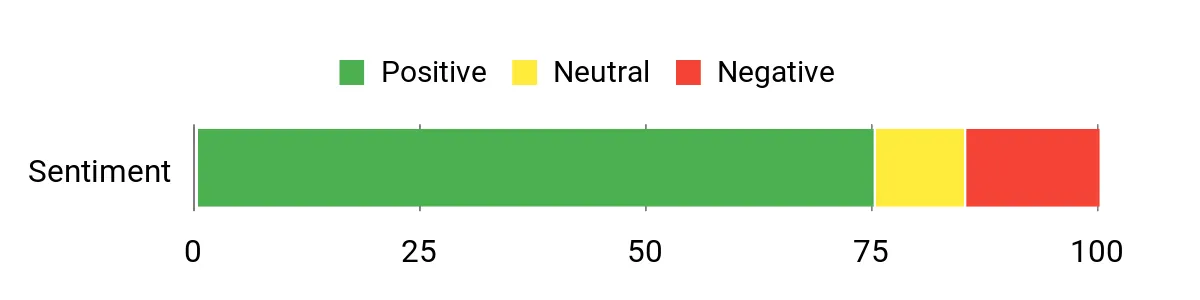
The review snapshot supplied with this article emphasizes quick heating, smooth dispensing, and cordless convenience. It also notes complaints about glue consumption and occasional reliability problems. Because marketplace reviews and product revisions change over time, treat this summary as directional rather than a permanent measure of customer satisfaction.
Overall Sentiment in the supplied review snapshot: Positive
Long-Term Value
The main value is convenience rather than guaranteed financial savings. The auto-feed mechanism, dual-power option, and large starter pack of sticks make sense for someone who crafts regularly. If you only make one small wreath each year, a simpler glue gun can still do the job.
Return On Investment
For frequent wreath-making, school projects, seasonal décor, and household crafts, the EasyFlow’s faster setup and automatic feed can justify the higher tool cost. Occasional users should weigh those conveniences against how often the tool will actually be used.
DIY Tips
Use short glue applications instead of flooding the joint. Wire the lemon stem first, add glue only where movement remains, and let the adhesive cool before rotating the wreath.
HOTO advises using 7 mm sticks and cautions against forcibly pulling leftover sticks from the tool.
Versatility
The EasyFlow is intended for general craft and DIY bonding. Surface texture, weight, temperature, and the type of glue stick still affect bond strength, so test unfamiliar materials before depending on the joint.
Aesthetic Appeal
Controlled application helps keep visible joints small. That matters on lemon wreaths because glossy fruit and open foliage can make large glue blobs easy to notice.
Customization Options
|
Feature |
Customization Level |
|---|---|
|
Glue Stick Colors |
Moderate — compatible 7 mm sticks provide options |
|
Cordless vs Plug-In Use |
High |
|
Glue Output |
Moderate — control application with short button presses |
|
Stick Size Compatibility |
Limited — designed for 7 mm sticks |
Expertise Level
Beginner to Intermediate
Ease Of Assembly
Charge or connect the tool, insert the correct glue stick, power it on, and wait for the heating indicator. The manufacturer currently lists a preheat time of about 30 seconds. New users should practice on scrap material first so they can judge how much glue is released with each press.
Key Benefits
- Approximately 30-second preheat
- Cordless or plug-in operation
- Automatic glue feeding
- Includes 40 glue sticks in the current manufacturer specification
- Uses standard 7 mm sticks
- Five-minute idle auto-shutoff listed by HOTO
Rating snapshot: The supplied draft listed 4.2/5 from 403+ reviews. Marketplace ratings and review totals change, so check the live listing for the current figure.
HOTO Mini
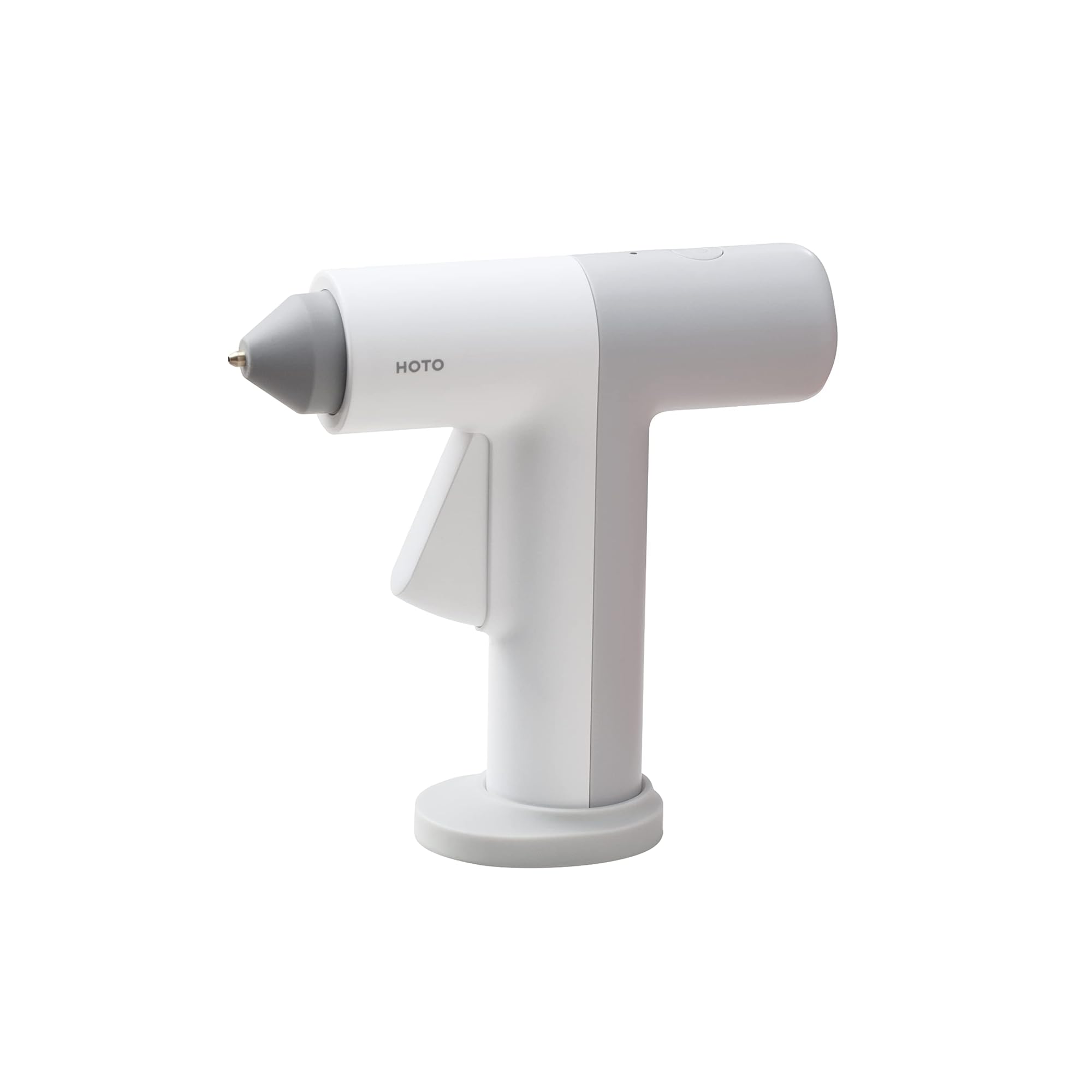
The HOTO Mini is the lighter, simpler option for wreath touch-ups and occasional craft work. HOTO currently lists a 30-second heat-up, USB-C charging, a 2000mAh rechargeable battery, approximately 195 g weight, a five-minute idle shutoff, and 10 included glue sticks.
Its cordless body is especially convenient when you need to rotate a wreath frequently or work somewhere that does not have an outlet directly beside the table.
What People Say
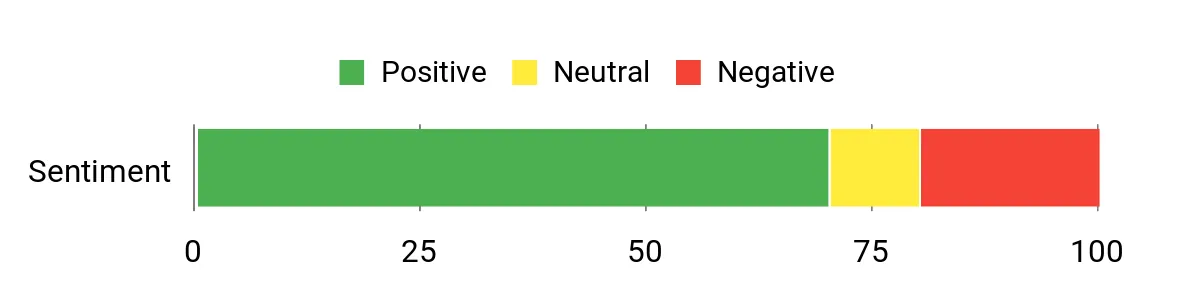
The supplied review summary highlights the lightweight body, quick warm-up, and tidy application. It also records reports of limited battery endurance for some users and occasional durability complaints. These comments should be treated as a changing review snapshot rather than fixed product-performance data.
Overall Sentiment in the supplied review snapshot: Neutral
Long-Term Value
The Mini makes the most sense when portability and occasional craft use matter more than maximum glue output. USB-C charging and its compact size make it easy to keep with other craft supplies.
Return On Investment
If most of your projects involve small wreaths, cards, lightweight decorations, or quick household crafts, the lower-complexity design may be all you need. Frequent high-volume users may prefer the automatic EasyFlow instead.
DIY Tips
Charge the tool before beginning a larger wreath. Secure heavier lemon stems with wire first, then use small glue dabs to stabilize them. This reduces the amount of hot glue you need and makes the structure easier to repair later.
Keep spare compatible sticks nearby so you do not have to stop in the middle of a cluster.
Versatility
The HOTO Mini is designed for common craft materials and small repair jobs. For heavy, smooth, flexible, or heat-sensitive materials, test the adhesive on a hidden area before using it on the finished wreath.
Aesthetic Appeal
Its small nozzle and controlled manual feed are useful when the attachment point is visible. Short applications also reduce glue strings that may otherwise catch between leaves and faux fruit.
Customization Options
|
Feature |
Customization Level |
|---|---|
|
Colored Glue Sticks |
Moderate |
|
Charging Method |
USB-C |
|
Battery Capacity |
Fixed — 2000mAh manufacturer specification |
|
Nozzle Control |
Manual feed for controlled application |
Expertise Level
Beginner to Hobbyist
Ease Of Assembly
Charge the glue gun through USB-C, insert a compatible stick, power it on, and wait for the heating indicator. HOTO currently specifies approximately 30 seconds of warm-up time. Practice one or two glue applications on scrap material before working near visible lemon surfaces.
Key Benefits
- Approximately 30-second heat-up
- About 195 g according to HOTO’s current specification
- USB-C rechargeable 2000mAh battery
- Five-minute idle auto-shutoff
- Includes 10 glue sticks in the current manufacturer listing
Rating snapshot: The supplied draft listed 4.0/5 from 1,706+ reviews. Current marketplace totals vary by listing, region, and capture date, so use the live listing for an up-to-date rating.
BFYDOAA Lemons

These artificial lemon branches supply the visual focal point of the wreath. The five-piece version is sold with yellow faux lemons, green leaves, small flowers, and flexible wired stems that can be bent or trimmed for arrangements.
The fruit is described in current listings as foam with a plastic coating or plastic components rather than solid plastic fruit. Because package variants can change, confirm the length, stem count, and selected style on the current listing.
What People Say
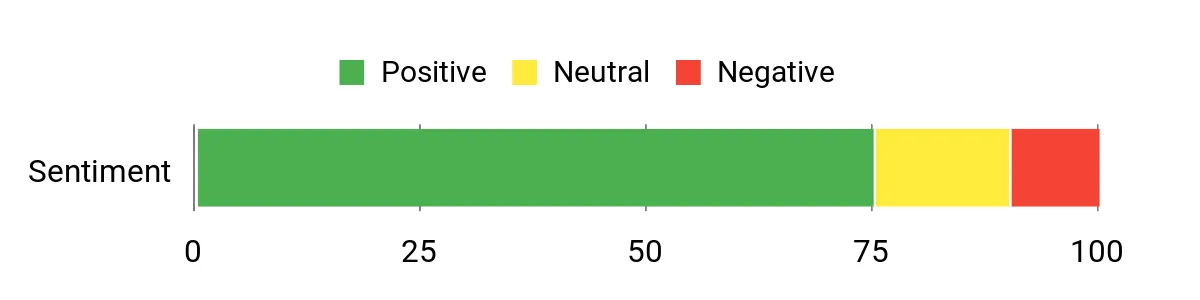
The supplied review snapshot says buyers generally liked the bright appearance and decorative value, while some thought the fruit looked smaller or smoother than expected. It also records occasional reports of leaves or lemons becoming detached during handling.
Overall Sentiment in the supplied review snapshot: Positive
Long-Term Value
Artificial stems can be reused in wreaths, vases, and table arrangements if they are stored without crushing the leaves or fruit. Check the wired stems and attachment points before each reuse.
Return On Investment
A reusable five-stem set offers more flexibility than single-use fresh fruit because the branches can move between seasonal wreaths and indoor arrangements. The value is highest if you regularly refresh your décor.
DIY Tips
Bend each wired stem to follow the curve of the wreath, then secure it to the base with floral wire. Add a small dab of hot glue only where extra stabilization is needed. Tuck leaves over the wire and glue so the fastening points disappear.
Versatility
The branches can work in wreaths, vases, table arrangements, baskets, and other decorative displays. Unless your exact selected variant is specifically labeled UV- and weather-resistant, treat it as indoor or sheltered-outdoor décor rather than leaving it exposed to constant sun and rain.
Aesthetic Appeal
The bright yellow fruit gives a wreath an immediate spring or summer focal point and contrasts well with darker greenery. Mixing lemon heights instead of lining the fruit up evenly creates a more natural arrangement.
Customization Options
|
Feature |
Customization Level |
|---|---|
|
Trim Pairings |
High |
|
Attachment Method |
High — floral wire plus optional glue |
|
Surface Painting |
Limited — test coatings on a hidden area first |
|
Stem Bending or Trimming |
High |
Expertise Level
Beginner
Ease Of Assembly
Dry-fit the branches, bend the wired stems to match the wreath’s curve, and secure them with floral wire. Add glue only after you are happy with the position. Handle the fruit and leaves by the stems whenever possible instead of pulling directly on decorative pieces.
Key Benefits
- Five artificial lemon branches in the referenced package
- Flexible wired stems for shaping
- Strong yellow-and-green contrast for spring and summer décor
- Reusable in wreaths, vases, and other arrangements
Rating snapshot: The supplied draft listed 4.4/5 from 20+ reviews. Check the live marketplace listing for the current rating and review count.
Micomon Jute

Micomon’s jute twine is useful both as a functional tie and as part of the wreath’s farmhouse styling. Current listings for the line describe approximately 300 feet of natural jute twine, with versions around 2.1 mm thick and 3-ply construction.
For the wreath itself, floral wire should still carry heavy structural loads. Use the jute for visible wraps, small bows, bundled stems, hanging details, and decorative finishing.
What People Say
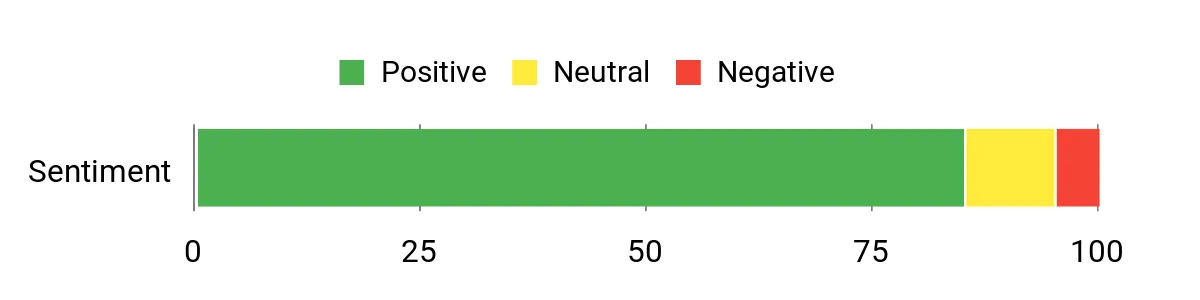
The supplied review summary highlights strength, knot holding, length, and natural-looking color. It also mentions occasional differences between expected and received shades, which can matter when the twine is being used decoratively rather than hidden behind foliage.
Overall Sentiment in the supplied review snapshot: Positive
Long-Term Value
A 300-foot spool can cover many small craft projects, gift-wrapping jobs, bows, and wreath accents. Store it dry so the natural fiber stays clean and easy to handle.
Return On Investment
Because each wreath uses only a small part of a long spool, the material cost per project can remain low. Its broader usefulness for packages, crafts, and light garden tying also makes it easier to use leftover twine.
DIY Tips
Wrap decorative stems two or three times, tie the knot on the back of the wreath, and tuck the cut ends under nearby greenery. Double the twine for a thicker decorative wrap, but use floral wire for heavy lemon clusters that need strong mechanical support.
Versatility
Jute works well for wreath finishing, gift wrapping, tags, small bows, craft bundles, and light garden tasks. Natural plant fibers can absorb moisture, so decorative jute will usually stay cleaner and neater when a wreath is displayed indoors or under cover.
Aesthetic Appeal
The natural brown fiber adds texture without competing with yellow lemons and green foliage. It works especially well when the goal is farmhouse, cottage, rustic, or casual spring décor.
Customization Options
|
Feature |
Customization Level |
|---|---|
|
Color Choices |
Varies by current listing and selected variant |
|
Cut Lengths |
High |
|
Dyeing or Painting |
Moderate — test first if appearance matters |
|
Layering or Doubling |
High |
Expertise Level
Beginner
Ease Of Assembly
Cut the required length, wrap it around the stem or wreath, and tie the knot on the back. The textured fiber helps decorative knots stay in position, but wire remains the better choice for securing heavier fruit.
Key Benefits
- Approximately 300 feet per referenced spool
- Natural jute construction
- Useful for wraps, bows, and decorative ties
- Works across wreaths, gift wrapping, crafts, and light garden tasks
Rating snapshot: The supplied draft listed 4.7/5 from 174+ reviews. Check the live listing for the current rating, color option, and review count.
Frequently Asked Questions
What supplies do I need for a lemon wreath?
The core supplies are a wreath form, artificial lemon stems, faux greenery, floral wire, wire cutters, a hot glue gun, compatible glue sticks, and scissors. Jute or ribbon is optional for bows and decorative wrapping. A wreath hanger is also useful if the finished piece will go on a door.
How do I keep artificial lemons from falling off a wreath?
Secure the main lemon stem to the wreath with floral wire first. Add a second wire point if the cluster can rotate, then use a small dab of hot glue to prevent movement. Let the glue cool before hanging the wreath and hide the attachment with leaves or smaller greenery.
Can I use these materials outdoors?
Use them outdoors only according to the individual product’s rating. If faux fruit, greenery, adhesive, or jute is not specifically labeled for UV and weather exposure, an indoor location or covered porch is the safer choice. Repeated rain, moisture, heat, and strong sunlight can shorten the appearance and life of decorative materials.
What size wreath base should I use?
A base in roughly the 14- to 18-inch range works for many standard-door projects, but the best size depends on the door and the amount of greenery you plan to add. Measure the display area and check storm-door or screen-door clearance before building a deep wreath.
How many artificial lemon stems do I need?
It depends on wreath size and design density. One five-stem package can create a noticeable accent on a lightly decorated wreath, while a dense citrus wreath may require additional stems. Dry-fit the first package before ordering more so you can judge the actual coverage.
What size glue sticks does the HOTO EasyFlow use?
HOTO specifies 7 mm glue sticks for the EasyFlow. Use the correct diameter rather than trimming oversized sticks, and follow the instructions supplied with the tool.
Customer Preferences
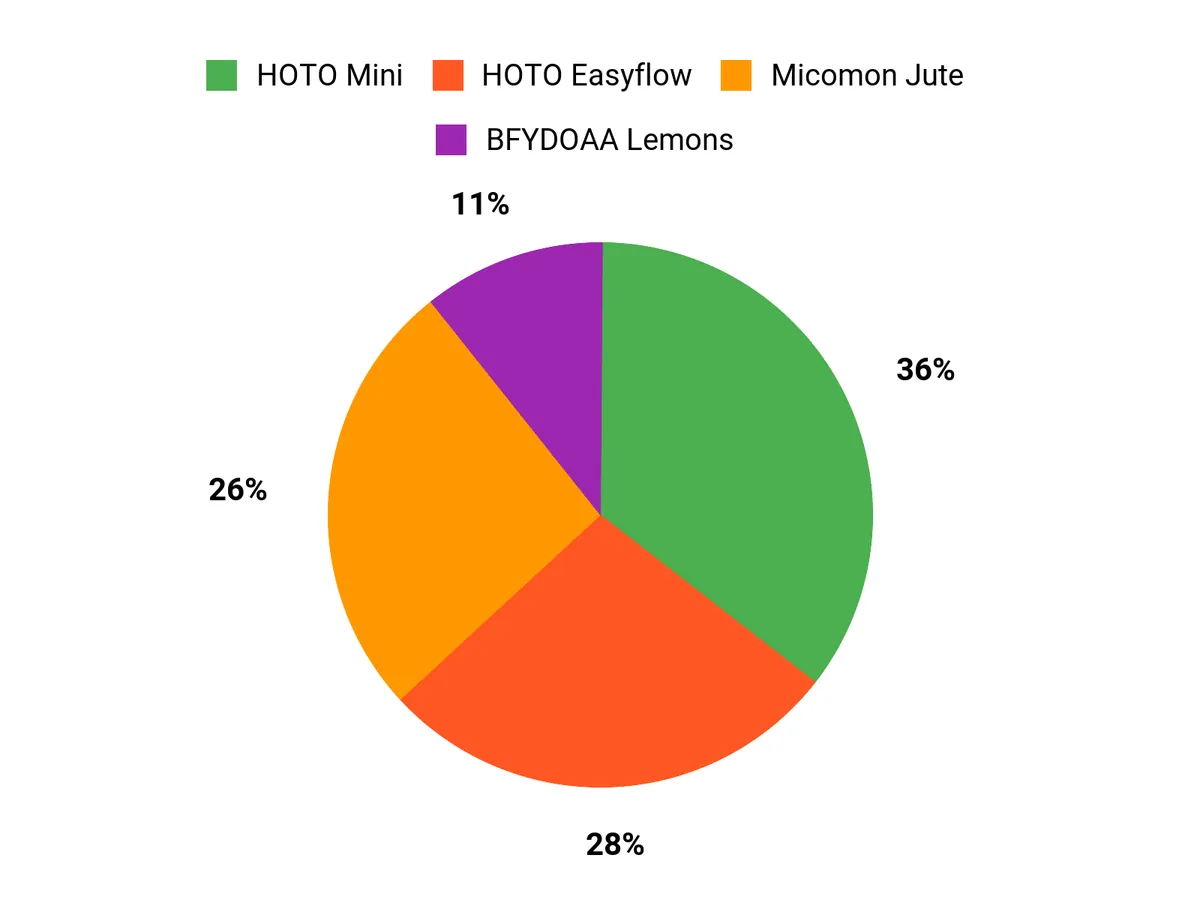
If your priority is repeated glue application and longer craft sessions, the HOTO EasyFlow offers automatic dispensing and cordless or plug-in use. If low weight and straightforward cordless operation matter more, the HOTO Mini is the simpler choice. BFYDOAA lemon branches provide the main citrus focal point, while Micomon jute adds a natural decorative finish and can help bundle lightweight stems.
Side-by-Side Comparison
| Product Name | Image | Rating Snapshot | Material | Dimensions / Size | Relevant Materials or Uses |
|---|---|---|---|---|---|
| HOTO Easyflow Hot Glue Gun, Auto Dispensing Glue Gun (40 Glue Sticks) |
|
Supplied draft: 4.2/5 (403 reviews); verify current live rating | Plastic housing | Approx. 135 × 127 × 35 mm |
|
| HOTO Cordless Hot Glue Gun, Mini Hot Glue Gun & 10 Colored Glue Sticks |
|
Supplied draft: 4.0/5 (1,706 reviews); verify current live rating | Plastic and heat-resistant exterior components | Approx. 5.31″L × 1.37″W × 5″H; about 195 g |
|
| BFYDOAA 5pcs Artificial Lemon Branches |
|
Supplied draft: 4.4/5 (20 reviews); verify current live rating | Foam/plastic decorative fruit with artificial foliage and wired stems | Referenced five-piece version is approximately 68 cm / 27 in long; verify selected variant |
|
| 300 Feet Natural Jute Twine for Arts, Crafts, Gifts |
|
Supplied draft: 4.7/5 (174 reviews); verify current live rating | Natural jute | Approximately 300 feet per referenced spool |
|
Sources
- HOTO — Cordless Auto-Dispensing Glue Gun — EasyFlow preheat, battery, dual-power operation, included sticks, temperature, and safety-feature specifications.
- HOTO — Cordless Manual-Feeding Glue Gun — HOTO Mini heat-up, USB-C charging, battery, weight, included sticks, and auto-shutoff specifications.
- University of Georgia Extension — Creating a Classic Williamsburg Wreath — supports using floral wire and hot glue when attaching fruit and greenery to a wreath.
- Cornell University — Wreath-Making Tutorial — supports wiring greenery securely and arranging decorations before attaching them.
- U.S. Consumer Product Safety Commission — Glue Gun Recall Safety Information — documents potential fire and burn hazards associated with malfunctioning hot-glue tools.
- Penn State — Effect of Moisture on Bio-Based Fiber Materials — supports the general moisture sensitivity of jute-containing natural-fiber materials.
Wrapping Up
For a dependable lemon wreath, start with the structure rather than the decoration. Secure heavier stems with floral wire, reinforce only where needed with hot glue, and check the entire arrangement vertically before it goes on the door.
The HOTO EasyFlow is the stronger fit when you want automatic dispensing and cordless or plug-in flexibility. The HOTO Mini keeps the tool lighter and simpler for occasional crafting. BFYDOAA lemon branches provide the visual centerpiece, while Micomon jute adds a rustic finishing material for bows, wraps, and light ties.
Most importantly, dry-fit the entire design first. A few minutes spent checking balance, spacing, and attachment points will usually produce a cleaner-looking wreath than trying to correct the layout after every piece has been glued in place.
This Roundup is reader-supported. When you click through qualifying affiliate links, we may earn a referral commission at no additional cost to you.