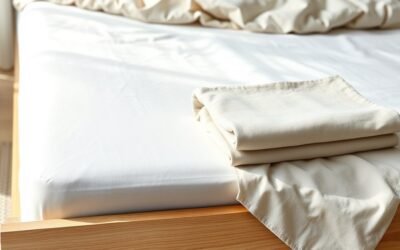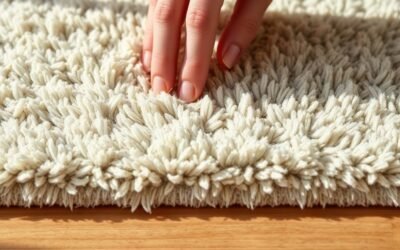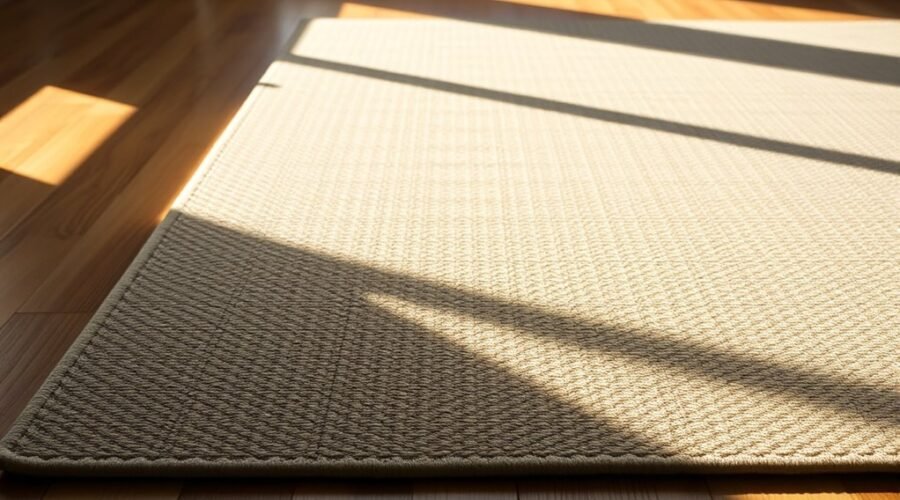
A flatweave rug is a thin, pile-free rug made by weaving warp and weft yarns together rather than building a raised surface of knots or tufts. Its low profile makes it useful beneath dining chairs, near doors, in entryways, and anywhere a thick rug feels bulky. The material still matters, though: wool, cotton, jute, sisal, and synthetic flatweaves can feel and perform very differently.
Quick Answer
A flatweave rug is a pile-free rug made by interlacing warp and weft yarns on a loom, so the surface stays thin and firm rather than plush. Flatweaves are easy to place under furniture and doors, but comfort, reversibility, cleaning, and outdoor suitability depend on the fiber, weave, backing, and manufacturer’s care instructions.
Key Takeaways
- Flatweave describes a pile-free construction, not one particular fiber or design style.
- Warp and weft yarns form the rug’s surface, giving it a thin, firm, low-profile feel.
- Wool, cotton, jute, sisal, polyester, polypropylene, and blends can all be used, with different comfort and care needs.
- Some flatweaves are reversible, but reversibility is not guaranteed.
- A thin non-slip rug pad is usually useful on smooth hard floors.
- Cleaning instructions should follow the fiber and manufacturer’s care label; jute and sisal generally should not be saturated with water.
What Is a Flatweave Rug
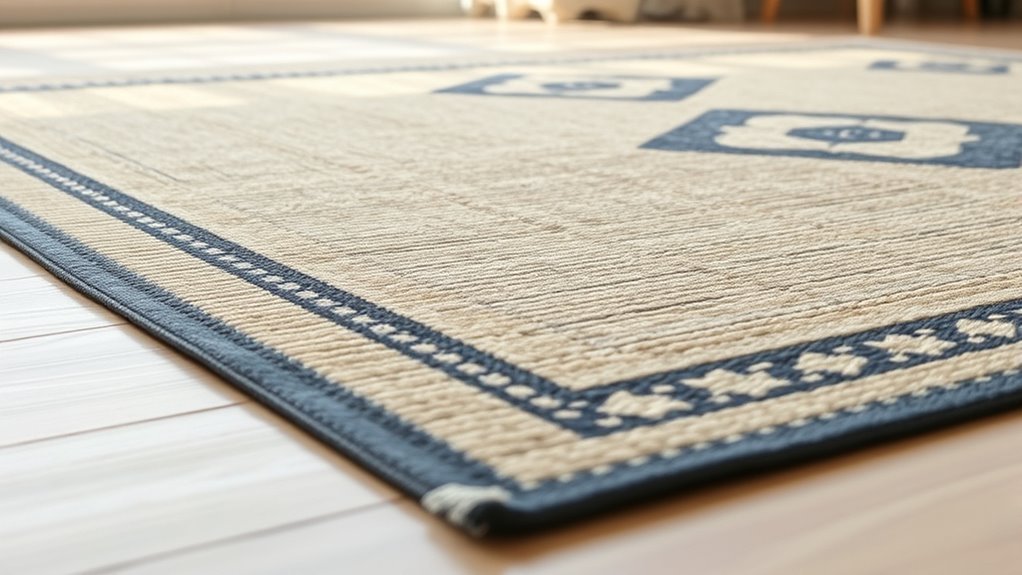
A flatweave rug is made without the upright pile found on many knotted or tufted rugs. Instead, yarns running lengthwise and crosswise form the visible textile itself. Traditional flat-woven textiles such as kilims show how varied these structures can be; Encyclopaedia Iranica documents flat-woven carpet traditions using horizontal and vertical looms and several weave structures.
The result is usually thinner and firmer than a plush rug. That low profile can help a rug fit under doors, dining chairs, furniture legs, or layered arrangements where extra thickness would be inconvenient.
Flatweave is a construction category, not a material. A wool flatweave can feel warm and slightly springy, cotton can feel softer and more casual, jute and sisal feel drier and more textured, and synthetic fibers can be engineered for different levels of stain or weather resistance.
Some flatweaves have nearly identical finished surfaces on both sides and can be reversed. Others have a defined front and back because of their weaving technique, backing, fringe, or finishing. Check the product description before assuming a rug can be flipped.
Flatweave describes how a rug is built, not what it is made from. Fiber, weave density, finishing, and intended use determine how the finished rug actually performs.
How Flatweave Rugs Are Made
Flatweave rugs are made on a loom. The lengthwise foundation yarns are called the warp, while the yarns crossing them are called the weft. By interlacing these yarns rather than creating an upright pile, the weaver builds a relatively thin textile surface.
Traditional flat-woven rugs can use several techniques rather than one universal recipe. The Metropolitan Museum of Art’s overview of weaving techniques shows the distinction between flat-woven tapestry, pile, and other wrapping and weaving methods.
Warp And Weft Interlacing
The warp yarns are tensioned on the loom, and the weft travels across them to form the body of the rug. Changes in yarn color, direction, density, and weaving method create the visible pattern and texture.
Because there is no tall upright pile, the design is closely integrated with the woven structure. Geometric motifs, stripes, fields of color, and subtle textural effects can all be produced this way.
Wool, cotton, jute, sisal, synthetic fibers, and blends may be used. Each changes the hand, weight, moisture sensitivity, shedding tendency, and care requirements of the finished rug.
Loom Construction Process
Making a flatweave begins by setting the warp yarns under controlled tension. Weft yarns are then passed across the warp and packed into place. The exact method varies by rug tradition and design.
Handwoven pieces may show slight changes in line, spacing, or yarn thickness. These variations can be normal evidence of handmade construction rather than manufacturing defects.
Machine-woven flatweaves can create a more uniform surface and are also available in natural, synthetic, and blended fibers. Construction method alone does not tell you whether a rug is durable, washable, reversible, or suitable for outdoor use, so those specifications should be checked separately.
What Flatweave Rugs Feel Like
Underfoot, a flatweave generally feels firm, thin, and textile-like rather than deep or cushioned. The lack of raised pile keeps the surface close to the floor, but the actual feel changes significantly with the fiber.
| Material | Typical Feel | Practical Character |
|---|---|---|
| Wool | Warm, resilient, moderately soft | Comfortable for living and dining spaces |
| Cotton | Soft, flexible, casual | Often lightweight; care varies by product |
| Jute | Dry, textured, earthy | Natural look; sensitive to excess moisture |
| Sisal | Firm, coarse, structured | Crisp texture; moisture requires caution |
| Synthetic | Varies by fiber and weave | Some are designed for washable or outdoor use |
If you want noticeably more cushioning, a flatweave alone may feel too firm. A properly sized rug pad can add grip and a modest amount of softness without destroying the rug’s low-profile appearance.
Flatweave vs. Tufted Rugs
The biggest difference between a flatweave and a tufted rug is construction. Flatweaves form the surface through weaving, while tufted rugs create pile by inserting yarn through a backing.
The Carpet and Rug Institute explains that tufting uses needles to push pile yarn through primary backing; the yarn may remain looped or be cut to create different pile styles.
Construction and Structure
A flatweave has little or no upright pile, so its woven structure remains visually exposed and relatively thin. Depending on technique, it may have two usable faces or a clear front and back.
A tufted rug builds a raised surface above its backing. That added pile can provide more softness, loft, and visual depth.
Neither construction is automatically higher quality. Fiber, yarn quality, density, backing, finishing, traffic level, and care all influence how long a rug performs well.
Texture and Performance
Flatweaves are useful when furniture clearance, easy chair movement, or a low visual profile matters. Their surface is also generally straightforward to vacuum because debris cannot settle into deep pile.
Tufted rugs can provide more cushioning and softness. Depending on the pile style, however, they may require more attention when vacuuming or moving furniture across the surface.
Choose between them based on the room rather than assuming one construction is universally more durable than the other.
| Feature | Flatweave | Tufted Rug |
|---|---|---|
| Surface | Pile-free or nearly pile-free | Raised loop or cut pile |
| Underfoot feel | Firm and low-profile | Usually softer and more cushioned |
| Furniture clearance | Usually excellent | Depends on pile height |
| Reversible | Some designs | Usually no |
| Cleaning | Fiber-specific; surface is easy to access | Fiber- and pile-specific |
Why Choose a Flatweave Rug
A flatweave makes sense when you want a floor covering that adds color and texture without much height. It can work especially well under dining furniture, in hallways, near door swings, or in rooms where a thick rug would feel cumbersome.
| Benefit | Why It Matters | Important Caveat |
|---|---|---|
| Low profile | Fits neatly beneath doors and furniture | Provides less cushioning than thick pile |
| Easy to move | Many flatweaves are lighter than plush rugs | Lighter rugs may slide without a pad |
| Some are reversible | A second usable face can extend styling options | Not every flatweave is reversible |
| Natural-fiber options | Wool, cotton, jute, and sisal provide different textures | Natural fiber does not automatically mean low-maintenance or sustainable |
A flatweave is less suitable if your main priority is deep softness, sound absorption from a thick pile, or maximum cushioning for sitting and playing on the floor.
Flatweave Rug Pros and Cons
Before buying, it helps to balance the format’s practical strengths against its limitations.
- Pro: Thin construction fits well beneath dining chairs, desks, doors, and layered furniture layouts.
- Pro: The exposed woven surface is generally easy to vacuum.
- Pro: Many designs are easier to lift, rotate, or move than thick pile rugs.
- Pro: Some traditional and contemporary styles are reversible.
- Con: The surface is firmer and less cushioned than a plush rug.
- Con: Lightweight examples can shift or curl without a suitable pad.
- Con: Cleaning varies dramatically by fiber; “flatweave” does not mean “washable.”
- Con: Plant fibers such as jute and sisal need special care around moisture.
Where Flatweave Rugs Work Best
Flatweaves are most useful where their low profile solves a practical problem rather than simply because the room receives heavy traffic.
- Living rooms: They add pattern and definition without a bulky surface around sofas and chairs.
- Entryways and halls: Their thin profile can improve door clearance, although a rug pad is important on slick flooring.
- Dining rooms: Dining chairs usually move more easily across a flat surface than through deep pile.
- Open-plan spaces: A flatweave can visually define a zone while keeping transitions subtle.
- Bedrooms: It provides color and structure where deep cushioning is not essential.
- Kitchens: Use only a fiber and construction whose care instructions suit the likelihood of spills.
Rooms exposed to frequent water, mud, grease, pets, or food spills demand more attention to fiber and washability than the flatweave label alone can provide.
Flatweave Wool, Jute, and Sisal
Fiber selection changes how a flatweave feels, ages, and responds to stains. Wool offers resilience and warmth; jute has a softer plant-fiber texture; sisal feels firmer and more structured. Cotton and synthetic options expand the range further.
Wool Flatweave Qualities
Wool is widely used in woven rugs because it combines warmth with natural elasticity. Woolmark describes wool fiber as naturally elastic, resilient, durable, breathable, and moisture-managing.
- You get a warmer feel than most coarse plant fibers.
- The low-profile weave still keeps the rug relatively streamlined.
- Wool can suit living rooms, dining rooms, bedrooms, and halls.
- Cleaning should follow the rug maker’s instructions rather than generic wet-cleaning advice.
Some new wool rugs also release loose fibers during early use. That does not automatically mean the rug is failing; shedding depends on fiber, yarn construction, finishing, and manufacturing quality.
Jute And Sisal Textures
Jute and sisal both create a strong natural-fiber look, but they do not feel identical.
Jute usually has a softer, warmer hand and a relaxed appearance. Sisal tends to feel firmer, drier, and more pronounced underfoot.
Both require caution around water. The STARK care guide advises against saturating sisal, jute, and abaca with water or cleaner because moisture can stain natural fibers.
Warning: Do not assume a jute or sisal flatweave can be washed simply because its surface is thin. Avoid soaking these fibers and follow the manufacturer’s stain and professional-cleaning instructions.
Best Rooms And Uses
Match the fiber to the room rather than treating all flatweaves as interchangeable.
- Living rooms: Wool, cotton, and many durable blends work well when chosen for the household’s traffic level.
- Entryways: Choose a dense weave and a fiber that can handle tracked-in soil; add a non-slip pad.
- Kitchens: Prioritize stain response and washability instead of appearance alone.
- Dining rooms: Low-profile construction is useful for chair movement, but spill-prone households should avoid difficult-to-clean fibers.
Wool is a strong choice when comfort and resilience matter. Jute works well when you want natural warmth in a dry room. Sisal provides a firmer architectural texture. Cotton can suit casual interiors, while appropriately engineered synthetic flatweaves can make sense where easier care or weather resistance is a priority.
Can Flatweave Rugs Be Used Outdoors?
Only if the specific rug is rated for outdoor use. Flatweave construction by itself does not make a rug weather-resistant.
Some synthetic flatweaves are specifically manufactured and tested for outdoor environments. For example, IKEA identifies certain polypropylene and polyester flatwoven rugs as suitable for indoor and outdoor use.
Natural-fiber rugs require more caution. Jute in particular should generally be kept away from persistent moisture unless the manufacturer explicitly states otherwise. Even on a covered patio, humidity, rain splash, and a damp floor can affect a moisture-sensitive rug.
Note: “Flatwoven” and “outdoor rug” describe different characteristics. Always look for an explicit indoor/outdoor rating rather than assuming the weave itself provides weather resistance.
Do Flatweave Rugs Need a Pad?
A flatweave can physically lie on the floor without a pad, but a properly sized non-slip rug pad is usually a useful addition on hard flooring.
Flatweaves are often thin enough to move, bunch, or creep when people walk across them. A pad can increase grip, add a small amount of cushioning, and reduce direct friction between the rug and flooring.
Current flatwoven-rug guidance from IKEA, for example, recommends an anti-slip rug underlay for increased safety and comfort.
Pro Tip: Choose a pad made for your flooring type and keep it slightly inside the rug’s edges so it does not show. If your floor manufacturer restricts certain rubber, latex, adhesive, or PVC materials, follow those flooring instructions first.
How to Care for Flatweave Rugs
Flatweave rugs are often straightforward to maintain, but there is no single cleaning method that is safe for every fiber.
- Read the care label first. Confirm whether the rug is wool, cotton, jute, sisal, synthetic, or a blend.
- Vacuum regularly. Use the vacuum setting or floorhead recommended by the manufacturer. Avoid aggressive brushes if the care instructions warn against them.
- Blot spills quickly. Absorb liquid instead of rubbing it deeper into the yarn.
- Use moisture carefully. Jute and sisal should not be saturated. Other fibers may permit damp cleaning, hand washing, machine washing, or rinsing only when the product instructions allow it.
- Rotate the rug. Periodic rotation can help distribute traffic and light exposure.
- Vacuum both sides when appropriate. This can help on genuinely reversible rugs, but only if the construction and care instructions permit it.
- Use professional cleaning when recommended. This is particularly useful for difficult stains or fibers that are not designed for home wet cleaning.
Washability is product-specific. Some cotton flatweaves can be machine washed, while other cotton rugs from the same retailer may specify professional cleaning instead. That is why the care label outranks generic internet advice.
How to Choose the Right Flatweave Rug
Choosing the right flatweave rug means matching construction, fiber, size, maintenance, and traffic to the room.
Start with material. Wool offers warmth and resilience. Cotton tends to feel casual and flexible. Jute provides natural texture but needs a dry environment. Sisal is firmer and highly tactile. Synthetic fibers can provide different levels of stain resistance, washability, or outdoor performance depending on the product.
Next, measure the room and furniture arrangement. A rug should relate to the furniture rather than floating at an arbitrary size. In a dining room, allow enough rug area for chairs to remain supported when pulled out. In a living room, decide whether all furniture legs, only the front legs, or a central grouping will sit on the rug before choosing dimensions.
Then examine the pattern, weave, and edges. Handmade rugs may show small variations in spacing, color, or alignment. Those variations can be part of the textile’s character, while loose construction, damaged edges, or unstable seams deserve closer inspection.
What to Check Before Buying
- Fiber: Does it suit the room’s moisture, traffic, and stain risk?
- Care label: Can you realistically follow the required cleaning method?
- Reversibility: Is the rug actually designed to be used on both sides?
- Edges: Are hems, bindings, or fringes secure?
- Weave: Does the surface appear stable and evenly constructed for its intended handmade or machine-made style?
- Backing: Does it have a backing that changes how the rug should be placed or cleaned?
- Pad compatibility: Will your chosen pad work with both the rug and floor finish?
- Indoor/outdoor rating: Is outdoor suitability explicitly stated rather than assumed?
How to Tell a Flatweave Rug from a Low-Pile Rug
A flatweave rug has no conventional raised pile; the woven yarn structure forms the surface. A low-pile rug still has upright fibers or loops, but they are cut or formed at a short height.
Run your hand across the surface and look at the side profile. A flatweave tends to resemble a dense textile, while a low-pile rug shows a short layer rising above its foundation.
This distinction matters because two rugs can both look thin while using very different construction methods and cleaning requirements.
Frequently Asked Questions
Are Flatweave Rugs Comfortable?
Yes, but they feel firmer than plush or high-pile rugs. Wool and cotton flatweaves generally feel softer than coarse plant fibers such as sisal. A thin rug pad can add modest cushioning if you want more comfort without much extra height.
Are Flatweave Rugs Easy to Vacuum?
Usually. Their pile-free surface is easy to access with a vacuum, but use the vacuum head and settings recommended for that specific fiber and rug. Avoid aggressive rotating brushes when the manufacturer warns that they can pull or damage the yarn.
Do Flatweave Rugs Move?
They can, especially when a thin or lightweight rug sits on smooth wood, tile, vinyl, or laminate. A compatible non-slip rug pad helps limit movement and can add a little cushioning.
What Are the Best Flat Weave Rugs?
The best flatweave is the one whose fiber, weave, size, edges, care requirements, and traffic rating match your room. Look for stable construction, secure edges, clear care instructions, suitable fiber, and an explicit indoor/outdoor rating when weather exposure is expected.
Are All Flatweave Rugs Reversible?
No. Some flatweaves have two usable faces, but other techniques, backings, fringes, labels, or finishing methods create a distinct front and back. Check the manufacturer’s description before flipping the rug for regular use.
Can Flatweave Rugs Be Used Outdoors?
Only when the manufacturer specifically rates the rug for outdoor use. Some synthetic flatweaves are designed for weather exposure, while natural fibers such as jute can be sensitive to moisture. Flat construction alone does not make a rug weather-resistant.
Can You Wash a Flatweave Rug?
Some can be washed and others cannot. Certain cotton and synthetic flatweaves permit machine washing, hand washing, or rinsing, while wool, jute, sisal, and other products may require spot or professional cleaning. Always use the care label for the specific rug.
Conclusion
A flatweave rug gives you texture and pattern without the height of a plush rug. Its firm, pile-free construction works especially well beneath dining furniture, around doors, in hallways, and anywhere a streamlined floor layer makes sense. The key is to look beyond the word “flatweave”: choose the fiber for the room, confirm whether the rug is reversible or outdoor-rated, follow its specific cleaning instructions, and use a suitable pad when extra grip is needed.
Sources
- Encyclopaedia Iranica — Kelim (Gelim) — flat-woven carpet structures, loom construction, and traditional techniques.
- The Metropolitan Museum of Art — Weaving Techniques — differences among flat-woven tapestry, pile, and other textile structures.
- The Carpet and Rug Institute — Finding the Right Carpet — tufted construction, pile yarn, and backing.
- Woolmark — What Is the Wool Fibre? — wool fiber resilience, elasticity, durability, and moisture properties.
- IKEA — TIPHEDE Flatwoven Rug — current vacuuming, washing, rotation, and anti-slip-underlay guidance for a flatwoven cotton rug.
- STARK — Care and Cleaning Guide — moisture precautions for sisal, jute, and other natural fibers.