

A simple castile-soap surface cleaner can handle everyday dirt and grease on many washable household surfaces, but it should be treated as a cleaner—not as a proven disinfectant. The right funnel, soap, bottle, and optional essential oil make mixing and refilling easier while giving you control over fragrance and concentration.
This guide compares practical supplies for a homemade multi-surface cleaner, explains a manufacturer-backed mixing ratio, and covers surface testing, storage, essential-oil precautions, pet safety, and when an EPA-registered disinfectant is the better choice.
Quick Answer
For everyday cleaning, start with water, a measured amount of unscented castile soap, a reusable spray bottle, and a funnel. Essential oils are optional for fragrance or product-specific uses; they do not turn a homemade cleaner into a registered disinfectant. Test delicate finishes first, label the bottle, and make small batches.
Key Takeaways
- Use soap and water for routine cleaning; use an EPA-registered disinfectant when actual disinfection is needed.
- For Dr. Bronner’s liquid castile soap, the brand’s all-purpose spray uses 1/4 cup (60 mL) soap per 1 quart (1 L) water.
- Essential oils are optional and highly concentrated. Keep them away from children and pets, and follow the specific product label.
- Make small diluted batches, label them, and test an inconspicuous spot before using a new mixture on a finished surface.
At a Glance
| Time Required | About 5 minutes to mix and label a bottle |
| Difficulty | Easy |
| Tools Needed | Spray bottle, funnel, measuring cup/spoon, label |
| Cost | Low per batch; depends on the bottle, soap, and optional oil you choose |
Top Picks
|
Category |
Product |
Score |
|---|---|---|
|
🧰 Best Funnel Set |
84/100 |
|
|
🌿 Best Lavender Scent |
90/100 |
|
|
💧 Best Multi-Purpose Soap |
93/100 |
|
|
🚀 Best Mint Scent |
91/100 |
|
|
🛡️ Best Tea Tree Option |
90/100 |
|
|
🎨 Best Sweet Citrus Scent |
89/100 |
|
|
💰 Best Value Citrus |
88/100 |
Note: The 100-point scores below are editorial scores from this roundup, not laboratory efficacy ratings. Retailer star ratings and review counts shown later are snapshots and can change.
Selection Criteria
We prioritized practicality, product identity, concentration, packaging, and label-backed use. A useful DIY-cleaning kit should make measuring and refilling easy, use a soap with clear dilution guidance, and treat essential oils as optional concentrated ingredients rather than as stand-alone disinfectants. We also considered bottle size, storage, scent, and whether current manufacturer information supports the product claims.
Warning: Homemade castile-soap sprays are for cleaning. Do not describe them as disinfectants unless the finished product has the required EPA registration and label directions. Never mix cleaning chemicals unless the product labels specifically say the combination is safe.
How to Mix a Basic Castile-Soap Surface Cleaner
For Dr. Bronner’s liquid castile soap, the manufacturer’s current all-purpose spray directions use 1/4 cup (60 mL) of soap in 1 quart (1 L) of water. Add the water to the spray bottle first, then add the soap so the mixture does not foam excessively. Essential oil is optional; if you add any, follow that oil’s label and use the smallest amount that gives the scent you want.
Pro Tip: Mix small batches. Dr. Bronner’s notes that pre-diluting its castile soap also dilutes the preservative system, so a pre-mixed solution has a shorter shelf life than the concentrated soap.
Cleaning vs. Sanitizing vs. Disinfecting
Routine cleaning removes dirt and many germs with soap, water, and friction. Sanitizing and disinfecting are different claims. The U.S. Environmental Protection Agency regulates surface sanitizers and disinfectants, while the CDC recommends using an EPA-registered disinfectant when disinfection is actually needed, such as after illness in the home.
A fresh scent is not proof of disinfection. For everyday messes, clean first; for pathogen control, use a product with label directions for that job.
Surface Safety and Troubleshooting
- Finished counters and laminate: Test a hidden spot first and wipe away residue with a damp cloth if needed.
- Wood: Use minimal liquid and follow the finish or furniture maker’s cleaning instructions.
- Natural stone: Use a cleaner approved by the stone or sealer manufacturer when you are unsure; avoid experimenting on porous or specialty finishes.
- Glass and mirrors: Soap can leave film if too concentrated or if your water is hard. Use less product, rinse, and dry or squeegee.
- If the spray looks cloudy or separates: Gently shake before use and reduce added essential oil next time.
Norpro Funnels
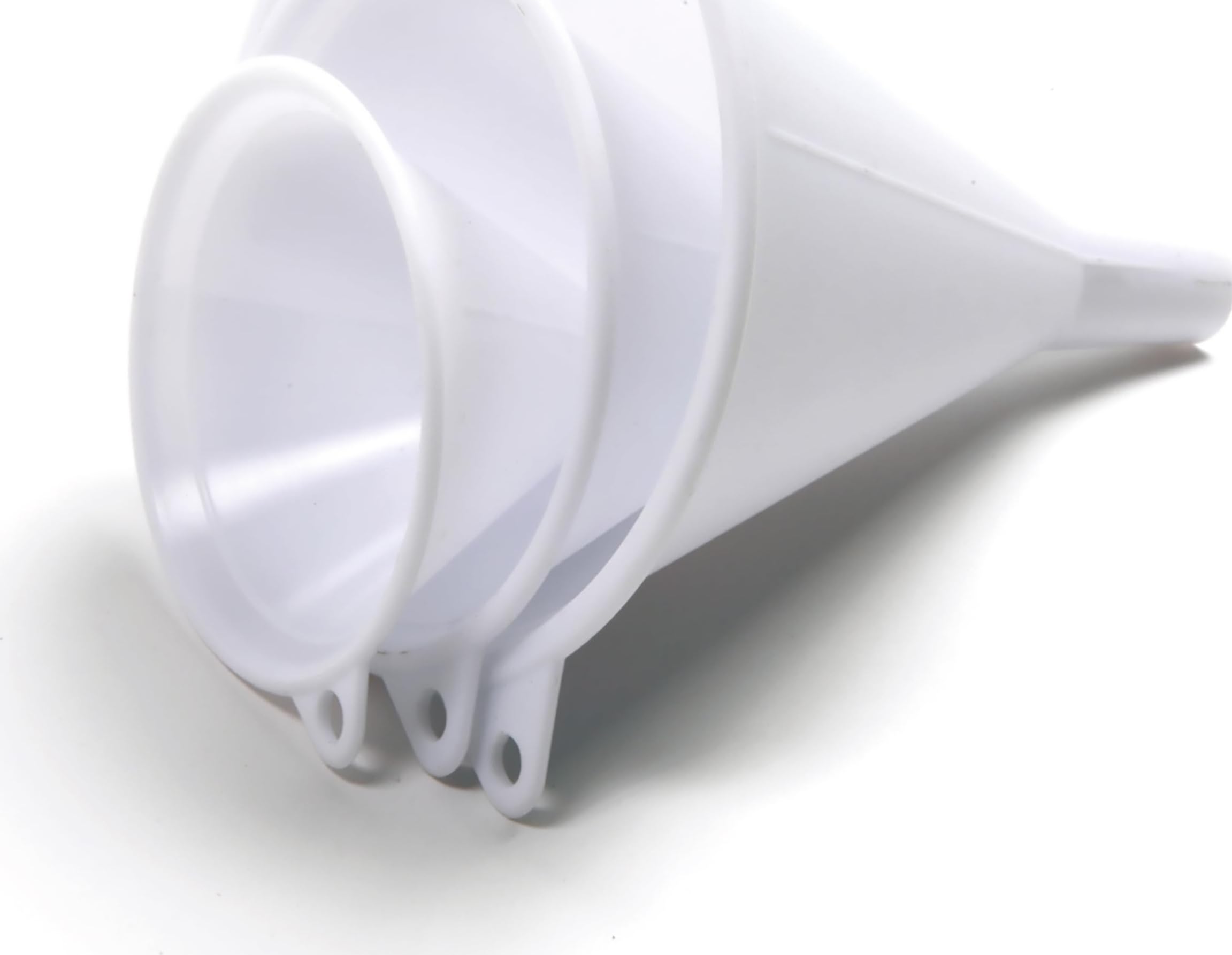
You want a simple, reliable way to transfer cleaners, soaps, and oils without making a mess, and these Norpro funnels are exactly that kind of tool. The three-size set covers wide-mouth jars down to narrow bottles so you can decant castile soap into dispensers, refill spray bottles, or portion essential oils into small vials.
The narrow spouts cut down on spills, the nesting design saves drawer space, and the hanging loop keeps them handy. They’re lightweight and easy to clean in the top rack of the dishwasher, which makes them practical for everyday refilling and for preparing batches when you’re mixing cleaners for seasonal deep cleans or handmade gifts.
If you make your own solutions, having three sizes on hand makes the whole process faster and less fussy, which is why this set is a solid, low-effort addition to your DIY cleaning kit.
What People Say
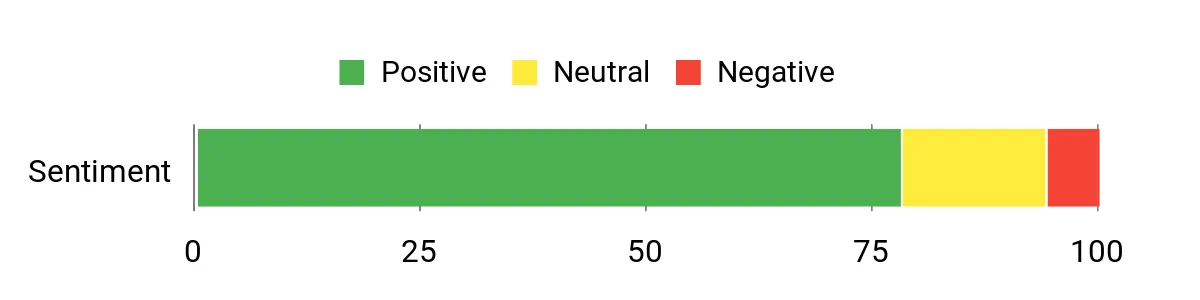
You’ll notice reviewers frequently praise how the different sizes make pouring cleaner solutions and spices into jars effortless, and many appreciate the narrow spouts that limit drips. People also point out that the funnels are easy to clean and store, though a few mention the plastic feels lightweight rather than heavy-duty.
Overall Sentiment: Positive
Situational Benefits
|
Situation |
How It Helps |
|---|---|
|
Filling Spray Bottles |
The medium and small funnels let you pour homemade cleaners and distilled water into narrow-neck spray bottles without spills. |
|
Decanting Soaps and Oils |
The large funnel handles thicker liquids like castile soap while the small funnel works for essential oil vials, making measured transfers simple. |
|
Batch Mixing for Events |
When you mix larger batches for seasonal cleaning or gifts, the nesting funnels speed up the bottling process and reduce mess. |
Environmental Benefits
|
Impact |
Benefit |
|---|---|
|
Less Single-Use Waste |
Enables refilling and reusing bottles instead of buying new packaged cleaners. |
|
Reduced Product Waste |
Accurate pouring minimizes spills and leftover product that would otherwise be discarded. |
|
Longevity Through Reuse |
Nesting design and dishwasher-safe cleaning encourage repeated use rather than frequent replacement. |
Handling Benefits
|
Benefit |
Description |
|---|---|
|
Cleaner Transfers |
Reducing spills lowers residue on counters and hands, which helps keep your prep area hygienic when working with concentrated ingredients. |
|
Controlled Dosage |
Precise pouring helps you measure cleaners and dilute concentrates properly, which avoids overuse of harsher substances. |
|
Less Cross-Contamination |
Using dedicated funnels for cleaning solutions or essential oils reduces the chance of mixing incompatible substances. |
Versatility
These funnels work for liquids and dry ingredients, from homemade multi-surface cleaners to powdered cleaners and spices, and they suit kitchen, garage, and craft uses so you only need one compact set.
Problem Solving
They solve common mess problems by making transfers precise and reducing drips, saving time on cleanup and preventing accidental overfilling of bottles or waste of product.
Eco Friendliness
Made of plastic, they’re not zero-impact, but their reusability, space-saving nesting, and dishwasher-safe cleaning increase their useful life and help you cut down on disposable containers.
Key Benefits
- Three sizes for versatile pouring
- Narrow spouts reduce spills and waste
- Nesting design saves storage space
- Top-rack dishwasher safe for easy cleaning
- Hanging loop for convenient storage
Retailer rating snapshot in the source article: 4.4 (total: 25100+) (ratings and review counts can change).
NOW Lavender

NOW Organic Lavender Oil is best treated here as a fragrance and aromatherapy option rather than as a disinfecting ingredient. NOW identifies it as USDA Organic Lavandula angustifolia oil, steam-distilled from flowering tops. A few drops can give a homemade cleaner a floral scent, but the bottle remains a highly concentrated essential oil and should be used according to the label.
What People Say
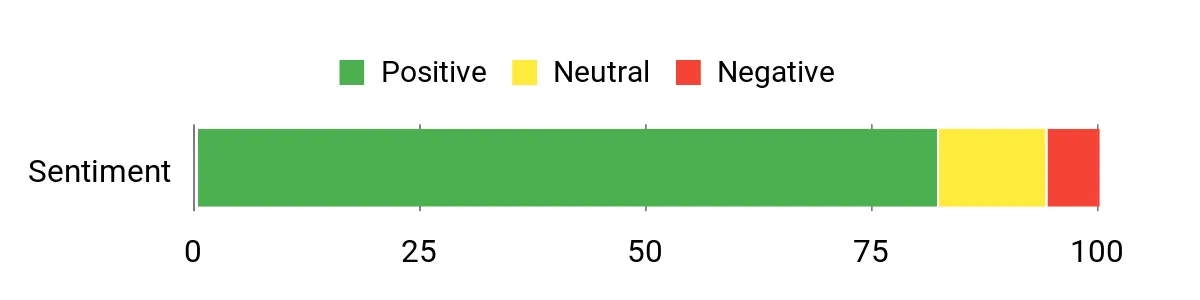
Customers often like the recognizable lavender aroma and small-bottle format. Review comments about sleep, skin, or other personal effects are individual experiences, not proof that the oil treats a medical condition. For non-aromatherapy use, NOW directs users to dilute carefully and follow a professional reference.
Overall Sentiment: Positive
Situational Benefits
|
Situation |
How It Helps |
|---|---|
|
Daily Surface Sprays |
A few drops can add lavender fragrance to a diluted soap cleaner. Fragrance is optional and does not increase the cleaner’s regulatory disinfectant status. |
|
Diffusing While Cleaning |
Diffusing lavender provides fragrance. Stop use if the scent causes irritation or discomfort, and use extra caution in homes with pets. |
|
Giftable Cleaning Kits |
Its familiar scent pairs well with citrus oils and soap, making handmade cleaning sets smell polished and approachable. |
Environmental Benefits
|
Impact |
Benefit |
|---|---|
|
Supports Refillable Use |
Helps you create concentrated cleaners to refill reusable bottles, cutting single-use packaging. |
|
USDA Organic Status |
USDA Organic certification verifies that the agricultural ingredient meets the applicable organic production standard; it does not by itself quantify total environmental impact. |
|
Multiple Label-Directed Uses |
Using one quality oil for aromatherapy and cleaning lowers the need for multiple single-purpose products. |
Health & Safety Notes
|
Benefit |
Description |
|---|---|
|
Calming Effect |
Aroma can promote relaxation when used in a diffuser during or after cleaning sessions. |
|
Soothes Minor Irritations |
For non-aromatherapy use, NOW directs users to dilute with a carrier oil and consult an appropriate professional reference; this cleaning guide does not treat skin conditions. |
|
Reduces Harsh Chemical Use |
Choosing an unscented soap base lets you control whether fragrance is added at all. |
Versatility
The oil can be used in diffusers and, when the label permits and it is properly diluted, in other applications. In a cleaning article, its most relevant role is optional fragrance; it is not required for soap to remove everyday soil.
Problem Solving
Lavender can soften sharper citrus or tea-tree aromas, which is useful when you want a less medicinal-smelling cleaner. If fragrance sensitivity is a concern, skip essential oil entirely and use the unscented soap base.
Eco Friendliness
USDA Organic certification verifies production standards for the agricultural ingredient; it does not by itself prove that a finished cleaning routine has a lower overall environmental impact. Use the oil sparingly and reuse bottles where practical.
Key Benefits
- Organic, steam-distilled purity
- Floral lavender aroma for fragrance blends
- Useful for aromatherapy and optional fragrance in cleaners; follow label for other uses
- Works well with citrus and tea tree in recipes
- Small bottle is easy to store and measure
Retailer rating snapshot in the source article: 4.6 (total: 607+) (ratings and review counts can change).
Dr. Bronner Soap
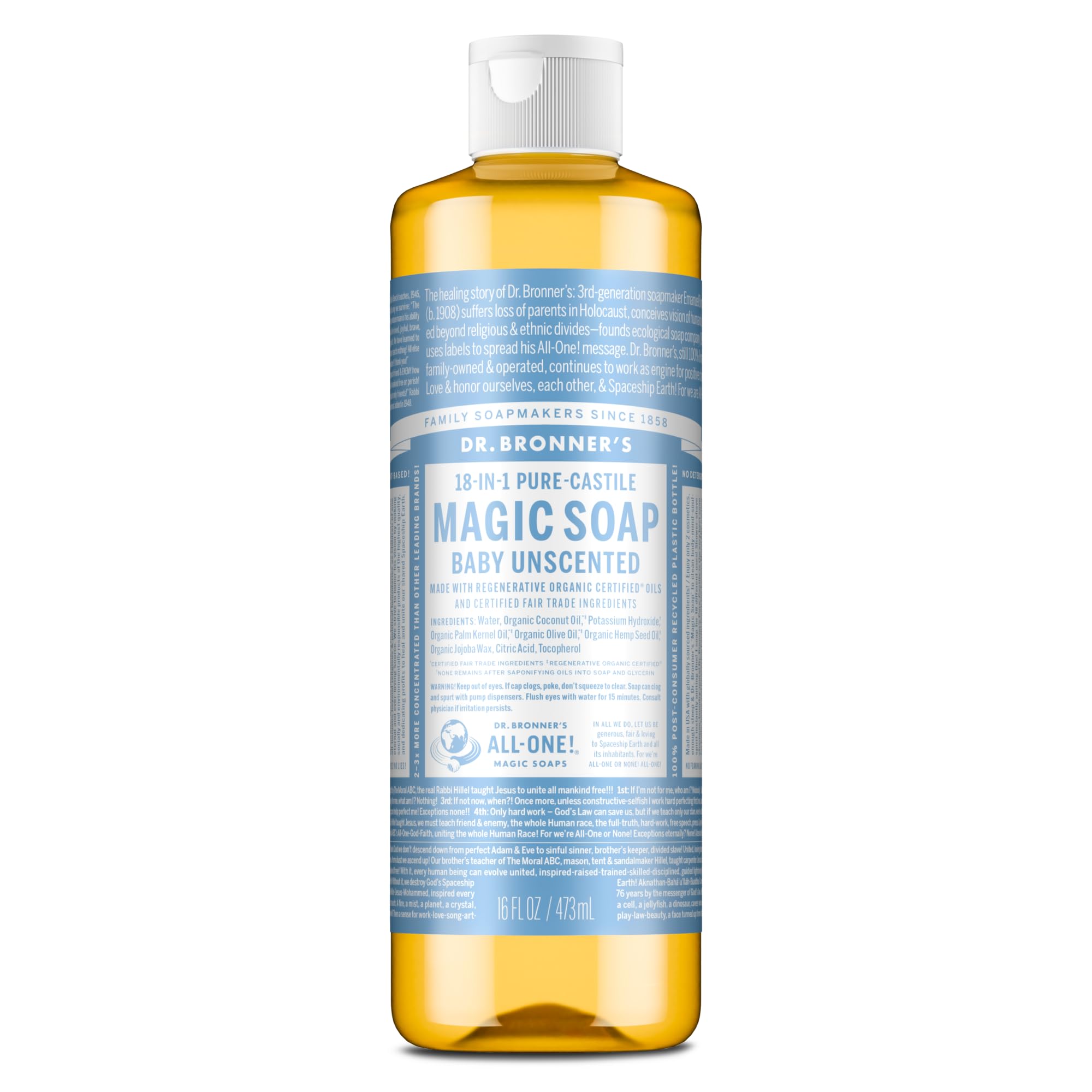
Dr. Bronner’s Baby Unscented Pure-Castile Liquid Soap is the functional cleaning base in this roundup. The brand publishes household-use dilutions, including an all-purpose spray made with 1/4 cup (60 mL) liquid castile soap in 1 quart (1 L) water.
For surface cleaning, use the task-specific manufacturer dilution instead of a broad “one part soap to two to ten parts water” rule. Too much soap can leave residue, especially on glass or in hard water. Essential oils are optional and should be added only in label-consistent amounts.
Because the unscented version has no added essential-oil fragrance, it is a flexible starting point when you want one soap for several label-supported household and personal-care uses.
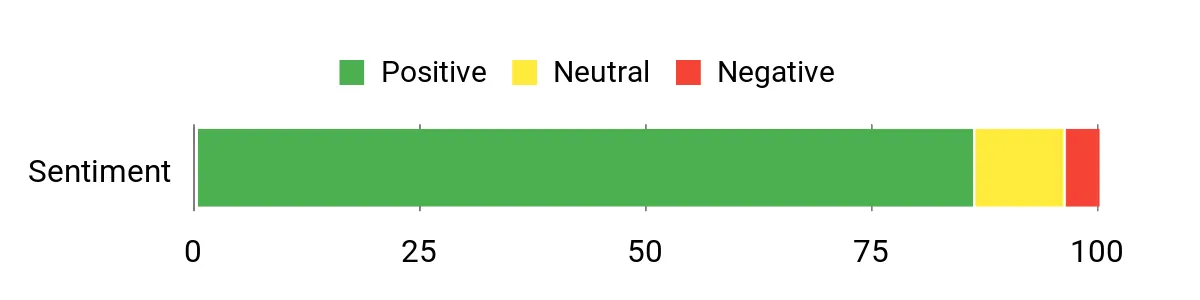
What People Say
Reviewers commonly praise the unscented formula for versatility and lack of added fragrance. Personal-skin experiences vary, so household-cleaning guidance and personal-care guidance should stay separate and follow the product label.
Overall Sentiment: Positive
Situational Benefits
|
Situation |
How It Helps |
|---|---|
|
Hand-Soap Use |
Use the manufacturer’s hand-washing dilution or directions rather than reusing the surface-cleaner concentration. |
|
Surface-Cleaner Use |
Use the published all-purpose dilution for washable hard surfaces and test a hidden spot first. Essential oil is optional. |
|
Personal-Care Label Use |
The product is marketed as Baby Unscented, but personal-care use should follow the bottle directions and is separate from household-cleaner use. |
Environmental Benefits
|
Impact |
Benefit |
|---|---|
|
Reduces Single-Use Products |
Concentrated soap lets you make refills and multipurpose cleaners, cutting down disposable packaging. |
|
Plant-Based Soap Formula |
The formula is based on saponified vegetable oils; broader biodegradability comparisons depend on conditions and should not be generalized without test data. |
|
Multiple Label-Directed Uses |
One bottle has several listed uses, which can reduce the number of separate products you choose to keep. |
Use & Safety Notes
|
Benefit |
Description |
|---|---|
|
Gentle on Skin |
Unscented means no added essential-oil fragrance, but individual skin sensitivity still varies. Follow the product label for personal-care use. |
|
Simple Ingredient Profile |
A simple soap base gives you a short ingredient list and a known dilution; that does not automatically make it safer for every person or surface. |
|
Customizable Strength |
Measured dilution helps avoid excess soap and residue. Use a different, labeled product when a task requires sanitizing or disinfection. |
Versatility
One bottle can cover several manufacturer-listed household and personal-care uses. Keep the dilution for each task separate rather than assuming one concentration works for every use.
Problem Solving
It gives DIY cleaners a clearly documented soap base, which is more useful than relying on fragrance oils for cleaning power. Measure the soap instead of guessing so you reduce residue and waste.
Eco Friendliness
The concentrated format can support refill-and-reuse habits, but environmental impact still depends on how much product, water, packaging, and energy you use. Avoid broad “eco-friendly” claims that are not backed by a life-cycle comparison.
Key Benefits
- Unscented, suitable for sensitive skin
- Highly dilutable for multiple cleaning recipes
- Organic ingredients and transparent labeling
- Mild cleansing without harsh residues
- Works for body care and household tasks
Retailer rating snapshot in the source article: 4.7 (total: 2585+) (ratings and review counts can change).
Plant Therapy Peppermint
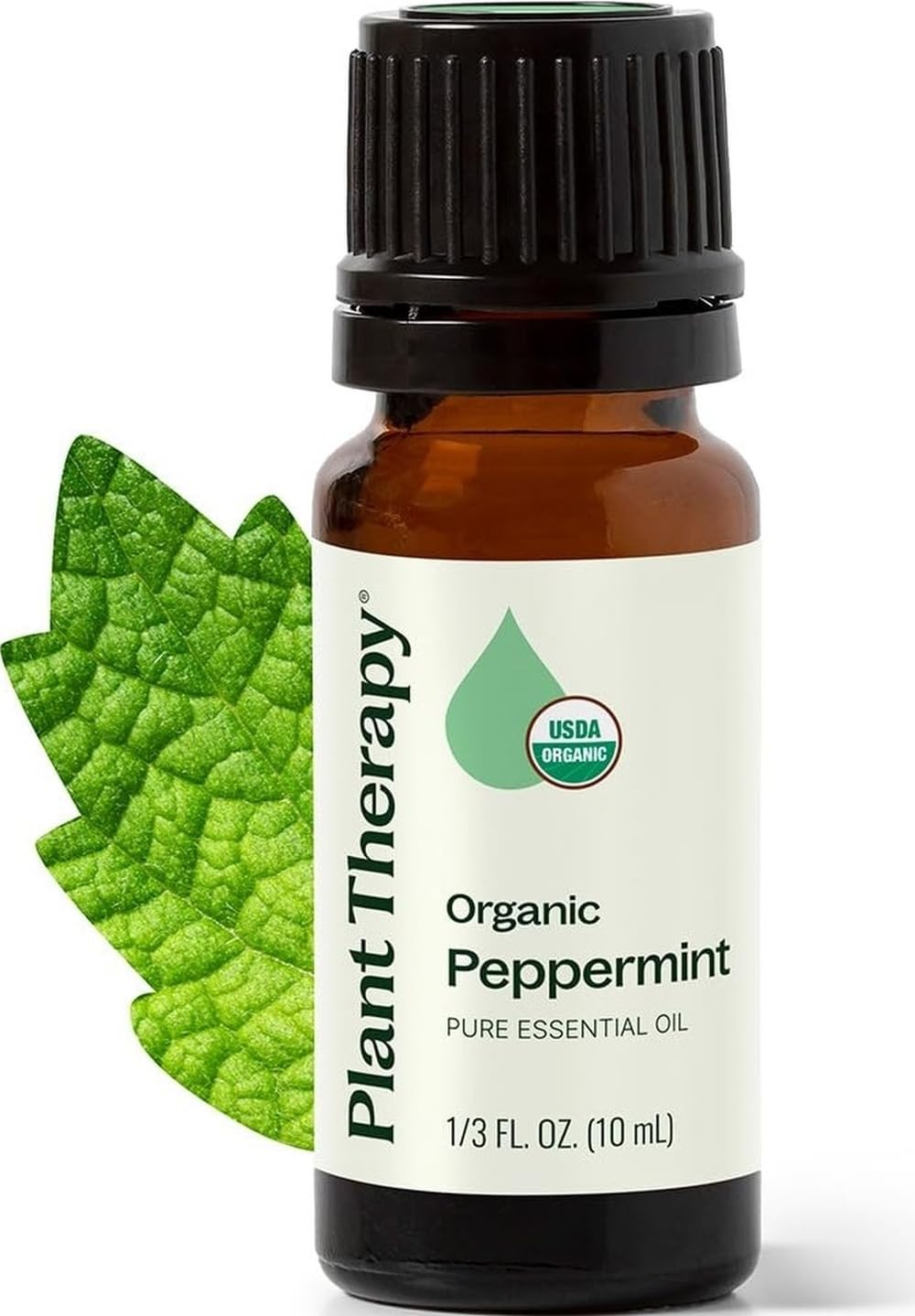
Plant Therapy Organic Peppermint Essential Oil is a concentrated, mint-scented oil that can add fragrance to a DIY cleaner. The manufacturer identifies it as USDA Organic and steam-distilled from Mentha × piperita. It should not be presented as the ingredient that makes a cleaner sanitize or disinfect.
Choose it mainly if you enjoy a strong mint aroma or already use the oil for label-directed aromatherapy. For a low-fragrance household, the unscented soap works without it.
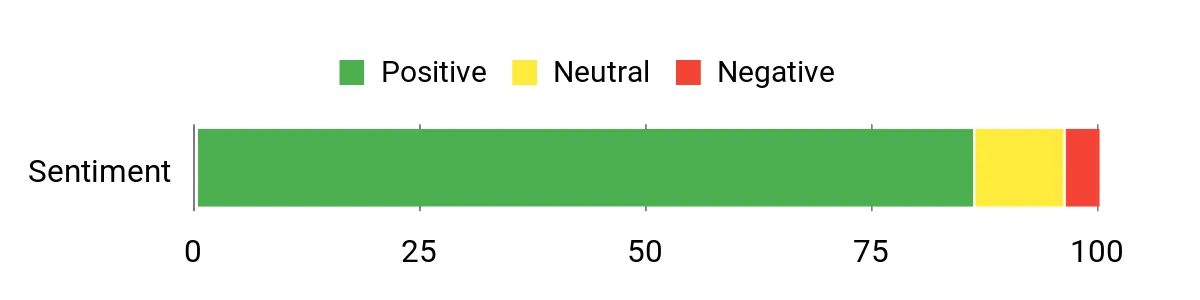
What People Say
Reviewers frequently mention the strong peppermint aroma and compact amber bottle. Claims about focus, sinus relief, headaches, or muscle discomfort are health-related and should not be treated as established benefits of a household-cleaning ingredient.
A few buyers note that strength and therapeutic expectations vary by personal taste.
Overall Sentiment: Positive
Situational Benefits
|
Situation |
How It Helps |
|---|---|
|
Daily Surface Spray |
A couple of drops can add mint fragrance to a diluted soap spray, but the mixture should not be described as a sanitizer or disinfectant. |
|
Diffuser While Cleaning |
Diffusing peppermint adds a strong mint aroma. Follow the manufacturer’s aromatic-use directions and keep it away from the faces of infants and young children. |
|
Topical Relief (Diluted) |
Topical use is separate from cleaning use and requires the manufacturer’s dilution limits; do not apply a household cleaner to skin. |
Environmental Benefits
|
Impact |
Benefit |
|---|---|
|
Refill-Friendly Use |
A concentrated ingredient can be used in refillable-bottle routines, depending on how you mix and store the cleaner. |
|
Multiple Label-Directed Uses |
One bottle may have several label-directed uses, but cleaning, aromatherapy, and topical applications require different instructions. |
|
Small Bottle |
A small bottle is easy to store; broader shipping-impact claims depend on packaging and distribution. |
Health & Safety Notes
|
Benefit |
Description |
|---|---|
|
Aromatic-Use Caution |
Peppermint has a strong aroma, but this guide does not make respiratory-treatment claims. Use it only according to the current product label. |
|
Topical-Use Caution |
Plant Therapy limits topical peppermint dilution and cautions against use near the face of infants and young children. Household-cleaner mixtures are not topical products. |
|
Pest-Control Limitation |
Do not rely on a DIY peppermint cleaner as a registered pesticide or repellent. Use a product labeled for pest control if that is the goal. |
Versatility
For this guide, the practical uses are fragrance in a properly diluted cleaner and label-directed aromatherapy. Topical use requires a separate dilution and the manufacturer’s cautions, including keeping peppermint away from the face of infants and young children.
Problem Solving
It brightens the scent profile of an unscented soap spray. Do not rely on peppermint aroma as evidence of sanitizing or disinfection; use an EPA-registered product when you need those claims.
Eco Friendliness
USDA Organic status and a concentrated bottle can be useful purchasing details, but they do not establish the environmental impact of the finished cleaning routine. Measure drops carefully so you do not use more than needed.
Key Benefits
- USDA Organic peppermint oil
- Strong, refreshing peppermint aroma
- Useful for fragrance, aromatherapy, and other label-directed uses
- Amber bottle preserves freshness
- Small size easy to store and measure
Retailer rating snapshot in the source article: 4.7 (total: 9981+) (ratings and review counts can change).
Plant Therapy Tea Tree
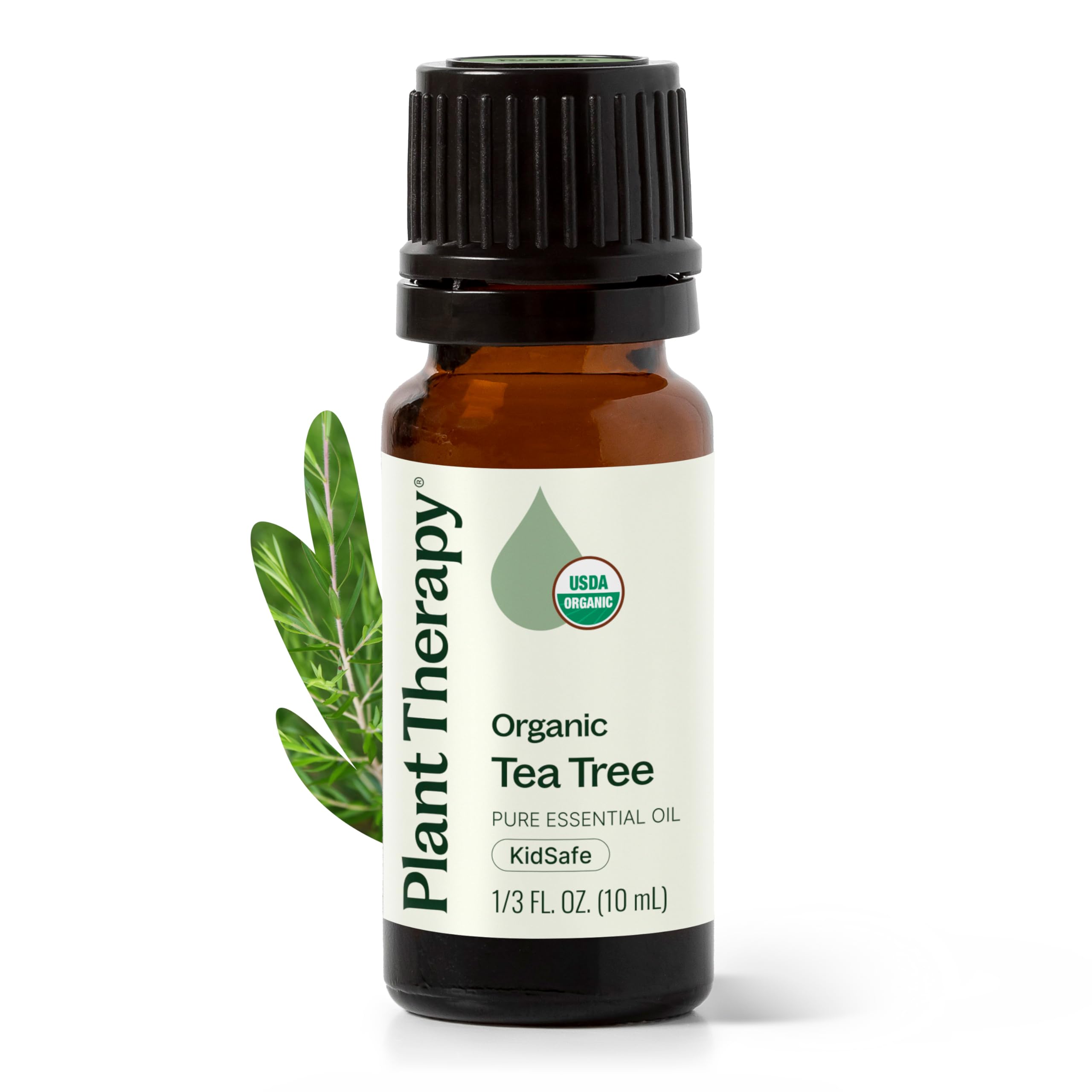
Plant Therapy Organic Tea Tree Essential Oil has a strong medicinal scent and is sold as a concentrated essential oil for label-directed aromatic and topical uses. Although tea tree oil is commonly discussed in DIY-cleaning recipes, adding it to soap does not make the finished spray an EPA-registered disinfectant.
The small amber bottle makes drop-by-drop dosing practical. Use the product sparingly, follow the current label, and keep it away from children and pets. ASPCA guidance notes that concentrated essential oils—including tea tree—can pose risks to animals.
What People Say
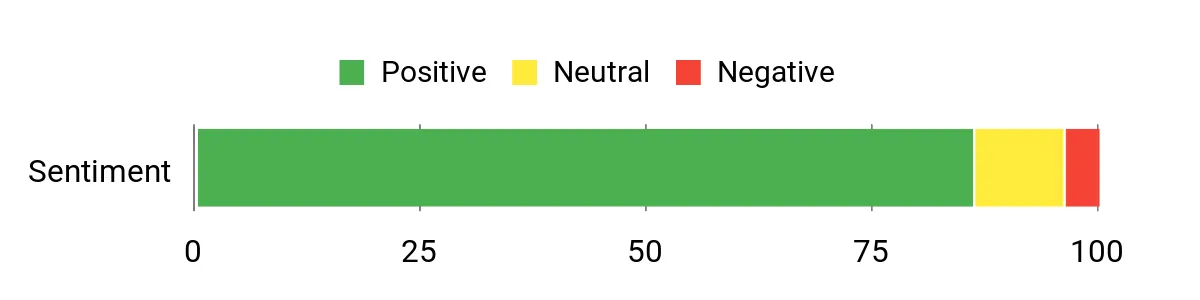
Reviewers often mention the potent tea-tree aroma and the convenience of a small dropper bottle. Reports about scalp, skin, or other therapeutic effects are personal experiences and should not be used as proof of treatment effectiveness.
Overall Sentiment: Positive
Situational Benefits
|
Situation |
How It Helps |
|---|---|
|
Surface Cleaning |
A few drops add tea-tree aroma to a diluted soap spray; they do not make the finished cleaner an EPA-registered antimicrobial product. |
|
Skincare Blends |
Topical tea-tree use is separate from household cleaning and requires label-directed dilution. Never apply a DIY household cleaner to skin. |
|
Scalp Care |
Hair and scalp use should follow the essential-oil product directions and is outside the scope of a surface-cleaner recipe. |
|
Laundry Additive |
Do not add concentrated essential oil to laundry unless your washer, fabric-care instructions, and product label support that use. |
Environmental Benefits
|
Impact |
Benefit |
|---|---|
|
Refill-Friendly Use |
Using a reusable spray bottle can reduce the need to buy a new bottle for every batch. |
|
Concentrated Format |
Small concentrated bottles take little storage space; total shipping impact depends on packaging and distribution. |
|
USDA Organic Status |
USDA Organic certification is a verified sourcing attribute; the overall environmental impact still depends on farming, processing, packaging, shipping, and use. |
Health & Safety Notes
|
Benefit |
Description |
|---|---|
|
Disinfection Limitation |
Tea-tree scent does not establish sanitizer or disinfectant performance. Use an EPA-registered product when you need a germ-kill claim. |
|
Topical-Use Caution |
Topical use requires a separate, properly formulated dilution; household cleaners are not skin treatments. |
|
Scalp-Use Caution |
Follow the essential-oil label for any scalp use and stop if irritation occurs. |
Versatility
In this article, tea tree is an optional fragrance/additive for DIY cleaning. Other uses, including topical or hair applications, require separate label-directed dilution and should not be combined with household-cleaner instructions.
Problem Solving
It gives a cleaner a recognizable tea-tree scent, but it should not be described as a substitute for a tested sanitizer or disinfectant. That distinction keeps the cleaning claim accurate.
Eco Friendliness
The USDA Organic designation describes the agricultural ingredient, while the small concentrated format means only a little is needed per use. Broader sustainability claims would require additional evidence.
Key Benefits
- Organic, concentrated tea tree oil
- Strong, medicinal tea-tree aroma
- Useful for cleaning fragrance and other label-directed applications
- Dropper allows precise dosing
- Small bottle stores easily and preserves freshness
Retailer rating snapshot in the source article: 4.7 (total: 2765+) (ratings and review counts can change).
Plant Therapy Orange
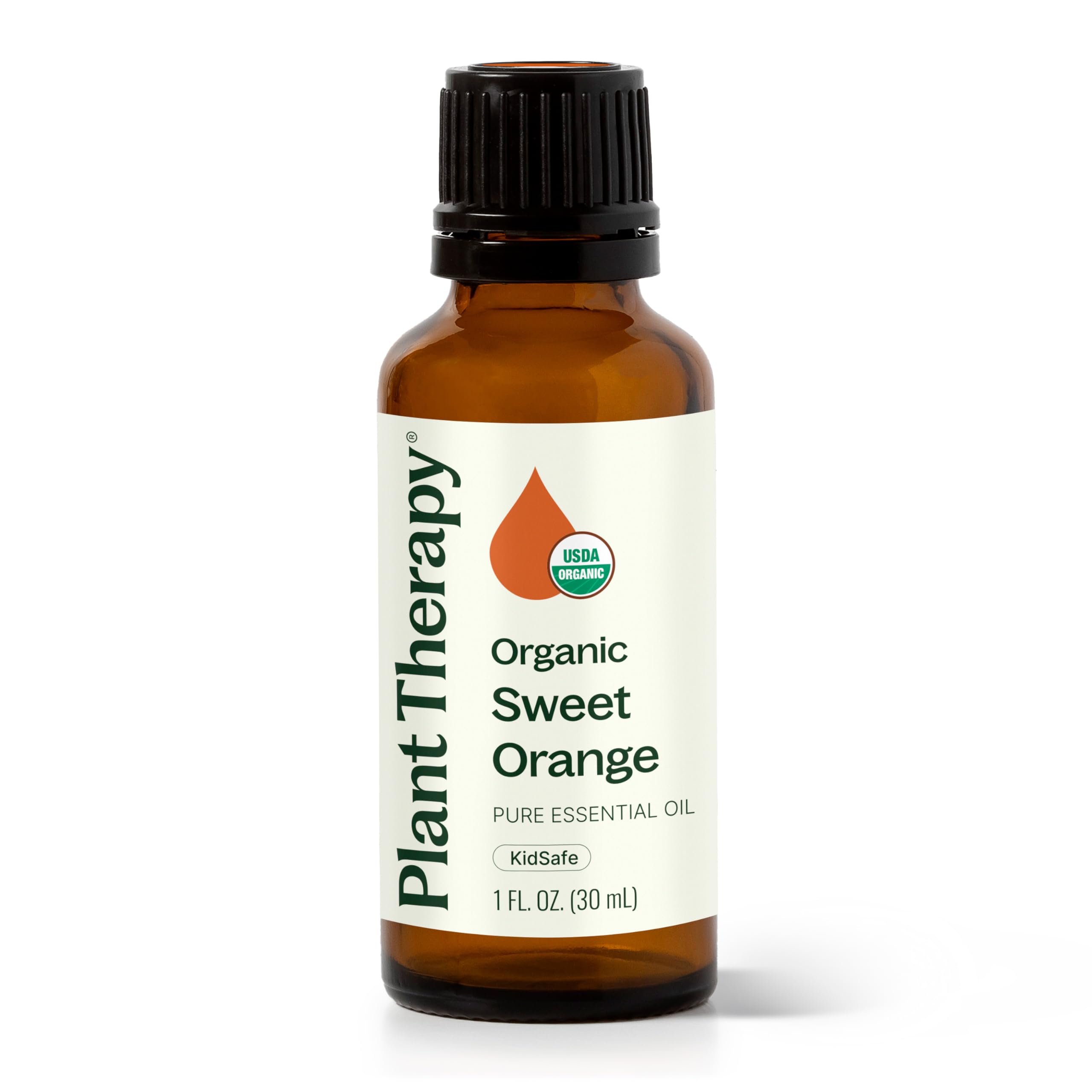
Plant Therapy Organic Sweet Orange Essential Oil adds a bright citrus aroma and is label-listed for aromatic use; the manufacturer also describes it as useful for degreasing when used as directed. It is cold-pressed from orange peel and is USDA Organic. In a castile-soap spray, treat it as optional—not as the source of disinfection.
The 30 mL amber bottle is larger than many essential-oil bottles, which can be convenient if you use citrus fragrance often. Keep the cap closed, store it away from heat and light, and follow the current label for any non-cleaning use.
What People Say
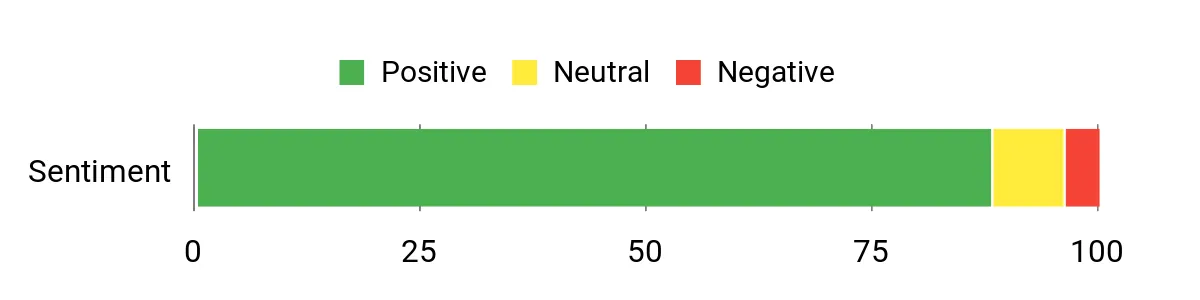
Customers commonly praise the recognizable orange-peel aroma. Scent strength is subjective, and retailer review totals can change, so treat the rating shown below as a snapshot rather than a permanent product specification.
Overall Sentiment: Positive
Situational Benefits
|
Situation |
How It Helps |
|---|---|
|
Daily Surface Spray |
A few drops can add orange fragrance; Plant Therapy also labels Sweet Orange for degreasing use. Test finishes before treating a greasy spot. |
|
Diffusing While Cleaning |
Diffusing orange oil adds citrus fragrance. Scent and mood responses are subjective. |
|
Laundry Freshening |
Only use essential oil with laundry when the appliance, fabric-care instructions, and oil label support that use. |
Environmental Benefits
|
Impact |
Benefit |
|---|---|
|
Refillable Cleaning |
Using a reusable spray bottle can reduce the number of disposable cleaner bottles you purchase. |
|
Concentrated Format |
A small, potent bottle reduces transport and storage footprint compared with larger, diluted products. |
|
Multiple Uses |
One bottle may cover multiple label-directed uses if those uses fit your household. |
Health & Safety Notes
|
Benefit |
Description |
|---|---|
|
Fragrance Experience |
The bright citrus aroma is often described as pleasant or uplifting, but mood effects vary by person. |
|
Fragrance Alternative |
An optional essential oil lets you choose the fragrance profile, including using no added fragrance at all. |
|
Scent Is Not Efficacy |
A fresh aroma can change how a room smells, but scent is not evidence that a surface is cleaner or disinfected. |
Versatility
It is most useful here as optional citrus fragrance and, where the label supports it, as a degreasing aid. Do not assume that an essential oil is suitable for every fabric, finish, pet household, or skin application.
Problem Solving
It can brighten the scent of an unscented soap cleaner and may help on some greasy spots when used as directed. Test finished surfaces before broad use.
Eco Friendliness
USDA Organic certification is a verified product attribute. Claims about reduced packaging or overall environmental impact depend on the full use pattern and should not be stated as guaranteed benefits.
Key Benefits
- Bright, natural orange aroma
- Works well in cleaners and diffusers
- Large 30 mL bottle for frequent use
- Pairs easily with castile soap and blends
- Amber bottle helps preserve freshness
Retailer rating snapshot in the source article: 4.7 (total: 1552+) (ratings and review counts can change).
NOW Lemon
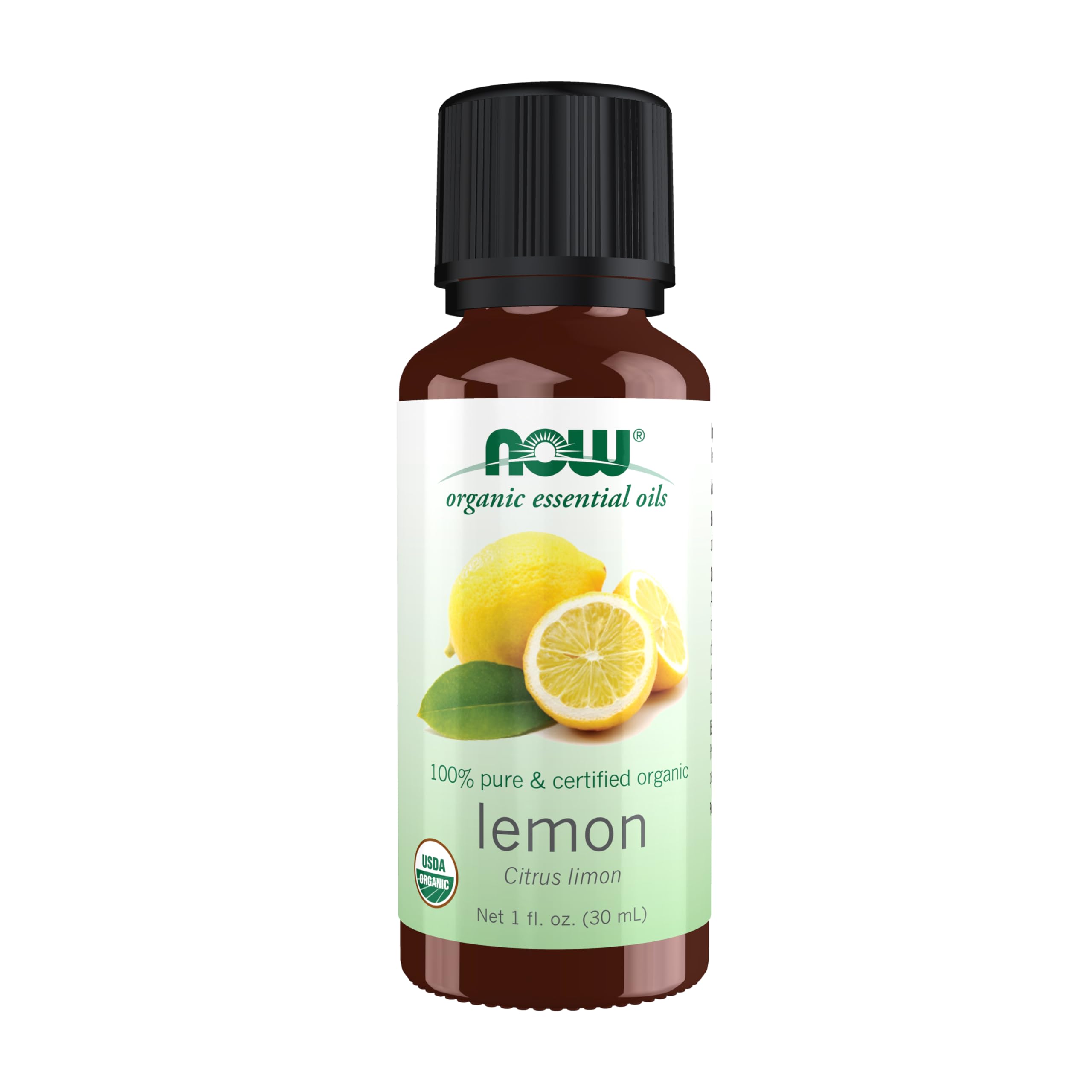
NOW Lemon Oil is a pure, cold-pressed lemon-peel essential oil with a strong citrus aroma. NOW’s current standard Lemon Oil page identifies the ingredient as pure Citrus limon oil and advises careful dilution for uses beyond aromatherapy. Because retailer listings can change, verify the exact bottle linked before assuming it carries organic certification.
Its practical role in this guide is scent. Lemon oil is highly concentrated, so use it sparingly, store it in its original bottle away from heat and light, and follow the current caution statement.
What People Say
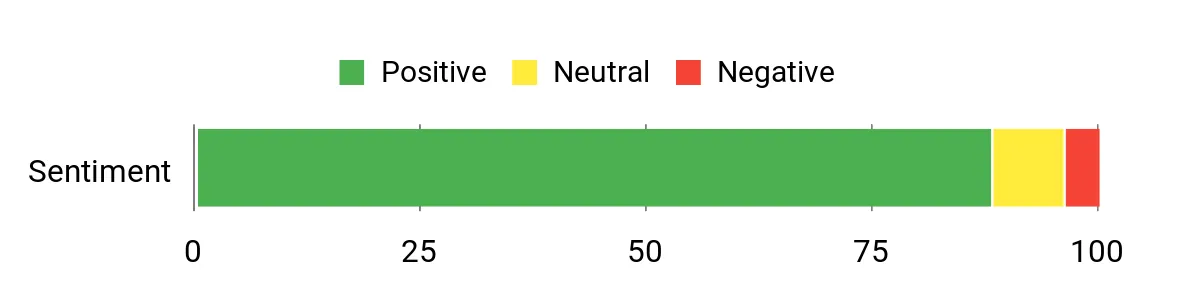
Customers frequently praise the recognizable lemon aroma and use it in diffuser or DIY-fragrance blends. Review totals and star ratings are dynamic retailer data, and individual comments are not evidence that the oil sanitizes a surface or provides a health effect.
Overall Sentiment: Positive
Situational Benefits
|
Situation |
How It Helps |
|---|---|
|
Countertop Spray |
A few drops add lemon fragrance to a diluted castile-soap cleaner. Do not use scent as a proxy for cleanliness or disinfection. |
|
Diffusing During Cleaning |
Diffusing lemon oil adds a bright citrus aroma; personal responses to scent vary. |
|
Linen Freshening |
Use essential oil with laundry only when the appliance, fabric, and product instructions permit it. |
Environmental Benefits
|
Impact |
Benefit |
|---|---|
|
Refillable Cleaning |
Using a reusable spray bottle can reduce the number of disposable cleaner bottles you purchase. |
|
Concentrated Format |
Small concentrated bottles take little storage space; total transport impact depends on packaging and distribution. |
|
Multiple Uses |
One bottle can serve several fragrance-related uses when the product label supports them. |
Health & Safety Notes
|
Benefit |
Description |
|---|---|
|
Fragrance Experience |
Lemon oil has a bright citrus scent; this guide does not treat it as a mood or alertness therapy. |
|
Fragrance Alternative |
Adding essential oil is optional. An unscented cleaner is the better choice for anyone who wants to minimize fragrance. |
|
Scent Is Not Efficacy |
A lemon aroma changes fragrance, not the measured cleanliness or disinfection level of the surface. |
Versatility
Use it for label-consistent aromatic purposes and, if you add it to a cleaner, keep the amount low and test the surface. Do not assume that one essential-oil dilution is appropriate for laundry, skin, and hard surfaces.
Problem Solving
It adds a fresh lemon aroma to an unscented cleaner. The soap-and-water action does the routine cleaning; use a registered disinfectant when pathogen-killing performance is required.
Eco Friendliness
Cold-pressed extraction is verified for NOW Lemon Oil. Organic status depends on the exact product variant, so the linked retailer listing should be checked rather than treating “organic” as a permanent specification.
Key Benefits
- Cold-pressed from lemon peel
- Bright, natural citrus aroma
- Adds citrus fragrance to castile-soap blends
- Useful for aromatherapy and low-level fragrance in cleaners
- Small bottle stores and measures conveniently
Retailer rating snapshot in the source article: 4.7 (total: 540+) (ratings and review counts can change).
Frequently Asked Questions
What supplies do I need for a homemade multi-surface cleaner?
A practical kit includes unscented liquid castile soap, water, a reusable spray bottle, a measuring cup or spoon, a funnel, and a label. Essential oils are optional. If you use them, choose one product at a time, follow its current label, and keep the bottle stored securely away from children and pets.
How much castile soap should I use?
For Dr. Bronner’s liquid castile soap, the company’s current all-purpose spray uses 1/4 cup (60 mL) soap in 1 quart (1 L) water. Add water first, then soap. Other brands can have different formulations, so use the dilution published for the specific soap you own.
How do I use essential oils safely in a cleaner?
Use a small amount, avoid undiluted skin contact, keep the concentrate out of reach of children, and follow the oil’s label. Essential oils are not required for cleaning. In pet households, use extra caution: ASPCA warns that concentrated essential oils can harm animals, and tea tree is a particular concern.
Which surfaces are safe to clean with diluted castile soap?
Many sealed, washable hard surfaces can be cleaned with a properly diluted soap solution, but finishes vary. Test a hidden spot first, use minimal liquid on wood, and follow the surface manufacturer’s instructions for stone, specialty coatings, electronics, and other sensitive finishes.
Does a castile-soap and essential-oil spray disinfect?
Not automatically. Soap and water are useful for routine cleaning, but EPA regulates products that claim to sanitize or disinfect surfaces. When disinfection is needed, use an EPA-registered disinfectant and follow its label, including the required wet contact time.
How long can I store a pre-diluted castile-soap spray?
Make small batches. Dr. Bronner’s notes that pre-diluting its castile soap also dilutes its preservative system and recommends using pre-diluted mixtures within a couple of weeks or preparing smaller batches. Discard a mixture if its odor, appearance, or performance changes.
What This Guide Prioritizes
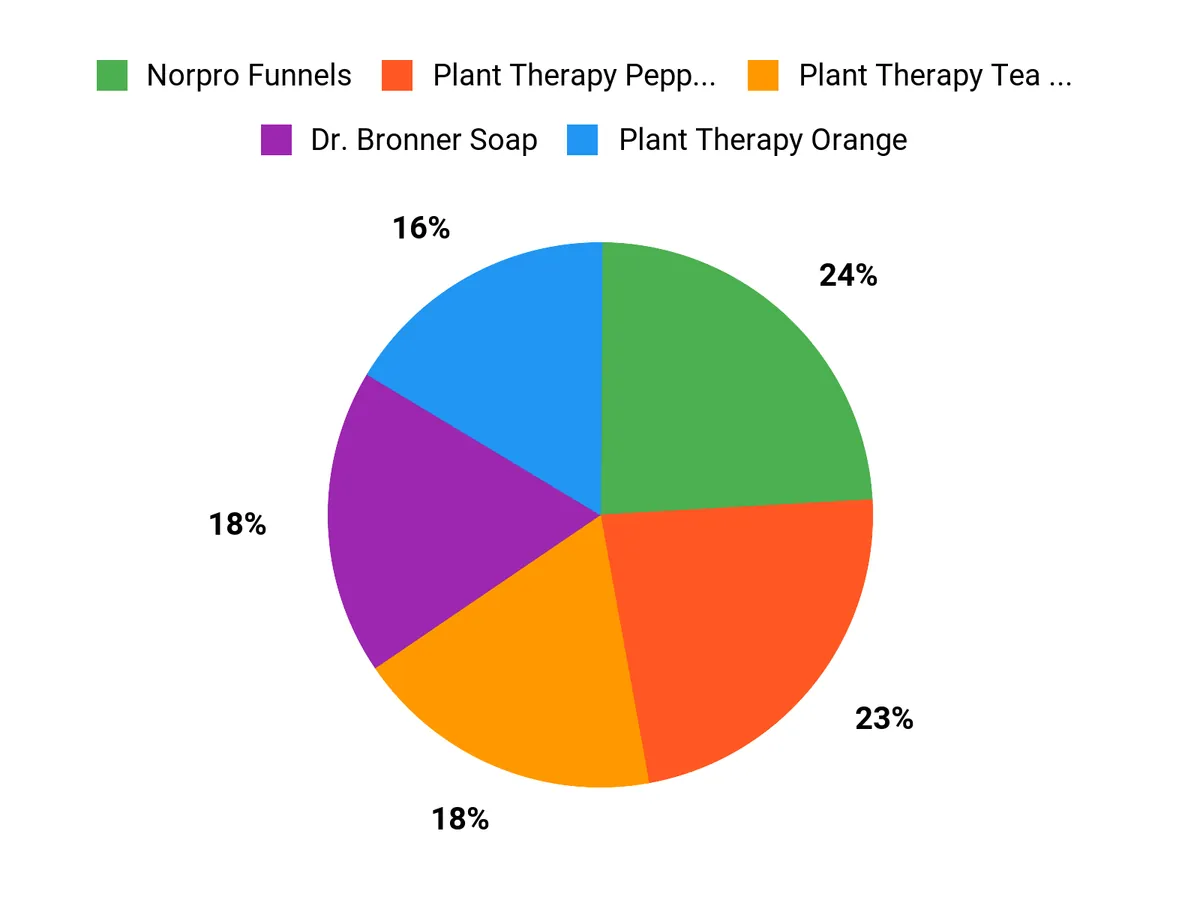
This guide prioritizes practical versatility, clear manufacturer directions, controlled dosing, reusable tools, and honest claim boundaries. The funnel helps prevent spills, the unscented castile soap provides the actual soap-based cleaning action, and essential oils are treated as optional concentrated fragrance ingredients rather than as proof of sanitizing or disinfection.
Conclusion
A reliable DIY multi-surface cleaner starts with measured soap and water, not with fragrance. A funnel, reusable bottle, and clearly labeled unscented castile soap make the process easy; essential oils can be added sparingly if you want scent and the specific product label supports your intended use.
For routine household soil, clean with the properly diluted soap solution and wipe or rinse as the surface requires. When someone is sick or a surface truly needs disinfection, switch to an EPA-registered disinfectant and follow its label rather than trying to make a homemade cleaner perform a job it was not tested to do.
| Norpro Plastic Funnel, Set of 3 | NOW Essential Oils, Organic Lavender Oil, 1 fl. oz | Dr. Bronner’s Baby Unscented Pure-Castile Liquid Soap, 16 oz | |
|---|---|---|---|
|
|
|
|
|
| Retailer rating snapshot | 4.4/5 (25,100 reviews) | 4.6/5 (607 reviews) | 4.7/5 (2,585 reviews) |
| Material | Plastic | N/A | Organic ingredients |
| Dimensions (L x W x H) | 4″W x 4.5″H | 1.25 x 1.25 x 3.5 inches | 2.5 x 2.5 x 7.87 inches |
| Use Cases |
|
|
|
| Shop Now | Shop Now | Shop Now |
Sources
- CDC: When and How to Clean and Disinfect Your Home — cleaning versus disinfecting and when disinfection is usually needed.
- U.S. EPA: Difference Between Cleaning, Sanitizing, and Disinfecting — regulatory meaning of sanitizer and disinfectant claims.
- Dr. Bronner’s Castile Soap Dilutions Cheat Sheet — all-purpose spray ratio and pre-dilution storage guidance.
- ASPCA: The Essentials of Essential Oils Around Pets — pet-exposure precautions for concentrated essential oils.
- Plant Therapy: Organic Tea Tree Essential Oil — current product identity, use directions, and cautions.
- NOW Foods: Lemon Oil — current product identity, cold-pressed extraction, storage guidance, and caution language.
This Roundup is reader-supported. When you click through links we may earn a referral commission on qualifying purchases.