


You can make simple DIY foaming hand soap with a concentrated Castile soap, clean water, and a refillable foaming dispenser. The most important details are using the soap maker’s recommended dilution, keeping the bottle clean, making a reasonably small batch, and treating essential oils as optional rather than necessary for effective hand washing.
Affiliate disclosure: This article contains affiliate links. If you buy through qualifying links, we may earn a referral commission at no additional cost to you.
Quick Answer
For a Dr. Bronner’s Pure-Castile foaming hand soap, the manufacturer currently recommends mixing 1 part liquid Castile soap with 3 parts water in a foaming pump and using the diluted mixture within one month. Essential oils are optional, and you should not add an oil unless its own label allows the intended skin use.
Key Takeaways
- Use Dr. Bronner’s current foaming-pump ratio of 1 part soap to 3 parts water, rather than relying on a generic soap dilution.
- Make only what you can use within about one month when following the Dr. Bronner’s foaming-soap recipe.
- Essential oils are not required for cleaning, and concentrated oils are not automatically suitable for skin just because they are natural.
- NOW Organic Lemon Oil specifically says not to use it on skin, so it is not recommended here as a hand-soap fragrance.
- A real foaming pump matters because it mixes the diluted liquid with air as it dispenses.
Warning: Essential oils are concentrated products. Follow the label for the exact oil you own, keep bottles out of children’s reach, avoid eyes and damaged skin, and stop use if irritation occurs. NOW’s Organic Lemon Oil currently states that it should not be used on skin.
At a Glance
| Time Required | About 5 minutes |
| Difficulty | Easy |
| Tools Needed | Clean foaming dispenser, measuring cup or marked container, clean water |
| Cost | Varies by soap and dispenser; each refill uses only a portion of a bottle of concentrated Castile soap |
Top Picks
|
Category |
Product |
Editorial Fit Score |
|---|---|---|
|
🏆 Best Base Soap |
95/100 |
|
|
⚠️ Citrus Aroma for Non-Skin DIY |
60/100 |
|
|
⭐ Best Calming Aroma |
78/100 |
|
|
🔰 Best Foaming Dispenser |
87/100 |
The editorial fit scores above measure suitability for this specific DIY foaming-hand-soap project rather than laboratory performance. The biggest factors are manufacturer-supported use, compatibility with a foaming system, safety guidance, practical versatility, and how clearly the maker documents the product.
Selection Criteria
The most important supply is a liquid soap that the manufacturer actually supports for foaming-pump dilution. We also considered ingredient transparency, fragrance sensitivity, pump compatibility, refillability, container size, cleaning requirements, and the clarity of each manufacturer’s safety instructions.
For essential oils, the individual product label matters more than a generic DIY dilution rule. A product can be pure, organic, or natural and still have restrictions on topical use. That distinction is particularly important with the NOW Lemon oil included in the original product list because its manufacturer currently says not to use it on skin.
How to Make Foaming Hand Soap With Castile Soap
For the simplest version, you only need Dr. Bronner’s Baby Unscented Pure-Castile Liquid Soap, clean water, and a clean foaming dispenser. Dr. Bronner’s current official dilution guide recommends one part soap to three parts water for a foaming pump.
Basic 1:3 Recipe
- Clean the dispenser. Wash and rinse the bottle and pump before refilling. Do not continually top off an old mixture.
- Add the water. Put three parts clean water into the bottle. Distilled, filtered, or otherwise purified water is a practical choice when you want to reduce mineral buildup.
- Add the Castile soap. Add one part Dr. Bronner’s liquid Castile soap.
- Leave some headspace. Do not fill the bottle completely to the rim; the pump system needs room to operate properly.
- Close and mix gently. Attach the pump and gently turn or roll the bottle to combine. Vigorous shaking can create excessive bubbles inside the bottle.
- Label the refill date. Dr. Bronner’s current foaming-soap guidance says to use the diluted mixture within one month.
How Much for an 8.5-Ounce Bar5F Bottle?
A full 1:3 mixture contains 25% soap and 75% water. For an 8.5 fl. oz. bottle, a practical near-full batch is about 2 fl. oz. of Castile soap plus 6 fl. oz. of water, leaving roughly half an ounce of headspace. You do not need to fill the dispenser to its maximum capacity.
Pro Tip: Make the first batch unscented. That gives you a baseline for foam quality, pump performance, and skin comfort before you introduce another ingredient.
Do You Need Essential Oils?
No. Essential oils are optional fragrance ingredients; they are not required for hand washing to work. The CDC explains that soap and water physically lift and remove germs, chemicals, and dirt when you lather and rinse properly. For routine hand washing, scrub all hand surfaces for about 20 seconds before rinsing. See the CDC handwashing FAQ.
If you want fragrance, use only an ingredient whose own manufacturer directions permit the intended skin use. Do not assume that every diffuser oil can be added safely to hand soap.
Storage and Refill Hygiene
Adding water changes a concentrated product and introduces another possible contamination route. The FDA’s microbiological-safety guidance notes that water, contaminated ingredients, ineffective preservation, dirty containers, and consumer handling can contribute to microbial contamination in personal-care products.
- Start with a clean bottle and pump.
- Use clean water and clean measuring tools.
- Do not keep adding fresh mixture on top of old residue.
- For the Dr. Bronner’s foaming recipe, make an amount you will use within one month.
- Discard the mixture if it develops an unusual odor, appearance, or obvious contamination.
Foaming Soap Troubleshooting
|
Problem |
Likely Cause |
What to Do |
|---|---|---|
|
Weak or watery foam |
Mixture is too dilute, or the pump is not primed |
Confirm the 1:3 Dr. Bronner’s ratio, then pump several times to prime the mechanism. |
|
Pump is hard to press |
Mixture may be too thick or the mesh/pump has residue |
Rinse the pump thoroughly with warm water and return to the recommended dilution. |
|
Soap spits instead of foaming |
Pump may contain dried soap or trapped residue |
Clean and rinse the pump, then re-prime it with fresh mixture. |
|
Skin feels irritated |
Fragrance, essential oil, or the soap itself may not agree with your skin |
Stop use, rinse the skin, and return to a simpler unscented formula if appropriate. |
|
Mixture smells or looks unusual |
Old or contaminated mixture |
Discard it, thoroughly clean the dispenser, and make a fresh batch. |
Dr. Bronner’s Castile
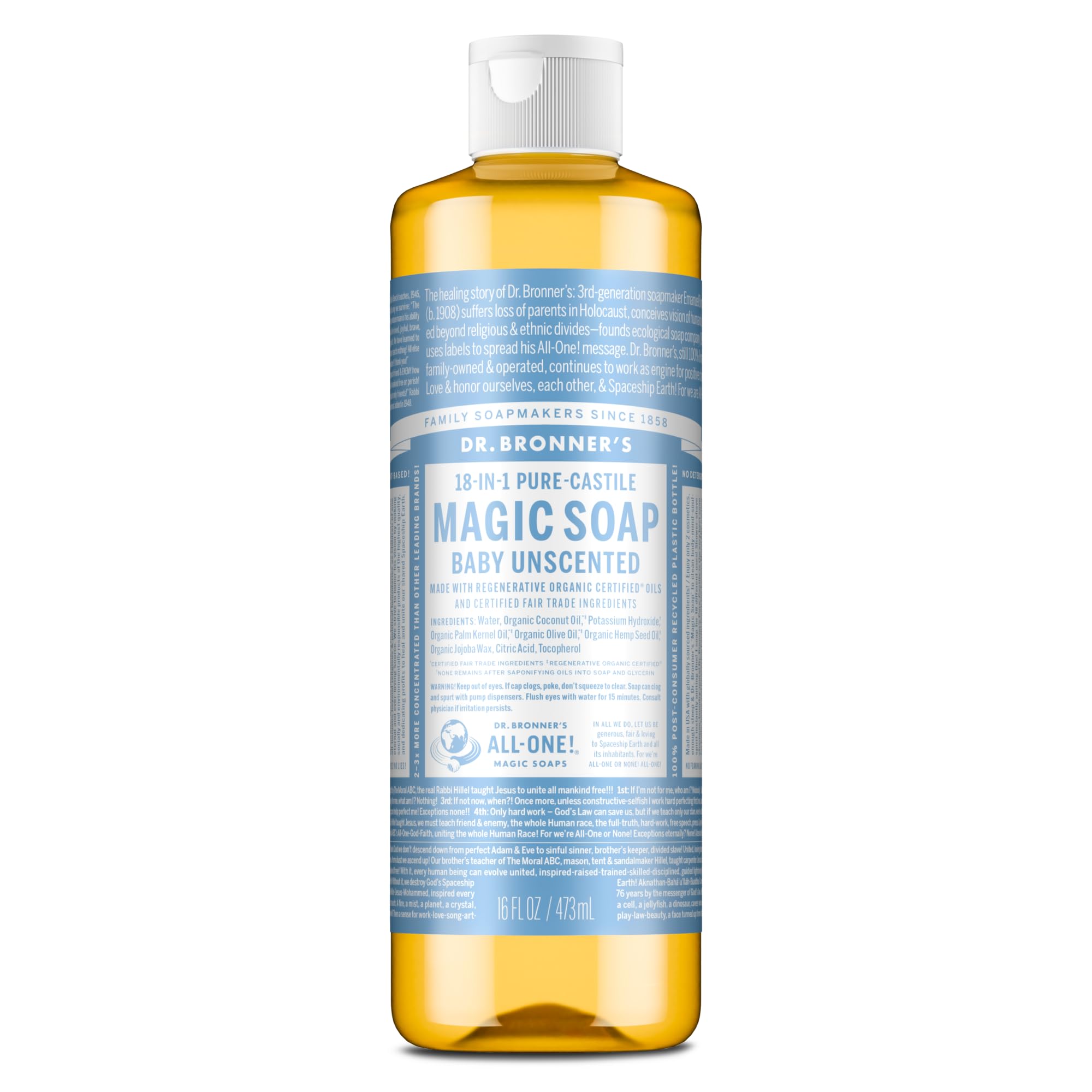
Dr. Bronner’s Baby Unscented Pure-Castile Liquid Soap is the strongest fit in this group because the manufacturer directly publishes instructions for using its liquid Castile soap in a foaming pump. The current ratio is one part soap to three parts water, and the diluted foam soap should be used within one month.
The fragrance-free version is also the simplest starting point if you are trying to minimize unnecessary fragrance. According to Dr. Bronner’s product information, it contains plant-derived oils including coconut, palm, olive, hemp seed, and jojoba and contains no synthetic detergents or added foaming agents.
What People Say
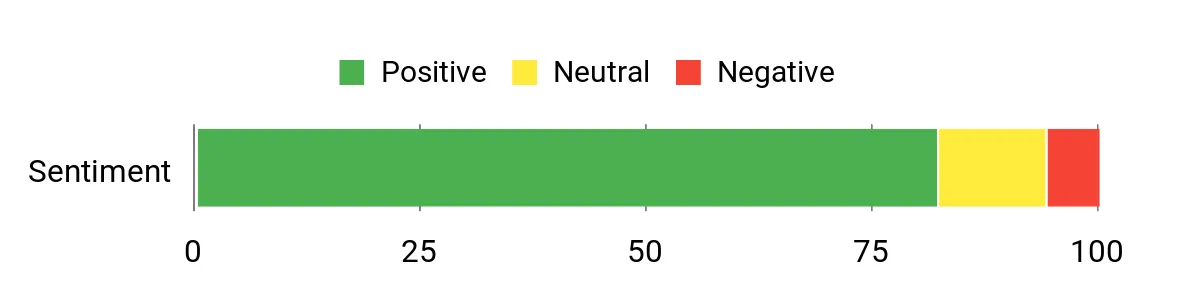
The source draft’s marketplace review summary describes customer feedback as strongly positive, particularly around versatility, fragrance-free use, and the ability to dilute the concentrate. Review text and totals on retail marketplaces change over time, so treat those figures as a snapshot rather than a permanent specification.
Overall Sentiment: Positive in the marketplace feedback summarized for the original article.
Long-Term Savings
The concentrated formula can make multiple foaming-dispenser refills because only one part of each 1:3 batch is soap. Your actual savings depend on local prices, how much soap your household uses, and how long your dispenser lasts, so it is better to view the concentration as a potential cost advantage rather than a guaranteed savings figure.
Return on Investment
The value proposition is strongest if you already want a reusable foaming system and will use the concentrate for several refills. There is no universal payback period because soap prices and household consumption vary.
Situational Benefits
|
Situation |
How It Helps |
|---|---|
|
Daily Hand Washing |
The manufacturer provides a specific 1:3 foaming-pump dilution, making the recipe easy to reproduce. |
|
Guests and Events |
The unscented version avoids adding a strong fragrance to a shared bathroom. |
|
Travel and Multipurpose Kits |
The concentrate has several manufacturer-listed personal and household uses, although each use has its own dilution instructions. |
Environmental Benefits
|
Impact |
Benefit |
|---|---|
|
Reusable Dispenser |
Refilling one foaming bottle can reduce the number of disposable pump bottles your household buys. |
|
Concentrated Product |
Each foaming refill uses one part concentrated soap and three parts water. |
|
Biodegradability |
Dr. Bronner’s states that its Pure-Castile Liquid Soap has been shown to be readily biodegradable under OECD Guideline 310 testing conditions. |
Health Benefits
|
Feature |
Description |
|---|---|
|
No Added Fragrance |
The Baby Unscented version avoids added fragrance and is marketed by the manufacturer for babies and people sensitive to scents. |
|
Simple Scent Control |
Using it without extra fragrance gives you the simplest version of the DIY formula. |
|
Routine Cleansing |
Soap and water can remove dirt, chemicals, and germs when hands are washed and rinsed correctly. |
Emotional Benefits
A straightforward unscented recipe can make the routine easier to manage because you do not have to choose, measure, or store extra fragrance ingredients.
Versatility
The manufacturer lists the liquid Castile soap for hands, body, face, shaving, household cleaning, and other uses. Follow the specific dilution guidance for each application rather than assuming the foaming-hand-soap ratio applies everywhere.
Eco Friendliness
The strongest sustainability case here is practical: the soap is concentrated, the manufacturer packages it in post-consumer recycled plastic, and it can be paired with a refillable dispenser. Those points are more defensible than claiming that any DIY recipe is automatically environmentally superior in every situation.
Key Benefits
- Manufacturer-supported 1:3 foaming-pump dilution
- Fragrance-free starting point
- Concentrated formula
- Plant-oil-based Castile soap with multiple documented uses
Rating snapshot in the source draft: 4.7/5 (approximately 2,585 reviews at the time captured). Marketplace ratings and review counts can change.
NOW Lemon
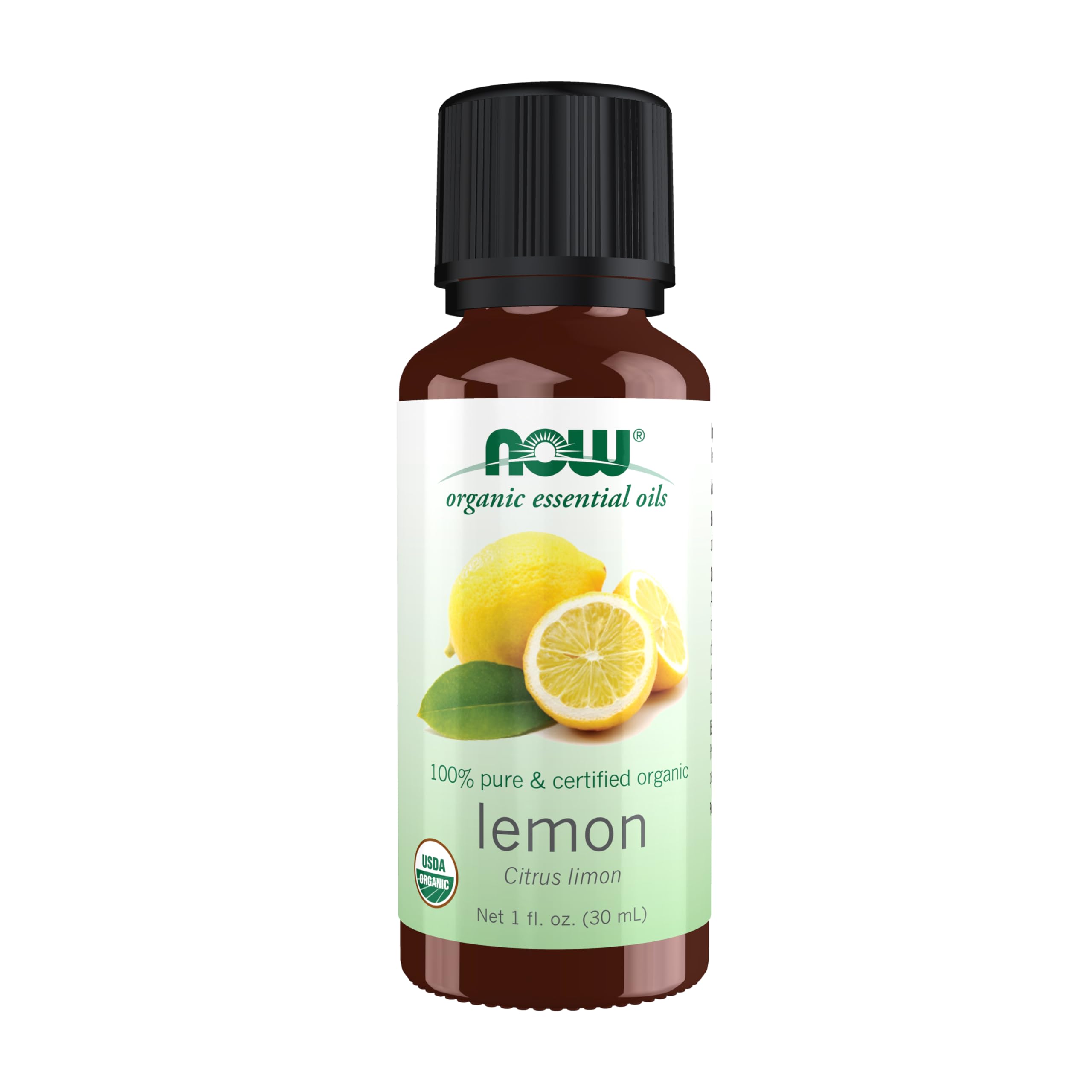
Warning: NOW Foods currently states “Do not use on skin” for this Organic Lemon Oil and warns that it reacts strongly to sunlight and other UV sources. For that reason, this specific product is not recommended here as an ingredient in hand soap.
NOW Organic Lemon Oil has a fresh lemon-peel aroma and is certified organic. According to NOW Foods, it is pure organic lemon oil extracted by cold pressing fresh fruit peel.
It remains useful if you want a concentrated lemon aroma for manufacturer-supported aromatherapy or other appropriate non-skin applications, but its current label makes it a poor fit for the skin-contact purpose at the center of this article.
What People Say
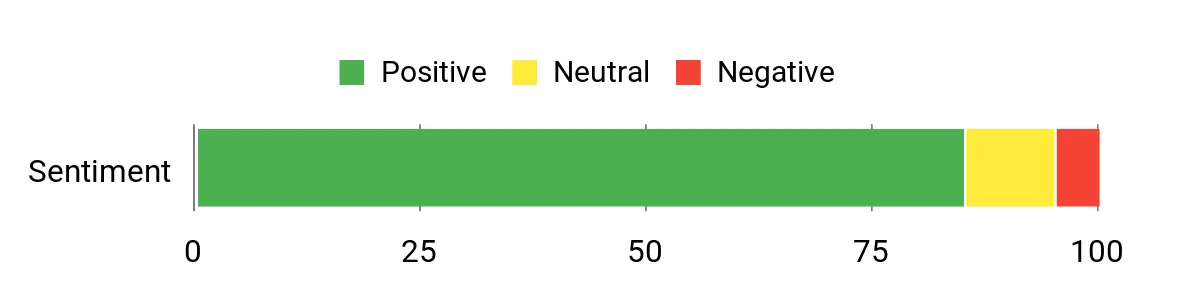
The source draft describes marketplace reviewers as liking its strong, recognizable lemon aroma and concentrated character. Current retail reviews can change, so those comments should be treated as a marketplace snapshot rather than verified performance testing.
Overall Sentiment: Positive in the marketplace feedback summarized for the original draft.
Long-Term Savings
Essential oils are concentrated, so small quantities may be enough for manufacturer-supported aromatic applications. That does not override the product’s safety instructions or make the oil suitable for hand soap.
Return on Investment
Its value depends on whether you already use lemon oil for applications allowed by the label. For this particular foaming-hand-soap project, it should not be purchased on the assumption that it is a suitable skin fragrance.
Situational Benefits
|
Situation |
How It Helps |
|---|---|
|
Foaming Hand Soap |
Not recommended for this use because NOW’s current directions say not to use the product on skin. |
|
Aromatherapy |
NOW markets the oil for aromatherapy and describes the aroma as fresh lemon peel. |
|
Other DIY Uses |
Check the manufacturer’s directions for the exact intended application instead of assuming a general essential-oil recipe is appropriate. |
Environmental Benefits
|
Attribute |
What Is Supported |
|---|---|
|
Concentrated Product |
It is sold as pure lemon essential oil rather than a pre-diluted fragrance product. |
|
Multiuse Potential |
A single oil may fit more than one label-supported aromatic application. |
|
Organic Certification |
NOW states that the product is certified organic by Quality Assurance International. |
Health Benefits
|
Consideration |
Description |
|---|---|
|
Aroma |
NOW describes the aroma as refreshing, cheerful, and uplifting; these are manufacturer aroma descriptors rather than medical claims. |
|
Skin Use |
The current product directions say not to use this oil on skin. |
|
UV Warning |
NOW warns that the oil reacts strongly to sunlight and other ultraviolet sources. |
Emotional Benefits
If you enjoy citrus aromas, its fresh lemon-peel scent may make appropriate aromatic uses more pleasant. That preference is subjective and should not be confused with a therapeutic effect.
Versatility
The oil can be useful for aromatherapy and other uses supported by its label, but the manufacturer’s current skin warning sharply limits its suitability for this foaming-hand-soap project.
Eco Friendliness
The product is certified organic, but there is not enough information here for a full life-cycle comparison against other fragrance options. Avoid treating “organic” alone as proof of a lower total environmental impact.
Key Benefits
- Pure certified-organic lemon oil
- Cold-pressed from fresh lemon peel
- Strong, recognizable citrus aroma
- Clearly documented manufacturer safety instructions
Rating snapshot in the source draft: 4.7/5 (approximately 540 reviews at the time captured). Marketplace ratings and review counts can change.
NOW Lavender

NOW Organic Lavender Oil is a concentrated, steam-distilled essential oil. NOW Foods markets it primarily for aromatherapy and instructs users to carefully dilute it for other uses rather than applying the concentrated oil casually.
Lavender is therefore a more nuanced option than simply counting drops into a soap bottle. If your goal is the lowest-complexity hand soap, use the unscented Castile recipe. If you want to use any lavender product topically, follow that exact product’s directions and discontinue use if your skin reacts.
What People Say
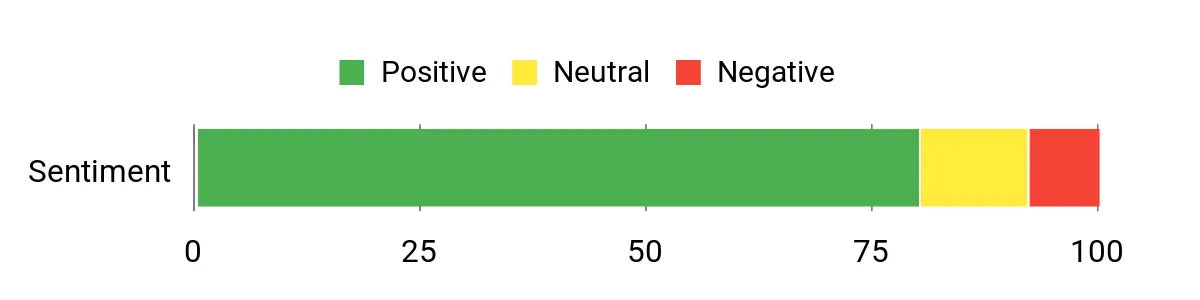
The original marketplace summary describes reviewers as liking the recognizable lavender aroma and its usefulness in aromatic applications. Fragrance strength is subjective, and retail review totals change over time.
Overall Sentiment: Positive in the marketplace feedback summarized for the original article.
Long-Term Savings
Because essential oil is highly concentrated, a bottle may last through many aromatic uses. How long it lasts depends on the application and the manufacturer’s usage directions.
Return on Investment
The strongest value comes if lavender oil already fits several applications you use regularly. Buying it solely for a simple hand-soap recipe is unnecessary because fragrance-free Castile soap works without an essential oil.
Situational Benefits
|
Situation |
How It Helps |
|---|---|
|
Aromatherapy |
Lavender’s floral aroma makes it a common choice for diffuser and aromatic routines. |
|
Guest Bathroom |
If you want the broadest fragrance tolerance among guests, the unscented soap remains the simpler choice. |
|
Topical Products |
Follow the exact manufacturer’s directions and appropriate dilution guidance rather than applying concentrated lavender oil directly. |
Environmental Benefits
|
Attribute |
What It Means |
|---|---|
|
Concentrated Format |
The product is a concentrated essential oil rather than a pre-diluted fragrance. |
|
Organic Product |
NOW lists the oil as USDA Organic and certified organic. |
|
Multiuse Potential |
One bottle may cover several manufacturer-supported aromatic applications. |
Health Benefits
|
Consideration |
Description |
|---|---|
|
Aromatherapy |
Lavender is widely used in aromatherapy, but aroma preference and response vary from person to person. |
|
Topical Reactions |
Topical lavender products can cause allergic skin reactions in some people, according to the National Center for Complementary and Integrative Health. |
|
Concentrated Oil |
NOW warns that natural essential oils are highly concentrated and should be used with care. |
Emotional Benefits
People who enjoy lavender may find the aroma pleasant or relaxing as part of an aromatic routine. Treat that as a personal sensory preference rather than a guaranteed medical or stress-treatment effect.
Versatility
The oil works across manufacturer-supported aromatherapy and other properly diluted uses, but it is not necessary for effective foaming hand soap.
Eco Friendliness
NOW identifies this lavender oil as organic. A full environmental comparison would require more information than the product’s organic status alone.
Key Benefits
- Organic lavender essential oil
- Steam-distilled from flowering tops
- Concentrated floral aroma
- Manufacturer publishes dilution and safety cautions
Rating snapshot in the source draft: 4.6/5 (approximately 607 reviews at the time captured). Marketplace ratings and review counts can change.
Bar5F Dispenser
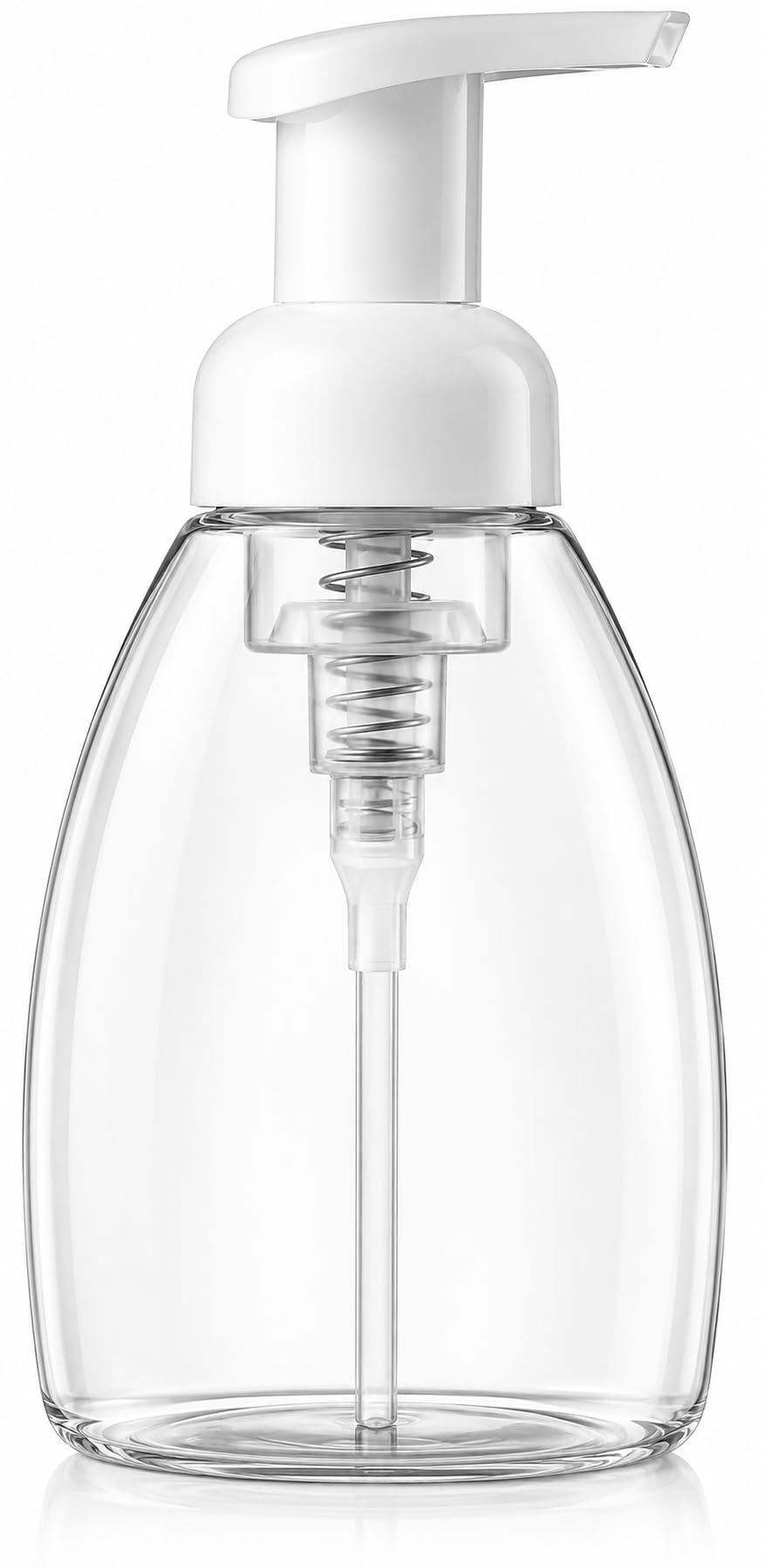
The Bar5F is an 8.5-ounce refillable foaming-pump bottle made specifically for diluted Castile soap and other suitable liquid-soap mixtures. According to the manufacturer’s product page, the bottle is BPA-free PET/PETE 1 and uses a locking foaming pump.
For Dr. Bronner’s 1:3 recipe, about 2 fl. oz. of soap and 6 fl. oz. of water makes a convenient batch while leaving some headspace in this 8.5 fl. oz. bottle.
What People Say
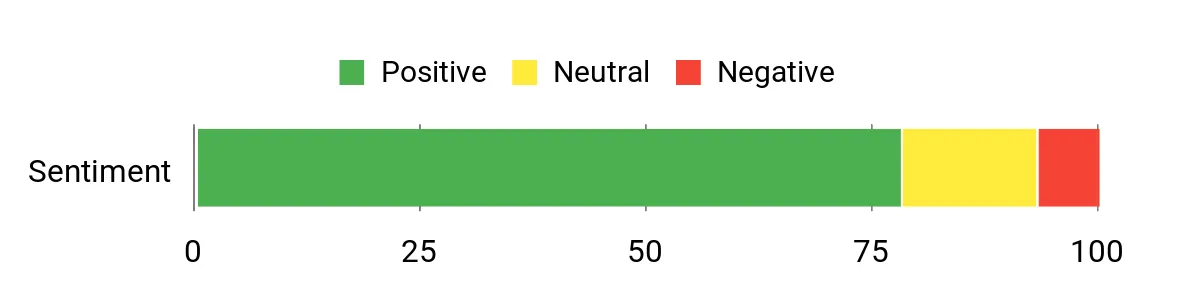
The source draft summarizes customer feedback as generally positive around refillability, foam production, and use with diluted Castile soap. Some users reportedly find the plastic construction basic, which is a fair tradeoff to consider if you prefer glass or a more decorative countertop bottle.
Overall Sentiment: Positive in the marketplace feedback summarized for the original article.
Long-Term Savings
A refillable bottle can reduce repeat purchases of disposable pump bottles. Any dollar savings depend on the soap you use, refill frequency, and how long the pump remains serviceable.
Return on Investment
The dispenser has the clearest value when you plan to make many refills. There is no fixed payback period, but a reusable pump avoids buying a new dispenser with every batch.
Situational Benefits
|
Situation |
How It Helps |
|---|---|
|
Daily Hand Washing |
Its foaming mechanism is designed to dispense appropriately diluted liquid soap as foam. |
|
Guest Bathroom |
The transparent bottle makes the fill level easy to monitor. |
|
Kitchen Sink |
The locking pump and refillable bottle make it practical for frequent sink-side use. |
Environmental Benefits
|
Impact |
Benefit |
|---|---|
|
Reusable Bottle |
Repeated refilling can reduce reliance on a new disposable pump bottle for each purchase. |
|
Diluted Concentrate |
The pump works with recipes in which concentrated soap is diluted according to manufacturer directions. |
|
Replace Less Often |
If the pump remains functional, the same container can serve through many refill cycles. |
Health Benefits
|
Feature |
Description |
|---|---|
|
Measured Dispensing |
A pump provides a repeatable amount more easily than pouring soap directly from a larger bottle. |
|
Foam at the Pump |
The dispenser combines the diluted soap mixture with air as it dispenses, so you do not need to pre-lather it in the bottle. |
|
Cleaner Refill Routine |
A bottle that can be opened, emptied, rinsed, and refilled makes routine container cleaning straightforward. |
Emotional Benefits
A dispenser that foams consistently can make a DIY routine feel simpler because you are not repeatedly adjusting the mixture or struggling with an incompatible standard liquid-soap pump.
Versatility
Bar5F markets the bottle for Castile soap and other suitable concentrated or regular liquid soaps. Dilution requirements still depend on the soap itself, so follow the soap manufacturer’s directions.
Eco Friendliness
The main environmental advantage is reuse: one functioning bottle can be refilled many times instead of being discarded after one fill.
Key Benefits
- 8.5 fl. oz. capacity
- Made for foaming-soap mixtures
- Clear refillable PET/PETE 1 bottle
- Locking pump mechanism
Rating snapshot in the source draft: 4.5/5 (approximately 1,738 reviews at the time captured). Marketplace ratings and review counts can change.
Frequently Asked Questions
How do I dilute Dr. Bronner’s Castile soap for a foaming dispenser?
Use 1 part Dr. Bronner’s Pure-Castile Liquid Soap to 3 parts water. That is the manufacturer’s current foaming-pump dilution. Dr. Bronner’s also says to use the diluted foam-soap mixture within one month.
Are essential oils necessary in homemade foaming hand soap?
No. Essential oils add fragrance but are not needed for the soap to clean your hands. An unscented Castile-soap recipe is simpler and avoids an extra source of fragrance sensitivity.
Are essential oils safe to use in hand soap?
It depends on the exact oil and product directions. Essential oils are concentrated and some are not intended for skin use. Check the label for the exact bottle rather than relying on a universal number of drops. NOW Organic Lemon Oil, for example, currently says not to use it on skin.
Will any foaming pump work with Castile soap?
Use a pump designed to create foam and keep the mixture thin enough for that mechanism. A standard liquid-soap pump does not create foam the same way. If a foaming pump becomes difficult to press, rinse the pump and check that your soap is diluted according to its manufacturer’s directions.
How long does homemade foaming Castile soap last?
For Dr. Bronner’s 1:3 foaming-pump mixture, the current manufacturer guidance is to use it within one month. Start with a clean dispenser, make modest batches, and discard the mixture sooner if its appearance or odor changes.
How long should I wash my hands?
For routine community handwashing, the CDC recommends wetting your hands, applying soap, lathering all surfaces, and scrubbing for about 20 seconds before rinsing and drying them.
Customer Preferences
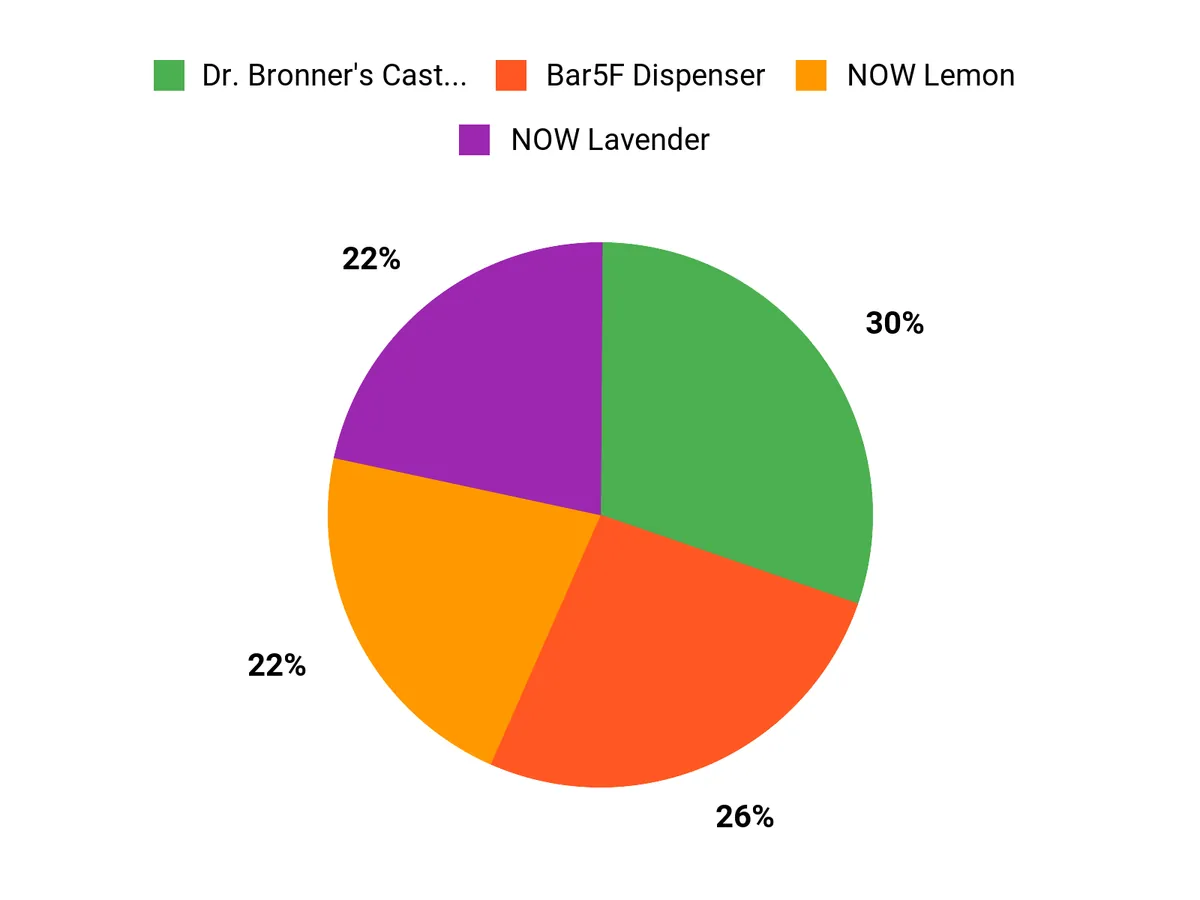
If your priority is the simplest foaming hand soap, the strongest combination in this group is Dr. Bronner’s Baby Unscented Castile soap plus a genuine foaming dispenser. Fragrance is optional. NOW Lavender is better viewed as a separate concentrated aromatic product that requires its own usage precautions, while NOW Lemon should not be added to hand soap because the manufacturer currently says not to use that product on skin.
Wrapping Up
Making foaming hand soap at home can be straightforward when you keep the formula simple. For Dr. Bronner’s Pure-Castile Liquid Soap, use the manufacturer’s current ratio of one part soap to three parts water in a clean foaming dispenser and use the diluted batch within one month.
You do not need essential oil for effective hand washing. If you want fragrance, check the exact product label before adding anything to a skin-contact formula. That matters especially for NOW Organic Lemon Oil, which currently says not to use it on skin.
A refillable foaming pump such as the Bar5F makes the 1:3 recipe easy to dispense. Clean the bottle between batches, avoid indefinitely topping off old soap, and focus on good handwashing technique: lather all surfaces and scrub for about 20 seconds before rinsing.
| Product Name | Image | Rating | Volume | Optimal Use Cases |
|---|---|---|---|---|
| Dr. Bronner’s Baby Unscented Pure-Castile Liquid Soap |
|
Source-draft snapshot: 4.7/5 (2,585 reviews; retail figures change) | 16 fl. oz. (473 mL) |
|
| NOW Essential Oils, Organic Lemon Oil |
|
Source-draft snapshot: 4.7/5 (540 reviews; retail figures change) | 1 fl. oz. (30 mL) |
|
| NOW Essential Oils, Organic Lavender Oil |
|
Source-draft snapshot: 4.6/5 (607 reviews; retail figures change) | 1 fl. oz. (30 mL) |
|
| Bar5F Foaming Soap Dispenser |
|
Source-draft snapshot: 4.5/5 (1,738 reviews; retail figures change) | 8.5 fl. oz. (252 mL) |
|
This Roundup is reader-supported. When you click through affiliate links we may earn a referral commission on qualifying purchases.
Sources
- Dr. Bronner’s Dilutions Cheat Sheet — foaming-pump dilution guidance.
- Dr. Bronner’s Baby Unscented Pure-Castile Liquid Soap — ingredients, product safety, intended uses, and manufacturer information.
- NOW Foods Organic Lemon Oil — extraction method, purity, usage directions, and skin/UV cautions.
- NOW Foods Organic Lavender Oil — extraction method, usage directions, and safety cautions.
- CDC Hand Hygiene FAQ — proper soap-and-water handwashing and 20-second scrubbing guidance.
- FDA Microbiological Safety and Cosmetics — contamination risks involving water, containers, preservation, and consumer handling.