
Choosing the right clay and wood bead mobile supplies makes the project easier to shape, bake, paint, assemble, and hang. The five featured products below cover important parts of that workflow, but a complete mobile also needs structural supplies such as cord, wooden beads, a hanging ring or bar, measuring tools, and safe hanging hardware.
Quick Answer
For a clay and wood bead mobile, start with polymer clay, a protected baking surface, a sharp clay cutter, wooden beads, strong cord, a hanging ring or bar, a ruler, scissors, and a skewer or needle tool for making holes. Paint and clay softener are useful extras for color customization and difficult clay.
Key Takeaways
- The featured products handle baking, clay conditioning, cutting, and painting, but you still need cord, beads, a support, measuring tools, and hanging hardware.
- Follow the curing directions on your clay package rather than using the maximum temperature rating of a baking mat.
- FIMO Soft is designed for beginners and hobby artists; STAEDTLER’s separate FIMO Kids line is specifically designed for children.
- Make hanging holes before curing whenever possible, and test the balance of the full mobile before mounting it.
- Decorative nursery mobiles must remain securely mounted and out of a baby’s reach.
Affiliate disclosure: This roundup contains affiliate links. If you buy through a qualifying link, we may earn a referral commission at no additional cost to you.
Top Picks
|
Category |
Product |
Editorial Score |
|---|---|---|
|
🍳 Best Baking Surface |
88/100 |
|
|
🧑🎨 Best For Beginners |
72/100 |
|
|
💧 Best Clay Softener |
94/100 |
|
|
🌈 Best For Color Mixing |
95/100 |
|
|
🔪 Best For Clean Slices |
90/100 |
How the scores work: These are editorial comparison scores for this specific mobile-making workflow. They weigh usefulness, ease of use, versatility, and how directly each item solves a common crafting problem; they are not laboratory test scores.
How We Chose The Supplies
We focused on supplies that solve specific stages of making a clay and wood bead mobile: conditioning and shaping clay, creating clean cuts, curing pieces on a protected surface, adding color, and preparing components for assembly. We also considered ease of use, repeatability, storage, and whether each item reduces wasted material or rework.
Manufacturer specifications were given more weight than retailer descriptions for technical claims such as curing instructions, product compatibility, and surface use. Dynamic retailer ratings are useful for spotting recurring user feedback, but they can change over time and should not be treated as fixed specifications.
What You Need For A Complete Clay And Wood Bead Mobile
The featured products are only part of a complete kit. Before you start, gather the structural supplies that actually hold the mobile together.
- Polymer clay: for shaped decorative pieces.
- Wooden beads: choose holes large enough for your selected cord.
- Strong cord, fishing line, braided nylon, or similar hanging material: use a material appropriate for the weight of the finished pieces.
- Hanging ring, dowel, hoop, branch, or bar: this carries the suspended strands.
- Skewer, needle tool, or suitable piercing tool: make hanging holes before curing the clay.
- Ruler and scissors: keep strand lengths consistent and trim cord cleanly.
- Protected work and baking surface: prevents uncured polymer clay from contacting vulnerable furniture and gives you a stable curing surface.
- Clay blade or cutter: useful for straight edges, veneers, and lifting thin clay pieces.
- Paint and brush: optional for customizing wooden beads or cured clay.
- Secure mounting hardware: select hardware appropriate for the finished weight and the wall or ceiling material.
Pro Tip: Make every cord hole before curing the polymer clay. Test the hole with the actual cord or line first so you do not discover after baking that the opening is too small.
Plan The Mobile Before You Bake
Lay out the clay pieces, wooden beads, and support on a flat surface before assembly. Decide how many hanging strands you want, measure approximate finished lengths, and distribute heavier pieces so one side does not pull the mobile noticeably lower than the other.
When the clay pieces are ready, cure them according to the clay manufacturer’s package directions. Sculpey recommends using an oven thermometer, preheating the oven, using an oven-safe surface, never using a microwave, and avoiding temperatures or times above the product instructions.
Warning: A decorative mobile is not a grasping toy. If it is installed near a crib, keep every bead, cord, and hanging component securely attached and completely out of reach. The American Academy of Pediatrics advises removing hanging crib mobiles when a baby begins pushing up on hands and knees or reaches 5 months of age, whichever comes first.
Sculpey Mat

The Sculpey Tools Oven-Safe Work Mat gives you a reusable silicone surface for shaping and curing polymer clay. Sculpey lists the mat at 7.75 by 13 inches, describes it as non-skid and reusable, and states that it should not be used above 550°F (287°C).
That 550°F figure is the mat’s maximum limit, not a recommended clay-curing temperature. Always use the time and temperature printed on the polymer clay package. The mat is especially useful when you want to shape pieces on one surface and move that same surface onto a metal baking pan with minimal handling.
What People Say
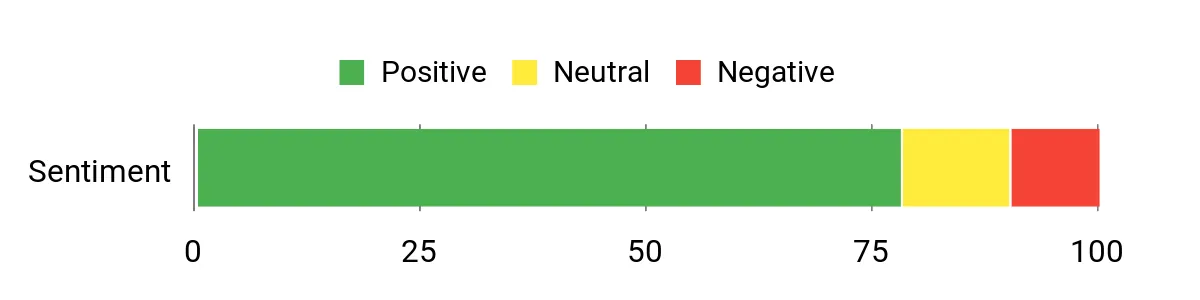
Customer feedback commonly favors the mat for its nonstick behavior, compact size, and ability to keep small clay projects together during shaping and transfer. Those are also consistent with the manufacturer’s intended use as a reusable, oven-safe work surface.
Users also appreciate having one surface that can protect a table during clay work and move directly to the curing stage.
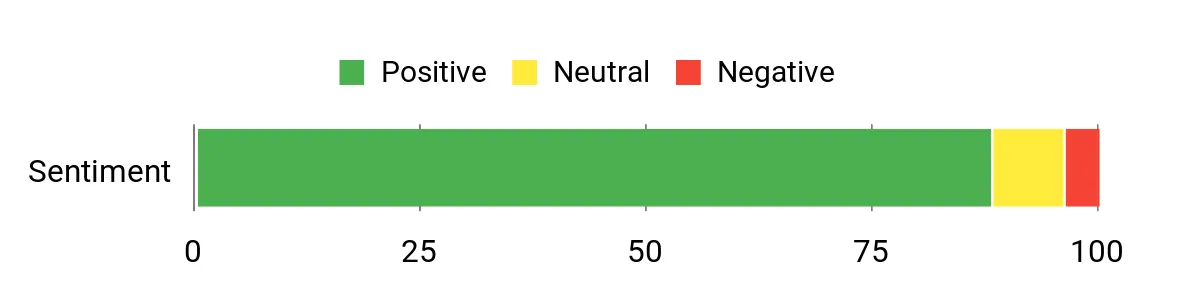
Overall Sentiment: Positive
Long-Term Cost Benefits
A reusable silicone mat can replace some disposable work-surface materials and helps protect the table beneath your project. Its larger value is consistency: you can shape, organize, and transfer small parts without repeatedly moving them by hand.
Return On Investment
For frequent polymer-clay work, a dedicated mat can save setup and cleanup time while reducing accidental distortion during transfers. Occasional crafters can also use a metal, glass, or other manufacturer-approved oven-safe surface if they do not need a dedicated mat.
Situational Benefits
|
Situation |
How It Helps |
|---|---|
|
Small Workspaces |
The 7.75-by-13-inch footprint provides a defined clay area without taking over a large table. |
|
Kid Projects |
A dedicated surface helps contain clay work, but an adult should handle oven curing and hot baking equipment. |
|
Portable Crafting |
The thin silicone format is easier to store than a rigid board or tile. |
|
Batch Baking |
You can arrange several small pieces on one surface and transfer them together to an appropriate baking pan. |
Quick Use Guide
Place the mat on a stable work surface with the non-skid backing against the table. Shape and arrange your polymer-clay pieces, transfer the mat to an oven-safe pan if needed, and cure the clay using the clay manufacturer’s specified temperature and time.
Let the project cool before handling it. Sculpey states that the mat can be cleaned with soap and water.
Ease Of Use
|
Feature |
Ease Level |
|---|---|
|
Setup / Storage |
Very Easy |
|
Baking Transfer |
Very Easy |
|
Cleaning |
Easy |
|
Project Organization |
Easy |
Versatility
It is designed primarily for polymer-clay work and can also serve as a protective craft surface for compatible paints, glues, and small mixed-media tasks.
Practicality
The mat is thin, reusable, and easy to store. Its non-skid design is useful when you are shaping small components that need to stay aligned.
Expertise Level
Beginner To Advanced
Key Benefits
- Reusable nonstick working and baking surface
- Manufacturer says not to use above 550°F (287°C)
- Compact 7.75-by-13-inch size
- Non-skid design helps keep the work surface in place
Rating shown in the supplied retailer snapshot: 4.3 (288+ ratings at the time captured; retailer totals can change)
Fimo Soft

FIMO Soft is an oven-hardening polymer clay aimed at beginners and hobby artists. STAEDTLER describes the standard block as soft and smooth, divided into portions for easier blending, and suitable for jewellery, accessories, and home décor.
The important distinction is that FIMO Soft is not STAEDTLER’s child-specific formula. FIMO Kids is the line the manufacturer specifically describes as designed for children. FIMO Soft remains a useful beginner clay for mobile pieces, especially when you want to shape beads, arches, geometric ornaments, or other lightweight decorative forms.
What People Say
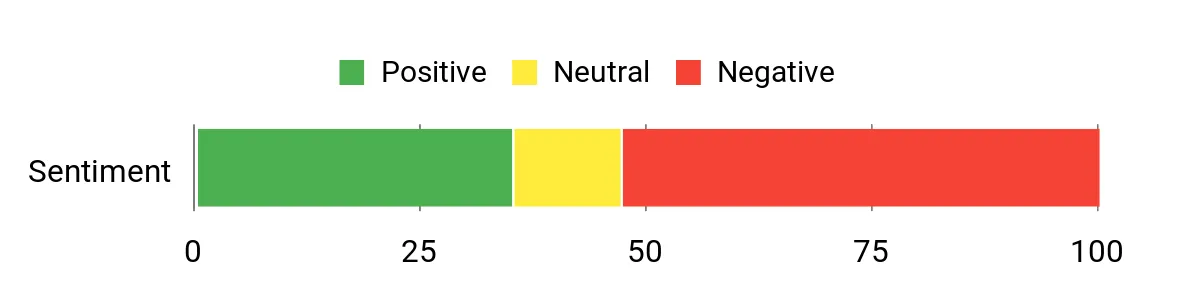
Customer reports in the supplied review summary were mixed on block softness. Some users found it easy to condition, while others received firmer material that required more kneading. That makes proper conditioning important before you judge whether a block is usable.
STAEDTLER currently describes FIMO Soft as compatible with FIMO Effect, FIMO Leather-Effect, and FIMO Professional.
Overall Sentiment: Neutral
Long-Term Cost Benefits
A 2-ounce block is a manageable size for testing colors, shapes, and proportions before you buy larger quantities. Conditioning only the amount you need also helps keep the remaining clay cleaner and easier to store.
Return On Investment
FIMO Soft is most useful when you want a beginner-friendly clay that can move from practice pieces into finished décor. If a block is unusually hard or partially cured, extra conditioning time can reduce that convenience.
Situational Benefits
|
Situation |
How It Helps |
|---|---|
|
Beginner Projects |
The soft-and-smooth formulation is intended to be approachable for beginners and hobby artists. |
|
Quick Prototyping |
You can make a sample mobile piece to check its size, color, hole placement, and weight before producing a full batch. |
|
Mixing FIMO Lines |
STAEDTLER documents compatibility with FIMO Effect, Leather-Effect, and Professional, giving you more texture and color options. |
|
Home Décor |
The cured clay can be used for decorative accessories and home-decor components when prepared and baked correctly. |
Quick Tips
Warm and knead the clay until it becomes pliable. Shape the pieces, make hanging holes before baking, and cure the clay at 110°C (230°F) for 30 minutes according to STAEDTLER’s current FIMO Soft instructions. Let pieces cool completely before sanding, painting, or assembling them.
Ease Of Use
|
Feature |
Ease Level |
|---|---|
|
Conditioning |
Easy To Moderate |
|
Shaping |
Easy |
|
Baking |
Easy With Adult Oven Handling |
|
Color Mixing |
Easy |
Versatility
Useful for decorative beads, ornaments, small sculptures, jewellery components, and home-decor shapes. Its compatibility with other current FIMO lines gives you additional options for effects and firmness.
Practicality
The small block format is convenient for testing colors without committing to a large quantity. Store unused clay cleanly and away from excessive heat.
Expertise Level
Beginner To Intermediate
Key Benefits
- Soft-and-smooth formulation for beginners and hobby artists
- Standard 57 g / 2 oz block format
- Compatible with several current FIMO product lines
- Manufacturer curing direction: 110°C / 230°F for 30 minutes
Rating shown in the supplied retailer snapshot: 3.8 (17+ ratings at the time captured; retailer totals can change)
Sculpey Softener

Sculpey Clay Softener & Thinner is useful when polymer clay is firm, dry, or crumbly enough that normal conditioning is not getting you where you need to be. Sculpey says a few drops can improve firm clay and that the same product can thin Liquid Sculpey.
For mobile projects, that is most useful when you need consistent pliability across several matching pieces. The key is restraint: the manufacturer recommends adding the softener gradually because too much can make clay excessively soft.
What People Say
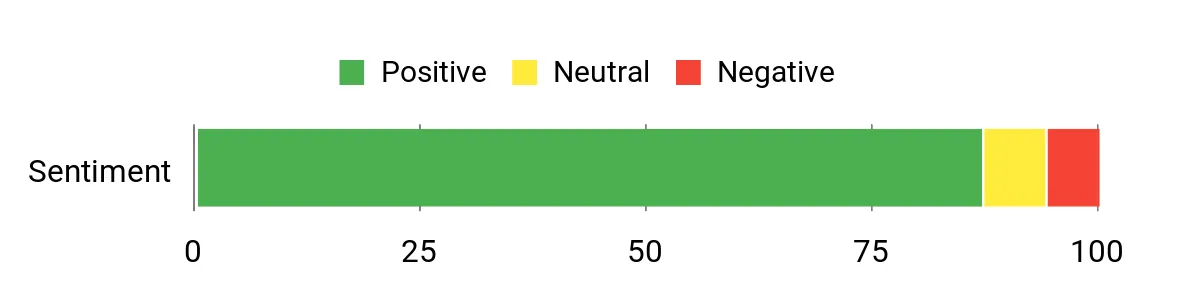
Customer feedback commonly highlights the ability to rescue clay that would otherwise be frustrating to condition. Precise drop-by-drop application is especially helpful because a small amount can noticeably change the texture.
Overall Sentiment: Positive
Long-Term Cost Benefits
If a block is merely dry or crumbly rather than partially cured, controlled softening can restore useful material instead of sending it to the trash. That can reduce waste for crafters who keep several colors on hand.
Return On Investment
The value is highest for makers who regularly encounter firm clay or use Liquid Sculpey that needs thinning. If your clay normally conditions easily, the bottle may remain an occasional troubleshooting tool rather than a daily essential.
Situational Benefits
|
Situation |
How It Helps |
|---|---|
|
Dry Or Crumbly Clay |
A small amount can improve workability when normal kneading is not enough. |
|
Liquid Sculpey Too Thick |
Sculpey specifically documents the product for thinning Liquid Sculpey. |
|
Matching Mobile Pieces |
Consistent clay softness can make repeated shaping and cutting easier across a batch. |
|
Small Studio Setup |
The one-ounce bottle is easy to keep with a compact clay kit. |
Quick How-To
Start with a small amount of clay. Add one drop of softener and knead thoroughly before deciding whether you need more. Continue gradually until the clay reaches the desired consistency.
For Liquid Sculpey, add only a small amount at a time and stir thoroughly. Protect finished furniture and other vulnerable surfaces from uncured polymer-clay products.
Ease Of Use
|
Feature |
Ease Level |
|---|---|
|
Application Control |
Very Easy |
|
Conditioning |
Easy |
|
Cleanup |
Easy With A Protected Surface |
|
Storage |
Easy |
Versatility
Its documented uses include softening firm polymer clay and thinning Liquid Sculpey. Because formulations vary, follow the instructions for the specific clay products you are combining.
Practicality
The twist-cap bottle gives you good dosing control, which matters because over-softening creates a second problem instead of solving the first.
Expertise Level
Beginner To Advanced
Key Benefits
- Helps soften firm, dry, or crumbly polymer clay
- Can thin Liquid Sculpey
- Twist cap supports controlled drop-by-drop use
- Compact one-fluid-ounce bottle
Rating shown in the supplied retailer snapshot: 4.7 (2,354+ ratings at the time captured; retailer totals can change)
Liquitex Paint
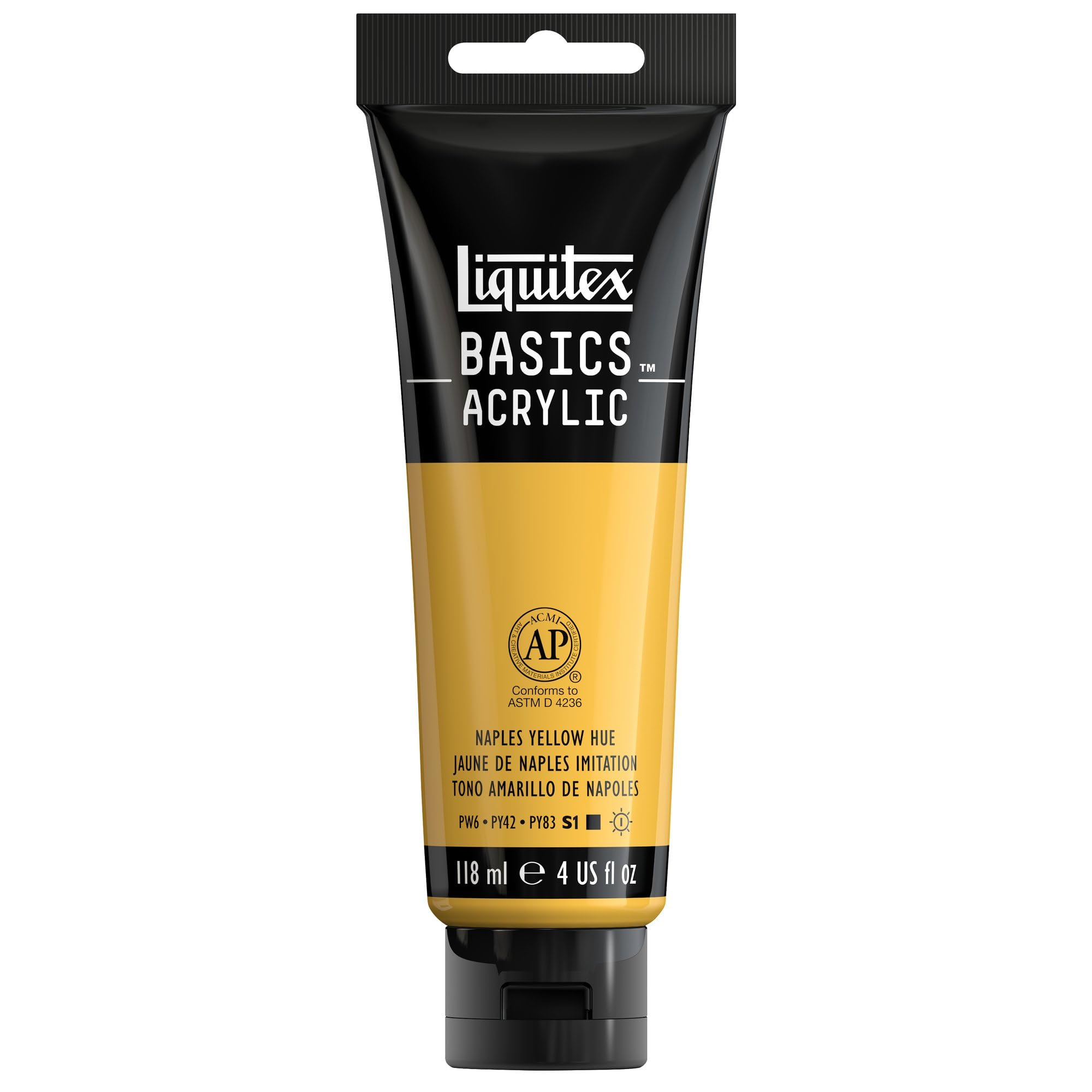
Liquitex BASICS Naples Yellow Hue is a medium-viscosity acrylic rather than a heavy-body paint. Liquitex describes the BASICS line as using lightfast fine-art pigments at a lighter pigment load than its professional range, with a satin finish and easy blending.
For a clay-and-wood-bead mobile, its clearest role is painting wooden beads, wood supports, and decorative accents. Liquitex lists wood among compatible surfaces, and Sculpey also documents acrylic paint as an option for detailing cured polymer clay. Test adhesion on a spare cured clay piece before committing to a full batch.
What People Say
Customer feedback commonly mentions easy blending, useful color choices, and good value for everyday art and craft work. The medium-viscosity consistency gives you more control than a highly fluid paint while remaining easier to spread than a true heavy-body acrylic.
Overall Sentiment: Positive
Long-Term Cost Benefits
Acrylic paint lets you buy plain wooden beads or supports and customize them instead of searching for an exact prefinished color. Mixing a small palette can also produce several coordinated shades from fewer tubes.
Return On Investment
The paint is useful beyond mobiles for paper, board, wood, masonry, metal, stone, ceramics, textiles, and other compatible craft surfaces, so leftover paint is easy to reuse in future projects.
Situational Benefits
|
Situation |
How It Helps |
|---|---|
|
Painting Wooden Beads |
Medium-viscosity acrylic gives you controlled coverage on small rounded surfaces. |
|
Detailing Cured Clay |
Use thin coats on a clean cured test piece first to confirm adhesion and appearance. |
|
Color Mixing Practice |
The BASICS line is designed for blending and color exploration, making it useful for coordinating several mobile elements. |
|
Decorative Home Projects |
The paint can be reused on many rigid and porous craft surfaces after the mobile is complete. |
Quick Tips
Sand unfinished wood lightly if needed, remove dust, and apply thin coats instead of one heavy coat. Allow each coat to dry before adding the next. If you plan to varnish the mobile, make a test piece first to make sure the paint, clay, and finish remain compatible.
Ease Of Use
|
Feature |
Ease Level |
|---|---|
|
Mixing |
Easy |
|
Coverage |
Easy |
|
Drying |
Easy |
|
Cleanup While Wet |
Easy |
Versatility
Liquitex lists BASICS for surfaces including canvas, paper and board, wood and masonry, metal, Styrofoam, stone and ceramics, and textiles. That makes the tube useful for many projects beyond this mobile.
Practicality
The medium-viscosity formula is a sensible middle ground for small craft pieces: thick enough for controlled brush application but not marketed as a heavy-body impasto paint.
Expertise Level
Beginner To Advanced
Key Benefits
- Medium-viscosity acrylic with a satin finish
- Fine-art pigments with a lighter pigment load than Liquitex Professional paint
- Designed for easy blending and color mixing
- Suitable for wood and several other common craft surfaces
Rating shown in the supplied retailer snapshot: 4.8 (210+ ratings at the time captured; retailer totals can change)
Lxnoap Cutter
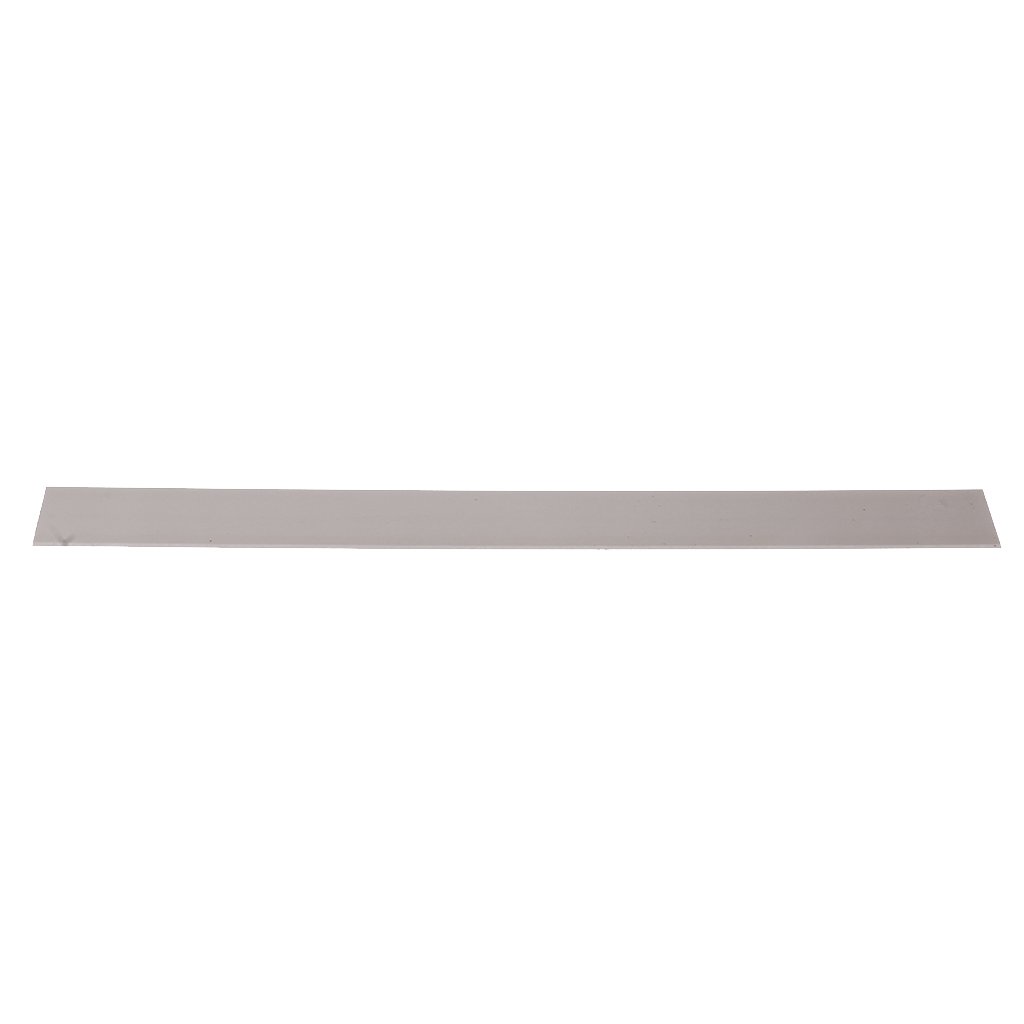
This thin stainless-style clay cutter is included for one main reason: a long, straight blade can make cleaner slices through conditioned polymer clay than many general-purpose craft tools. That is useful when you want matching edges, veneers, strips, or repeated mobile components.
The exact brand and manufacturer documentation for the linked listing are not clear enough to support strong durability claims, so treat it as a basic sharp cutting tool rather than a verified professional-grade blade.
What People Say
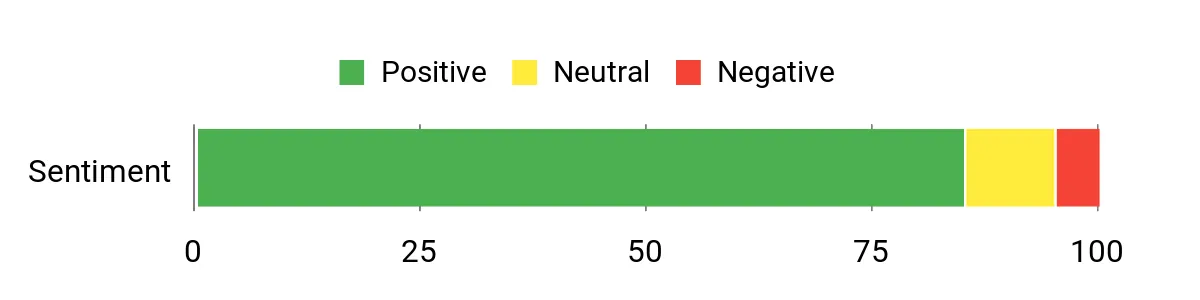
The supplied customer-review summary emphasizes easy slicing, flexibility, and faster repetitive cutting. Several users also warn that the blade is sharp, which is the most important practical consideration when choosing where and how to store it.
Overall Sentiment: Positive
Long-Term Cost Benefits
Cleaner initial cuts can reduce later trimming and sanding. The financial benefit depends mainly on how often you make repeated shapes rather than on any verified lifespan claim for this specific blade.
Return On Investment
If your mobile design uses many repeated geometric pieces, a straight blade can save time by making consistent edges and lifting thin clay with less distortion.
Situational Benefits
|
Situation |
How It Helps |
|---|---|
|
Matching Mobile Pieces |
Long straight cuts help you keep repeated edges more consistent. |
|
Sheeting And Veneers |
A thin blade can cut and lift flat clay sections with less finger handling. |
|
Portable Crafting |
The tool is compact, but the cutting edge must be protected during transport. |
|
Fine Detail Lifts |
A thin edge can slide beneath delicate pieces before they are moved to the bake surface. |
Quick Guide
Work on a suitable cutting surface, keep fingers out of the blade path, and make smooth cuts instead of forcing the metal through firm clay. Keep the sharp edge clearly identified and covered during storage. Retire the blade if it becomes damaged or difficult to control.
Ease Of Use
|
Feature |
Ease Level |
|---|---|
|
Cutting Precision |
Easy |
|
Handling |
Moderate Because The Blade Is Sharp |
|
Maintenance |
Moderate |
|
Storage |
Easy With Edge Protection |
Versatility
A straight flexible blade can be useful for slicing, lifting, trimming, and preparing repeated clay components for jewellery, beads, and hanging décor.
Practicality
The tool is lightweight and compact. Its usefulness comes from the thin cutting edge, but that same edge requires careful handling and secure storage.
Expertise Level
Beginner To Advanced With Appropriate Blade Safety
Key Benefits
- Useful for straight, repeatable polymer-clay cuts
- Thin edge can lift flat pieces with minimal handling
- Compact enough for a small clay tool kit
- Useful for repeated geometric components
Rating shown in the supplied retailer snapshot: 4.5 (384+ ratings at the time captured; retailer totals can change)
Frequently Asked Questions
How do I safely bake and transfer polymer clay pieces?
Use a protected, oven-safe work surface and follow the exact curing directions for your clay. Preheat the oven, verify the temperature with an oven thermometer, and never microwave polymer clay. Do not use the Sculpey work mat above its 550°F (287°C) manufacturer limit, but remember that normal polymer-clay curing temperatures are determined by the clay package, not by the mat’s maximum temperature. Let pieces cool before assembly.
What should I do if my clay is hard or crumbly?
First warm and knead a small amount thoroughly. If the clay is still firm or crumbly, add a compatible clay softener one drop at a time and knead before adding more. If clay has been partially cured by excessive heat during storage, softener may not restore it.
Which tools and finishes give clean beads and durable wooden elements?
Use a sharp clay blade for clean polymer-clay edges, make hanging holes before curing, and lightly sand unfinished wood when necessary before painting. Apply acrylic paint in thin coats and allow it to dry fully. If you plan to add a varnish or sealer, test the complete paint-and-finish combination on a spare piece first.
What cord should I use for a clay and wood bead mobile?
Choose strong cord, braided nylon, fishing line, or another hanging material that fits through your bead and clay-piece holes and comfortably supports the finished weight. Test one complete strand before building the rest, and use secure knots or hardware appropriate to the material.
Can I hang a handmade bead mobile over a baby’s crib?
Only if it is securely installed and completely out of reach. Small beads and hanging cords can become hazards if a child can pull the mobile down. The American Academy of Pediatrics advises removing hanging crib mobiles when a baby begins pushing up on hands and knees or reaches 5 months of age, whichever happens first.
Customer Preferences
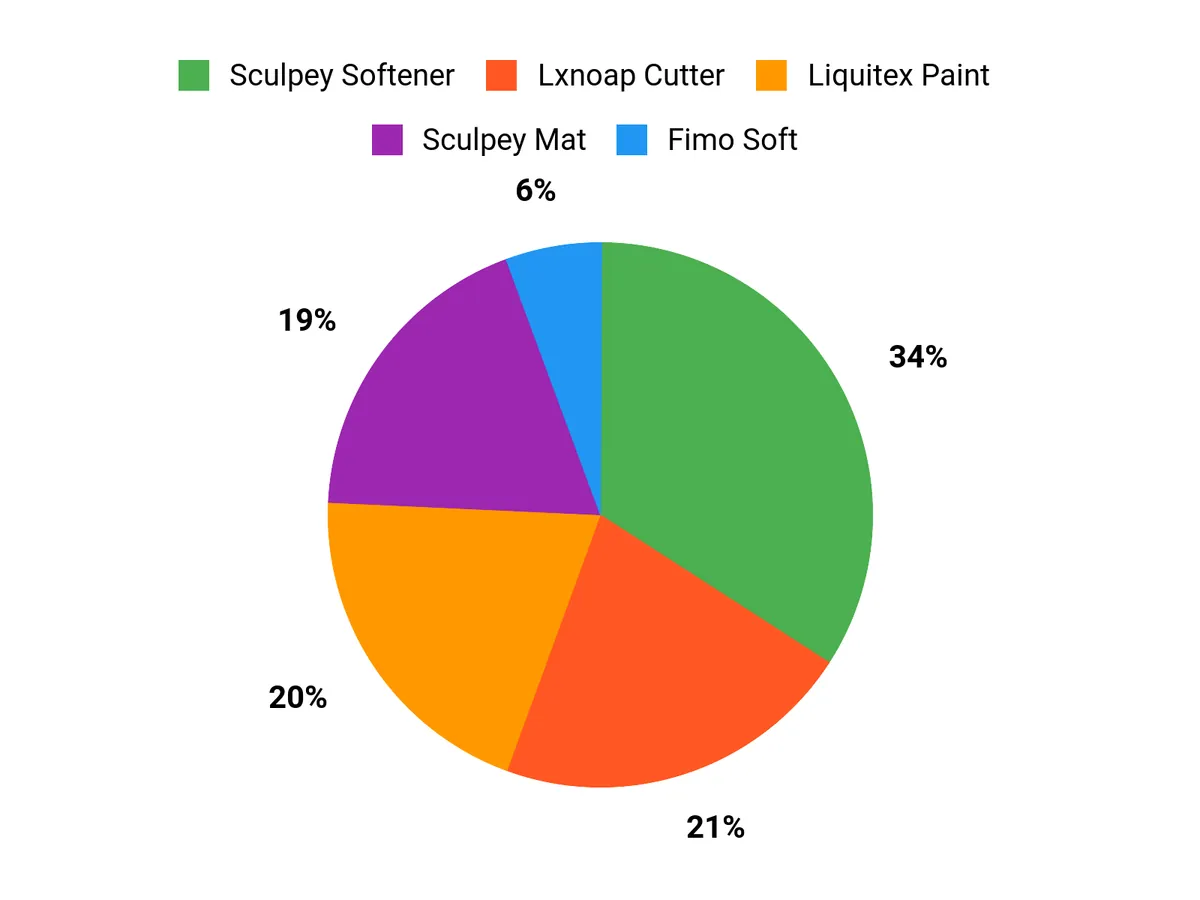
The best supply depends on the part of the workflow causing trouble. Choose the Sculpey mat when you want a dedicated shaping-and-baking surface, FIMO Soft when you need beginner-friendly polymer clay, Sculpey Softener when otherwise usable clay is too firm or crumbly, Liquitex BASICS when you want customizable color, and a flexible cutter when your design depends on clean repeated edges.
For the mobile as a whole, however, compatibility matters more than any single product score. Your cord must fit the holes, the support must carry the finished weight, the clay must be cured correctly, and every hanging connection must remain secure.
Wrapping Up
A polished clay and wood bead mobile depends on more than choosing attractive clay colors. You need a reliable work surface, properly conditioned clay, clean cutting tools, well-prepared wooden components, strong hanging material, and a balanced support system.
The Sculpey mat simplifies work and transfer, FIMO Soft provides an approachable clay option, Sculpey Softener helps with difficult clay, Liquitex BASICS adds customizable color, and a thin cutter improves repeated edges. Combine those tools with cord, beads, a support, measuring tools, and secure hardware to build the complete project.
Above all, follow the curing instructions for the exact clay you use and treat any nursery mobile as hanging décor that must remain completely out of a child’s reach.
Clay-Specific Product Comparison
| Polyform Sculpey Tools Oven-Safe Work Mat | Staedtler Fimo Soft Polymer Clay 2 Ounces-8020-0 White | Sculpey Clay Softener and Thinner 1floz Clear | |
|---|---|---|---|
|
|
|
|
|
| Rating | 4.3/5 (288 reviews in supplied snapshot) | 3.8/5 (17 reviews in supplied snapshot) | 4.7/5 (2,354 reviews in supplied snapshot) |
| Material | Silicone | Polymer Clay | Liquid clay softener/thinner |
| Dimensions | 7.75″ H x 13″ W | 2.15 x 0.65 x 2.15 inches in supplied listing | 3.88 x 1.19 x 1.19 inches in supplied listing |
| Use Cases |
|
|
|
| Shop Now | Shop Now | Shop Now |
Sources
- Sculpey — Oven-Safe Work Mat — dimensions, reusable silicone construction, non-skid design, cleaning, and 550°F maximum.
- Sculpey — Frequently Asked Questions — polymer-clay baking, oven thermometer, ventilation, adult baking, and microwave warnings.
- STAEDTLER — FIMO Soft — beginner positioning, compatibility, block size, and 110°C/30-minute curing instructions.
- Sculpey — Clay Softener & Thinner — softening firm clay, thinning Liquid Sculpey, and controlled dosing.
- Liquitex — BASICS Naples Yellow Hue — medium viscosity, pigment characteristics, safety certification, and surface compatibility.
- American Academy of Pediatrics — How to Buy Safe Toys — crib-mobile reach and removal guidance.
This Roundup is reader-supported. When you click through links we may earn a referral commission on qualifying purchases.