
Birch bark bookmarks look simple, but the finish determines whether they stay flat and usable or begin flaking, bubbling, and separating after regular handling. The best approach is to start with thin, clean, fully dry bark, back it with cardstock when extra support is needed, and then either seal it for a natural feel or laminate it for stronger everyday protection.
Quick Answer
For birch bark bookmarks, use thin, dry, flat bark and test your finishing method on scrap first. A matte acrylic varnish preserves more of the bark’s natural texture, while a thermal laminator creates a smoother, wipeable surface. If laminating, use pouch thicknesses measured in mil, not millimeters, and keep a sealed border around the finished bookmark.
Key Takeaways
- Use naturally shed, fallen, purchased, or permissioned birch bark rather than casually stripping bark from a living tree.
- Thin, flat bark is easier to glue, seal, and laminate without raised pockets.
- Liquitex BASICS Matte Varnish is manufacturer-specified for acrylic surfaces, so direct use on raw birch bark should always be tested on scrap first.
- SINOPUREN laminating pouches are described in mil; 3 mil is the lighter option, while 5 mil creates a stiffer finished piece.
- After lamination, let the pouch cool flat before trimming and leave a narrow sealed plastic border to reduce moisture entry and delamination.
At a Glance
| Time Required | About 30–60 minutes of hands-on work, plus drying/flattening time as needed |
| Difficulty | Beginner to intermediate |
| Tools Needed | Soft brush, ruler, scissors or craft knife, optional cardstock and glue, soft varnish brush or laminator, and optional hole punch |
| Cost | Low if you already own basic craft tools; higher if you need to buy a laminator |
Affiliate disclosure: This article contains affiliate links. If you make a qualifying purchase through one of them, we may earn a commission at no additional cost to you.
Top Picks
|
Category |
Product |
Score |
|---|---|---|
|
🛡️ Best Protective Varnish |
94/100 |
|
|
💼 Best Craft Laminator |
90/100 |
About the scores: These are editorial fit scores from the original comparison, not laboratory test scores. They are most useful for comparing how well each product fits this specific craft rather than treating the numbers as universal product ratings.
Selection Criteria
When you pick supplies for birch bark bookmarks, you need options that protect fragile material, remain manageable for hobby use, and preserve the bark’s appearance. Priority went to durability, clear finishes, straightforward operation, practical versatility, and the ability to produce a clean bookmark without excessive bulk.
We also considered manufacturer specifications, ease of troubleshooting, finishing flexibility, reusable value for other craft projects, and customer feedback where available. Price is treated as a secondary factor because online pricing and availability can change frequently.
Before You Start: Choose and Prepare the Birch Bark
Start with bark that is thin enough to lie mostly flat. Naturally shed or fallen pieces are the simplest option for beginners. Purchased craft bark is another predictable choice. If material is being collected from private or managed land, get permission first and respect local rules, landowner requirements, and Indigenous or Tribal rights associated with traditional gathering areas.
Warning: Do not casually strip bark from a living birch tree. The University of Minnesota Extension cautions inexperienced collectors about sustainability and recommends respecting landowner and Tribal rights. For a small craft project, naturally shed, fallen, purchased, or otherwise permissioned material is the safer starting point.
Brush away loose dirt with a soft brush. If the bark curls, place it between clean absorbent paper and two flat boards, then add weight until it dries flatter. Separate only loose outer layers; do not force apart sound layers if that makes the bark tear.
For a typical bookmark, trim the bark to roughly 1.5–2 inches wide and 5–6 inches long. Exact dimensions are flexible, but keep the finished piece thin enough to sit comfortably between book pages. If the bark feels fragile, glue it to cardstock or heavy craft paper and let the adhesive dry completely before applying varnish or using a laminator.
Pro Tip: Make one scrap test before finishing your best piece. Birch bark varies in thickness, surface oils, texture, and flexibility, so a varnish or laminating setup that works perfectly on one sheet may behave differently on another.
How to Make a Birch Bark Bookmark
1. Clean and Flatten the Bark
Gently brush away loose fibers and debris. Flatten curled pieces under weight until they are dry and reasonably level. A laminator works best when the insert does not have thick ridges or raised layers.
2. Trim the Bookmark Shape
Use a ruler and sharp scissors or a craft knife to cut a long rectangle. Keep one naturally irregular edge if you want a more organic look, but remove loose projections that could catch on pages.
3. Add a Backing if Needed
If the bark is extremely thin or brittle, cut cardstock to the same general size and glue the bark to it. Press the assembly flat while the adhesive dries. Do not laminate or varnish until glue and moisture have fully dried.
4. Choose Varnish or Lamination
Choose varnish if preserving the bark’s tactile texture matters most. Choose lamination if you prefer a smooth, wipeable surface and stronger resistance to routine handling. Because Liquitex specifies BASICS Matte Varnish for acrylic surfaces rather than raw bark, test it on scrap before committing to the finished bookmark.
5. Finish the Edges
After varnish has fully dried, inspect the bookmark for rough fibers and trim only loose material. After lamination, let the pouch cool flat first. Then trim around the bookmark while leaving a narrow clear plastic seal around every side. Fellowes recommends about a 1/8-inch border to help keep a laminated item sealed.
6. Add an Optional Tassel
If you want a tassel, punch a hole near the top after the bookmark is fully finished. Keep the hole far enough from the edge that it does not tear through the bark, backing, or laminate. Thread cord or ribbon through the opening and secure it with a simple lark’s-head-style loop or knot.
Liquitex Varnish

If your goal is to keep more of the bark’s natural texture visible, Liquitex BASICS Matte Varnish is the less enclosing of these two finishing options. Liquitex describes it as a permanent, transparent matte acrylic varnish that dries to a flexible, non-tacky surface and resists yellowing, humidity-related fogging, dirt buildup, and UV-related color damage.
There is one important limitation for this project: Liquitex specifies BASICS varnishes for acrylic surfaces, not raw birch bark. That means using it directly on natural bark is a craft adaptation rather than a manufacturer-validated substrate application. Test a small offcut first and check for adhesion, cloudiness, unwanted darkening, and flexibility after drying.
What People Say
Customer feedback commonly mentions straightforward application and a clear matte result. Some users also comment on value and bottle size. Treat marketplace review totals as a changing snapshot rather than a permanent specification because ratings and review counts can change over time.
Overall Sentiment: Positive

|
Pros |
Cons |
|---|---|
|
✅ Clear, non-yellowing matte protection on manufacturer-approved acrylic surfaces |
❌ Raw birch bark is not listed by Liquitex as an approved substrate, so testing is essential |
|
✅ Manufacturer recommends thin coats and soft-brush application |
❌ Water-resistant when dry does not mean suitable for prolonged soaking or submersion |
|
✅ Flexible, non-cracking finish can suit thin craft pieces when adhesion is successful |
Heavy application can obscure texture or create haze and brush marks |
Long-Term Cost Benefits
A small amount of varnish covers a bookmark-sized surface, so one bottle can serve many small craft projects. If a scrap test confirms good adhesion, the finish can reduce routine surface wear and help keep a decorated bookmark cleaner. The benefit is greatest when you also use the varnish on compatible acrylic artwork and other manufacturer-supported projects.
Return on Investment
The value is strongest for crafters who prefer a matte finish and already work with acrylic materials. For birch bark alone, value depends on whether your particular bark accepts the coating cleanly, which is why testing matters more than the bottle price.
Situational Benefits
|
Situation |
How It Helps |
|---|---|
|
Everyday Reading |
A successful thin coating can reduce direct rubbing against loose surface fibers while keeping the bookmark comparatively flexible. |
|
Gifts and Keepsakes |
The matte finish can retain a more natural appearance than glossy plastic lamination when the coating adheres properly. |
|
Craft Shows and Sales |
A consistent finish can make a batch look more uniform, but test the complete process before producing sale inventory. |
How To Apply
Start with clean, dry birch bark and trim loose edges. Because raw bark is not a substrate specifically listed by Liquitex for this varnish, test the complete application on scrap first.
Stir the varnish gently rather than shaking it. Use a large, soft brush and apply a thin, even coat while the piece lies flat. Avoid repeated brushing over areas that have already begun to set because Liquitex warns that over-working can contribute to cloudiness.
Liquitex currently recommends up to three thin coats of BASICS Matte Varnish with at least three hours between coats. Let the test piece dry completely and flex it gently before deciding whether the finish is suitable for the final bark bookmark.
Note: “Water-resistant when dry” is the manufacturer’s description. It should not be interpreted as permission to soak, wash, or submerge a finished birch bark bookmark.
Versatility
Beyond this experimental bark application, the varnish is intended to protect acrylic work and can be useful for paintings and other compatible acrylic surfaces. That broader usefulness makes it easier to justify if you already keep acrylic supplies at your craft table.
Look & Feel
The matte finish is the main reason to consider varnish instead of laminate. It avoids the fully plastic-covered look and can preserve more visible texture. Keep coats thin because heavy buildup works against that natural effect.
Customization
|
Feature |
Customization Level |
|---|---|
|
Finish Sheen |
Low — this product is designed to dry matte |
|
Application Thickness |
Moderate — several thin coats are preferable to one heavy coat |
|
Mixing With Mediums |
Moderate on compatible acrylic projects; follow Liquitex guidance rather than improvising mixtures on raw bark |
What It Solves
On a compatible surface, this varnish creates a clear protective film that improves resistance to dirt and ordinary handling while maintaining a matte appearance. For raw birch bark, the potential benefit is similar, but adhesion and appearance are material-dependent and should be confirmed with a scrap test. It is not a substitute for full plastic enclosure when maximum wipeability is your priority.
Key Benefits
- Non-yellowing matte finish designed to stay visually unobtrusive
- Flexible, permanent acrylic film on manufacturer-approved surfaces
- Clear application guidance from the manufacturer: soft brush, thin coats, and adequate drying time
Rating snapshot: approximately 4.7/5 on recent indexed marketplace data; ratings and review totals change over time.
Sinopuren Laminator

If you want a smoother, more enclosed bookmark, the SINOPUREN OL188-style 9-inch laminator is the stronger fit. SINOPUREN currently lists the OL188 with a two-roller system, roughly three-minute warm-up, approximately 300 mm/min laminating speed, built-in paper trimmer and hole punch, a separate corner rounder, and starter A4 pouches.
The important measurement is pouch thickness in mil, not millimeters. Current listings for this model identify support for 3–5 mil thermal pouches. For a delicate bookmark, 3 mil is the more flexible starting point; 5 mil creates a firmer result. The total bark-and-backing assembly still needs to lie thin and flat enough for the machine.
What People Say
Buyers commonly highlight the compact size, fast warm-up and integrated finishing tools. Feedback also shows the usual pouch-laminating learning curve: crooked feeding, uneven inserts or material that is too thick can contribute to bubbles, waviness, or jams.
Overall Sentiment: Positive

|
Pros |
Cons |
|---|---|
|
✅ Roughly three-minute warm-up and about 300 mm/min laminating speed |
❌ Thick or uneven bark can prevent a smooth seal and create visible air pockets |
|
✅ Integrated trimmer and hole punch plus a corner-rounding tool reduce extra finishing steps |
❌ Starter pouch supply is limited if you make large batches |
|
✅ Compact 9-inch format works for bookmarks, letter-size sheets and many classroom projects |
Heat lamination hides some of the bark’s natural tactile texture |
Long-Term Cost Benefits
Once you own the machine, the main recurring expense is laminating pouches. For crafters who also make labels, flash cards, recipe cards, signs or classroom materials, the machine can serve far more than this one project. The built-in finishing tools also reduce the need to buy separate trimming and punching tools.
Return on Investment
The machine makes the most sense when you laminate regularly or prepare multiple bookmarks at a time. For a one-off project, varnish or another non-machine finishing approach may cost less. For batches, a laminator provides more repeatable surface protection and can speed up finishing.
Situational Benefits
|
Situation |
How It Helps |
|---|---|
|
Classroom Projects |
Lets you finish multiple paper-and-bark crafts while keeping the outer surface easy to wipe clean. |
|
Craft Fair Prep |
Produces a consistent plastic finish for thin, flat pieces and makes batch trimming more repeatable. |
|
Home Organization |
Also works for labels, reminder cards and other flat materials within the machine’s size and thickness limits. |
How To Laminate
Trim the birch bark flat, remove loose fibers, and make sure any backing or glue is completely dry. If the bark is thick, ridged or highly uneven, do a scrap trial rather than forcing the final bookmark through the machine.
Use a compatible thermal pouch and place the bookmark straight inside it. Feed the sealed edge first. This is standard pouch-laminating practice recommended by laminator manufacturers and helps reduce jams. Keep the pouch centered and straight as it enters.
Start with a 3 mil pouch if you want less bulk. Move to 5 mil only if the machine setting and total project thickness are appropriate and you want a stiffer piece. Do not confuse mil with millimeters: 3 mil is about 0.003 inch, not 3 millimeters.
When the pouch exits, it may be hot and soft. Let it cool flat before cutting. Then use the built-in trimmer, scissors and corner rounder as needed while preserving a narrow sealed border around the entire bookmark.
Warning: Keep fingers, loose cords and flammable materials away from the laminator’s heated entry and exit areas. Do not force a thick natural-material assembly through the rollers. Follow the machine’s release procedure if a pouch begins to jam.
Versatility
Beyond bookmarks, the laminator handles many ordinary flat craft and office projects, including labels, small signs, recipe cards, flash cards and lightweight artwork. That versatility is the main reason it can be worthwhile even if birch bark bookmarks are only an occasional project.
Finish
Laminated bookmarks gain a smooth, polished outer surface that resists fingerprints and routine splashes better than exposed bark. A 3 mil pouch keeps the result somewhat lighter and more flexible; 5 mil creates a stiffer feel. Neither option should be described as permanently waterproof if the seal is cut open or damaged.
Customization
|
Feature |
Customization Level |
|---|---|
|
Pouch Thickness |
Moderate — current listings identify 3–5 mil compatibility |
|
Edge Trimming |
Moderate — trim after cooling while retaining a sealed border |
|
Corner Rounding |
Low — simple finishing adjustment using the included tool |
|
Hole Punch Placement |
Low — place the hole far enough from the edge to avoid tearing through the seal |
What It Solves
This laminator protects a thin bark-and-paper assembly from direct handling by enclosing it in plastic. It creates a smooth, wipeable surface and helps keep loose fibers contained. Its limitation is equally important: bark that is too thick or uneven can interfere with pouch contact, so thin material and a scrap test give the best chance of a clean result.
Key Benefits
- Approximately three-minute warm-up and simple two-roller operation
- Built-in trimming and punching features plus a corner-rounding accessory
- Works with common thermal pouch thicknesses measured in mil, allowing a lighter or firmer finish
Rating snapshot: approximately 4.5/5 on recent indexed marketplace data; ratings and review totals change over time.
Common Problems and How to Fix Them
Bubbles or Air Pockets After Lamination
The bark may be too thick, uneven, damp, or curled for the pouch to make consistent contact. Let the material dry fully, use thinner bark, flatten it first, and test with a scrap piece. Feed the pouch straight and sealed edge first.
The Laminate Starts Opening at the Edge
If plastic was cut flush with the bookmark, the seal may have been removed. Fellowes recommends retaining about a 1/8-inch border around a laminated item. Once an edge has opened, moisture can enter and the adhesive may continue to release.
The Pouch Starts to Jam
Stop forcing it through. Use the machine’s ABS/release mechanism according to its instructions. Check that the pouch is the correct type, the assembly is not too thick, and the sealed edge was inserted first.
Varnish Looks Cloudy or Streaky
Do not shake the varnish or repeatedly brush areas that have started setting. Liquitex recommends gentle stirring, a soft brush, thin coats and adequate drying time between coats. On raw bark, cloudiness can also mean the substrate is simply not responding well to the coating, which is another reason to test scrap first.
The Bookmark Curls After Finishing
Uneven moisture, a damp backing or a heavy coating can encourage curling. Begin with completely dry material, use thin coats or a flat laminate assembly, and let the finished bookmark cool or dry on a level surface before handling it heavily.
Frequently Asked Questions
How do I prepare birch bark for a bookmark?
Use clean, dry, thin bark from a responsible source. Brush away loose dirt and fibers, flatten curled pieces under weight, and trim ragged edges. If the bark feels fragile, glue it to cardstock and allow everything to dry completely. Test any varnish or laminating process on scrap before treating the finished piece.
Should I seal or laminate birch bark bookmarks?
Choose a matte coating when preserving texture is the priority and a scrap test shows good adhesion. Choose lamination when you want a smoother, wipeable surface and more complete physical enclosure. Lamination will hide more texture and make the bookmark stiffer.
What is the difference between 3 mil and 5 mil laminating pouches?
Mil is a thickness measurement equal to one-thousandth of an inch. A 3 mil pouch is thinner and produces a more flexible result, while 5 mil produces a firmer result. Do not confuse these measurements with 3 mm or 5 mm, which would be dramatically thicker.
How do I avoid peeling, bubbles and warping?
For varnish, use a fully dry test piece, stir gently, apply thin coats with a soft brush and allow adequate drying time between coats. For lamination, use thin, flat, dry bark, match the pouch to the machine, feed the sealed edge first and keep the pouch straight. Cool it flat before trimming and preserve a sealed border.
Can I cut right up to the bark after laminating?
It is better to retain a clear plastic border around the bookmark. Cutting directly into the sealed edge can expose the insert to moisture and increase the chance of delamination. Fellowes recommends leaving about a 1/8-inch border around a laminated document.
Can I collect birch bark from a living tree?
Experienced traditional harvesters may collect outer bark using species-, season- and site-specific practices, but an inexperienced hobbyist can damage a tree or violate land-management rules. For a small bookmark project, naturally shed or fallen bark, purchased craft bark, or material gathered with explicit permission is the simpler choice.
Customer Preferences
You typically choose between two priorities: preserving as much of the bark’s tactile, handmade character as possible or maximizing day-to-day surface protection. A tested matte finish is the better match for the first goal. Lamination is the better match for a smooth, wipeable bookmark that will receive more frequent handling.
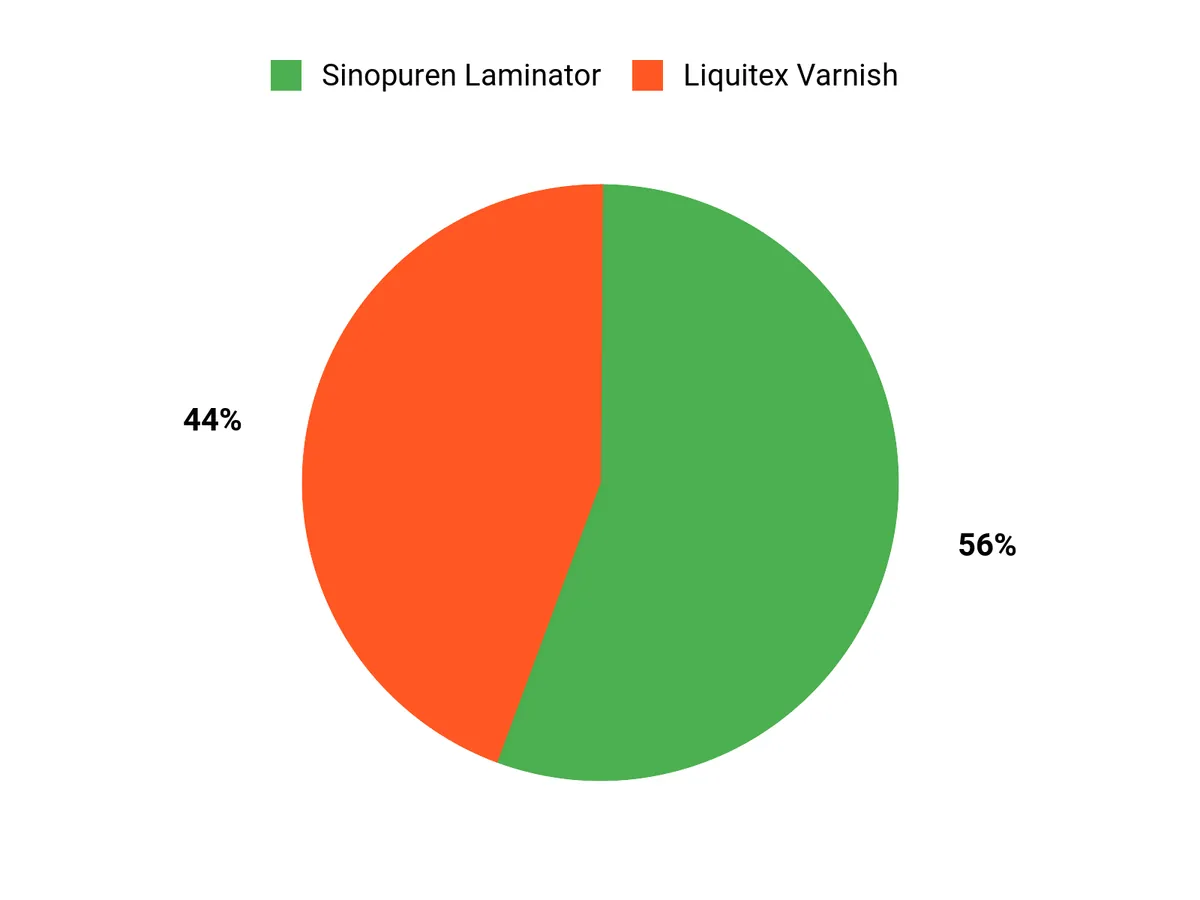
The most important variable is not the brand of finish—it is starting with thin, dry, flat bark and testing the complete process before you finish your best piece.
Wrapping Up
If you want a matte finish that leaves more of the birch bark’s natural texture visible, Liquitex BASICS Matte Varnish is the more subtle option, but remember that Liquitex specifies the product for acrylic surfaces rather than raw bark. Use a scrap test before applying it to a finished bookmark.
If you want stronger enclosure and a smoother, wipeable surface, the SINOPUREN laminator is the more practical choice for thin, flat pieces. Use compatible pouch thicknesses measured in mil, feed the pouch sealed edge first, cool the finished piece flat, and retain a narrow sealed plastic border after trimming. Either method can extend the useful life of the craft when the material is prepared carefully and the finish is matched to the look you want.
| Liquitex BASICS Matte Varnish, 250ml | 9-Inch Laminator Machine for Teachers & Home | |
|---|---|---|
|
|
|
|
| Rating | Approx. 4.7/5 in recent indexed marketplace data; changes over time | Approx. 4.5/5 in recent indexed marketplace data; changes over time |
| Dimensions | N/A | Approx. 14.5″L x 5.5″W x 2.9″H on current exact-model listings |
| Weight | 8.8 ounces of product | Approx. 2.4 pounds on current exact-model listings |
| Special Highlights |
|
|
| Shop Now | Shop Now |
Sources
- Liquitex — BASICS Matte Varnish — manufacturer specifications, compatible surface guidance, finish characteristics and application directions.
- SINOPUREN — OL188 9-Inch Thermal Laminator — manufacturer information for warm-up time, laminating speed, included tools and jam-release system.
- University of Minnesota Extension — Birch Bark Harvesting — responsible collection, sustainability and permission considerations.
- Fellowes — Laminator Machine Performance — pouch-feeding, trimming, sealed-border and delamination guidance.
This Roundup is reader-supported. When you click through links we may earn a referral commission on qualifying purchases.