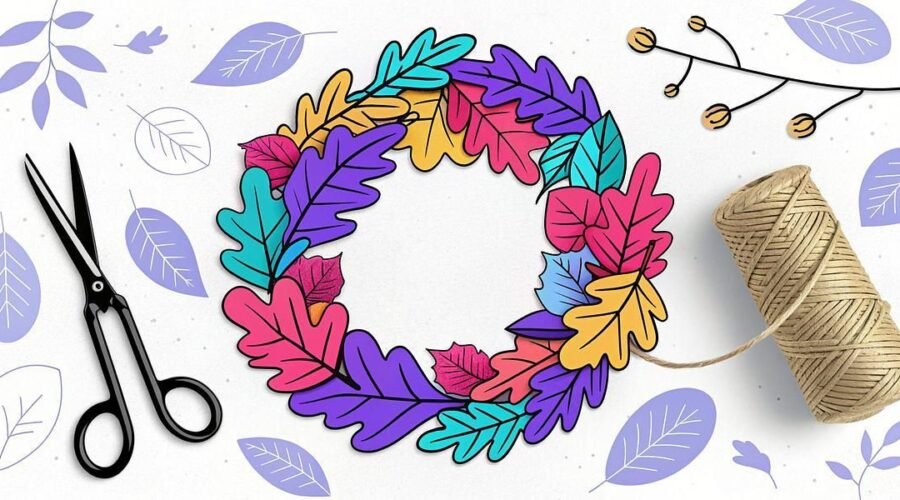
You can make a warm, rustic fall wreath with a simple base, layered greenery, dried or faux florals, floral wire, a few focal accents, and the right cutting and gluing tools. The key is to build the design in layers, secure heavier pieces mechanically, and use hot glue mainly for positioning and reinforcement.
With clear mini glue sticks, a low-temperature mini glue gun, sharp snips, and floral wire, you can work neatly without needing a large craft setup. The guide below covers the tools, materials, safety steps, full assembly process, product options, troubleshooting, and storage tips so you can complete the wreath from start to finish.
Disclosure: This Roundup is reader-supported. When you click through links we may earn a referral commission on qualifying purchases.
Quick Answer
To make a rustic fall wreath, start with a grapevine or wire base, arrange greenery before attaching anything, secure the main stems with floral wire, then add dried flowers, berries, pinecones, or ribbon. Use small amounts of hot glue for lightweight details and reinforcement rather than relying on glue alone for every structural attachment.
Key Takeaways
- Dry-fit greenery and focal pieces before gluing so you can correct spacing and balance.
- Use floral wire for heavier stems and decorations; use hot glue for positioning, lightweight details, and reinforcement.
- A low-temperature glue gun is useful around delicate craft materials, but the nozzle and melted adhesive can still cause burns.
- Keep dried botanicals dry and protected from crushing, and do not assume a craft hot-melt adhesive is weatherproof unless its manufacturer specifically rates it for exterior exposure.
At a Glance
| Time Required | About 45–90 minutes for a basic wreath, depending on the amount of trimming and layering |
| Difficulty | Beginner to intermediate |
| Tools Needed | Sharp floral snips or pruners, floral wire, wire cutters, glue gun, glue sticks, and a protected work surface |
| Cost | Often about $20–$60 when buying a basic base and decorations new; reusing a wreath form or natural materials can lower the cost |
Top Picks
The scores below are editorial wreath-use scores, not laboratory ratings or customer-star ratings. They reflect suitability for fall-wreath work, ease of control, material compatibility, practical durability, and value within this specific project.
|
Category |
Product |
Score |
|---|---|---|
|
💰 Best Value |
93/100 |
|
|
✂️ Best Pruners |
80/100 |
|
|
🔌 Best Low-Temp |
88/100 |
How We Chose
For wreath making, the most useful tools are easy to control, appropriate for delicate craft materials, and versatile enough to handle several parts of the project. We therefore weighted wreath suitability most heavily, followed by control and ergonomics, material compatibility, practical durability, and value.
For the AdTech products, we also checked current manufacturer information rather than relying only on retailer copy. AdTech currently lists its Crystal Clear mini sticks in a 4-inch, 30-count format and describes them as compatible with low-, high-, dual-, and multi-temperature glue guns. The manufacturer also lists an approximate 20–30 second set time and identifies floral materials, wood, paper, fabric, ribbon, foam, ceramics, and many craft plastics as suitable substrates. See the current AdTech Crystal Clear product information.
Current manufacturer documentation for the exact Worth pruning-shear listing was not located, so the Worth section avoids treating unverified blade material, customer-rating totals, or other listing-specific details as established specifications.
Materials You Need for a Rustic Fall Wreath
- A grapevine, wire, straw, foam, or reusable wreath base
- Dried, preserved, or faux greenery
- Dried flowers, berries, seed heads, small pinecones, or other fall accents
- Floral wire for structural attachment
- Wire cutters
- Sharp floral snips or small pruners
- Clear hot-melt glue sticks
- A glue gun suited to the materials you are using
- Wired ribbon, twine, or a premade bow if desired
- A wreath hanger or a secure hanging loop
- A heat-resistant or disposable protective work surface
Warning: Low-temperature does not mean burn-proof. Hot glue and the metal nozzle can still injure skin. Inspect the cord and casing before use, keep the gun on its stand, work away from flammable materials, provide ventilation, and never leave a plugged-in glue gun unattended. University of California Agriculture and Natural Resources publishes additional hot glue-gun safety guidance.
How to Make a Rustic Fall Wreath Step by Step
1. Choose Your Base and Color Direction
A grapevine base works especially well for a rustic look because its natural twigs can remain partly visible. Wire, straw, and foam forms also work, but they usually need more complete coverage.
Choose two or three main colors before you begin. A simple fall palette might combine muted green with rust and cream, or brown with burgundy and gold. Limiting the palette makes it easier to mix different textures without making the wreath look crowded.
2. Prepare the Greenery and Flowers
Sort the materials by size and purpose. Keep long greenery for the base layer, medium stems for transition areas, and the most decorative flowers, berries, or seed heads for focal points.
Trim bulky stems so they can sit close to the wreath form. Dried flowers can be brittle, so cut rather than bend them whenever possible. Purdue Extension notes that preserved plant material is well suited to wreaths and that bulky natural stems can be shortened and replaced or reinforced with florist wire. See its guide to preserving plant materials.
3. Dry-Fit the Design Before Attaching Anything
Lay the wreath flat and place the major greenery and focal pieces on top without glue. Step back and check the overall shape. Look for obvious gaps, an overly heavy side, or decorations that block the wreath opening.
Pro Tip: Take a quick phone photo of the dry layout before you start attaching pieces. If the arrangement shifts while you work, the photo gives you an easy reference.
4. Attach the Greenery Base
Start with your longest greenery. Point most stems in the same general direction for a flowing design, or split the wreath into two directions that meet near a focal area.
Wrap floral wire around the wreath base and the thicker part of each stem. Pull it snug enough to hold the piece without crushing brittle material. Overlap the next piece so its leaves hide the previous attachment point.
5. Add Flowers and Focal Elements
Place larger flowers, pinecones, pods, berries, or miniature fall accents after the greenery is secure. Use wire for heavier decorations whenever possible. A small bead of hot glue can stop a wired element from twisting or can secure lightweight details that do not need structural support.
Avoid covering every inch of a grapevine base. Leaving a little natural vine visible usually strengthens the rustic effect and prevents the wreath from becoming visually heavy.
6. Add Ribbon and Fill Small Gaps
If you use ribbon, attach the bow or ribbon cluster before filling the last small spaces. Wired ribbon is easier to shape because the loops hold their form.
Use short greenery pieces, small dried flowers, or berry sprigs to soften visible attachment points. Rotate the wreath as you work so the design looks balanced from several angles.
7. Finish the Back and Add a Hanger
Turn the wreath over and inspect the back. Trim sharp wire ends and bend remaining wire toward the frame so it cannot scratch a wall or door. Make sure no heavy ornament depends on a tiny spot of glue alone.
Add a strong hanging loop if the base does not already provide a secure hanging point. Let all hot glue cool completely before lifting or hanging the wreath.
For a durable wreath, think of floral wire as the structure and hot glue as the positioning and reinforcement tool.
AdTech Glue Sticks

These clear 4-inch mini glue sticks are a practical basic supply for wreaths and small crafts. AdTech currently offers Crystal Clear mini sticks in a 30-count 4-inch format and lists them for low-, high-, dual-, and multi-temperature glue guns.
The cured adhesive is clear, which helps keep joins less noticeable around ribbon, floral materials, and natural-looking decorations. AdTech lists an approximate 20–30 second set time. Its Formula 220 technical sheet separately gives a working-time range of about 35–45 seconds under its stated test conditions, so “set time” and “working time” should not be treated as the same measurement. See the Formula 220 technical data sheet.
What People Say
The review themes captured in the source data are broadly positive. Users commonly mention compatibility with mini glue guns, clear-looking bonds, and convenient quantity. These are review-summary themes rather than independently tested performance claims, and retailer ratings can change over time.
Overall Sentiment: Positive in the source review snapshot

|
Pros |
Cons |
|---|---|
|
✅ Clear cured finish helps hide small joins |
❌ No exterior/weatherproof rating was found in the reviewed Formula 220 documentation |
|
✅ Compatible with low-, high-, dual-, and multi-temperature glue guns |
❌ Hot-melt glue should not replace mechanical attachment for heavy wreath decorations |
|
✅ Manufacturer lists strong compatibility with wood, paper, fabric, ribbon, foam, floral materials, ceramics, and many craft plastics |
❌ Mini sticks are consumed faster during large, glue-heavy projects |
|
✅ Smooth flow and positioning time are useful for detailed craft work |
Long-Term Value
A 30-count pack gives you enough small sticks for repeated wreath sessions and other light craft jobs without buying a specialty adhesive for every material. The value is strongest if you already use a standard mini glue gun.
Return on Investment
The practical return comes from versatility rather than from a single wreath. The manufacturer lists uses ranging from floral arrangements and fabric embellishments to paper projects, home décor, and light household fixes, so leftover sticks can be used after fall decorating is finished.
DIY Tips
Let the glue gun reach its operating temperature before starting, then test a small amount on scrap material. Apply only enough glue to make the attachment. Large exposed blobs are harder to hide and can damage delicate dried material.
For porous or bulky pieces, use floral wire for the structural hold first and add glue as reinforcement. Let the adhesive cool before testing the attachment.
Versatility
AdTech lists wood, paper, cardboard, fabric, ribbon, foam, felt, floral materials, ceramics, leather, and most craft plastics among the better substrates for its current Crystal Clear formula. The company advises more caution with some difficult plastics and non-stick surfaces.
Aesthetic Fit
The clear cured finish is useful on rustic wreaths because the attachment is less likely to compete visually with dried florals, twine, ribbon, and natural stems. Good placement still matters: hide the glue behind stems and focal pieces whenever possible.
Customization Options
|
Feature |
User Control |
|---|---|
|
Temperature Compatibility |
High — compatible with several common glue-gun temperature types |
|
Glue Bead Size |
High — controlled by trigger pressure and application time |
|
Material Compatibility |
High for common craft materials |
|
Finish Color |
Low — the cured finish is clear |
Problem Solving
These sticks are useful when small pieces slide out of position while you assemble a wreath. A small bead can hold ribbon folds, tiny berries, or lightweight decorative pieces after the main structure has been secured.
Indoor/Outdoor Use
The reviewed Formula 220 technical data does not provide a weatherproof or exterior-use rating. For an exposed outdoor wreath, do not rely on ordinary craft hot-melt glue as the only structural attachment. Use floral wire for important pieces and, where needed, an adhesive specifically rated by its manufacturer for the expected outdoor conditions.
Key Benefits
- Clear cured finish for less-visible joins
- Compatible with multiple common mini glue-gun temperature types
- 30-count format suited to repeated small craft projects
- Broad compatibility with common wreath and craft materials
Retailer rating snapshot in the source data: 4.7/5 from 6,797+ ratings. Retailer totals can change over time.
Worth Pruners
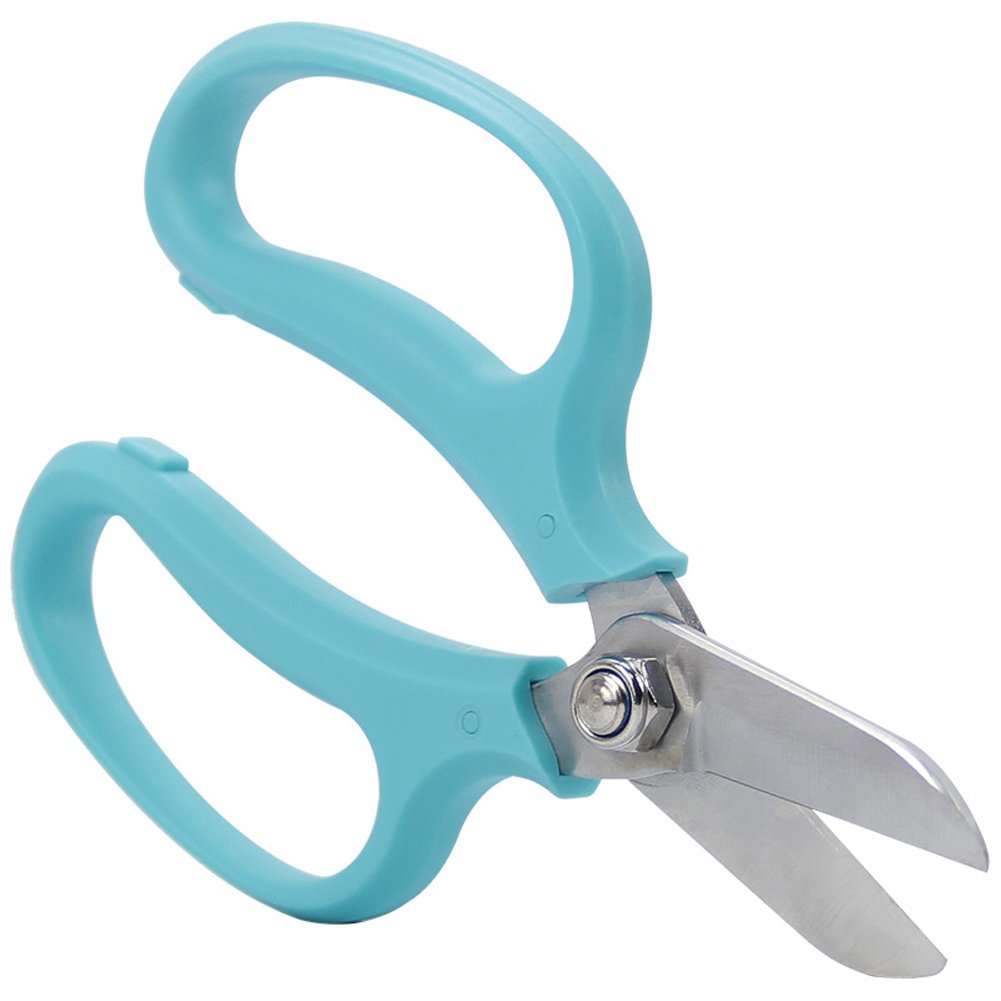
These compact pruning shears are useful when a wreath contains stems that are too tough or bulky for ordinary household scissors. The pointed profile also helps you reach into a partly assembled wreath without disturbing nearby decorations.
Use them for dried stems, lightweight woody pieces, and similar craft materials that fit comfortably between the blades. Do not force oversized branches through small snips. University of Maryland Extension notes that using a pruning tool on material that is too large can damage the tool and produce a poor cut.
What People Say
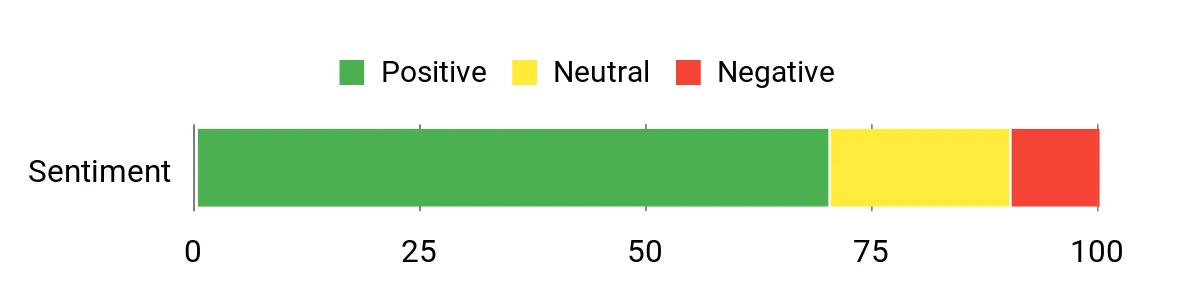
The source review summary trends positive, with users emphasizing precision, manageable size, and colorful handles. Because a current manufacturer page and a reliable current rating total for this exact listing were not found, those review themes are best treated as a snapshot rather than a permanent product specification.
Some source reviews also suggest that careful cleaning and normal edge maintenance help preserve performance over time.
Overall Sentiment: Positive in the source review snapshot
|
Pros |
Cons |
|---|---|
|
✅ Compact shape is useful for detailed wreath and floral work |
❌ Small craft-oriented snips should not be forced through thick branches |
|
✅ Easier to maneuver around closely layered stems than a large garden tool |
❌ Cutting performance declines if blades become dull or contaminated with sap and residue |
|
✅ Bright handle colors are easy to spot on a busy craft table |
❌ Current blade-material and durability specifications for this exact listing were not independently verified |
Long-Term Value
Compact snips earn their place in a wreath kit when they can also handle bouquet trimming, deadheading, and other light household or garden cuts. Keep the blades clean and sharp rather than forcing them through material beyond their capacity.
ROI
The value is strongest for people who regularly work with flowers, herbs, light stems, and seasonal craft materials. One small cutting tool can cover several jobs that would otherwise send you looking for scissors, wire cutters, or full-size pruners.
How To Use
Position the stem well inside the blades instead of clipping with only the extreme tip when the material is firm. Make one clean cut instead of repeatedly crushing the same spot.
Remove glue, plant sap, and debris after the project. University of Maryland Extension recommends keeping pruning edges sharp and cleaning tools when plant-disease transfer is a concern. See its pruning-tool guidance.
Versatility
Small pruning tools can be useful for seasonal wreaths, bouquet preparation, small garden jobs, and general floral trimming. For wire, use dedicated wire cutters when practical so you do not unnecessarily dull a pruning edge.
Look
The colorful handles add a practical benefit because they are easier to find among foliage, ribbon, and floral supplies. The tool itself does not affect the finished appearance as long as cuts are clean and attachment points remain hidden.
Customization
|
Feature |
User Control |
|---|---|
|
Cut Angle |
High — you control how each stem is shaped for insertion |
|
Handle Color |
Varies by listing |
|
Finished Stem Length |
High — trim each piece to fit the layout |
|
Ergonomics |
Low — handle shape is fixed, so choose a tool that fits your hand comfortably |
Problem Solving
Small snips help when a stem is just long enough to push the arrangement out of shape or when a bulky end prevents a piece from sitting close to the wreath base. Cleaner trimming also reduces the amount of glue needed to hide awkward joins.
Use
Use these for light trimming rather than heavy pruning. Keep the tool dry, wipe debris from the blades after use, and store it where the cutting edges will not be damaged.
Benefits
- Compact shape for detailed wreath work
- Useful for dried florals and other light stems
- Can serve both craft and light garden tasks
- Bright handles are easier to find among supplies
Retailer rating snapshot: A reliable rating total was not available in the supplied source data, so no star rating is presented as current fact.
AdTech Mini Gun

This low-temperature mini glue gun is a practical companion for wreath making and other small craft projects. The compact body gives you better access around stems and decorations than a bulky applicator, while the lower-temperature format is intended for delicate craft materials.
It uses mini glue sticks and is better suited to detailed craft work than to heavy structural bonding. Even at a lower operating temperature, treat the nozzle and melted adhesive as burn hazards and keep the gun on its stand whenever you stop applying glue.
What People Say
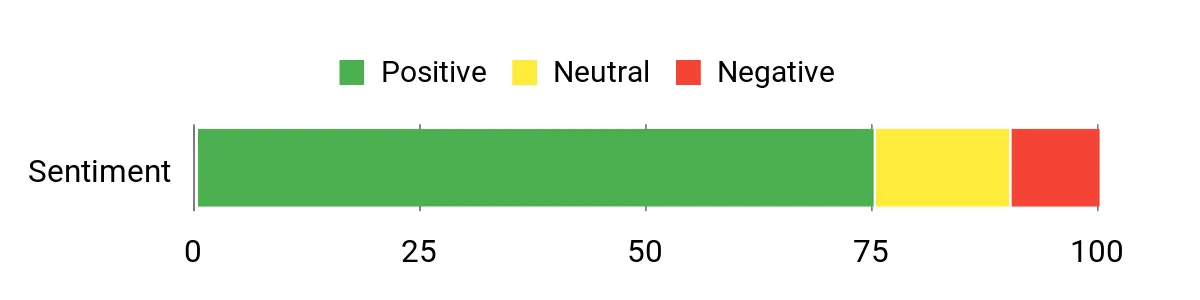
The source review summary is positive overall. Common themes include straightforward operation, compact size, and usefulness on small craft projects. Some reviewers in the source data also mention dripping and wishing for more cord reach.
Overall Sentiment: Positive in the source review snapshot
|
Pros |
Cons |
|---|---|
|
✅ Lower-temperature format is useful for delicate craft materials |
❌ Corded design can limit how far you work from an outlet |
|
✅ Compact size is well suited to detailed glue placement |
❌ Source reviews include occasional reports of dripping |
|
✅ Straightforward choice for wreaths and other small crafts |
❌ Not intended to replace structural fastening on heavy decorations |
Long-Term Value
A simple mini gun can cover many seasonal projects if most of your work involves lightweight decorations, paper, fabric, foam, floral pieces, and other small craft materials. Proper storage and basic cord inspection before use help keep the tool dependable.
ROI
The main return is convenience. Instead of using a large applicator for every small job, you get a compact tool that can handle wreath details, gift projects, decorations, and light repairs with standard mini sticks.
DIY Tips
Let the gun warm fully before beginning and test the flow on scrap material. Use a small bead on lightweight pieces and a slightly larger amount only when the joint actually needs more adhesive.
Work over cardboard, a silicone craft mat, or another protected surface. Keep the gun upright on its stand between applications and let fresh glue cool before pulling on the decoration.
Versatility
A mini low-temperature gun is most useful for detailed craft work. For wreaths, use it on ribbon, lightweight stems, small decorative pieces, and reinforcement points while relying on wire for heavier structural attachments.
Aesthetic Fit
Its small nozzle and compact body make it easier to place glue behind decorations instead of across visible surfaces. That improves the finished look when you are working with layered dried florals, twine, and ribbon.
Customization
|
Feature |
User Control |
|---|---|
|
Heat Setting |
Low — this model is designed around low-temperature use rather than selectable heat levels |
|
Cord Reach |
Low — determined by the attached cord and outlet location |
|
Glue Placement |
Moderate — the mini format helps with detailed positioning |
|
Grip Size |
Low — the physical grip size is fixed |
Problem Solving
The mini gun is useful when a full-size applicator feels awkward around tightly layered stems. It also helps you put a small amount of adhesive behind lightweight decorations without flooding the area with glue.
Use
Use the tool in a clean, dry work area, keep it away from flammable materials, and never leave it plugged in unattended. Do not touch the nozzle or freshly dispensed glue, and allow the gun to cool before storing it.
Key Benefits
- Lower-temperature format suited to delicate craft materials
- Compact design for detailed placement
- Uses common mini glue sticks
- Simple operation for small seasonal projects
Retailer rating snapshot in the source data: 4.5/5 from 276+ ratings. Retailer totals can change over time.
Troubleshooting Common Wreath Problems
Stems Keep Falling Out
Use floral wire around the wreath base instead of adding more and more glue. Once the stem is mechanically secure, add a small amount of glue behind it if you need to stop rotation.
The Wreath Looks Uneven
Lay it flat and look at it from several feet away. Find the visually heavy area, then either remove one large accent or add two or three smaller pieces to the opposite side. Do not try to solve every imbalance by adding more material.
Too Much of the Base Is Showing
Add short greenery pieces instead of another full-size branch. Tuck the cut end under an existing layer and attach it close to the wreath form.
Glue Strings Are Visible
Wait until the glue has cooled, then gently pull away loose strings. Avoid touching fresh hot-melt adhesive with bare fingers.
Dried Flowers Keep Breaking
Handle the flower by the stem rather than the bloom. Shorten weak or bulky stems and use floral wire to create or reinforce the attachment point instead of forcing brittle stems into the wreath.
Outdoor Display and Storage
A covered porch is easier on dried botanicals than an exposed door that receives direct rain. If the wreath will face weather, use mechanical fastening for important pieces and choose any adhesive or coating based on an explicit exterior-use rating from its manufacturer.
At the end of the season, remove dust gently, make sure the wreath is dry, and store it where it will not be crushed. A roomy box in a dry storage area works better than compressing delicate flowers under other decorations.
Note: Natural and preserved plant materials vary widely. A wreath made from dried flowers, fresh greenery, faux stems, or a mixture of all three will age differently, so adjust storage and display conditions to the most fragile material in the wreath.
Frequently Asked Questions
What supplies should I use for a rustic fall wreath?
Start with a wreath base, greenery, dried or faux fall stems, floral wire, wire cutters, sharp floral snips, clear hot-melt glue, a suitable glue gun, and optional ribbon or focal decorations. Use wire for heavier structural pieces and glue for lightweight details or reinforcement.
Will hot glue damage dried flowers?
It can damage very delicate material if you apply too much heat or glue directly to fragile petals. Attach at the stronger stem or base whenever possible, use a small amount of adhesive, and consider floral wire as the main anchor for brittle flowers.
Can I hang my fall wreath outside?
Yes, but a sheltered location is easier on dried materials and ordinary craft attachments. For a fully exposed door, secure important pieces with wire and use only adhesives, coatings, and decorations specifically rated for the expected outdoor conditions.
Should I use floral wire or hot glue?
Use both for different jobs. Floral wire is better for structural attachment and heavy stems. Hot glue is useful for lightweight decorations, preventing wired pieces from rotating, and hiding or reinforcing small joins.
How do I make a rustic wreath look full without overloading it?
Build from large greenery to medium accents to small fillers. Overlap stems so each new layer hides the attachment point below it. Stop periodically and view the wreath from a distance instead of filling every visible gap automatically.
Customer Preferences
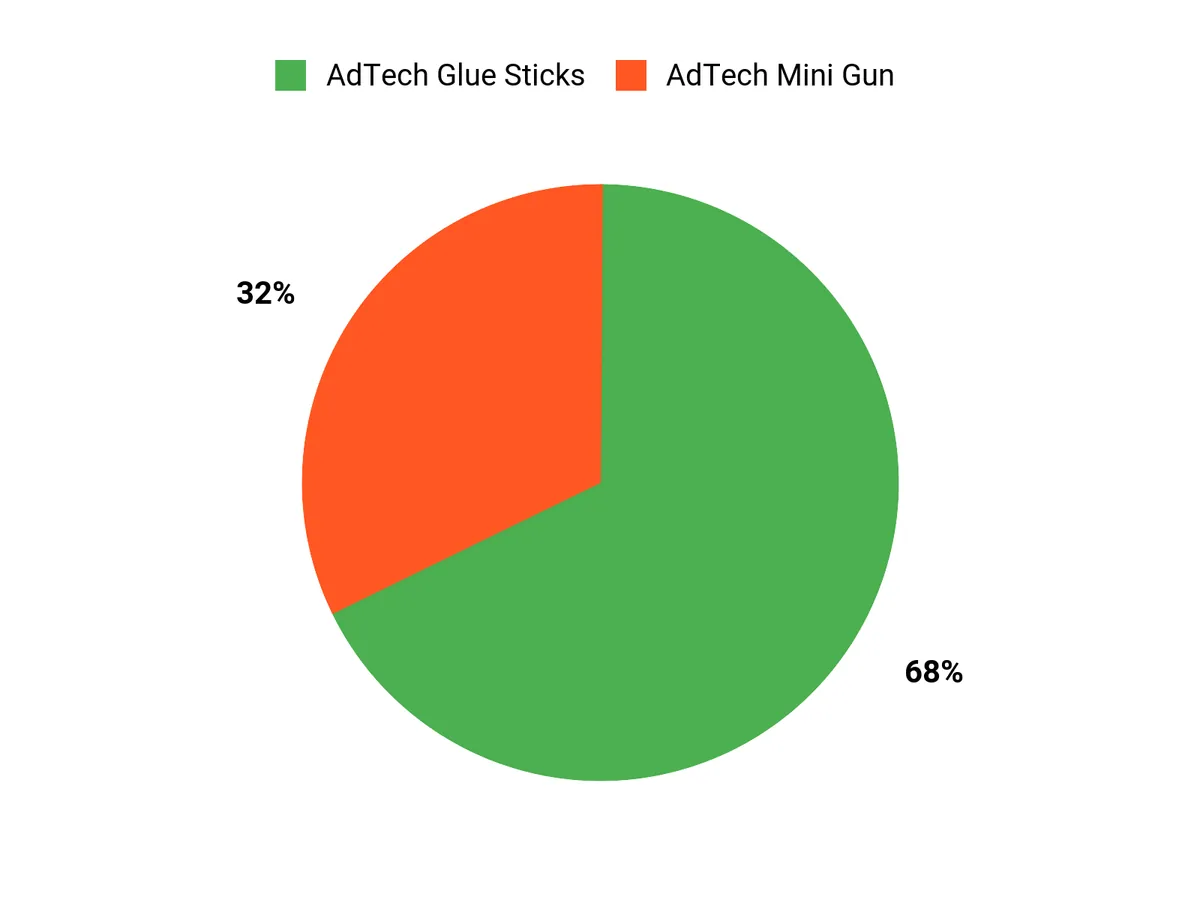
Your best choice depends on the part of the project that causes the most trouble. Choose the AdTech glue sticks when you need clear mini adhesive with broad craft-material compatibility. Choose compact Worth pruners when clean stem trimming is the priority. Choose the AdTech mini gun when you want a small low-temperature applicator for detailed craft work.
Wrapping Up
A good rustic fall wreath does not depend on expensive tools. Start with a workable base, plan the arrangement before attaching it, build the structure with greenery and floral wire, and then use small amounts of hot glue to position or reinforce decorative pieces.
Clear multipurpose mini glue sticks help hide attachments, a compact low-temperature gun makes detailed application easier around delicate craft materials, and sharp snips help you prepare stems without unnecessary crushing. Used together with floral wire and careful safety habits, these tools make the project cleaner, easier to control, and easier to repair later.
| AdTech Hot Glue Sticks 30 Count | AdTech Lo-Temp Mini Glue Gun | Multi-color Precision-ground Pruning Shears | |
|---|---|---|---|
|
|
|
|
|
| Rating | Source snapshot: 4.7/5 (6,797+ ratings) | Source snapshot: 4.5/5 (276+ ratings) | Reliable current rating not available in the supplied source data |
| Weight | Source listing snapshot: approximately 0.1 kg | Source listing snapshot: approximately 0.127 kg | Not independently verified |
| Best Uses / Compatibility | Wood, paper, fabric, ribbon, foam, floral materials, ceramics, leather, and many craft plastics | Detailed low-temperature craft gluing with compatible mini sticks | Dried florals, thin stems, and light trimming tasks |
| Special Highlights |
|
|
|
| Shop Now | Shop Now | Shop Now |
Sources
- AdTech — Crystal Clear Super-Clear Glue Sticks — current sizes, temperature compatibility, set time, cured color, and recommended materials.
- Adhesive Technologies — Formula 220 Technical Data Sheet — working time, application-temperature range, bond data, and technical characteristics.
- University of California Agriculture and Natural Resources — Hot Glue-Gun Safety — burn, cord, stand, ventilation, and unattended-use precautions.
- University of Maryland Extension — Pruning Tools — clean-cut guidance, sharpening, tool capacity, and maintenance.
- Purdue Extension — Preserving Plant Materials — dried and preserved materials for wreaths, stem preparation, and drying guidance.
- Federal Trade Commission — Endorsement Guides Q&A — clear and conspicuous affiliate-disclosure guidance.