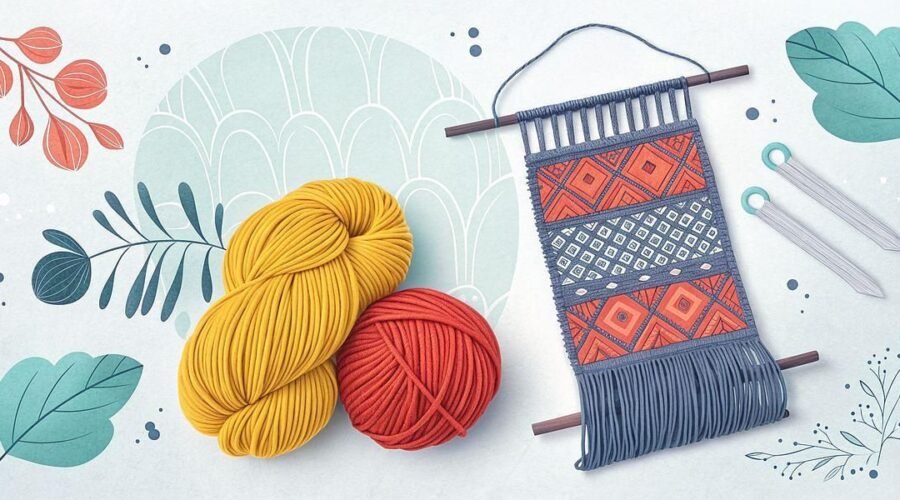
Adding texture to weaving is less about buying one special tool and more about combining the right fiber, structure, and finishing method. Rya knots create pile, soumak adds a raised wrapped ridge, bulky yarn or roving builds loft, and precise needles and scissors help control the details. The five items below cover both texture-making materials and the supporting tools used to shape, mount, and finish textured weaving.
Affiliate disclosure: This article contains affiliate links. If you make a qualifying purchase through one of these links, we may earn a commission at no extra cost to you.
Quick Answer
For textured weaving, start with a blunt tapestry needle, a medium or bulky yarn, sharp detail scissors, and a stable loom or dowel support. Use rya knots for pile, soumak for raised wrapped lines, and thicker yarn or roving for loft. Test each technique on a small swatch before committing to a finished piece.
Key Takeaways
- Rya knots, soumak wrapping, loops, and thick weft yarn create texture directly; dowels mainly provide structure or a hanging support.
- A blunt tapestry needle makes it easier to pull bulky yarn through a woven surface without intentionally piercing individual yarn fibers.
- Yarn weight and fiber matter as much as technique: smooth cotton gives defined texture, while wool, boucle, and roving can produce softer or loftier effects.
- Plain-weave rows between heavy textured sections help stabilize the fabric and reduce distortion.
- Use sharp scissors carefully when trimming pile, and make small cuts so you do not accidentally cut the warp.
Top Picks
|
Category |
Product |
Editorial Score |
|---|---|---|
|
🎯 Best for Tapestry |
82/100 |
|
|
🏆 Best Value Dowels |
88/100 |
|
|
⭐ Best Yarn Cone |
94/100 |
|
|
✂️ Best Precision |
87/100 |
|
|
🔰 Best Heavy-Duty Rods |
90/100 |
Note: The scores above are editorial fit scores based on usefulness for textured weaving, versatility, published product specifications, ease of integration into common techniques, and practical value. They are not laboratory-test scores or a substitute for live marketplace ratings.
Selection Criteria
Materials for textured weaving should make the result predictable without limiting experimentation. We considered how each item fits common techniques such as rya pile, soumak wrapping, thick weft work, finishing, mounting, and small-loom construction. Material, diameter, stiffness, yarn weight, and surface finish all affect how easily a tool or fiber can be incorporated into a weaving.
We also considered versatility, durability, ease of handling, and whether one item can support several types of projects. Price and availability matter for experimentation, but a low price alone does not make an item useful. The goal is to choose supplies that solve a specific weaving problem rather than simply add more tools to the studio.
How Texture Is Added to Weaving
Texture comes from structure as much as from the yarn itself. A smooth yarn can become highly dimensional when it is knotted into pile, while a fluffy yarn can look surprisingly flat if it is packed tightly into plain weave. Combining technique, fiber, yarn thickness, spacing, and finishing gives you much more control over the final surface.
Rya Knots and Cut Pile
Rya knots create tufts or fringe by securing short lengths of yarn around warp threads. Leave the ends long for fringe or trim them gradually to create a pile surface. A row or two of plain weave between heavy rya sections helps keep the warp stable and reduces the chance of large gaps opening between textured areas.
Soumak and Weft Wrapping
Soumak creates a raised line by wrapping an extra weft around groups of warp threads. The Metropolitan Museum of Art describes sumak as a general weft-wrapping practice in which extra weft wraps around warp threads to form decoration and texture. The Met’s weaving-technique guide shows how changing the wrapping direction can create different surface effects.
Two rows worked in opposite directions can create a braided or herringbone-like appearance. Avoid pulling the wrapping yarn excessively tight, because heavy tension can draw the edges inward.
Loops, Roving, and Thick Weft
Loops and oversized weft yarn create texture by adding height above the woven plane. Wool roving can produce especially soft, lofty areas because it is much thicker and less tightly spun than conventional yarn. Woolmark’s tapestry guide demonstrates roving alongside soumak and rya as separate ways to build dimensional texture.
Choosing Yarn Weight and Fiber
A smooth medium-weight yarn produces clear, controlled texture, while bulky yarn, boucle, roving, and loosely spun fibers create more volume. The Craft Yarn Council classifies worsted, Afghan, and Aran-style yarns in the #4 Medium category, but the system is only a starting point; weaving density and the desired surface matter more than the label alone. Craft Yarn Council yarn-weight standards provide a useful reference for comparing yarn thicknesses.
Stabilizing Textured Sections
Heavy pile and wrapped rows can spread or distort warp threads if they are packed too densely. Add plain-weave rows before and after bulky areas, keep warp tension consistent, and beat the weft firmly enough to seat it without forcing the fabric out of shape. Weave a sample first when combining very different yarn thicknesses.
At a Glance
| Time Required | About 10–30 minutes for a small texture swatch; finished projects vary widely. |
| Difficulty | Beginner to intermediate, depending on the technique. |
| Tools Needed | Warped loom or frame, yarn, tapestry needle, scissors, and optional dowel or hanging rod. |
| Cost | Varies by fiber and tools; small samples can often be made with yarn scraps and an existing loom. |
Warning: When trimming rya pile or cutting dowels, work away from your fingers and keep the warp clearly visible. One accidental cut through a load-bearing warp thread can weaken or distort the weaving. Sand rough wood edges before they touch yarn.
Pro Tip: Build a small sample containing plain weave, one row of rya, two opposing rows of soumak, and a section of thick weft. You can compare tension, pile height, yarn behavior, and trimming before using the technique in a larger piece.
The most convincing woven texture usually comes from combining structure, fiber thickness, and controlled tension rather than relying on one unusually textured yarn.
SODIAL Needles
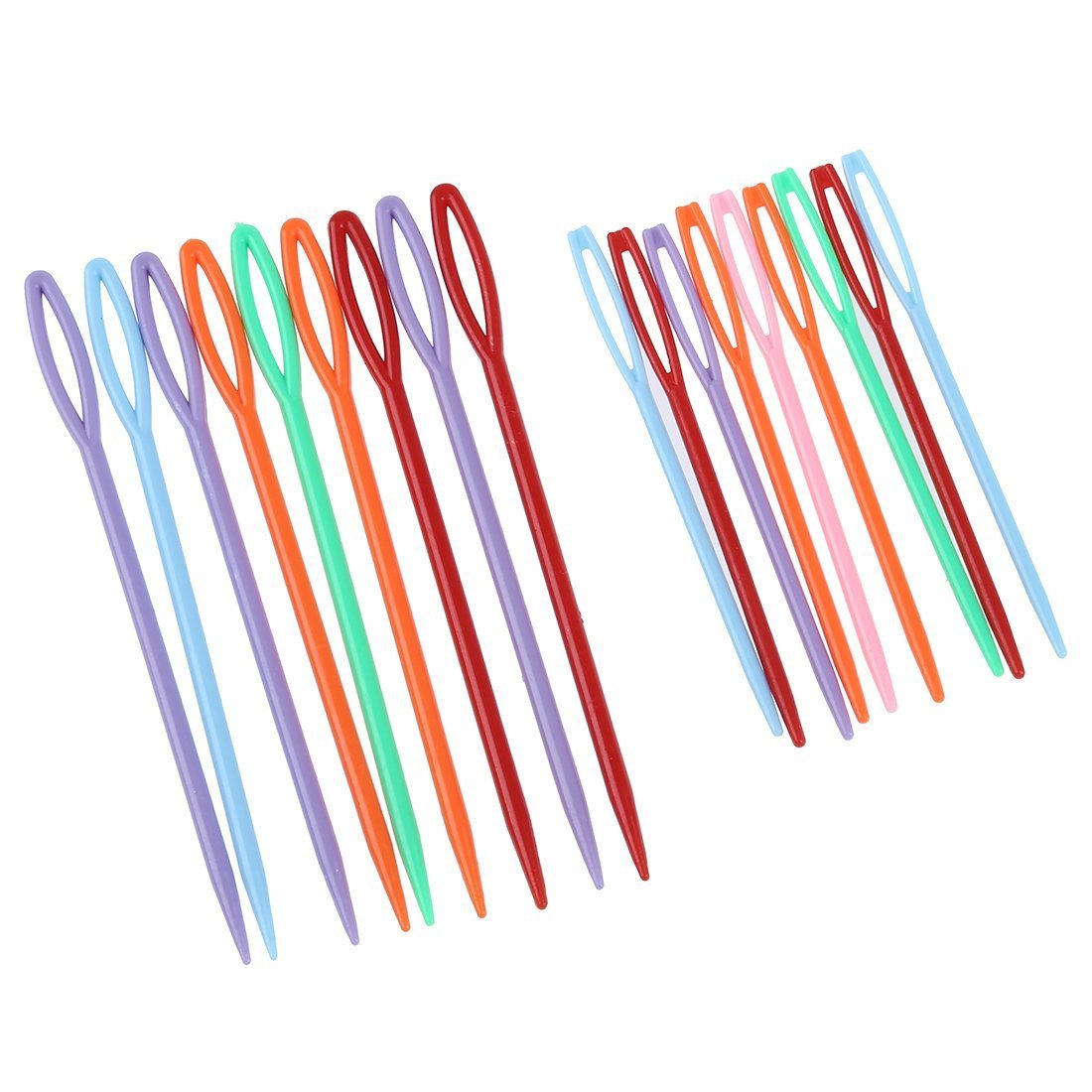
These lightweight plastic tapestry needles provide a simple way to pull yarn through woven fabric, finish tails, and experiment with looped or pile techniques. The set includes two lengths, so you can choose a longer needle for bulkier yarn and a shorter one when working in tighter areas. Their blunt, rounded tips are intended to pass between yarns rather than act like sharp sewing needles.
Very dense felt or tightly packed weaving can still resist a blunt plastic needle, so avoid forcing it through the material. For tapestry, small rug work, darning, rya placement, and weaving in ends, the lightweight construction makes these needles convenient to keep in a project kit.
What People Say
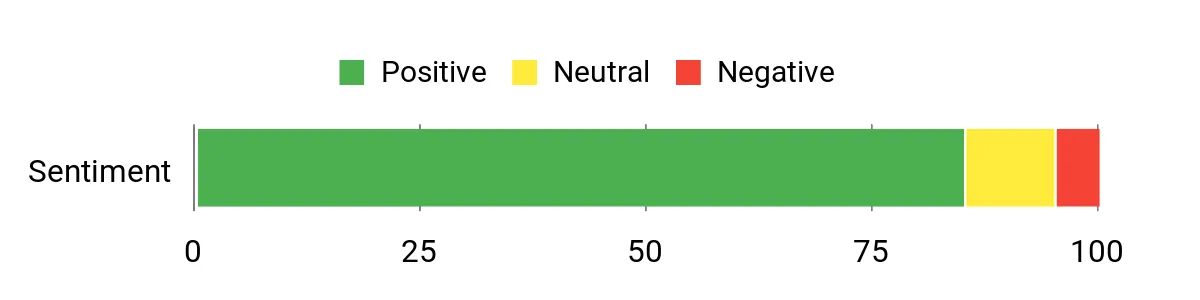
In the review snapshot used for the source article, buyers generally described the needles as simple, useful tools for tapestry and darning. Positive comments focused on ease of handling and value, while shipping time appeared in some feedback.
The rounded tip was also mentioned positively for yarn work, although dense fabrics may require a larger opening or a different tool rather than excessive force.
Overall Sentiment: Positive in the source review snapshot.
Long-Term Cost Benefits
Plastic will not rust like untreated steel, and having several needle sizes in one set may reduce the need to buy a separate needle for every small yarn-finishing task. Actual lifespan depends on how heavily the needles are bent or forced through dense material.
Return on Investment
For someone who regularly darns, finishes woven ends, or experiments with tapestry techniques, an inexpensive multipack can be more convenient than improvising with unsuitable sharp or undersized needles.
Situational Benefits
|
Situation |
How It Helps |
|---|---|
|
Learning New Techniques |
Use the large eye to practice rya placement, looping, and weaving-in ends with a range of yarn sizes. |
|
Repairing Knitwear |
The blunt tip and large eye can make darning easier when you need to guide yarn between existing stitches rather than pierce them. |
|
Travel or Class Kits |
The needles are light and compact, although travel, school, studio, and venue rules should always be checked before carrying craft tools. |
Quick DIY Guide
Choose the longer needle for bulky yarn and the shorter one for tighter tabby areas or detailed finishing. Thread through the large eye and test the yarn on a scrap section first so you can judge friction and tension before working on the finished piece.
For rya-style texture, use the needle to position yarn around the warp and then trim the finished pile gradually. For weft tails, guide the yarn back through several adjacent rows. If the structure is too dense for the blunt needle, do not force it; open a path carefully or switch to a more suitable tool.
Handling & Comfort
|
Feature |
Practical Effect |
|---|---|
|
Blunt Tip |
A rounded point is designed to move between yarns and can be more forgiving for tapestry work than a sharp sewing needle. |
|
Lightweight Construction |
The low weight makes the needles easy to hold and carry, although comfort still depends on grip and working technique. |
|
Large Eye |
A large eye makes bulky yarn easier to thread and is useful when learning finishing techniques. |
Educational Value
Using a blunt tapestry needle lets beginners focus on tension, loop placement, darning, and finishing without immediately investing in a large collection of specialist tools.
Versatility
These needles can handle tapestry, darning, yarn-tail finishing, and small rug or decorative weaving tasks. They are not substitutes for heavy felting, leather, or industrial needles.
Aesthetic Appeal
The needles are functional rather than decorative, which keeps attention on the yarn and the texture being created.
Key Benefits
- Two lengths suit different yarn weights and working spaces
- Rounded tips are designed for moving between yarn fibers
- Large eyes make bulky yarn easier to thread
- Lightweight and easy to include in a portable project kit
Marketplace rating snapshot from the supplied article: 4.7/5 (9+ ratings shown at capture). Live ratings and counts can change.
Darice Dowels

These 1/4-inch by 12-inch unfinished hardwood dowels are structural tools rather than texture materials themselves. They can serve as small loom bars, wall-hanging supports, macramé anchors, sample-frame components, or temporary cross members while you test tension and scale.
The unfinished wood can be cut, sanded, painted, or stained. Current product information for the linked model identifies a 10-piece pack of hardwood rods measuring 1/4 inch in diameter by 12 inches long, making them especially useful for lightweight prototypes and smaller decorative pieces.
What People Say
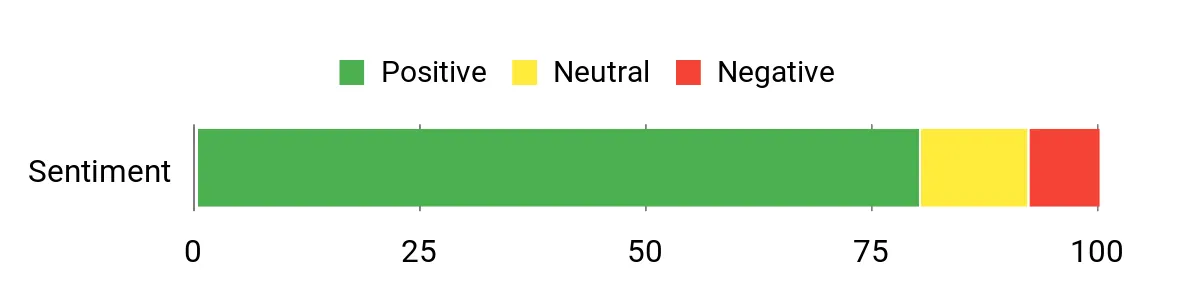
The source review snapshot emphasizes predictable sizing and general craft versatility. Buyers commonly used the rods for framing, model work, macramé, and other small projects, while some comments noted that a 1/4-inch rod is naturally too thin for loads that require a heavy structural support.
Overall impressions in that review snapshot favor reliability and versatility.
Overall Sentiment: Positive in the source review snapshot.
Long-Term Cost Benefits
A multipack provides several structural pieces for samples, frames, and hangings, which may reduce repeat purchases when you regularly prototype small projects.
Return on Investment
The value comes from adaptability: one pack can supply warp bars, hanging rods, model components, and light-duty supports rather than being restricted to a single weaving task.
Situational Benefits
|
Situation |
How It Helps |
|---|---|
|
Small Loom Builds |
Use the dowels as light warp bars or cross members when creating portable sampling frames and experimental looms. |
|
Macramé And Wall Hangings |
A straight rod gives cords and finished weaving a clean anchor and can help keep the top edge aligned. |
|
Studio Prototyping |
The rods are easy to cut and modify, so they work well for testing dimensions before moving to a heavier support. |
DIY Guide
Measure and mark each dowel before cutting. Use an appropriate cutting tool, then sand the cut ends and any rough areas that could catch yarn. For a small frame or loom, position the rods evenly and confirm that they stay straight when warp tension is applied.
For wall hangings, stain or paint the rod before mounting the textile and let the finish cure fully according to its instructions. A 1/4-inch rod is best treated as a light-duty support rather than a substitute for a thicker rod when the finished piece is heavy.
Handling & Comfort
|
Feature |
Practical Effect |
|---|---|
|
Smooth Rounded Shape |
A properly sanded dowel is straightforward to grip, wrap, and reposition while building a sample or hanging. |
|
Unfinished Surface |
The unfinished wood lets you choose your own paint, stain, wax, or other finish instead of being locked into a factory coating. |
|
Light Weight |
Thin wood rods are easy to move and cut, although appropriate eye protection and safe cutting technique are still important. |
Educational Value
Working with dowels teaches basic measuring, cutting, frame construction, and the relationship between structural stiffness and warp tension.
Versatility
These dowels can function as warp bars, hanging rods, model components, plant supports, frame parts, and general craft stock.
Aesthetic Appeal
The natural wood gives woven pieces a warm neutral support and can be left raw for a simple look or finished to match the project’s palette.
Key Benefits
- Consistent 1/4-inch diameter for lightweight structural work
- Unfinished hardwood can be sanded, painted, or stained
- 12-inch length suits samples and small projects
- Ten-piece pack supports multiple prototypes
Marketplace rating snapshot from the supplied article: 4.7/5 (2,930+ ratings shown at capture). Live counts can change.
Lily Cotton

Lily Sugar’n Cream Cone Yarn is a practical material when you want defined woven texture rather than an extremely fluffy surface. Yarnspirations lists the cone as 100% cotton, 400 g/14 oz, 616 m/674 yd, and #4 Medium. Its relatively firm cotton structure can show rya knots, wrapped lines, looped details, and dense weft clearly.
The manufacturer’s current care instructions say to wash colors separately because some colors may run, use a delicate wash at no more than 86°F/30°C, avoid bleach and ironing, and tumble dry at low heat on a delicate setting. That makes it suitable for many washable household projects, but it should not be described as universally colorfast.
What People Say
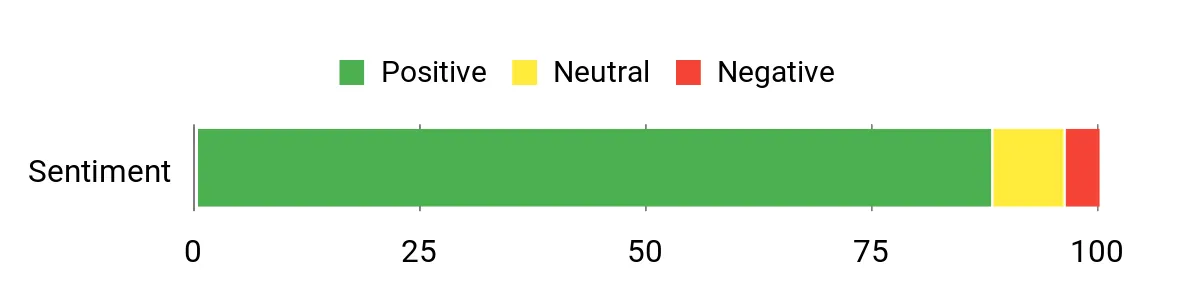
The source review snapshot highlights durability, useful yardage, and washability as common reasons buyers use this yarn for dishcloths and utility projects. Reviewers also mention its stitch definition and suitability for repeated craft use.
Overall Sentiment: Positive in the source review snapshot.
Long-Term Cost Benefits
A 14-ounce cone provides much more continuous yardage than a small ball, reducing joins and interruptions on larger projects. Whether it saves money depends on current pricing and how much of the cone you will actually use.
Return on Investment
The main practical value is volume and versatility: one cone can supply multiple woven samples, home-textile projects, crochet or knit items, and repeated texture experiments.
Situational Benefits
|
Situation |
How It Helps |
|---|---|
|
Kitchen Textiles |
Absorbent cotton and manufacturer-provided laundering instructions make it a practical choice for washable dishcloths and similar household textiles. |
|
Textured Wall Hangings |
The medium-weight cotton gives loops, knots, and wrapped details visible definition without the extreme loft of roving. |
|
Summer Wearables |
Cotton does not provide the same insulating behavior as wool, making it a common fiber choice for warm-weather craft projects when the structure and pattern are appropriate. |
Quick Guide
For knitting or crochet, Yarnspirations lists 4.5 mm/US 7 knitting needles and a 5 mm/US H-8 crochet hook for the product’s stated gauge. Those sizes are not requirements for weaving, but they help show that this is a medium-weight yarn rather than a fine thread or bulky roving.
For woven texture, start with one strand as a firm weft, double it when you need more visual weight, or cut equal lengths for rya pile. Soumak wrapping can make the same yarn appear much thicker because several passes accumulate around the warp. Test washing and finishing on a sample if the final piece will be laundered.
Handling & Comfort
|
Feature |
Description |
|---|---|
|
Natural Cotton Fiber |
100% cotton provides a matte, absorbent fiber with a different hand and drape from wool or synthetic yarns. |
|
Surface Feel |
Comfort against skin is individual, so make a swatch when the finished item will be worn or handled frequently. |
|
Washable Construction |
The yarn has manufacturer-provided machine-wash and low-temperature tumble-dry instructions, although colors should be washed separately because some may run. |
Educational Value
A firm #4 cotton yarn makes it easier to see how tension, wrapping direction, knot placement, and packing density change the final woven surface.
Versatility
The yarn can be used for household textiles, decorative weaving, crochet, knitting, bags, and other craft projects where medium-weight cotton suits the desired structure.
Aesthetic Appeal
The matte cotton surface emphasizes stitch and weave structure rather than shine, which helps raised lines and pile stand out visually.
Key Benefits
- 100% cotton provides a natural, defined surface
- #4 Medium weight is substantial enough for visible woven texture
- 14-ounce cone reduces joins on larger projects
- Manufacturer provides machine-wash and low-temperature tumble-dry care instructions
Marketplace rating snapshot from the supplied article: 4.7/5 (9,217+ ratings shown at capture). Live marketplace ratings can change.
DMC Scissors
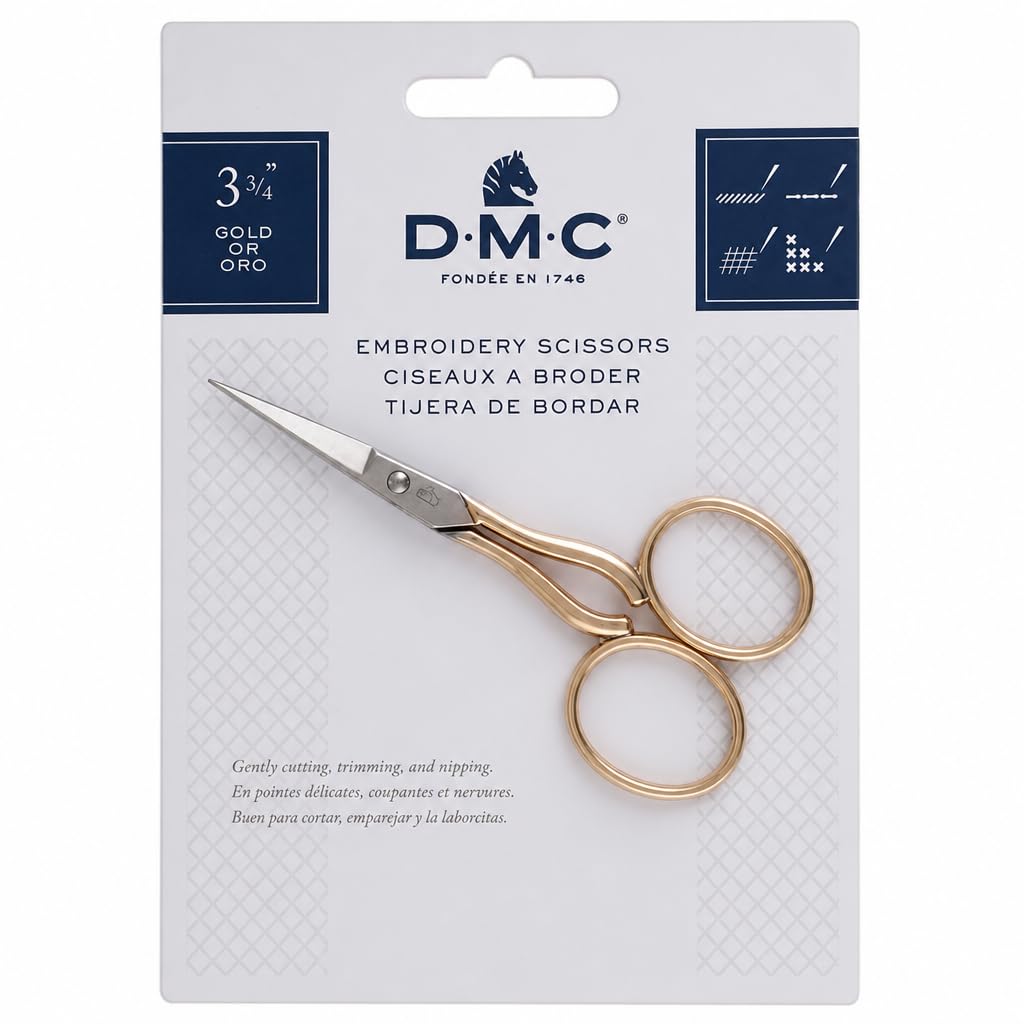
The Amazon-linked DMC 6123/3 embroidery scissors are compact detail scissors marketed with stainless-steel blades, gold-plated handles, and a length of about 3¾ inches. That small format is useful for trimming yarn tails, shaping rya pile, and making controlled cuts close to knots.
Model numbers matter here. DMC’s current Italian Embroidery Scissors page lists a closely related current SKU, 61233S, at 3 inches. Check the exact model and dimensions on the live retailer page if size is important to you rather than assuming all DMC gold-handled scissors use identical specifications.
What People Say
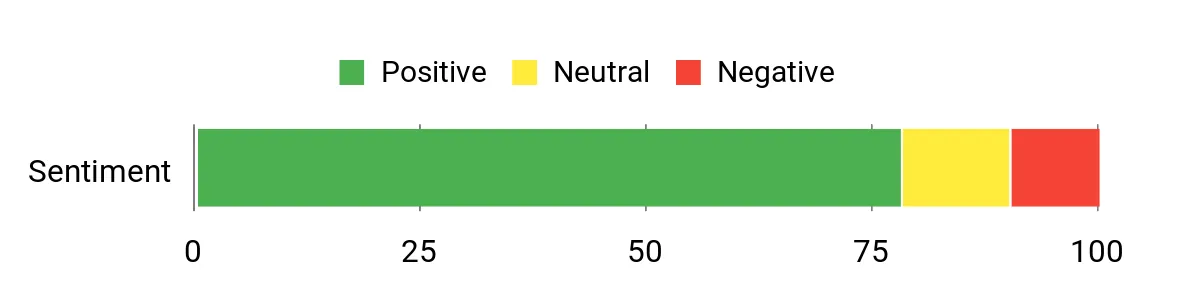
The source review snapshot emphasizes sharpness, compact size, and control for embroidery and yarn work. The small format is also mentioned as convenient for stitching kits and classes.
A minority of the summarized feedback mentioned quality variability, so inspect blade alignment and cutting performance when the scissors arrive.
Overall Sentiment: Positive in the source review snapshot.
Long-Term Cost Benefits
A dedicated pair of detail scissors can reduce wear on larger household shears and make close trimming easier. Actual edge life depends on materials cut, maintenance, and storage, so avoid using embroidery scissors for wire, heavy plastic, or other inappropriate materials.
Return on Investment
The practical payoff is control: precise cuts can make pile shaping and end finishing faster and help reduce accidental removal of nearby yarn.
Situational Benefits
|
Situation |
How It Helps |
|---|---|
|
Trimming Rya Pile |
Fine pointed blades let you make small shaping cuts while keeping surrounding loops and warp threads visible. |
|
Thread And Yarn Finishing |
A clean cut gives yarn tails a tidy end that is easier to hide or thread through a needle. |
|
On-The-Go Crafting |
The compact format fits small kits, but always check transport, school, studio, event, and airline rules before carrying scissors. |
Quick Guide
Reserve the small scissors for detail work. Use the tips to trim close to knots or shape a pile gradually, while larger shears handle long cuts and bulk material.
Keep the blades clean and dry and store them so the pointed tips are protected. When shaping textured weaving, make several small cuts and step back frequently rather than trying to establish the final pile height in one cut.
Handling & Comfort
|
Feature |
Description |
|---|---|
|
Compact Size |
A small pair is easier to position around individual yarn ends and pile tufts than large shears. |
|
Fine Points |
Pointed tips improve visibility and access during close trimming, but they also require careful handling. |
|
Controlled Short Cuts |
Small snips encourage gradual shaping, which is useful when the warp must remain untouched. |
Educational Value
Precise scissors encourage deliberate finishing and demonstrate how small changes in pile height can alter the silhouette and texture of a woven surface.
Versatility
Although designed for embroidery and needlework, these scissors can also handle yarn-tail trimming and other light craft-finishing tasks.
Aesthetic Appeal
The gold-accent handle and silver blade give the scissors a traditional needlework appearance that suits a compact craft toolkit.
Key Benefits
- Stainless-steel blades for precise craft cutting
- Compact size fits small project and travel kits
- Gold-plated handle gives the linked 6123/3 model a classic finish
- Small loop-handle layout can be used from either hand by many crafters, although individual comfort varies
Marketplace rating snapshot from the supplied article: 4.5/5 (92+ ratings shown at capture). Live ratings can change.
Darice 1/2
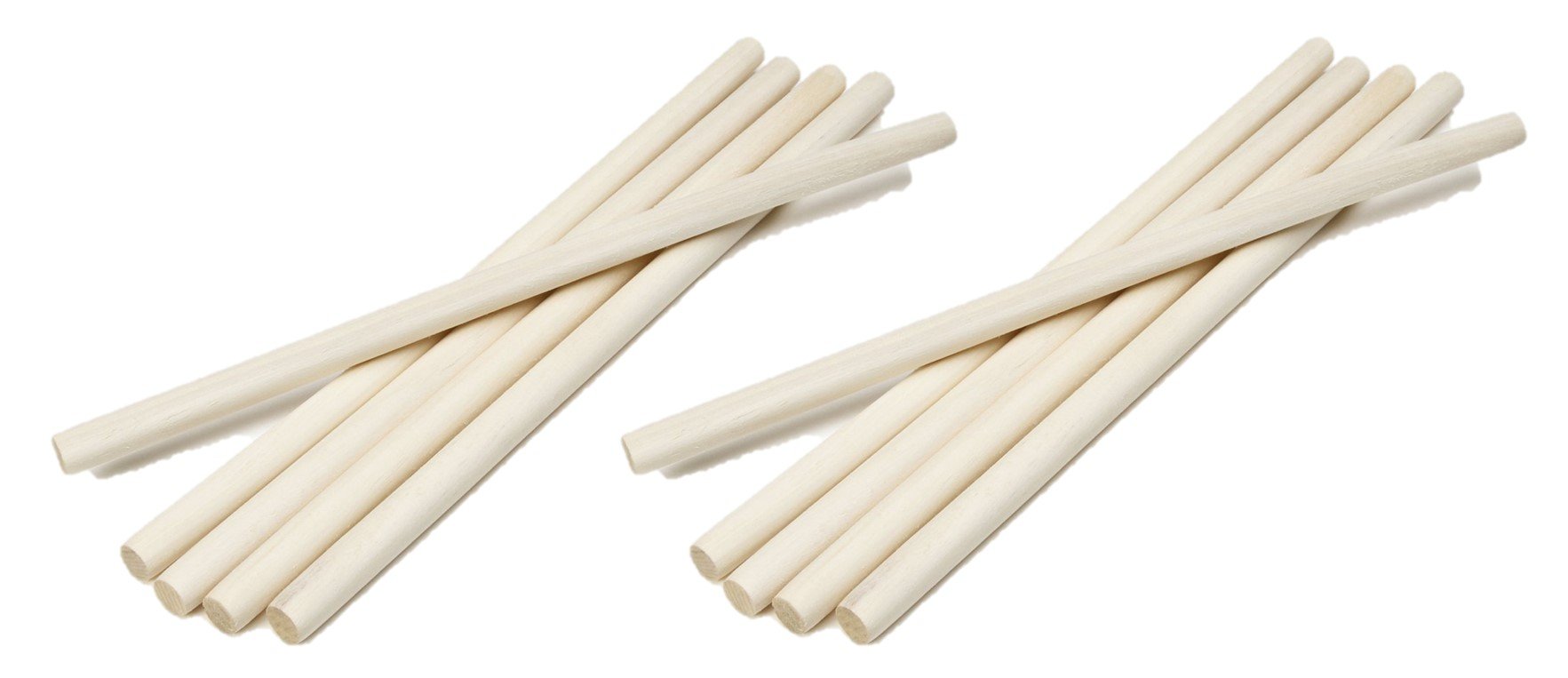
Half-inch dowels provide a stiffer structural option than the 1/4-inch rods when you need a hanging rod, macramé anchor, loom crossbar, or prototype upright. They do not create woven texture directly, but a rigid support can help a textured piece hang cleanly without excessive flex at the top edge.
The unfinished surface can accept paint, stain, wax, or another craft finish. Measure your finished textile and expected load before choosing the rod, because diameter alone does not guarantee that a dowel is suitable for every large or heavy installation.
What People Say
The limited review snapshot in the supplied article emphasizes straightness, finish quality, ease of cutting, and the ability to paint or stain the rods.
Because the source article showed only a few ratings, the review sample is too small to treat the score as a broad measure of long-term product quality.
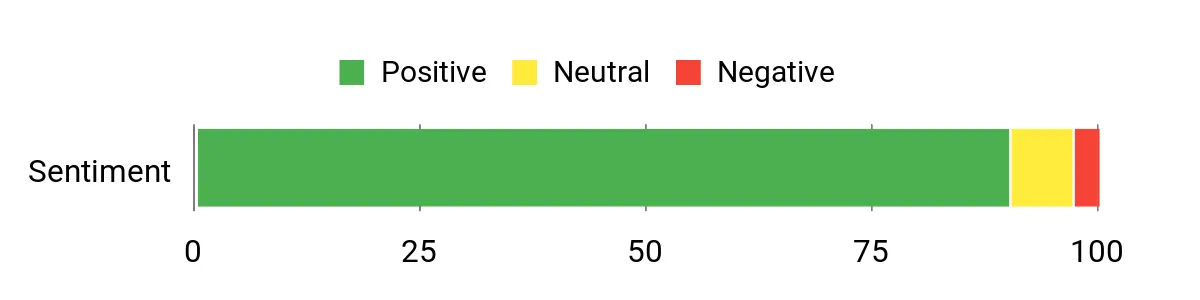
Overall Sentiment: Positive, but based on a very small source review snapshot.
Long-Term Cost Benefits
A reusable rod can move between prototypes, temporary displays, and finished hangings when its length and condition remain suitable. Offcuts may also be useful for smaller samples.
Return on Investment
The practical value is flexibility: unfinished dowels can be cut and finished for several kinds of lightweight studio structures instead of serving one fixed purpose.
Situational Benefits
|
Situation |
How It Helps |
|---|---|
|
Wall Hangings |
A thicker dowel can provide a clean top support for a woven wall piece when the size and weight are appropriate for the rod. |
|
Small Looms |
The larger diameter offers more rigidity than a thin craft rod when used as a crossbar or warp beam in a small experimental frame. |
|
Mixed-Media Mounting |
The unfinished wood can be cut, wrapped, painted, or stained to coordinate with lightweight decorative elements. |
DIY Guide
Measure and mark the dowel, make the cut with an appropriate tool, and sand the ends and surface wherever yarn will touch the wood. Test the fit before applying a finish.
For a hanging, distribute the textile evenly across the rod so one point is not carrying most of the load. For a small loom, secure the bar so it cannot rotate while you tension the warp. If one dowel flexes noticeably under the intended load, move to a more suitable support rather than assuming that bundling will always solve the problem.
Handling & Comfort
|
Feature |
Description |
|---|---|
|
Rounded Shape |
A smooth round rod is simple to wrap with yarn or cord once rough areas and splinters have been sanded. |
|
Unfinished Wood |
You control the finishing product, so choose paint, stain, oil, or wax appropriate to the project and follow that product’s ventilation and curing instructions. |
|
Lightweight Support |
A wooden craft dowel is easier to reposition than many metal supports, but the required strength still depends on the finished piece. |
Educational Value
Using dowels in weaving projects helps develop measuring, cutting, finishing, basic joinery, and an understanding of how support placement influences warp tension and display.
Versatility
These dowels can function as hanging rods, sample-loom bars, craft supports, prototype components, and mixed-media mounting elements.
Aesthetic Appeal
The natural wood can complement woven fiber directly or be stained or painted so the support becomes part of the visual design.
Key Benefits
- Half-inch diameter provides more rigidity than the thinner 1/4-inch option for many small and medium craft uses
- Unfinished wood accepts custom paint, stain, wax, or other suitable finishes
- Compact multipack is easy to store and modify
- A properly sanded surface helps prevent yarn from catching on rough wood
Marketplace rating snapshot from the supplied article: 5.0/5 (3+ ratings shown at capture). The sample is very small and live ratings can change.
Common Textured-Weaving Problems and Fixes
|
Problem |
Likely Cause |
Fix |
|---|---|---|
|
Edges pull inward |
Textured weft or soumak is being pulled too tightly. |
Leave a small weft arc before beating it into place and reduce wrapping tension. |
|
Rya pile feels loose |
Knots are not seated evenly or lack supporting rows. |
Tighten each knot consistently and add plain-weave rows around pile sections. |
|
Large gaps appear between textures |
Too many bulky rows are stacked without stabilizing the warp. |
Insert several plain-weave passes and distribute bulky sections rather than concentrating all of them in one area. |
|
Loops look uneven |
Loop size is being judged by eye with no guide. |
Wrap loops over a removable spacer, knitting needle, or dowel so each loop is formed to a similar height. |
|
Yarn snags on a hanging rod |
The wood has rough grain or an unfinished cut end. |
Sand the contact surface smooth before mounting the textile. |
|
Pile looks choppy after trimming |
Too much yarn is being removed in one pass. |
Make small snips, hang or hold the work at viewing distance, and refine gradually. |
Frequently Asked Questions
How Do I Choose Yarn For Texture?
Choose yarn for the surface you want rather than color alone. Smooth medium-weight cotton gives clear definition to loops, knots, and wrapping, while wool, boucle, thick singles, and roving can produce softer or loftier texture. Also consider how the fiber changes after washing and whether the finished project needs a manufacturer-approved washable care routine.
What Tools Do I Need To Add Texture?
A basic kit can be very small: a warped loom or frame, yarn, a blunt tapestry needle, and sharp detail scissors. Dowels are useful as loom bars, spacers, or hanging supports. Rya, soumak, loops, and thick weft can all be practiced with those simple tools before investing in specialist equipment.
How Do I Secure And Finish Textured Areas?
Seat knots and wrapped rows consistently, add plain-weave passes where extra stability is needed, and weave loose tails back through neighboring rows on the reverse. Trim rya or looped pile gradually. If the fiber is washable, follow its care instructions when blocking or laundering instead of assuming every yarn tolerates the same finishing method.
What Is The Difference Between Rya And Soumak?
Rya is a pile technique that secures cut lengths of yarn around warp threads to create fringe or a trimmed pile. Soumak is a wrapping technique in which supplementary weft travels around warp threads to form a raised ridge. Rya produces free ends; soumak produces a structured wrapped line.
How Do I Stop Textured Weaving From Puckering?
Do not pull weft or soumak wraps tightly across the width of the warp. Maintain even warp tension, leave enough weft to travel around the warp without drawing the sides inward, and add plain-weave rows between very bulky areas. A sample swatch is the safest place to establish the right tension.
Customer Preferences
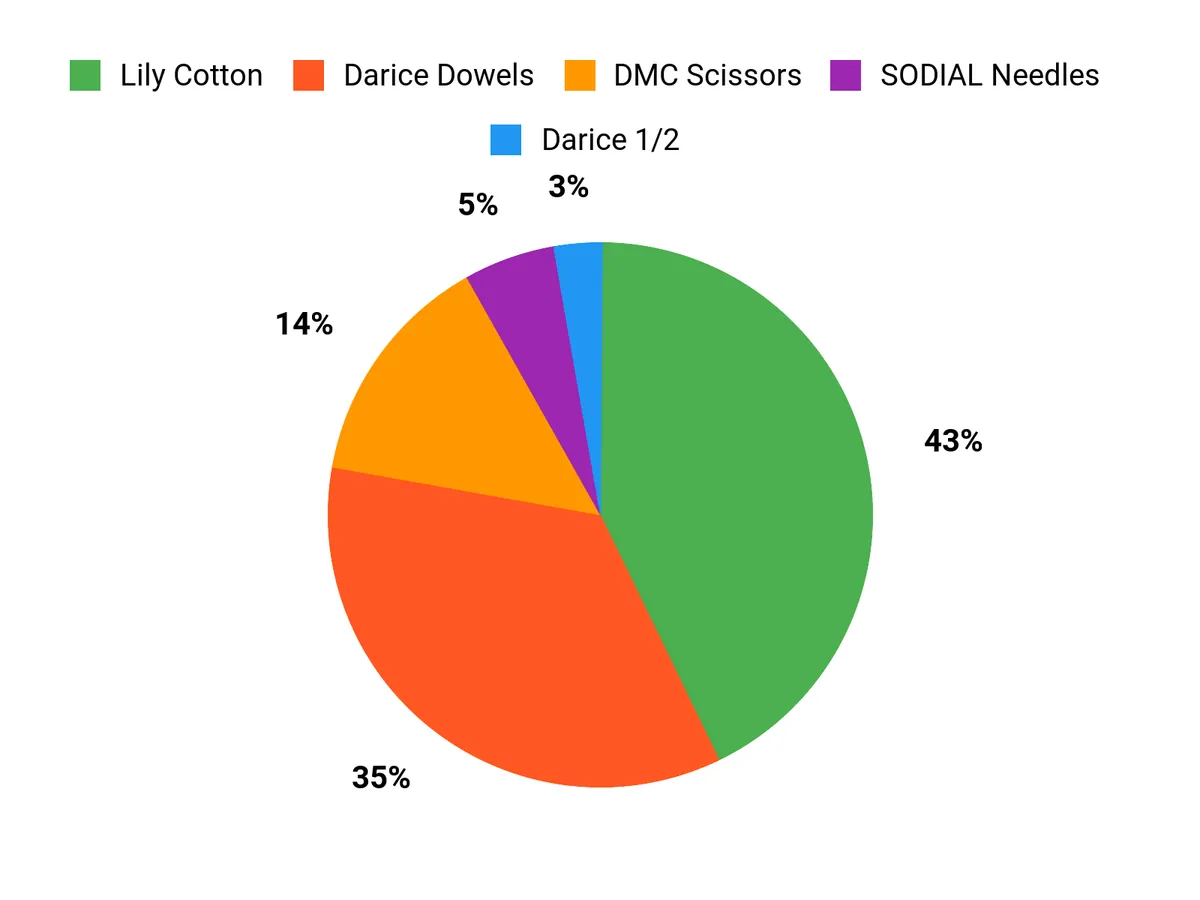
When choosing between SODIAL Needles, Darice Dowels, Lily Cotton, DMC Scissors, and the thicker Darice rods, start with the job the item must perform. Needles help place and finish yarn; cotton supplies the visible fiber; scissors refine pile and tails; and dowels mainly support, space, frame, or display the weaving.
For a first texture sample, yarn and a tapestry needle usually affect the woven surface more directly than the dowel diameter. For a finished wall hanging, however, the stiffness, length, finish, and appearance of the support become much more important.
Sources
- Yarnspirations — Lily Sugar’n Cream Cone Yarn — fiber content, cone weight, yardage, yarn weight, gauge, and care instructions.
- DMC — Italian Embroidery Scissors — current manufacturer specifications for DMC’s closely related Italian embroidery-scissor line.
- The Metropolitan Museum of Art — Weaving Techniques — sumak/soumak structure and extra-weft wrapping.
- Woolmark — How to Weave a Tapestry — practical examples of soumak, rya pile, and wool roving.
- Craft Yarn Council — Standard Yarn Weight System — standardized yarn-weight terminology.
- Federal Trade Commission — Endorsement Guides FAQ — affiliate disclosure guidance.
Wrapping Up
You now have five practical options for building and finishing textured weaving: tapestry needles for yarn placement, thin and thick dowels for structural support, cotton yarn for defined woven texture, and compact scissors for controlled trimming. The tools matter, but the largest visual changes usually come from technique—especially rya pile, soumak wrapping, loops, roving, and changes in yarn thickness.
Start with a small swatch, keep warp tension consistent, stabilize bulky sections with plain weave, and trim gradually. Once you know how each fiber and technique behaves, you can combine them deliberately instead of relying on trial and error in the final piece.
| Product Name | Image | Rating Snapshot | Material | Dimensions | Weight |
|---|---|---|---|---|---|
| SODIAL(R) 18 Pcs Plastic Hand Sewing Yarn Darning Tapestry Needles Craft 9.3cm; 7cm Each 9Pcs |
|
4.7/5 (9 reviews in source snapshot) | Plastic | 9.3 cm, 7 cm | N/A |
| Dowel Rod – Wood – 1/4 x 12 Inches – 10 Pieces |
|
4.7/5 (2,930 reviews in source snapshot) | Wood | 1/4-inch diameter x 12 inches | 0.16 pounds listed for the packaged item in the supplied comparison data |
| Lily Sugar’n Cream Cotton Cone Yarn, White, 1 Cone, 14 oz |
|
4.7/5 (9,217 reviews in source snapshot) | 100% Cotton | 400 g/14 oz cone; 616 m/674 yd for the current manufacturer-listed cone | 14 ounces |
| DMC 6123/3 Embroidery Scissors – 3-3/4-Inch – Gold/Silver |
|
4.5/5 (92 reviews in source snapshot) | Stainless Steel | 3-3/4-inch length for linked 6123/3 model | 22.68 g listed in the supplied comparison data |
| DARICE 9162-00 Unfinished Natural Wood Craft Dowel Rod, 1/2-Inch (2 Packs) |
|
5/5 (3 reviews in source snapshot) | Wood | 1/2-inch diameter; confirm current pack length on the live listing | N/A |
This roundup is reader-supported. When you click through affiliate links and make a qualifying purchase, we may earn a referral commission at no extra cost to you.