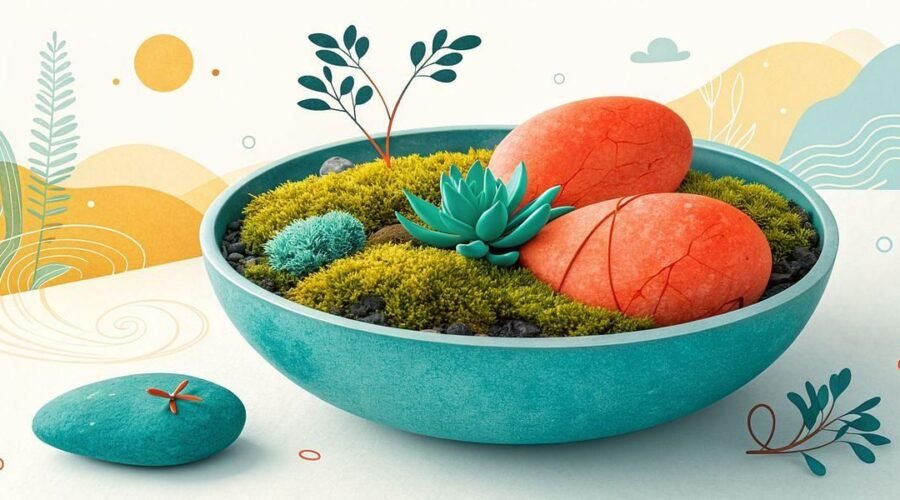
You can make natural-looking moss-covered bowl fillers at home with a simple foam core, preserved or dried craft moss, and the right adhesive. The biggest difference in the finished result comes from using a foam-safe gluing method, working in small sections, and covering gaps without building up visible blobs of glue.
Quick Answer
For DIY moss-covered bowl fillers, use smooth foam balls, preserved or dried craft moss, scissors, and either a low-temperature glue gun or a foam-compatible craft adhesive. Work in small sections, overlap the moss slightly, fill visible gaps, trim loose fibers, and keep preserved moss indoors, dry, and away from direct sunlight.
Key Takeaways
- A smooth foam ball makes it easier to build a round, even moss-covered filler.
- For foam projects, a low-temperature glue gun is the safer default because excessive heat can damage some foam materials.
- The HOTO Mini favors portability and detail work, while the HOTO Easyflow favors faster repetitive dispensing.
- Preserved moss does not need watering; keeping it dry and away from direct sunlight helps preserve its appearance.
Affiliate disclosure: This roundup is reader-supported. When you click through qualifying affiliate links, we may earn a referral commission at no additional cost to you.
At a Glance
| Time Required | About 20–40 minutes for a small set, depending on ball size, moss type, and adhesive |
| Difficulty | Beginner |
| Tools Needed | Foam balls, craft moss, scissors, low-temperature glue gun or foam-compatible adhesive, protective work surface; floral pins optional |
| Cost | Variable; most of the recurring cost is foam balls, moss, and adhesive, while the glue gun can be reused |
Top Picks
|
Category |
Product |
Editorial Fit Score |
|---|---|---|
|
🔋 Best Portable |
82/100 |
|
|
🚀 Best for Speed |
88/100 |
|
|
🎨 Best Foam Base |
76/100 |
About the scores: These are editorial fit scores for this specific moss-ball project, not laboratory performance ratings. They reflect how well each item fits its intended role in the workflow.
Selection Criteria
You want supplies that make moss projects easier and more reliable, so the most important factors are controlled adhesive flow, foam compatibility, portability, comfort, and a predictable base. A good glue gun should let you place short beads without flooding the moss with adhesive. For foam balls, a smooth surface and consistent shape make coverage easier and reduce visible gaps.
We also checked current manufacturer information where available. HOTO lists approximately 30-second warm-up times for both glue guns, while FloraCraft describes SmoothFōM as a dense, lightweight EPS material with a smooth surface that accepts paint and coatings. FloraCraft’s own moss-sphere projects specify a low-temperature glue gun, which is a useful baseline when working with foam.
What You Need for Moss-Covered Bowl Fillers
- Foam balls: Choose one size for a uniform look or mix two or three sizes for a fuller bowl arrangement.
- Craft moss: Preserved sheet, forest, reindeer, or other decorative moss can work. Sheet moss is easier to wrap smoothly; loose moss gives a rougher, more organic texture.
- Adhesive: Use a low-temperature glue gun for fast assembly or a foam-compatible craft adhesive when you want more working time.
- Scissors: Use them to trim long strands and clean the final outline.
- Protective work surface: A silicone mat, cardboard, or other heat-resistant surface catches moss debris and glue drips.
- Optional floral pins: A few pins can temporarily hold thick or stubborn moss sections while the adhesive sets.
Warning: Melted glue and the nozzle of a glue gun can cause burns. Do not touch the nozzle or fresh glue, keep the tool on a stable heat-resistant surface, and supervise children closely. Test the glue on a scrap piece of foam before using it on the finished project.
Choosing the Right Moss
Preserved moss is usually the easiest choice for indoor decorative bowl fillers because it keeps a natural appearance without soil or watering. It is no longer living, so it does not need sunlight or irrigation. According to SuperMoss care guidance, preserved moss lasts longest indoors, away from direct sunlight and unnecessary moisture.
Dried moss can also work but may feel more brittle and shed more during handling. Faux moss is another option if you need a washable or moisture-tolerant decoration. Whichever material you choose, test a small amount with your adhesive first because dyes, backing materials, and preservation treatments vary.
Note: Preserved moss and living moss are different materials. Decorative preserved moss normally should not be watered, misted, or treated like a live plant.
How to Make Moss-Covered Bowl Fillers
1. Choose and Prepare the Foam Balls
Select balls that fit comfortably inside your bowl without stacking so high that the arrangement feels unstable. For a natural look, combine several sizes. If you are using white foam and your moss layer will be thin, you can lightly paint the visible surface green or brown with a foam-compatible coating and let it dry before gluing.
2. Prepare the Moss
Separate the moss into manageable patches before heating the glue gun. Remove obvious debris and tease apart thick clumps. Pre-cutting several pieces reduces the amount of time you spend handling scissors while the glue gun is hot.
3. Test the Adhesive
Apply a small amount of glue to an inconspicuous area of the foam. The foam should keep its shape without melting, shrinking, or pitting. If you see damage, stop and switch to a lower-temperature setting or a foam-compatible craft adhesive.
4. Glue in Small Sections
Apply a short bead or several small dots of glue to a limited area rather than coating the whole ball at once. Press a moss patch onto the adhesive using a craft stick, tweezers, or another tool if necessary so your fingers do not contact hot glue.
5. Overlap the Edges
Add the next piece so it slightly overlaps the first. Rotate the ball as you work. Small overlapping sections hide seams better than large, irregular pieces and make it easier to keep the finished ball round.
6. Fill Bare Spots
After the ball is covered, inspect it from several angles. Tuck small pieces of moss into exposed seams or white spots. A tiny amount of adhesive usually works better than adding another thick layer over the entire area.
7. Trim and Shape
Once the glue is cool and secure, trim stray fibers with scissors. Avoid cutting the surface perfectly smooth; a little uneven texture is what gives moss-covered fillers their natural look.
8. Arrange the Finished Balls
Place the largest balls first, then use smaller pieces to fill spaces. Odd-numbered groupings and mixed sizes generally look less rigid than a row of identical spheres. Keep preserved moss away from wet floral arrangements or containers that may hold standing water.
Pro Tip: If small areas of white foam keep showing through, patch those spots with tiny wisps of moss rather than adding a thick second layer. This keeps the ball lighter, rounder, and less lumpy.
Troubleshooting Common Moss-Ball Problems
|
Problem |
Likely Cause |
Fix |
|---|---|---|
|
White foam shows through |
Moss patches are too far apart or too thin |
Add small overlapping moss pieces only where needed. |
|
Ball looks lumpy |
Too much moss or thick glue beads |
Trim excess fibers and use smaller patches with less adhesive. |
|
Moss keeps lifting |
Glue cooled before the moss was pressed into place |
Work on smaller areas and hold each patch until the adhesive grabs. |
|
Foam dents or melts |
Adhesive is too hot or concentrated in one place |
Stop, use a low-temperature method, and test on scrap foam before continuing. |
|
Visible glue strings |
Long glue pulls between sections |
Let the glue cool completely, then gently remove the strings with tweezers or your fingers. |
|
Loose moss sheds |
Unsecured surface fibers |
Gently shake the finished ball over a trash bin and trim loose strands; avoid spraying preserved moss with water or sealant unless its manufacturer approves it. |
HOTO Mini
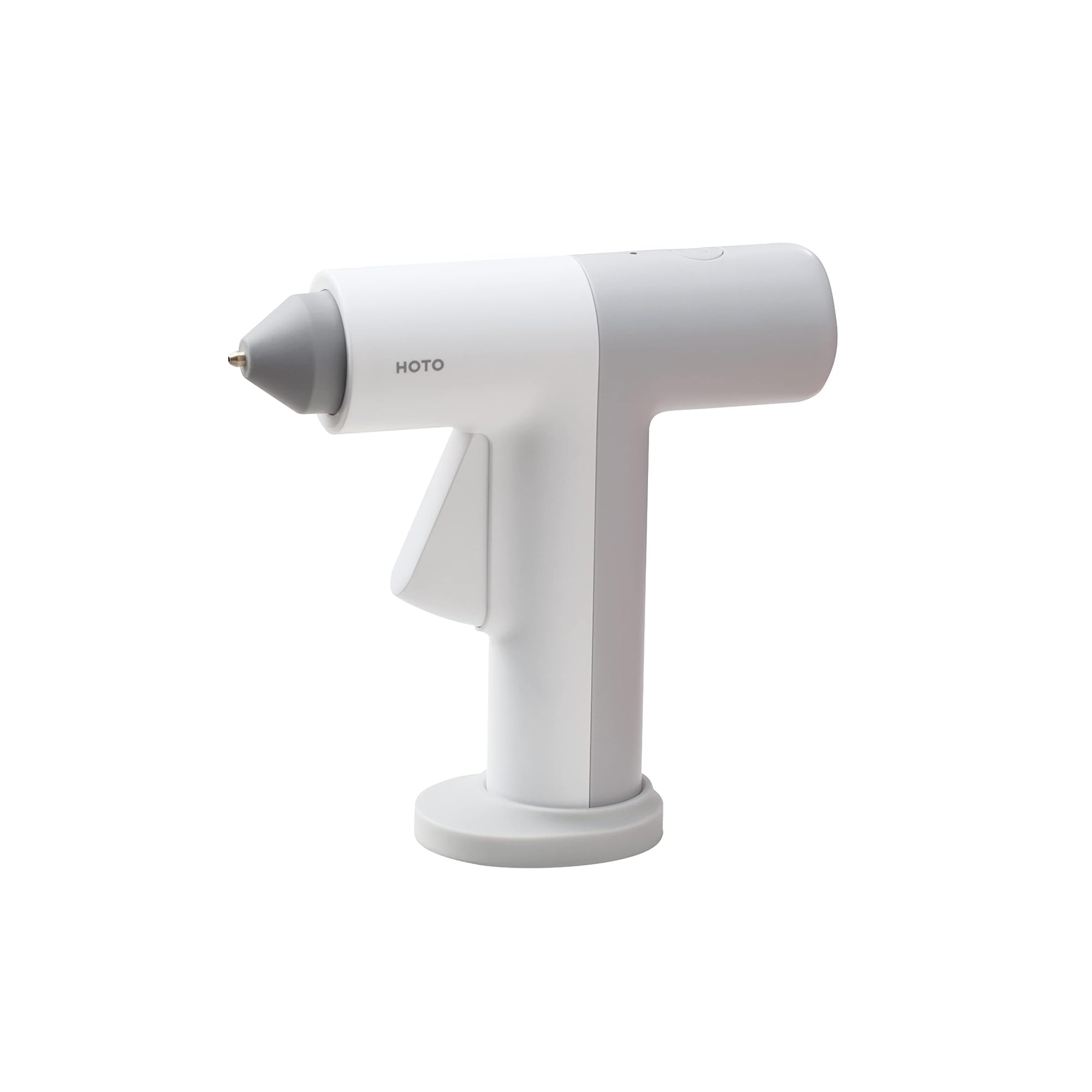
The HOTO Mini is a compact cordless glue gun designed for craft and repair work. HOTO currently lists approximately 30-second warm-up, USB-C charging, intelligent temperature control, automatic shutoff after five minutes of inactivity, and a compact manual-feed design. The current Amazon listing identifies the model as QWRJQ001 with a 2000 mAh battery and 8-watt rating.
Its small size makes it particularly useful when you are attaching moss in short sections or moving around a table without dragging a cord through loose craft material. The package includes mini glue sticks, and the narrow output is better suited to controlled decorative work than large-volume bonding.
For foam projects, do not assume that any hot-glue setting is automatically safe simply because the gun is compact. FloraCraft recommends low-temperature glue for its foam moss projects, so test the HOTO Mini on scrap foam before covering a full ball.
What People Say
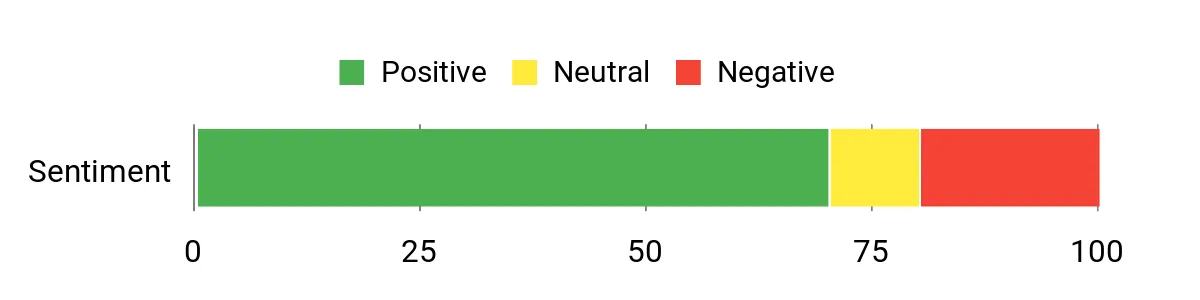
As checked on September 18, 2026, the Amazon listing shows approximately 4.0/5 from 1,726 ratings. The static sentiment chart below came from the article’s earlier review-analysis snapshot, so it should not be treated as a live representation of every current review.
Review feedback has generally focused on the convenience of cordless use, compact size, fast warm-up, and clean control for smaller jobs. The tradeoff is capacity: a small cordless gun is better suited to intermittent craft work than long sessions that demand continuous high output.
Overall Sentiment: Neutral
|
Pros |
Cons |
|---|---|
|
✅ Portable and lightweight for crafting away from an outlet |
❌ Battery capacity is less suitable for very long production sessions |
|
✅ Approximately 30-second warm-up |
❌ Not designed as a high-output industrial adhesive tool |
|
✅ Compact output helps with detailed moss placement |
❌ Small glue sticks require more frequent loading during large batches |
|
✅ USB-C rechargeable design |
❌ Foam compatibility should still be tested before a full project |
Long-Term Cost Benefits
The rechargeable tool avoids disposable batteries, while controlled glue placement can help prevent unnecessary adhesive use. The more meaningful savings come from reusing the same glue gun across many craft projects rather than treating it as a disposable tool.
Return on Investment
For occasional makers, the practical return is convenience rather than a guaranteed financial payoff. Quick setup and cordless movement can save time on small repairs and decorative projects, especially when you only need a few short glue beads.
Situational Benefits
|
Situation |
How It Helps |
|---|---|
|
Quick Touch-Ups |
Cordless operation makes it easy to repair a loose moss patch without setting up a corded workstation. |
|
Table-Free Crafting |
You can move around a project more easily without a power cord crossing loose moss or decorative materials. |
|
Detailed Small Work |
The compact body and controlled flow make short adhesive beads easier to place around seams and small gaps. |
|
Adult-Supervised Crafting |
The compact design can be easier to handle than a large gun, but the nozzle and melted adhesive are still hot and require careful adult supervision around children. |
Environmental Considerations
|
Consideration |
What It Means |
|---|---|
|
Rechargeable Battery |
The integrated rechargeable battery avoids routine use of disposable cells, although the battery itself will eventually reach end of life. |
|
Controlled Glue Use |
Applying only the adhesive needed for each moss patch can reduce unnecessary glue consumption. |
|
Reusable Tool |
Keeping the gun in service for multiple projects is preferable to replacing functional tools unnecessarily. |
Safety and Ergonomic Considerations
|
Feature |
Practical Meaning |
|---|---|
|
Insulated Design |
HOTO uses heat-resistant covering and temperature-control features, but the nozzle and fresh glue must still be treated as burn hazards. |
|
Small Body |
The compact shape can be easier to position around small decorative pieces. |
|
Automatic Shutoff |
The five-minute idle shutoff adds protection against accidentally leaving the tool heating indefinitely, but it does not replace normal supervision. |
Versatility
You can use the HOTO Mini for paper, fabric, plastic, light wood, and many craft projects in addition to moss work. When using it with EPS foam, always test the temperature and adhesive on scrap material first.
Aesthetic Appeal
Small, controlled glue beads are easier to hide under moss than oversized blobs. That matters on decorative balls because exposed adhesive quickly makes the surface look artificial.
Eco Friendliness
The rechargeable format and reusable tool body can reduce reliance on disposable batteries and single-use tools, but the overall environmental impact depends on manufacturing, battery life, disposal, and how long you keep the tool. Glue sticks also remain consumable plastic-based adhesive products.
Key Benefits
- Cordless convenience for small craft projects
- Approximately 30-second warm-up
- Compact output for detailed moss application
- USB-C rechargeable battery and five-minute idle shutoff
Rating checked September 18, 2026: 4.0/5 (approximately 1,726 ratings)
HOTO Easyflow

The HOTO Easyflow is the higher-output option in this comparison. HOTO describes it as an auto-dispensing glue gun with approximately 30-second preheating, cordless or plug-in operation, and a package containing 40 glue sticks. The current Amazon listing identifies it as model QWRJQ002, rated at 20 watts with a 3000 mAh battery.
For repetitive moss-ball work, automatic dispensing is the main advantage. Instead of repeatedly squeezing a conventional trigger, you can concentrate on rotating the foam ball and positioning moss patches. HOTO says the battery can process roughly 28–30 mini glue sticks per charge depending on the listing and operating conditions.
The current Amazon listing also notes five-minute automatic shutoff and says a USB-C charging cable may not be included with this package, so check the exact seller contents before ordering. Amazon also currently surfaces a newer HOTO auto-dispensing variant; this review refers specifically to ASIN B0CKX8V6QX.
What People Say
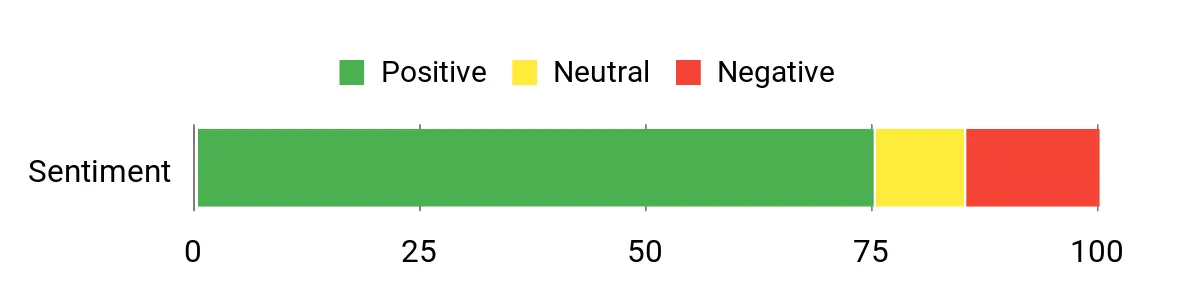
As checked on September 18, 2026, the Amazon listing shows approximately 4.3/5 from 411 ratings. The static sentiment chart below reflects the earlier review-analysis snapshot used in the source article rather than a live analysis of every current review.
The product’s strongest practical appeal is its automatic feed and dual-power flexibility. Those features are useful for repetitive craft work where interruptions and hand fatigue matter more than ultra-compact size.
Overall Sentiment: Positive
|
Pros |
Cons |
|---|---|
|
✅ Auto-dispensing supports faster repetitive work |
❌ Larger and heavier than the HOTO Mini |
|
✅ Cordless or plug-in operation adds flexibility |
❌ Mini 7 mm sticks can require frequent feeding in very heavy-use projects |
|
✅ One-button feed reduces repetitive trigger squeezing |
❌ Current listing says a charging cable is not included with this package |
|
✅ Includes 40 glue sticks |
❌ Exact package/version should be checked because HOTO now sells newer variants |
Long-Term Cost Benefits
The included stick supply means you can begin a substantial craft batch without immediately buying refills. The plug-in operating option also means a depleted battery does not necessarily end a long crafting session.
Return on Investment
The Easyflow makes the most sense when you repeatedly use hot glue for crafts, decorations, or repairs. Its value comes from faster dispensing and reduced repetitive trigger work rather than from a guaranteed dollar savings.
Situational Benefits
|
Situation |
How It Helps |
|---|---|
|
Batch Production |
Automatic feeding reduces repeated trigger squeezing when you are covering several foam balls in one session. |
|
Color-Swapping |
The package contains clear and colored mini sticks, although clear adhesive is usually easier to hide under natural moss. |
|
Remote Workspaces |
Cordless operation lets you move around a worktable without dragging a cable through loose moss. |
|
Long Sessions |
Plug-in operation and automatic feeding are useful when you need more continuous output. |
Environmental Considerations
|
Consideration |
What It Means |
|---|---|
|
Rechargeable Battery |
The built-in battery avoids routine disposable-cell use but should eventually be handled through appropriate electronic-waste channels. |
|
Bulk Consumables |
The included 40-stick supply reduces how soon you need another glue-stick purchase, though it does not by itself prove a lower environmental footprint. |
|
Controlled Dispensing |
Consistent output can make it easier to avoid oversized glue beads and unnecessary adhesive waste. |
Safety and Ergonomic Considerations
|
Feature |
Practical Meaning |
|---|---|
|
Automatic Feed |
Reduces repetitive squeezing during long craft sessions. |
|
Temperature Control |
Helps regulate operation, but fresh hot glue and the nozzle remain burn hazards. |
|
Automatic Shutoff |
The current listing specifies shutoff after five minutes of inactivity, adding a backup safety feature when the tool is left idle. |
Versatility
The Easyflow is suitable for many craft materials and light repairs, including decorative work with paper, cloth, plastic, glass, and similar materials. For EPS foam, test the adhesive temperature before committing to the project.
Aesthetic Appeal
Steady dispensing makes it easier to lay short, predictable adhesive lines that disappear beneath the moss instead of leaving visible lumps or hardened glue strings.
Eco Friendliness
A rechargeable, reusable tool may reduce some disposable consumption, but there is not enough lifecycle evidence to claim that this glue gun is categorically eco-friendly. The best practical approach is to keep the tool in use for as long as possible and avoid wasting glue sticks.
Key Benefits
- Automatic glue dispensing for repetitive assembly
- Cordless or plug-in operation
- Approximately 30-second preheating
- 3000 mAh battery and 40-stick package
Rating checked September 18, 2026: 4.3/5 (approximately 411 ratings)
FloraCraft Ball
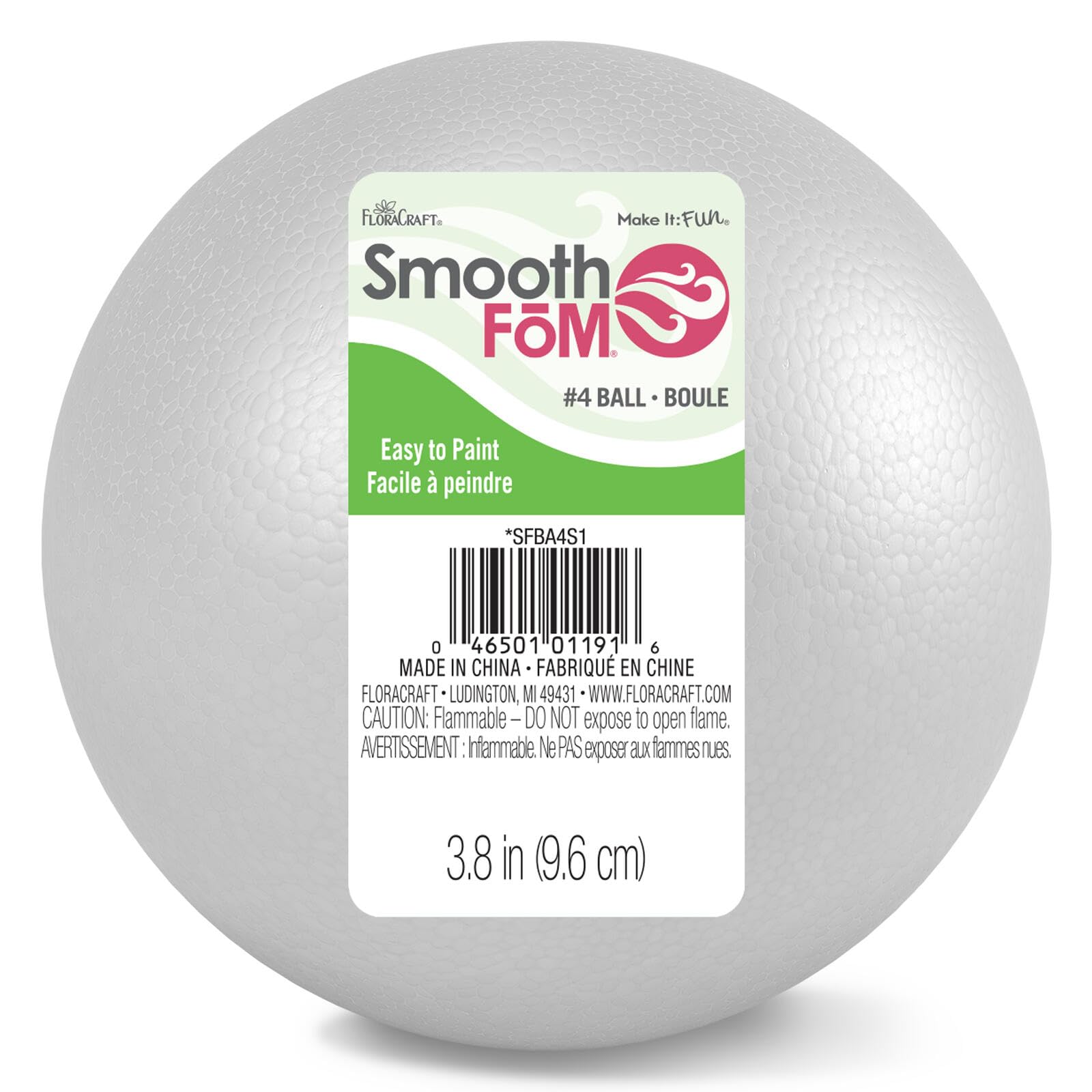
FloraCraft SmoothFōM gives you a lightweight EPS sphere with a dense, smooth surface that works well as a predictable core for decorative moss balls. FloraCraft describes SmoothFōM as smooth, lightweight, durable EPS that can be painted or coated to create different colors and textures.
A consistent round core saves considerable shaping time. You can cover the surface directly, paint it green or brown before adding a thin moss layer, or use pins to help position stubborn decorative material. FloraCraft also publishes moss-sphere projects using foam balls and a low-temperature glue gun, which directly supports this type of craft application.
What People Say
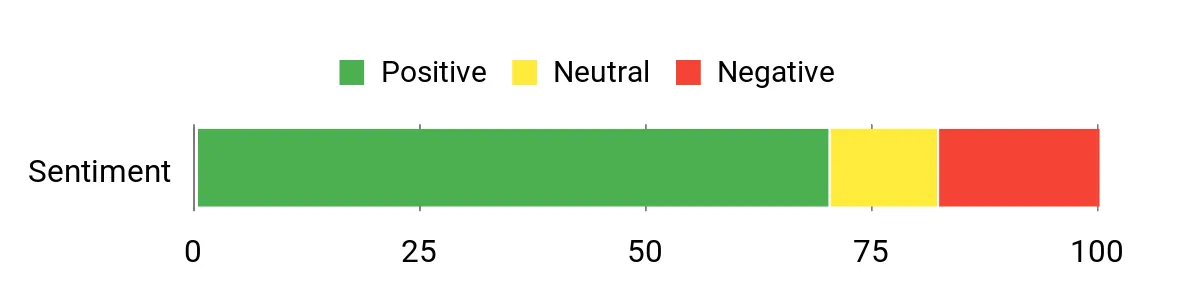
As checked on September 18, 2026, the Amazon listing shows approximately 4.1/5 from 172 ratings. The sentiment chart below is the static review-analysis image retained from the source article, not a live analysis of today’s full review set.
The product’s practical strengths are straightforward: a uniform round shape, low weight, and a surface made for craft finishing. As with any lightweight foam piece, check dimensions carefully before ordering because a ball can look larger or smaller online than it does in a real bowl.
Overall the consensus is that it is a practical and versatile craft core.
Overall Sentiment: Positive
|
Pros |
Cons |
|---|---|
|
✅ Smooth EPS surface works well for paint, coatings, and decorative covering |
❌ Lightweight foam can dent if crushed during storage or handling |
|
✅ Lightweight and easy to handle during assembly |
❌ You need to verify the diameter against your bowl before buying |
|
✅ Consistent round shape simplifies moss coverage |
❌ Decorative EPS is not intended for load-bearing structural use |
Long-Term Cost Benefits
A ready-made round core reduces the time needed to shape a base by hand. If you reuse finished moss balls seasonally and store them carefully, the same decorative pieces can remain useful across multiple displays.
Return on Investment
The value is mainly consistency and saved preparation time. For repeat craft projects, standardized ball sizes make it easier to reproduce the same arrangement without rebuilding each core from scratch.
Situational Benefits
|
Situation |
How It Helps |
|---|---|
|
Quick Seasonal Batches |
Identically shaped cores make it easy to build a coordinated set for a bowl, tray, shelf, or centerpiece. |
|
Detail Work |
The smooth surface makes small gaps and uneven moss sections easier to see and correct. |
|
Protected Displays |
The foam itself is lightweight and easy to move. If the ball is covered with preserved moss, keep the finished piece indoors or otherwise protected from water, prolonged direct sun, and harsh weather. |
Environmental Considerations
|
Consideration |
What It Means |
|---|---|
|
Reduced Project Waste |
A stable, predictable core can reduce failed or misshapen craft attempts. |
|
Potential Reuse |
Well-made decorative balls can be stored and reused instead of discarded after a single display. |
|
EPS Material |
SmoothFōM is expanded polystyrene, so it is not biodegradable; long-term reuse is preferable to one-time disposal. |
Safety and Handling Considerations
|
Consideration |
Description |
|---|---|
|
Light Weight |
The ball is easy to hold and rotate while applying moss. |
|
Adhesive Temperature |
Use a foam-safe adhesive method; FloraCraft’s own foam craft instructions commonly specify low-temperature hot glue. |
|
Secure Workpiece |
Resting the ball in a bowl, ring, or other holder can stop it rolling while you work near hot adhesive. |
Versatility
Beyond moss-covered bowl fillers, SmoothFōM can be painted, coated, wrapped, pinned, and incorporated into many lightweight decorative projects.
Aesthetic Appeal
A uniform sphere gives the moss a balanced base. You can keep the coverage neat or leave selected fibers slightly loose for a more natural woodland texture.
Eco Friendliness
EPS is not biodegradable, so it should not be described as an inherently eco-friendly material. Its practical advantage is durability and reuse: store the finished pieces carefully and reuse them across seasons instead of treating them as disposable décor.
Key Benefits
- Smooth, consistent EPS surface
- Very lightweight and easy to position
- Compatible with paint, coatings, and many craft finishes
- Reliable round shape for moss-covered decorative fillers
Rating checked September 18, 2026: 4.1/5 (approximately 172 ratings)
Frequently Asked Questions
Which glue gun works best for moss?
For foam-based moss balls, start with a low-temperature glue method because it lowers the chance of heat damage to the foam. A small cordless gun is convenient for occasional detail work, while an auto-dispensing model is easier for repetitive batches. Always test your exact foam and adhesive combination first.
How do I prepare the foam base and attach moss?
Start with a clean foam ball. If white foam might show through, apply a foam-compatible green or brown coating and let it dry. Separate the moss into small sections, apply short beads or dots of adhesive, and press one patch at a time onto the ball. Slightly overlap neighboring patches and fill bare spots with smaller pieces.
How do I keep moss fillers looking fresh and durable?
For preserved moss, keep the finished fillers indoors, dry, and out of prolonged direct sunlight. Do not routinely water or mist preserved moss. Handle it gently and remove dust with a soft brush or gentle air when needed. Avoid applying sealants unless the moss manufacturer specifically says the product is compatible.
Can I use regular hot glue on a foam ball?
Some foam products tolerate hot glue better than others, so do not assume compatibility. FloraCraft recommends low-temperature glue guns for several foam craft projects. Test a small hidden area first, use minimal adhesive, and switch to a foam-compatible craft glue if the surface shrinks, dents, or melts.
Should I use preserved moss or live moss?
Preserved moss is the better fit for decorative bowl fillers because it does not require soil, watering, or sunlight. Live moss has different moisture and growing requirements and is not suited to being permanently hot-glued to a dry foam core.
How can I stop white foam from showing through?
Work with overlapping moss patches and use tiny pieces to cover individual gaps. You can also coat the foam green or brown before attaching the moss so any small spaces are less obvious. Avoid solving the problem by adding a thick second layer everywhere, which can make the ball lumpy.
Customer Preferences
Choose between these options based on the part of the project that slows you down. The HOTO Mini is the better fit when portability, compact size, and short detail work matter most. The HOTO Easyflow makes more sense when you want automatic dispensing and longer batch sessions. The FloraCraft SmoothFōM Ball addresses a different need: it provides the consistent round core that makes the moss easier to apply evenly.
For most DIY moss-ball projects, the foam and moss matter just as much as the glue gun. A fast gun cannot compensate for oversized moss clumps, poor foam compatibility, or gaps between patches.
Wrapping Up
For small moss-covered bowl fillers and occasional touch-ups, the HOTO Mini offers a compact cordless format with fast warm-up and controlled manual feeding. For larger batches, the HOTO Easyflow adds automatic dispensing, a larger battery, dual-power operation, and a larger included glue-stick supply. The FloraCraft SmoothFōM Ball provides a smooth, lightweight core that makes the finished shapes more consistent.
The most important technique is simpler than the product choice: test the adhesive on your foam, work in small sections, overlap the moss, and patch individual gaps rather than flooding the ball with glue. Once finished, keep preserved moss dry and away from prolonged direct sunlight so it retains its color and texture for as long as possible.
| HOTO Cordless Hot Glue Gun, Mini Hot Glue Gun & 10 Colored Glue Sticks | HOTO Easyflow Hot Glue Gun, Auto Dispensing Glue Gun (40 Glue Sticks) | FloraCraft SmoothFōM Ball 3.8 Inch White | |
|---|---|---|---|
|
|
|
|
|
| Rating | 4.0/5 (1,726 ratings; checked Sep. 18, 2026) | 4.3/5 (411 ratings; checked Sep. 18, 2026) | 4.1/5 (172 ratings; checked Sep. 18, 2026) |
| Wattage | 8 watts | 20 watts | N/A |
| Power Source | Rechargeable battery / USB-C charging | Rechargeable battery with cordless or plug-in operation | N/A |
| Compatible Materials |
|
|
|
| Shop Now | Shop Now | Shop Now |
Sources
- HOTO Cordless Manual-Feeding Glue Gun — manufacturer information for warm-up, USB-C charging, temperature control, automatic shutoff, and design.
- HOTO Cordless Auto-Dispensing Glue Gun — manufacturer information for automatic feed, warm-up, battery operation, dual-power use, and included glue sticks.
- FloraCraft SmoothFōM EPS — official material and surface information for SmoothFōM.
- FloraCraft Moss Spheres Project — official example using foam balls, moss, and a low-temperature glue gun.
- SuperMoss Customer FAQ — preserved-moss care, watering, sunlight, and longevity guidance.
- CDC/NIOSH Safety Guide — hot-glue-gun burn precautions and safe handling guidance.