
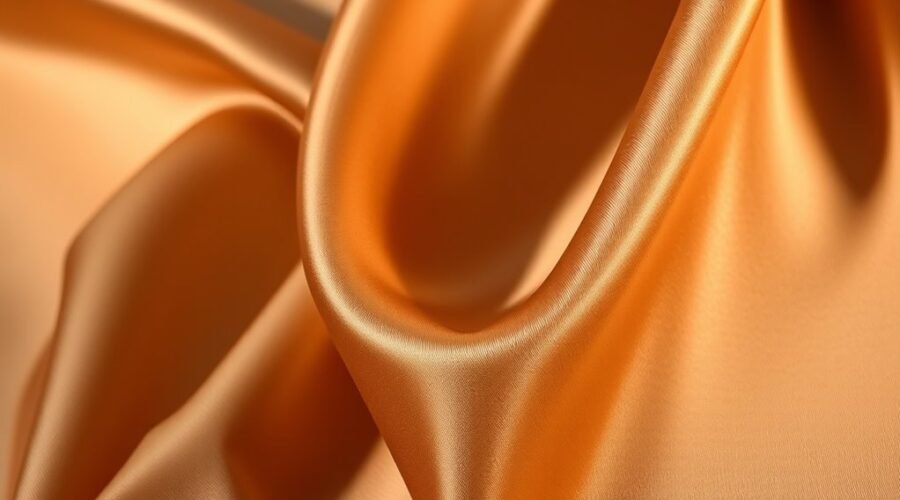
Nearly all sateen fabrics use a warp-faced structure, and that single design choice can change how a sheet looks and feels. You get a smooth face because more warp yarns float over each weft yarn, often in a four-over-one pattern. That construction creates the quiet sheen you notice first, but fiber type and weave density shape it further, which is why some sateen feels refined while other versions don’t.
Key Takeaways
- Sateen weave is a warp-faced textile weave, usually using a four-over-one pattern that exposes more warp yarns on the surface.
- The silky sheen comes from the smooth, floated warp yarns reflecting light more evenly than flatter weaves.
- Sateen is typically made from cotton, giving it a soft, breathable feel with a luxurious appearance.
- Compared with satin, sateen is less slippery and more durable, while still offering a subtle glossy finish.
- Good sateen usually uses long-staple cotton and a 300 to 500 thread count for softness, strength, and comfort.
What Is Sateen Weave?
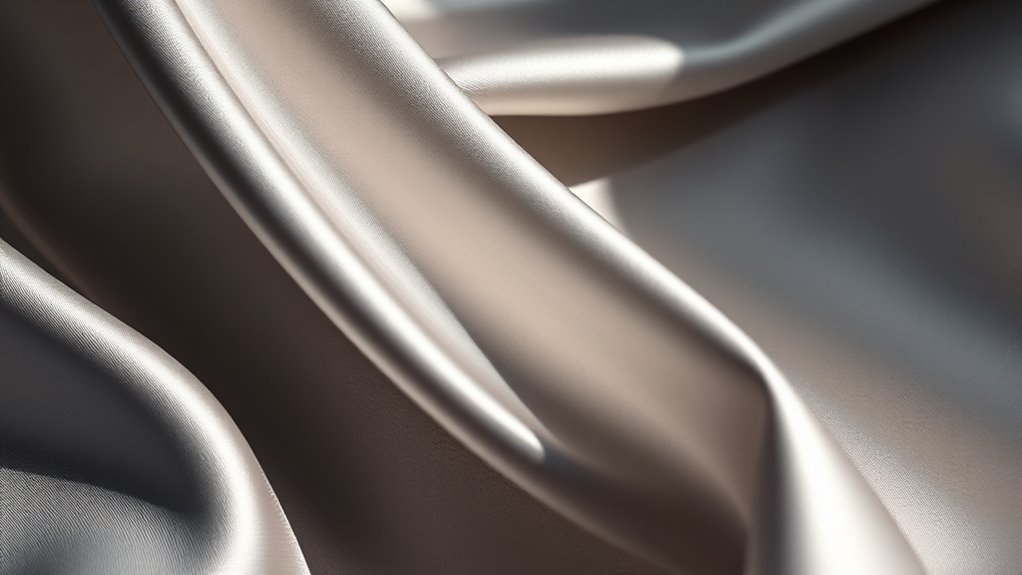
Sateen weave is a warp-faced construction in which multiple warp threads float over a single weft thread—most commonly in a four-over-one pattern, though seven-over-one variations also occur—creating a smooth, silky face with a subtle sheen.
In sateen weave, you get a four-over-one structure that places more yarn on the surface, so you see a smooth surface and a clear silky sheen. You’ll usually find it in cotton, which keeps the fabric breathable and more skin-friendly than filament-based satin.
Sateen’s four-over-one structure leaves more yarn on the surface, creating a smooth, breathable fabric with a silky sheen.
That construction also gives the cloth a luxurious appearance without sacrificing function. The reverse side is denser and less glossy, so you can distinguish the finished face from the backing.
For bedding, this weave gives you softness and gentle warmth, supporting a cozy sleeping environment. If you want material that balances comfort, structure, and visual refinement, sateen weave delivers an analytically efficient solution for liberated rest.
Why Sateen Sheets Feel So Silky
Because sateen uses a 4-over-1 weave, more warp fibers sit on the surface, so you feel a smoother hand and a distinctly silky finish. You get this silky feel because the weave exposes more yarn than a plain construction, reducing friction against your skin.
In sateen, cotton yarns—especially long-staple cotton—deliver a refined smooth texture and a durable luxurious feel, since longer fibers resist pilling and stay softer over time. The thicker yarn profile also adds warmth without sacrificing comfort.
Its subtle sheen comes from how the sateen weave reflects light, giving you a low-gloss, polished surface that still reads as breathable and skin-friendly. Unlike a satin weave in silk or synthetics, sateen keeps cotton’s natural airflow, so you can enjoy softness without feeling trapped.
If you want bedding that supports rest with elegance and ease, sateen gives you tactile freedom and practical comfort.
Sateen vs. Satin vs. Percale
When you compare sateen with satin, you’ll see that sateen uses a cotton 4-over-1 or 7-over-1 weave for a smooth, lustrous finish, while satin usually relies on silk or synthetics for a shinier, more slippery surface.
When you compare sateen with percale, you’ll find that percale’s plain weave creates a crisp, matte sheet that’s cooler, more breathable, and generally more durable.
These weave differences directly affect sheen, hand feel, airflow, and wear resistance, so you should judge them by both comfort and performance.
Sateen Vs. Satin
Though sateen, satin, and percale can all signal a polished look, they differ sharply in fiber content, weave structure, and performance.
You get sateen when a cotton weave floats multiple warp threads over a single weft, producing a smooth texture and subtle sheen. You get satin when manufacturers use silk or synthetics and filament fibers, which change the texture and luster.
Both can feel luxurious, but sateen’s staple fibers usually give you more durability and less snagging than satin’s delicate surface. If you want fabric that feels smooth and silky without sacrificing everyday resilience, sateen makes a practical, liberated choice.
You’ll notice its warmth and controlled sheen, while satin reads glossier and more formal, less grounded in comfort and wear.
Sateen Vs. Percale
Compared with satin, sateen also stands apart from percale, which uses a plain weave with crisscrossed threads rather than sateen’s 4-over-1 structure. You’ll notice the difference in texture and finish immediately.
- Sateen gives you a silky, warm feel.
- Percale gives you a cool, breathable feel.
- Sateen shows a subtle sheen.
- Percale stays crisp, matte, and durable.
- Percale needs less care; sateen needs gentler handling.
If you want liberation from overheating, percale may serve you better. If you want a softer, more luminous surface, sateen delivers.
Its weave creates elegance, but it can snag more easily. Percale resists wear and washing, so it suits demanding routines.
Choose by how you sleep, how you wash, and how much shine you want.
What Thread Count Is Best for Sateen Sheets?
For sateen sheets, you should target a thread count of about 300 to 500, which usually balances softness, breathability, and durability.
Counts above 500 often rely on multi-ply yarns, so they don’t necessarily improve performance and can overstate quality.
If you want better results, you should weigh cotton grade and weave structure more heavily than the number alone.
Ideal Thread Count Range
The ideal thread count for sateen sheets usually falls between 300 and 500, where you get the best balance of softness, breathability, and durability. In this sateen range, you keep the silky sheen and a premium experience without sacrificing comfort.
You should prioritize quality cotton, especially long-staple cotton, because it improves smoothness and longevity.
- 300-500 supports balanced performance
- Softness stays high against your skin
- Breathability helps regulate heat
- Durability remains practical for daily use
- Long-staple cotton sharpens the finish
You don’t need to chase inflated thread count claims to enjoy luxury. Instead, evaluate the yarn and weave together.
That approach gives you more control over what you bring into your space and lets you choose sheets that support your comfort, autonomy, and standards.
Why Higher Isn’t Better
Although higher thread counts may sound superior, sateen sheets usually perform best between 300 and 500 threads per square inch.
At that range, you get a balanced silky feel, solid durability, and enough airflow to avoid a less breathable sleep surface.
Once thread count climbs above 500, brands often use multi-ply yarns to inflate numbers, and that doesn’t guarantee better quality.
You’ll usually get more value from long-staple cotton and a tight, smooth weave than from marketing hype.
Sateen below 300 can feel thinner and wear faster, reducing performance over time.
With proper care, well-made sateen can last 5 to 7 years, so choose cotton quality first and thread count second.
How to Choose Quality Sateen Sheets
How do you identify genuinely high-quality sateen sheets? You inspect the data, not the marketing. For balanced softness and breathability, target a thread count of 300-500; outside that band, quality comfort can fall.
Look for long-staple cotton, because it resists pilling and preserves the smooth texture you want. Verify GOTS certification to confirm organic fiber and avoid chemical finishes that can limit liberation from irritants.
Examine weave structure: a true sateen uses a 4-over-1 pattern, creating the characteristic sheen and a dense hand.
- Thread count: 300-500
- Fiber: long-staple cotton
- Certification: GOTS certification
- Weave: 4-over-1 sateen
- Finish: avoid inflated counts above 500
Be skeptical of claims tied to very high thread count; multi-ply yarns can disguise lower performance.
When you compare sateen sheets this way, you choose durability, comfort, and a cleaner sensory profile.
How to Care for Sateen Bedding
To preserve sateen’s smooth hand and subtle sheen, wash your bedding in cold water on a gentle cycle with a mild detergent. Then avoid fabric softeners, which can coat the fibers, dull the finish, and reduce breathability.
This sateen bedding care routine keeps the weave intact and prevents snags. When washed regularly, the fabric can actually become softer and more durable, so you’re not trading comfort for maintenance.
To maintain the silky sheen, dry it on low heat or hang it to dry; high heat accelerates wear. If wrinkles appear, iron the reverse side on a cotton setting, which flattens creases without scorching the surface.
With disciplined care, quality sateen can last 5-7 years, giving you durable, liberated comfort with minimal compromise.
Frequently Asked Questions
What Are the Disadvantages of Sateen Fabric?
You’ll find sateen’s drawbacks in sateen durability, lower sateen breathability, and weaker stain resistance.
You may see snagging, pilling, and fraying, so your maintenance tips should avoid harsh washing and fabric softeners.
Compared with sateen vs cotton, it often traps moisture, reducing comfort level for hot sleepers.
Its color retention can vary, environmental impact can rise with frequent replacement, and the cost comparison only favors it for limited ideal uses.
Do Luxury Hotels Use Sateen or Percale?
Luxury hotels use both, because even sheets must join the corporate ballroom of “prestige.”
You’ll usually find percale in hot climates for crisp luxury bedding, better temperature regulation, and easier maintenance.
You’ll see sateen when soft hotel linens and a glossy guest experience matter more.
Your fabric choice depends on style preferences, thread count, softness comparison, and durability factors.
For maintenance tips, wash cool, skip overdrying, and let comfort stay unshackled.
Is Satin Silk Fabric Good or Bad for You?
Satin silk fabric can be good for you if you value satin benefits, skin sensitivity relief, and sleep quality. You’ll get hypoallergenic properties, strong breathability factors, moisture absorption, and temperature regulation that can improve comfort level.
Yet you should weigh durability concerns and follow care instructions, because snagging and fading can reduce performance. If you prioritize liberation from irritation and overheating, satin silk often serves you well, but it isn’t maintenance-free.
What’s Better, Satin or Sateen?
Sateen’s usually better for you unless you want red-carpet shine, because you get stronger fabric durability, better breathability levels, and easier maintenance tips.
You’ll notice satin characteristics like a glossier sheen comparison, but sateen benefits include warmer comfort factors and sturdier texture variations. Cost differences often favor sateen too.
For usage occasions, choose satin for formal drama; choose sateen when you want practical liberation and everyday luxury.
Conclusion
So, when you choose sateen, you’re choosing a weave that lets warp yarns rise like quiet waves across the fabric face, creating that soft, silky glow. Its sheen isn’t a finish—it’s the structure itself. Compared with percale’s crisp grid or satin’s higher-luster surface, sateen offers a balanced, breathable hand with a polished look. If you want sheets that feel smooth and drape like liquid light, sateen’s a smart, refined choice.


