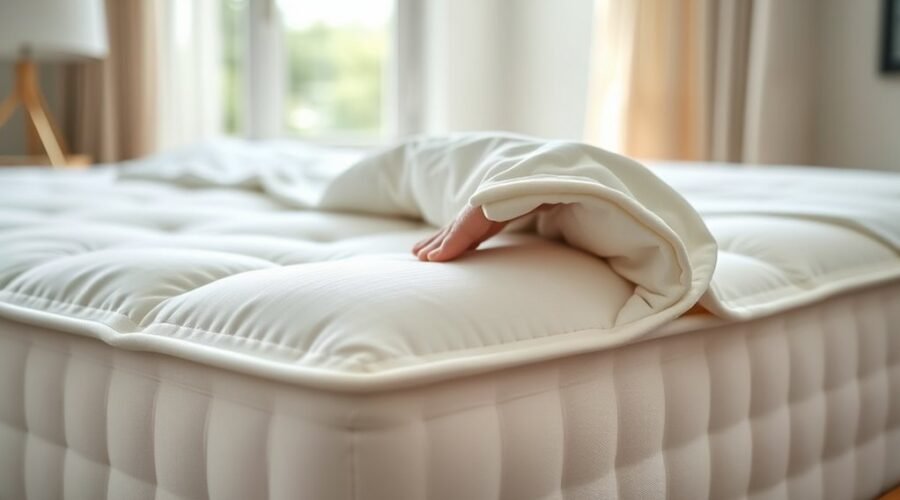
A mattress topper is a removable layer, usually 2 to 4 inches thick, that sits on top of your mattress to change how it feels. You can use one to soften a too-firm bed, add support to a sagging surface, or tweak temperature and pressure relief. But the material and thickness matter a lot, and the wrong choice can barely help at all. The real question is how much change you actually need.
Key Takeaways
- A mattress topper is a removable comfort layer, usually 2 to 4 inches thick, placed on top of your mattress.
- It can noticeably change feel by making a firm bed softer, or adding support and stability to an uneven surface.
- Material matters: memory foam contours, latex feels springy and breathable, and gel or wool can improve cooling.
- Thickness affects impact, with 1 to 2 inches for subtle changes and 3 to 4 inches for stronger cushioning and pressure relief.
- A topper improves comfort but cannot fix sagging, deep dips, or other structural mattress problems.
What Is a Mattress Topper?
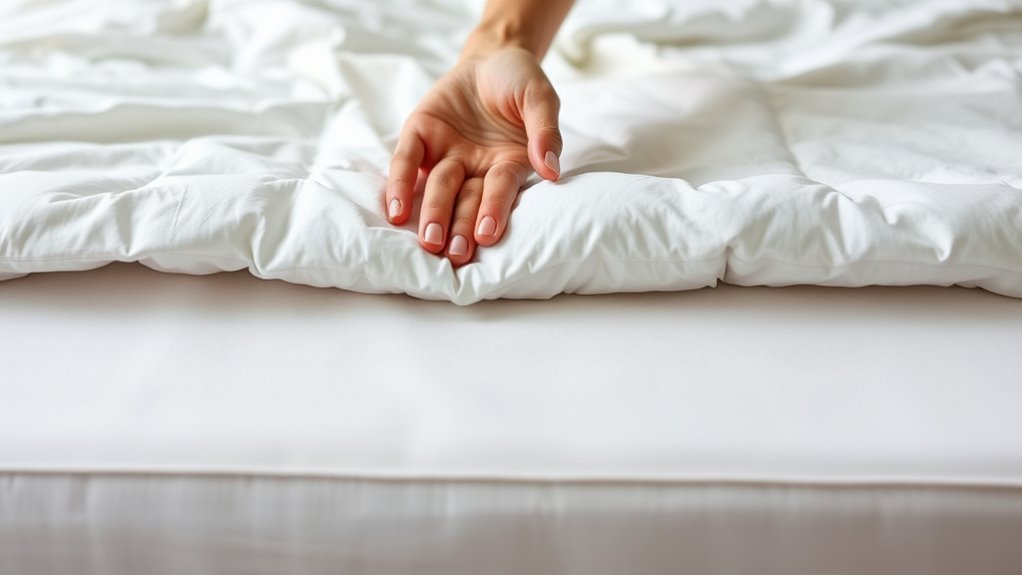
A mattress topper is a removable comfort layer, usually 2 to 4 inches thick, that you place on top of your existing mattress to change how it feels and supports you.
You can use a mattress topper to enhance comfort without replacing the whole bed, which gives you more control over your sleep setup.
If you want pressure relief, memory foam can contour to your body; if you’re sleeping hot, latex or wool may offer better temperature regulation.
Compared with a bare mattress, this removable layer can make a firm surface feel softer, plusher, or more supportive, depending on what you need.
It’s a practical way to improve sleep quality when your current mattress isn’t serving you.
For many people, especially those with discomfort or pressure points, a topper creates a more restorative, liberated sleep experience without the cost of starting over.
How Much Will a Topper Change Your Mattress?
How much a topper changes your mattress depends on both the material and the thickness, but even a 2- to 4-inch layer can noticeably alter firmness, pressure relief, and overall feel.
A mattress topper acts like a comfort layer, so you can change the feel without replacing the bed. If your mattress feels too hard, softer cushioning can make it more forgiving, especially for side sleepers who need extra support at the hips and shoulders.
Firmer options do the opposite: they reduce sinkage and can stabilize a mattress that’s gone uneven.
Firmer toppers reduce sinkage and can help stabilize a mattress that’s starting to feel uneven.
You’ll also notice differences in temperature regulation, since breathable wool or latex can run cooler than standard memory foam.
Still, a topper can’t fix a worn-out mattress with sagging or broken structure. It’s best when you want to enhance comfort, adjust firmness, and buy time before a full replacement.
How Mattress Topper Materials Feel
The feel of a topper depends largely on what it’s made from, since each material changes your mattress in a different way.
With a mattress topper, you can make comfort adjustments without giving up the bed you already own.
- memory foam: It hugs your shape, delivers pressure relief at the hips and shoulders, and feels best if you want a slower, more cradling surface.
- latex: It feels springier and more supportive, with strong breathability, so you stay freer if you’re a hot sleeper.
- gel-infused foam, wool, cotton: gel-infused foam adds a plush, cooler feel, while wool and cotton feel softer, wick moisture, and keep airflow open.
If you want a plush, airy layer, these materials let you tune feel in a practical way.
You’re not locked into one sleeping experience; you can choose the balance of softness, bounce, and breathability that fits your body and sleep style.
How Thick Should a Mattress Topper Be?
Mattress topper thickness usually falls between 2 and 4 inches, and that range gives you a clear way to control how much softness and pressure relief you add. If you want stronger cushioning, choose a thicker mattress topper; if you only want a gentle change in the feel of your bed, a thinner one can work.
A 3-inch option often hits the sweet spot for comfort and support, especially if you’re a side sleeper who needs better contouring at the shoulders and hips.
For subtle softening, 1 to 2 inches may be enough, particularly when your mattress condition is already decent and you don’t want to alter firmness too much. Memory foam can boost pressure relief and body shape response even at moderate thickness.
In practice, match thickness to your bed’s starting point: firmer mattresses usually benefit from more plushness, while softer beds often need less. Choose the topper that frees your sleep, not one that overcorrects it.
When a Topper Won’t Help
If your mattress sags, has deep dips, or feels worn out after 7 to 10 years, a topper can only mask the problem for a while, not fix the support underneath.
You’ll get some extra cushioning, but it won’t meaningfully change a bed that’s already too soft, too firm, or structurally failing.
For infants, toddlers, and young children, skip toppers altogether because they need a firm, stable sleep surface for proper development.
Signs Of Mattress Failure
Visible sagging, deep dips, or a mattress that creaks when you shift are strong signs the support core has failed, and no topper can fully fix that kind of damage.
You’re not facing a simple comfort problem; you’re seeing signs of mattress failure. A topper or mattress pads may soften pressure points, but they can’t rebuild a tired mattress or stop a sagging mattress from pulling your spine out of line.
If you wake with aches, hear noise, or your bed feels worse after trying toppers, your path is clearer:
- Check age: over 7-10 years often means worn support.
- Compare relief: if better sleep never lasts, a topper is only a temporary solution.
- Decide freely: invest in a new mattress when support is gone.
Why Toppers Fall Short
A topper can make a bed feel softer or slightly more cushioned, but it can’t fix a mattress that’s structurally worn out. If your mattress has sagging, deep dips, or other structural issues, a mattress topper only masks them.
You may feel temporary relief and a bit of subjective improvement, but the underlying problem stays put, along with weak mattress support and pressure points. Compare that with a mattress that’s still sound: then a topper can fine-tune comfort.
For infants or toddlers, toppers aren’t a safe substitute for a firm sleep surface.
And if your bed is already old, often around 7 to 10 years, the smartest move is to replace the mattress rather than keep layering on fixes that won’t last.
Mattress Topper or New Mattress?
Deciding between a mattress topper and a new mattress comes down to your bed’s condition and the kind of comfort you need. If your mattress is sound, a mattress topper can enhance comfort, relieve pressure points, and act as a cost-effective solution.
- A 2 to 4 inch topper can make a firm bed feel softer or a soft one feel firmer.
- It won’t repair sagging, deep dips, or other structural issues.
- It can extend the life of a good mattress, but only for a few years.
Check your mattress condition honestly. If you feel persistent discomfort or see visible wear, a new mattress is the freer, smarter move.
A topper usually lasts 3 to 5 years; a mattress often gives you 7 to 10. So, if the frame underneath is still solid, choose the topper. If the support has failed, replace the bed and protect your sleep.
Frequently Asked Questions
What Are the Downsides of Using a Mattress Topper?
You can face heat retention, allergy concerns, and durability issues with a topper, especially from certain material types.
It won’t fix bad weight distribution or a broken mattress, so your comfort level may improve only a little.
You’ll also need to compare firmness options, price range, and mattress lifespan, while following maintenance tips.
Toppers add bulk, may need deeper sheets, and can change fast if they lose support.
Do Chiropractors Recommend Mattress Toppers?
Yes—many chiropractors do recommend mattress toppers when you need better Chiropractic recommendations for Sleep quality.
You can get Pain relief, improved Spinal alignment, and reduced Pressure points, especially if your mattress is too firm or your Sleep positions change nightly.
Compare materials for Comfort levels and Health benefits, but don’t expect it to fix a worn-out bed.
Consider Mattress lifespan and Cost considerations before you buy.
Does a Mattress Topper Really Make a Difference?
Yes, a mattress topper can really make a difference for you, especially in sleep quality, comfort levels, and pressure relief.
You’ll want to compare material types, durability factors, and temperature regulation before you buy. Your budget considerations should match your needs, and user experiences can guide you.
Use maintenance tips and a selection guide to choose wisely. It can’t save a broken mattress, but it can free your body.
How Many Inches Thick Should a Mattress Topper Be?
You should choose 2 to 4 inches; 3 inches is the sweet spot. Thin feels subtle, thick feels plush, and your mattress topper materials shape the result.
For stronger weight distribution benefits and firmness level impact, go thicker; for lighter change, go thinner.
Consider cooling gel options, hypoallergenic choices, durability factors, installation tips, maintenance advice, and cost considerations.
Match the ideal thickness range to your body and your freedom to rest.
Conclusion
A mattress topper can change your bed’s feel a lot, but only within limits. You can soften a too-firm mattress, add pressure relief, and smooth minor lumps without replacing the whole bed. If your mattress is sagging, noisy, or badly worn, a topper won’t fix it. Choose thickness and material based on your needs, compare the cost to a new mattress, and you’ll know when a topper makes sense and when it doesn’t.