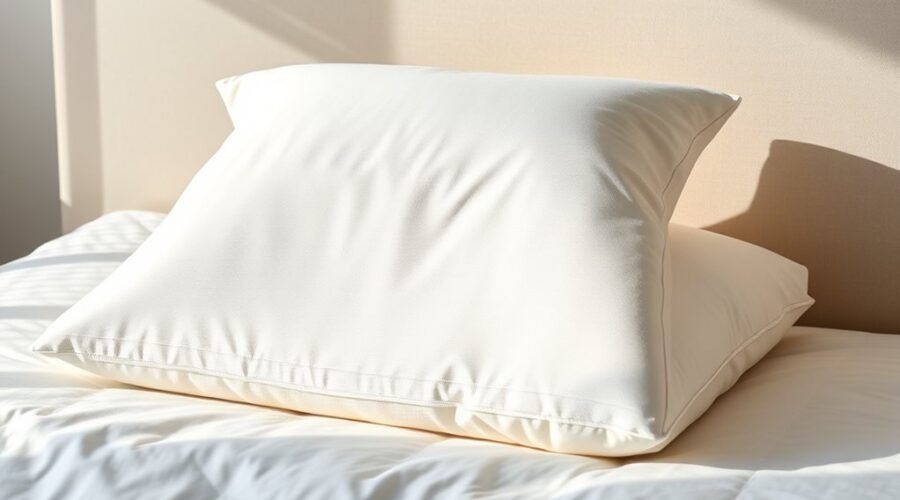
If you’ve ever wondered what a wedge pillow actually does, it’s a simple foam pillow shaped like a ramp that lifts your upper body or legs. The incline can ease pressure on your airway, neck, and stomach, which may help with snoring, reflux, or poor sleep. But the right angle matters more than you might think, and the best choice isn’t the same for everyone.
Key Takeaways
- A wedge pillow is a triangular foam pillow that raises your upper body or legs for better support and alignment.
- Its angled incline, usually 30 to 45 degrees, helps keep the airway open and reduces pressure on the spine.
- The elevation can ease acid reflux, snoring, and mild sleep apnea by improving breathing and reducing backflow.
- Wedge pillows also help reduce neck and back strain, especially for back sleepers and people recovering from surgery.
- They are supportive alternatives to flat pillows, but they do not replace CPAP therapy for moderate or severe sleep apnea.
What Is a Wedge Pillow?
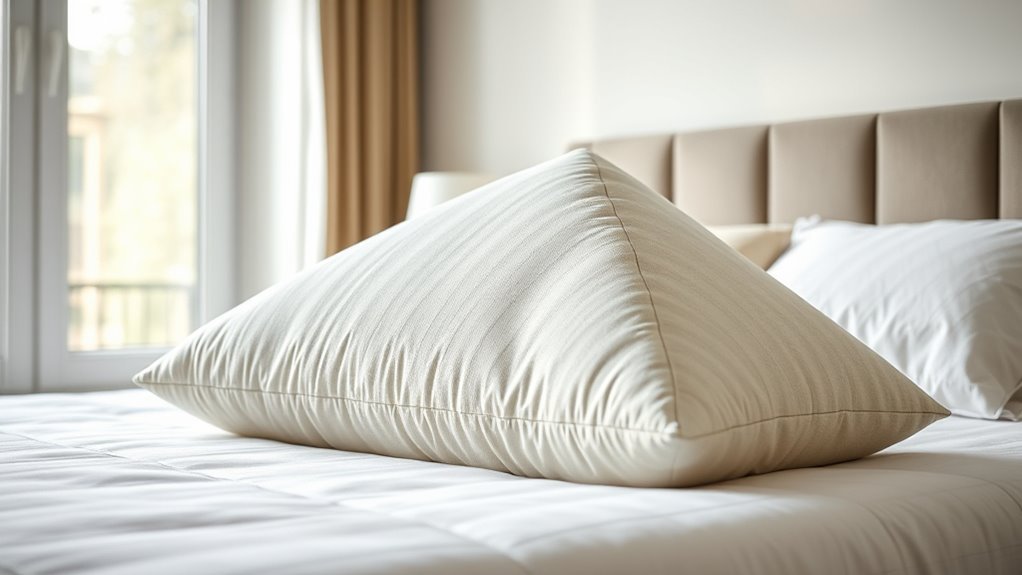
A wedge pillow is a triangular foam pillow that gently elevates your upper body or legs, usually by 6 to 12 inches. You can use this wedge pillow to create a steady incline that supports spinal alignment while you rest.
Many are made from high-density memory foam, so they feel firm, hold their shape, and offer reliable support. This design can ease discomfort linked to sleep apnea, acid reflux, and neck or back pain without forcing you into a flat position that doesn’t serve you.
If you’re a back sleeper, the angled surface may help you breathe more easily and reduce snoring. With a width of about 24 inches, it gives you room to shift and can even leave space for CPAP tubing when needed.
In short, this simple support tool helps you rest in a way that honors your body and your need for comfort, ease, and freedom.
How Wedge Pillows Work
A wedge pillow’s angled design lifts your upper body, usually about 8 to 10 inches, to create a gentle slope that supports easier breathing.
That incline can help keep your airways more open while also reducing pressure on your neck and back.
If you sleep on your back, you may also notice less tossing and turning because the pillow helps your body stay in a more comfortable position.
Wedge Pillow Angle
Most wedge pillows are designed with a 30 to 45 degree incline, lifting your upper body about 6 to 12 inches to help keep your airway open while you sleep.
That wedge angle gives you steady elevation and support, so you can rest with more comfort and less strain.
The triangular shape helps you stay in place, which can ease sleep apnea and acid reflux symptoms while encouraging spinal alignment.
- 30–35 degrees: gentle incline for lighter support
- 36–40 degrees: balanced elevation for mixed needs
- 41–45 degrees: steeper angle for stronger positioning
You can also use the pillow under your knees or upright for reading.
Choosing the right incline lets you claim better rest on your terms.
Airway Support Benefits
When you sleep on a wedge pillow, the gentle 7.5 to 10 degree rise can help keep your airway open by supporting the natural curve of your spine and reducing the chance of airway collapse.
With this incline, wedge pillows offer airway support by lifting your upper body and helping your breathing passages stay more open. That elevation can ease snoring and may help you breathe more freely if you have mild obstructive sleep apnea.
It can also feel especially helpful for back sleepers and for you if acid reflux wakes you up. A firm, triangular design usually works best, and many people do well with an 8 to 10 inch height.
If you have moderate to severe sleep apnea, though, you still need CPAP therapy.
Pressure Relief Effects
Because a wedge pillow lifts your upper body at a 30 to 45 degree angle, it can ease pressure on your neck, back, and spine while helping you stay more comfortably aligned through the night.
That’s how wedge pillows work: they create pressure relief by supporting your natural body contours, so you don’t sink into awkward positions.
- You can elevate upper body weight evenly, which may reduce neck pain and soften tension.
- You may enhance circulation and improve blood flow, easing strain on your lumbar area.
- You can mitigate acid reflux by keeping stomach acid lower while you rest.
This gentle incline helps your body feel supported, not restricted, so sleep can feel more open, stable, and restorative.
Why Wedge Pillows Help Sleep Apnea
When you sleep on a wedge pillow, it gently elevates your upper body to help keep your airway more open through the night.
That support can make breathing easier and often helps reduce snoring by preventing your throat tissues from collapsing as much.
If you have mild sleep apnea, this incline may bring real relief, though it can’t replace CPAP for more severe cases.
Airway Support During Sleep
If you struggle with mild sleep apnea or snoring, a wedge pillow can help by gently elevating your upper body, usually about 7.5 to 10 degrees, to keep your airway more open during sleep.
This simple elevation gives you airway support, helps improve airflow, and may ease mild obstructive sleep apnea.
- The wedge pillow’s firm, triangular shape supports spinal alignment while keeping your upper body elevated.
- That incline helps prevent airway collapse, so you can breathe more freely through the night.
- If reflux also bothers you, the same elevation can reduce reflux symptoms and make rest feel more manageable.
You deserve sleep that feels less restricted.
A wedge pillow can’t replace CPAP for moderate or severe sleep apnea, so talk with a sleep specialist if you need more support.
Elevation Reduces Snoring
By gently elevating your upper body about 7.5 to 10 degrees, a wedge pillow can help keep your airway more open, which may reduce snoring and ease mild obstructive sleep apnea.
This incline works by limiting airway collapse, so you can breathe more freely and rest with less interruption. If you’re a back sleeper, the wedge pillow can also support proper spinal alignment while lowering nighttime strain.
That extra elevation may bring relief if you live with sleep apnea and gastroesophageal reflux disease, since it can reduce acid reflux too.
It won’t cure sleep apnea, but it can support other care, like CPAP therapy, and help you reclaim calmer, more restorative sleep without giving up comfort or ease tonight.
Best Wedge Pillow Height and Angle
The sweet spot for a wedge pillow usually falls between 7 and 12 inches in height, creating an incline of about 30 to 45 degrees that can support both comfort and health needs.
Your ideal wedge pillow height depends on how your body rests and what relief you need. A 7-inch incline often works well for side sleepers with acid reflux, while a 10-inch option can better support back sleeping when symptoms feel more intense.
This elevation helps keep spinal alignment steadier, which may ease neck and back strain. A higher angle can also help open the airway for mild obstructive sleep apnea and reduce snoring.
- 7 inches: gentler incline for lighter support
- 10 inches: stronger lift for deeper symptom relief
- 12 inches: maximum elevation for tailored comfort
When you compare the best wedge pillows, choose the one that respects your needs and frees your nights.
Who Should Use a Wedge Pillow?
A wedge pillow can be a smart choice if you need targeted upper-body support while you sleep.
If you’re a back sleeper with mild to moderate positional sleep apnea, the incline can help elevate your upper body and keep your airway more open through the night.
If acid reflux wakes you, this wedge pillow may also help by reducing the chance that stomach acid flows back into your esophagus.
After surgery, you can use it to maintain a comfortable elevated position while your body heals.
If you snore or struggle with nighttime breathing, therapeutic support foam can give you steady support without sinking too deeply.
The goal is simple: let your sleep setup work with your body, not against it.
Let your sleep setup support your body, so rest feels easier and more natural.
Side sleepers usually don’t get the same benefits, since the incline can nudge you onto your back.
When Wedge Pillows Can Backfire
Even a helpful wedge pillow can backfire if it doesn’t match how you sleep. If you’re a side sleeper, the elevation may push you onto your back, which can worsen sleep apnea symptoms or leave you with discomfort.
And if you have moderate to severe obstructive sleep apnea, a wedge pillow isn’t a substitute for CPAP therapy.
- Airway issues: Too much incline can kink your airway, causing snoring or gasping.
- Adaptation: You may need a 1-2 week adjustment period, and you might feel discomfort at first.
- Alignment: If the wedge doesn’t offer enough support, you can develop neck pain or back pain from pressure points.
Listen to your body. If your breathing stays noisy, you wake gasping, or pain grows, talk with a healthcare provider.
The right support should help you rest with more freedom, not trap you in new problems.
How to Sleep on a Wedge Pillow
To get comfortable on a wedge pillow, place your shoulders and upper back on the incline so your head rests at the elevated end and your spine stays aligned. You’ll usually sleep best when the wedge gives steady support without feeling rigid. Most people do well with 8 to 10 inches of elevation, while 7 to 12 inches covers a wider range.
| Sleep position | Best setup |
|---|---|
| Back sleepers | Use the full incline for support |
| Side sleepers | Try a 7-inch wedge |
| Head support | Add a thin pillow if needed |
| Comfort goal | Keep spinal alignment natural |
| Fit check | Adjust until you can relax |
If you’re a back sleeper, the added elevation may help you rest more openly. If you’re a side sleeper, choose less height so you don’t get pushed onto your back. Listen to your body, make small changes, and let the wedge pillow work with you, not against you.
Wedge Pillows for GERD and Snoring
If you deal with GERD or snoring, a wedge pillow can make nights easier by elevating your upper body and keeping stomach contents from rising into the esophagus.
By sleeping on an incline, you may reduce acid reflux and soothe the burning, coughing, or throat irritation that can disrupt rest. This simple support can help you reclaim more peaceful sleep and wake with more energy.
Sleeping on an incline may ease acid reflux, reduce irritation, and help you wake feeling more rested.
- For GERD, a 30 to 45 degree angle often helps reduce symptoms.
- For snoring, the incline can keep your airway open and promote smoother airflow.
- Many wedge pillows use high-density foam, so they keep their shape and support over time.
You don’t have to accept restless nights as your normal.
With the right wedge pillows, you can improve sleep quality, breathe easier, and feel more in control of your body’s needs.
How to Choose the Right Wedge Pillow
How do you choose the wedge pillow that actually fits your sleep needs? Start with height selection: 7 inches often suits back and side sleepers, while 10 inches can better support reflux or apnea. A wedge pillow offers more than lift; it can reduce neck strain and help you maintain a consistent, open position.
| Factor | What to look for |
|---|---|
| Material considerations | High-density memory foam or polyurethane foam |
| Firmness levels | Medium to firm for stable alignment |
| Width | About 24 inches for movement and CPAP tubing |
| Care and maintenance | Removable, washable cover |
Choose a pillow that contours without collapsing. If you want freedom from pressure and restless shifting, pick supportive foam that keeps shape through the night. Check return policies, too, because comfort is personal. The right wedge should feel secure, not restrictive, so you can rest easier and wake with less stiffness.
Frequently Asked Questions
What Are the Disadvantages of Wedge Pillows?
Wedge pillows can feel uncomfortable, especially if you’re a side sleeper, and they may disrupt sleep quality at first.
You might notice back pain, overheating, or more breathing issues if the incline doesn’t suit you.
They can help with acid reflux, leg elevation, circulation improvement, snoring reduction, and posture support, but they won’t fix severe sleep apnea, and they may even worsen discomfort for some users.
Is It Okay to Sleep on a Wedge Pillow Every Night?
Yes, you can sleep on a wedge pillow every night if it feels comfortable for you.
You may notice better sleep quality, more back support, and less acid reflux because the incline can improve breathing comfort and weight distribution.
It can also help your sleep position and spinal alignment, easing neck pain and supporting insomnia relief.
Give yourself a 1–2 week adjustment, and choose what frees your body.
Can You Sleep on Your Side While Using a Wedge Pillow?
Yes, you can sleep on your side with a wedge pillow, like a sail catching a steady breeze.
You may notice side sleeping benefits, pressure relief, and breathing improvement, especially with lower wedge pillow types.
Check your comfort levels, pillow height, and spine alignment, and try a thin head pillow.
If it feels strained, adjust your nightly habits or switch to alternative positions until your body feels free and supported.
What Is the Proper Way to Sleep on a Wedge Pillow?
You should rest your shoulders and upper back on the incline, with your head at the higher end and your neck aligned.
For sleeping positions, back sleepers usually do best with pillow height around 8 to 10 inches; side sleepers often prefer less.
Keep the wide base against the mattress for back support and spine health.
Choose material types that suit your comfort levels, and use a thin pillow if needed for acid reflux and breathing benefits.
Conclusion
If you’re struggling with snoring, reflux, or restless sleep, a wedge pillow may be the simple fix you’ve been missing. For example, if you wake up with heartburn most nights, sleeping on a 30–45 degree incline can help keep acid down and ease pressure on your airway. You’ll likely breathe easier and sleep more comfortably, but you should still choose the right height and angle for your body and needs.