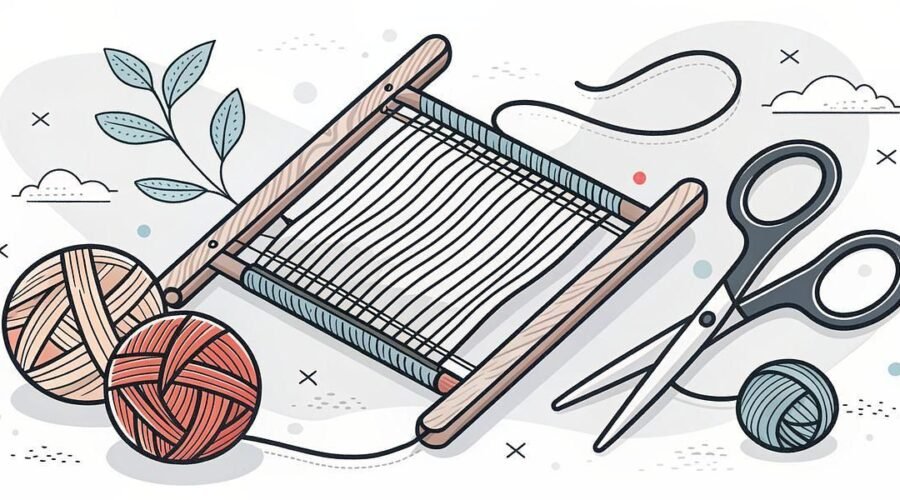
You can add movement, depth, and softer lines to a frame-loom project by changing where and how your weft travels across the warp. Wavy weaving can be as simple as shaping short rows of plain weave or as textured as combining wool roving, soumak, looped fringe, and carefully planned negative space.
The key is to control tension while you shape the design. Give the weft enough extra length to travel around the warp threads, beat gently, and check the width often. Once those basics feel natural, you can combine several wave techniques in the same wall hanging without letting the edges pull inward or the surface buckle.
Quick Answer
Five beginner-friendly ways to create waves in a weaving are looped wavy fringe, textured wool roving, soumak, shaped plain weave, and negative-space weaving. Start with an evenly warped frame loom, leave enough slack in each weft pass, and build curves gradually rather than pulling the yarn tightly across the warp.
Key Takeaways
- Keep the warp evenly tensioned and give the weft enough slack to travel around each warp thread.
- Use plain weave as the structural base before adding heavy fringe, roving, or soumak.
- Build smooth curves gradually with short rows, diagonal weft paths, or finger-shaped sections.
- Wool roving creates dramatic texture but should be handled gently because loose fibers can pull apart or felt.
- If the sides begin drawing inward, correct the tension early instead of trying to force the finished weaving back into shape.
At a Glance
| Time Required | About 1–3 hours for a small sampler; a finished wall hanging may take longer. |
| Difficulty | Beginner to intermediate. |
| Tools Needed | Frame loom, warp yarn, weft yarn, tapestry or weaving needle, scissors, and a fork or tapestry beater. Roving and decorative trim are optional. |
| Cost | Low to moderate. A practice sampler can use a small loom and leftover yarn you already own. |
How Wavy Weaving Works
The vertical threads held by the loom are the warp. The yarn you pass over and under the warp is the weft. Because the weft bends around the warp instead of traveling in a perfectly straight line, each pass needs a little extra length.
Do not pull the weft tight from edge to edge. Lay it into the shed with a gentle arc or several small bubbles, then beat it into place. This extra yarn allows the weft to travel around the warp without dragging the outer warp threads toward the center.
Pro Tip: Check your weaving width every few rows. If the sides are narrowing, add more weft slack before beating. If the surface is forming unwanted humps, reduce the size of the bubbles and beat more evenly.
Prepare Your Loom
Warp your frame loom so the vertical threads are evenly spaced and firm but not stretched excessively. The warp should resist your fingers without feeling like guitar strings. Uneven warp tension makes it harder to build smooth curves because some sections will pack differently from others.
Before adding a decorative wave, weave several rows of plain weave across the full width. Pass the weft over one warp thread and under the next, reverse the sequence on the following row, and repeat. This creates a stable foundation for heavier materials.
A fork, tapestry beater, or your fingertips can be used to settle the weft. Beat consistently rather than forcing one section down much harder than another.
5 Wavy Weaving Techniques
1. Wavy Looped Fringe
Looped fringe creates a flowing lower edge instead of a straight curtain of cut yarn. It works especially well when you combine a thick yarn with softer roving or a narrow decorative ribbon.
- First weave at least three or four plain-weave rows across the full width so the fringe has a firm anchor.
- Secure the end of your thick yarn a few warp threads in from the side, leaving the tail on the back.
- Bring the working yarn down below the woven edge to form a loose loop.
- Bring the yarn back through the warp several threads away from the starting point.
- Continue across the loom, changing the loop length slightly as you work.
- Work another row of loops above or between the first row. Smaller loops can fill obvious gaps.
- Repeat with a second material such as wool roving or lace ribbon if you want a fuller, layered fringe.
The loops do not need to be perfectly symmetrical. Small differences in length usually make the edge look more natural and fluid.
Note: Heavy beads or metal embellishments add stress to the warp. Use them sparingly on a decorative wall hanging and make sure the foundation rows are secure before adding extra weight.
2. Textured Waves With Wool Roving
Roving is a loose bundle of fiber that has not been spun into a firm conventional yarn. Its bulk makes it useful for thick, raised sections, but it also means the fibers can separate if you pull too hard.
- Tuck the roving behind the warp a couple of threads in from the edge.
- Use your fingers rather than forcing the thick fiber through a small needle.
- Pass the roving over and under small groups of warp threads.
- Gently twist sections as you weave if you want a more defined, irregular texture.
- For a wave, gradually raise the weaving path as you move across the warp instead of working in a perfectly horizontal row.
- Add a second pass beside the first if you want the contour to look heavier.
Support thick roving with plain weave beneath or around it. A large unsupported area of loose fiber can shift more easily than ordinary spun yarn.
3. Soumak Waves
Soumak creates a raised, cord-like line by wrapping the working yarn around the warp threads. It is useful for outlining waves because the line remains visually distinct from ordinary plain weave.
- Start with the working yarn at one side of the section.
- Move forward across a small group of warp threads.
- Wrap the yarn back around one or more of those warp threads before moving forward again.
- Repeat the same sequence to form a continuous raised line.
- To create a wave, gradually move the line upward across the warp, then reverse the slope.
- Use your fingers to refine the contour before packing surrounding weft tightly against it.
For a stronger visual effect, work another soumak row in the opposite direction or switch to a contrasting yarn. Avoid pulling the wrapping yarn too tightly because it can bunch the warp together.
4. Shaped Plain Weave and Eccentric Weft
You do not need a decorative stitch to create waves. Plain weave can form curves by building one part of the weaving higher than another.
- Begin with ordinary plain weave.
- Instead of weaving the entire width on every pass, stop partway across the warp.
- Turn and weave back through that smaller section.
- Continue adding short rows so one area becomes higher.
- Gradually shorten or lengthen the rows to create a rising or falling contour.
- Fill the adjoining area with another color or texture.
A related method is eccentric weaving, where the weft follows a diagonal or curved route rather than staying perpendicular to the warp. This can create more organic lines, but diagonal paths need additional weft length. Watch for bulging and narrowing as you work.
Two-Color Wavy Lines Variation
For a simpler all-over effect, work two passes with color A, then two passes with color B. Continue repeating the two-and-two sequence. The interaction between the two colors creates a visual wavy-line effect while using basic weaving structure.
5. Negative-Space Waves
Negative-space weaving leaves selected warp areas temporarily exposed so the unfilled area becomes part of the design.
- Decide where the open wave will travel before you begin filling the surrounding areas.
- Weave one section up to the edge of the planned opening.
- Use progressively shorter or longer rows to form one side of the curve.
- Build the neighboring section separately to shape the opposite edge.
- Keep checking that the open area follows the curve you want.
- Where the surrounding woven sections need extra stability, use an appropriate join rather than allowing a long unsupported slit to grow accidentally.
Negative space is easiest to control in a decorative wall hanging where the piece does not need to tolerate the abrasion or laundering expected from functional fabric.
How to Keep Wavy Weaving Even
The decorative line may be curved, but the overall weaving should still behave predictably on the loom. Three habits make the largest difference: leave enough weft for take-up, beat consistently, and check the project width frequently.
| Problem | Likely Cause | What to Do |
|---|---|---|
| Sides pull inward | The weft is being pulled too tightly. | Add more slack or a larger weft bubble before beating the next picks. |
| Surface bulges | Too much weft is packed into a small area or a diagonal section is being forced. | Reduce the excess weft and spread shaping over more rows. |
| Warp shows through | The weft is not packing closely enough or is too thin for the sett. | Beat more evenly, use a fuller weft, or reconsider the warp spacing for the next sample. |
| Curve looks stair-stepped | The row length is changing too quickly. | Change the width in smaller increments over more picks. |
| Roving pulls apart | Loose fiber is being tugged or repeatedly unworked. | Handle it with your fingers, use shorter workable lengths, and avoid repeated pulling. |
Finishing Your Wavy Weaving
Once the design reaches its final height, weave several stable rows across the top if the design allows. Secure loose tails on the back rather than cutting them flush against the surface.
Remove the piece from the loom carefully so you do not lose the tension that has been holding the structure together. Depending on the loom and the way it was warped, secure the warp loops or ends and attach the finished piece to a dowel or hanging rod.
Before trimming fringe permanently, hang the piece and let gravity settle the fibers. It is usually easier to judge the final contour when the weaving is hanging vertically.
Top Picks
The products below are optional materials and tools that fit different parts of this project. The numerical scores are editorial fit scores for this weaving tutorial, not laboratory test results. Amazon ratings and review totals also change over time, so any legacy figures retained below should be treated as historical snapshots from the supplied article.
|
Category |
Product |
Editorial Fit Score |
|---|---|---|
|
🏆 Best Cotton Yarn |
94/100 |
|
|
🎯 Best Weaving Needle |
97/100 |
|
|
🎨 Best Pencil Roving |
88/100 |
|
|
🔧 Best For Weaving Ends |
93/100 |
|
|
✨ Best For Decorative Trim |
86/100 |
How We Chose
These supplies were evaluated for how well their verified specifications and basic functions match the techniques in this guide. Priority went to a manageable medium cotton yarn, long and bent-tip needles that can move yarn through a small weaving, loose wool fiber for dimensional sections, and decorative trim suitable for looped fringe.
We did not treat retailer ratings as permanent evidence of performance because review counts and scores change. Product dimensions, materials, care information, and intended functions were given more weight than generic marketing claims. The products are optional; you can practice the same techniques with comparable materials already in your craft supplies.
Lily Cotton Cone

Lily Sugar’n Cream Cotton Cone is a 100% cotton, medium/worsted-weight yarn sold in a large cone. That combination makes it practical for foundation rows and repeated practice because the yarn has enough body to see the over-under structure clearly.
The large cone is also useful if you want one consistent yarn running through a sampler. Cotton is less lofty than wool roving, so it works well as the calmer structural material beside thicker decorative sections.
What People Say
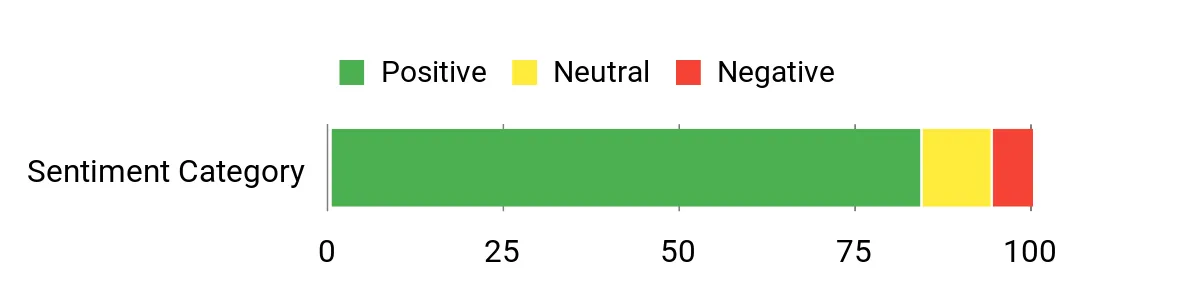
The supplied article described customer sentiment as strongly positive, especially around durability, washability, color choice, and general craft use. Because marketplace reviews continually change, that summary should be read as a historical snapshot rather than a live analysis.
Overall Sentiment in the source article: Positive
Long-Term Cost Benefits
A cone contains substantially more yarn than a small practice ball, which can reduce interruptions when you are making several samples or a larger wall hanging. That is most useful when you know you will reuse the same cotton for weaving, crochet, or knitting.
Return On Investment
The practical value comes from versatility rather than a guaranteed financial return. One cone can supply warp experiments, plain-weave foundations, fringe, household crafts, and other yarn projects.
Situational Benefits
|
Situation |
How It Helps |
|---|---|
|
Practicing Wave Patterns |
The medium yarn is substantial enough for beginners to see the path of each weft pick and identify tension changes. |
|
Kitchen Projects |
Its cotton construction and machine-care instructions make the yarn useful beyond wall weaving for washable household projects. |
|
Summer Wearables |
Cotton can also be used in warm-weather knit and crochet projects when the selected pattern calls for an appropriate medium cotton yarn. |
|
Color-Coordinated Home Decor |
A broad shade range makes it easier to repeat the same yarn family across decorative projects. |
Ease Of Use
|
Feature |
Ease Level |
|---|---|
|
Tension Control |
Easy to Moderate |
|
Threading and Handling |
Easy |
|
Finishing and Washing |
Easy when care directions are followed |
|
Working With Fine Detail |
Moderate |
Versatility
This yarn can serve as plain weft, fringe material, a practice yarn, or a contrasting structural fiber beside roving and decorative trim. It is also sold for other yarn crafts, so leftovers do not have to be dedicated to weaving.
Aesthetic Appeal
The relatively smooth cotton surface gives woven rows clear definition without the fuzzy halo of loose wool fiber, making it useful when you want the shape of a wave to remain easy to see.
Practicality
The large cone is most practical for repeated projects. For a single tiny sampler, however, a smaller ball of similar cotton may be enough.
Problem Solving
A visible medium yarn can make tension mistakes easier to identify while you are learning, but the yarn itself cannot prevent drawn-in edges. Proper weft slack and beating technique still matter.
Key Benefits
- 100% cotton construction
- Medium/worsted weight that is easy to see in a practice weave
- Large cone suited to repeated projects
- Machine-wash-and-dry care according to current product information
Legacy listing snapshot: Rating: 4.7 (total: 9217+ in the supplied article). Ratings and review counts change over time.
Susan Bates Needle

The Susan Bates 14085 is a 5-inch steel weaving needle. Its extra length is useful on small frame looms because you can pass the needle under and over several warp threads before pulling the yarn through.
It is best suited to ordinary yarn rather than very thick, delicate roving, which is often easier to position with your fingers.
What People Say
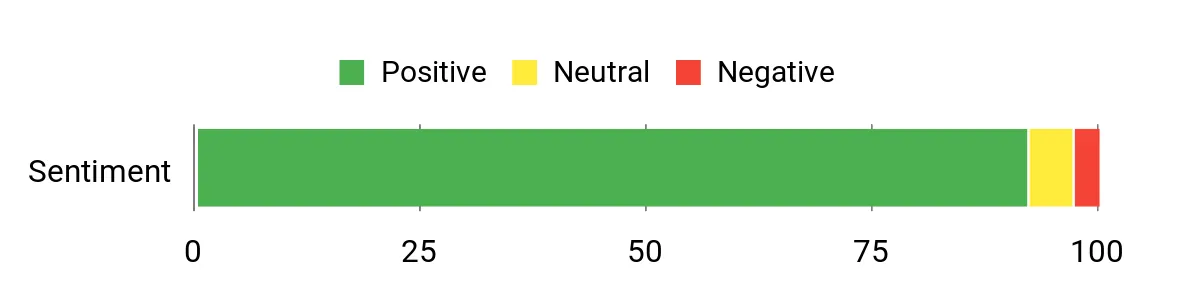
The original review summary emphasized the needle’s simple construction, long body, and usefulness for threading yarn through small weaving projects. Treat the sentiment image below as a historical snapshot from the supplied article, not a current live review analysis.
Overall Sentiment in the source article: Positive
Long-Term Cost Benefits
A reusable steel needle can serve across many weaving and finishing projects as long as it is stored where it will not be bent, lost, or exposed to damaging moisture.
Return On Investment
Its value comes from being a straightforward multipurpose tool for weaving, finishing yarn ends, and other needlecraft tasks rather than from any measurable financial return.
Situational Benefits
|
Situation |
How It Helps |
|---|---|
|
Small Frame Looms |
The 5-inch length covers several warp threads in one pass and gives good control on small projects. |
|
Weaving Medium or Thick Yarn |
A long weaving needle can carry yarn through a wider section of warp without repeated finger-picking. |
|
Finishing Ends |
The needle can help guide tails through the back of a finished weaving. |
|
On-the-Go Projects |
It takes little room in a notions pouch, although the point should be protected during transport. |
Ease Of Use
|
Feature |
Ease Level |
|---|---|
|
Threading |
Easy |
|
Handling |
Easy |
|
Control Through Warp |
Easy |
|
Very Fine Detail Work |
Moderate |
Versatility
Beyond this wavy-weaving project, the long needle can be used for tapestry weaving, finishing yarn crafts, and other tasks where a large yarn-carrying needle is appropriate.
Aesthetic Appeal
This is a functional tool rather than a decorative material, so appearance has little effect on the finished project.
Practicality
Its main advantage is simple: a long rigid needle can speed up repeated over-under passes on a small loom.
Problem Solving
It reduces the need to push bulky yarn through every warp opening with your fingers. It does not, however, correct tension problems; those must be managed by how much weft you feed into each row.
Key Benefits
- Verified 5-inch length
- Steel construction
- Useful for frame-loom tapestry weaving
- Can also help with finishing yarn ends
Legacy listing snapshot: Rating: 4.8 (total: 754+ in the supplied article). Ratings and review counts change over time.
Dimensions Roving

Dimensions pencil roving is a 100% wool fiber product that can be used when you want a thick, soft accent in a decorative weaving. Although this type of roving is also associated with felting crafts, here its role is to create raised texture, looped fringe, or a bold curved line.
Because the fibers are much less tightly organized than ordinary spun yarn, handle the roving gently. Pulling, repeated unweaving, moisture, friction, and agitation can change its surface or cause the wool fibers to felt together.
What People Say
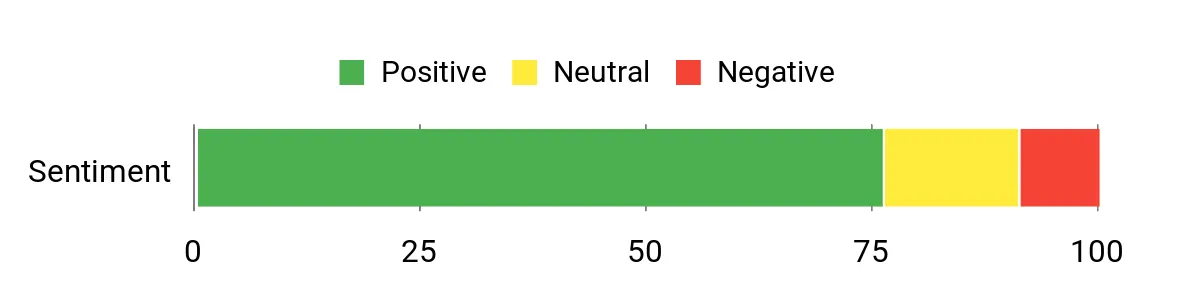
The supplied article’s historical review summary focused on the fiber’s softness, felting performance, and suitability for small craft projects. Those observations are secondary to its purpose in this tutorial, where the important feature is the bulky loose-wool texture.
Overall Sentiment in the source article: Positive
Long-Term Cost Benefits
A small pack can make sense when you only need short textured accents rather than enough fiber for an entire project. It reduces leftover material when you are testing whether roving suits your weaving style.
Return On Investment
The value is creative rather than financial: a small amount of roving can add more visual volume than the same length of ordinary yarn.
Situational Benefits
|
Situation |
How It Helps |
|---|---|
|
Textured Weaving Detail |
The thick wool makes raised lines and irregular contours stand out from plain weave. |
|
Felting or Dyeing Samples |
Its 100% wool construction also suits fiber experiments outside this weaving tutorial when appropriate techniques are used. |
|
Classroom Use |
A compact amount is manageable for demonstrating how loose fiber behaves differently from spun yarn. |
|
Embellishments |
A small quantity can add soft dimensional accents without covering the whole weaving. |
Ease Of Use
|
Feature |
Ease Level |
|---|---|
|
Using as a Thick Weft |
Moderate |
|
Shaping Curves by Hand |
Easy to Moderate |
|
Handling Small Pieces |
Moderate |
|
Storage |
Easy when kept clean and dry |
Versatility
Roving works for dimensional weaving accents as well as fiber crafts such as felting. In weaving, its greatest strength is texture rather than structural durability.
Aesthetic Appeal
The soft wool surface contrasts strongly with smooth cotton or tightly spun yarn, making even a short row visually prominent.
Practicality
Use it selectively. A little roving can create a large visual effect, while an entire loose-fiber surface can be harder to maintain and finish neatly.
Problem Solving
Roving provides volume when ordinary yarn looks too flat. It does not need to be packed as densely as a fine yarn, but it still needs enough support from the surrounding weave.
Key Benefits
- 100% wool construction
- Bulky texture suitable for dimensional accents
- Can be positioned and shaped with the fingers
- Useful for both weaving experiments and other fiber crafts
Legacy listing snapshot: Rating: 4.4 (total: 9+ in the supplied article). Ratings and review counts change over time.
Clover Tapestry

Clover’s Jumbo Tapestry Needles have bent points designed to make hooking threads easier. Clover currently lists two needles per package, each 70 mm long and made from aluminum.
For weaving, the curved point can be useful when you are working through a dense finished area or weaving yarn tails into the back without repeatedly catching surrounding fibers.
What People Say
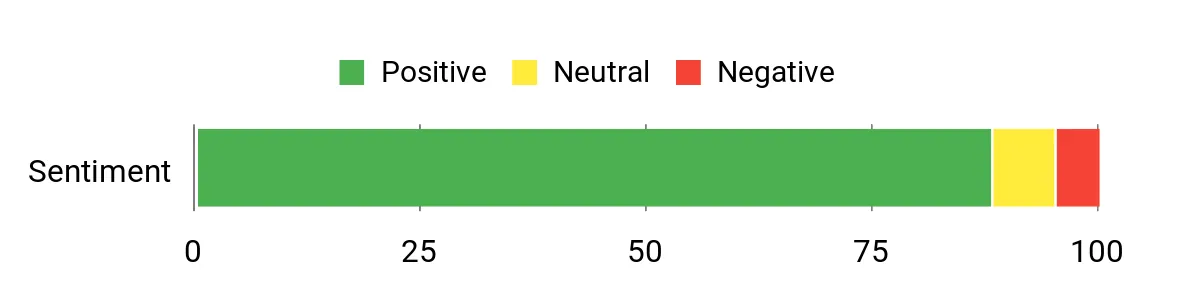
The historical summary in the supplied article emphasized the bent tip, large opening, and convenience with bulky yarn. Marketplace feedback changes, so the chart below should be treated as a legacy visualization rather than current consumer research.
Overall Sentiment in the source article: Positive
Long-Term Cost Benefits
Reusable aluminum tapestry needles can remain useful across many projects when stored properly. Their bent shape also gives them a different function from the straight Susan Bates weaving needle rather than simply duplicating it.
Return On Investment
The practical value is the ability to finish thick yarn ends and navigate dense stitches with a compact tool that can also be used for crochet and knitting finishing.
Situational Benefits
|
Situation |
How It Helps |
|---|---|
|
Weaving In Ends |
The bent point helps the needle change direction through an existing woven structure. |
|
Rug-Style or Bulky Projects |
The jumbo format provides more room for thicker yarn than a fine sewing needle. |
|
Crochet Finishing |
The same large-eye format can be useful for securing chunky crochet tails. |
|
Travel Projects |
The two-needle package fits easily in a notions case; protect the tips during transport. |
Ease Of Use
|
Feature |
Ease Level |
|---|---|
|
Threading |
Easy |
|
Weaving Through Thick Yarn |
Easy to Moderate |
|
Hooking Curved Paths |
Easy |
|
Fine Detail Work |
Moderate |
Versatility
These needles can be used for weaving, knitting, and crochet finishing, especially when thicker yarn makes a conventional sewing needle impractical.
Aesthetic Appeal
They are functional tools and do not affect the appearance of the finished weaving except through cleaner finishing.
Practicality
The official two-piece package provides a spare and gives you a short, maneuverable finishing tool that complements a longer straight weaving needle.
Problem Solving
The curved tip makes it easier to redirect a yarn tail through dense fabric. It is especially useful after the weaving comes off the loom, when securing the back neatly becomes the priority.
Key Benefits
- Bent point designed for easier thread hooking
- Two needles per package
- 70 mm length according to Clover
- Aluminum construction
Legacy listing snapshot: Rating: 4.7 (total: 1198+ in the supplied article). Ratings and review counts change over time.
Ivory Lace Ribbon

This narrow ivory lace ribbon is an optional decorative material rather than a required weaving supply. In a wavy wall hanging, its most useful role is as a contrasting loop in fringe or as a light surface accent beside thicker yarn and wool roving.
Because ribbon behaves differently from round yarn, test a short section first. Avoid pulling it so tightly that the lace collapses or the warp narrows.
What People Say
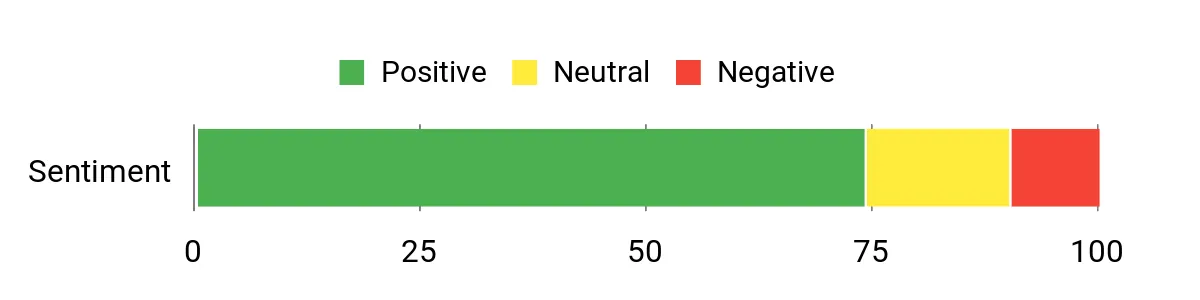
The supplied article’s historical review summary described the ribbon as popular for small decorative and packaging projects while noting occasional concerns about wrinkles or roll length. Treat that as a past marketplace snapshot rather than current review data.
Overall Sentiment in the source article: Positive
Long-Term Cost Benefits
Only short lengths are needed for weaving accents, so one roll can be shared across multiple craft projects instead of being consumed by a single wall hanging.
Return On Investment
The ribbon’s value is decorative versatility: leftovers can be used for gift wrapping, small textile accents, cards, or other craft projects.
Situational Benefits
|
Situation |
How It Helps |
|---|---|
|
Wavy Fringe |
Creates a flat, patterned contrast against round yarn and fluffy roving. |
|
Gift Wrapping |
Leftover ribbon can also be used on boxes and small parcels. |
|
Product Packaging |
The narrow trim can add a decorative finish to small handmade goods. |
|
Event Decor |
Neutral lace can be reused for table or favor accents outside weaving projects. |
Ease Of Use
|
Feature |
Ease Level |
|---|---|
|
Tying Bows |
Easy |
|
Cutting To Length |
Easy |
|
Removing Wrinkles |
Moderate; follow the product’s fiber-care guidance |
|
Threading Through Tight Spaces |
Moderate |
Versatility
The ribbon can move between textile art, packaging, florals, and small home-decor projects, so it is most sensible for someone who enjoys several kinds of crafts.
Aesthetic Appeal
Its ivory floral pattern adds a vintage-looking surface that contrasts with simple cotton yarn and fluffy wool.
Practicality
Ribbon is optional. Do not buy it solely because the technique requires it; any flexible decorative trim that passes comfortably through your warp can be tested in a sampler.
Problem Solving
It provides visual variety when several rows of conventional yarn begin to look too similar. The flat profile also makes the difference in texture easy to see.
Key Benefits
- Useful as an optional fringe material
- Narrow profile suits small decorative accents
- Contrasts visually with round yarn and wool roving
- Can be reused in non-weaving craft projects
Legacy listing snapshot: Rating: 4.4 (total: 58+ in the supplied article). Ratings and review counts change over time.
Frequently Asked Questions
Which materials should I use for wavy weaving?
Start with a stable warp and a visible medium weft yarn while you learn tension control. Cotton or smooth wool yarn works well for practice. Add thicker wool roving, ribbon, or novelty fibers only after you can keep the basic plain-weave sections at a consistent width.
How do I fix uneven waves?
Check the problem before weaving farther. If the edges are narrowing, stop pulling the weft tight and add more slack before beating. If a curve changes height too abruptly, unweave the affected picks and rebuild it with smaller changes in row length. Minor irregularities can be part of handmade texture, but structural tension problems are easier to correct while the piece is still on the loom.
What tools should I start with?
A small frame loom, warp yarn, medium weft yarn, a long weaving or tapestry needle, scissors, and a fork or tapestry beater are enough for a basic sampler. Bent-point tapestry needles are useful for finishing tails. Roving, lace, beads, and other embellishments are optional.
Why are the sides of my weaving pulling inward?
The most common cause is insufficient weft take-up. The weft needs extra length because it bends around the warp threads. Lay it in an arc or several small bubbles before beating rather than pulling it straight across. Check your project width every few rows so you catch draw-in early.
Can I use wool roving and lace in the same weaving?
Yes. Their different surfaces can make a fringe or curved section more interesting. Support them with stable woven rows, avoid packing bulky roving too tightly, and handle loose wool gently. Test unfamiliar materials in a small section before committing them to the whole piece.
Customer Preferences
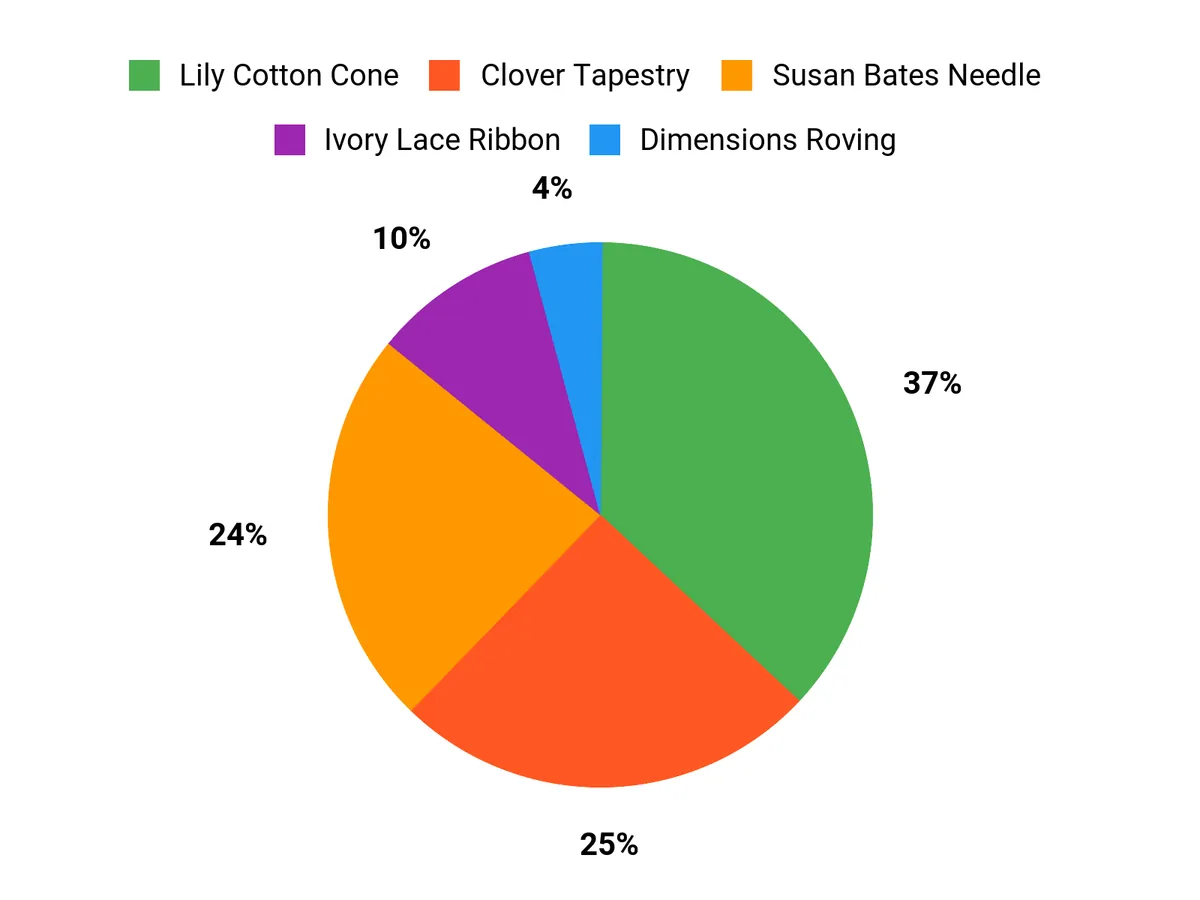
Material choice should follow the part of the weaving you are making. A medium cotton yarn is useful for stable practice rows, the long Susan Bates needle helps with regular weaving passes, wool roving adds soft dimensional texture, Clover’s bent-point needles are useful when finishing ends, and lace ribbon works as an optional decorative accent.
The chart below is retained from the supplied article. Because its underlying methodology and collection date are not documented, treat it as a historical editorial visualization rather than a current consumer survey.
Wrapping Up
Wavy weaving becomes much easier once you separate decorative shaping from tension control. Keep the basic structure stable, give each weft pass enough room to travel around the warp, and then build movement with fringe, roving, soumak, shaped plain weave, or deliberate negative space.
Practice one technique at a time on a small sampler before combining several textures. If a section begins pulling inward or bulging, correct it while it is still on the loom. That small habit will do more for a clean finished wall hanging than trying to hide structural problems at the end.
The five featured products can support these techniques, but none is mandatory. Comparable yarn, needles, roving, or trim can work as long as they suit your warp spacing and the effect you want.
| Product Name | Image | Legacy Rating Snapshot | Material | Item Weight | Care Instructions |
|---|---|---|---|---|---|
| Lily Sugar’n Cream Cotton Cone Yarn, White |
|
4.7/5 (9,217 reviews in the supplied article; current count may differ) | 100% Cotton | 14 ounces | Machine wash and dry according to current product information |
| Susan Bates 14085 Steel Weaving Needle, 5-Inch |
|
4.8/5 (754 reviews in the supplied article; current count may differ) | Steel | Legacy listing value: 9.07 g | Keep clean and dry; no textile-care requirement |
| Dimensions Needlecraft Pencil Roving, White |
|
4.4/5 (9 reviews in the supplied article; current count may differ) | 100% Wool | 30 grams in the supplied listing | Follow package directions; loose wool can felt with moisture, heat, friction, and agitation |
| Clover Jumbo Tapestry Needles Bent Point 2 Pack Each |
|
4.7/5 (1,198 reviews in the supplied article; current count may differ) | Aluminum | Legacy listing value: 6 g | Keep clean and dry; no textile-care requirement |
| 1/2″ Crochet Lace Cotton Ribbon Trim Pattern Gift Wrap Decor Ideas 10 Yard Roll – Ivory |
|
4.4/5 (58 reviews in the supplied article; current count may differ) | Cotton | Legacy listing value: 22.68 g | Follow the seller or package care instructions for the specific ribbon received |
Affiliate disclosure: This roundup is reader-supported. When you click through qualifying affiliate links, we may earn a referral commission at no additional cost to you.
Sources
- Ashford Handicrafts — Learn to Weave on the Tabletop Tapestry Loom — supports weft bubbling, edge control, beating, color changes, and basic tapestry technique.
- Carnegie Mellon University — Introduction to Textile Media: Tapestry Weaving — supports arcing/bubbling weft, shapes, joins, pile techniques, and material experimentation.
- Mirrix Looms — Tapestry Techniques — supports the two-picks-per-color wavy-lines method and related tapestry terminology.
- Clover USA — Jumbo Tapestry Needles (Bent Point) — verifies the two-needle package, curved tip, 70 mm length, and aluminum material.
- Mary Maxim — Lily Sugar’n Cream Cotton Cone — verifies 100% cotton fiber, medium/worsted weight, approximate cone size, and machine-wash-and-dry care.
- Yarnspirations — Susan Bates 5-inch Weaving Needle reference — corroborates the Susan Bates 5-inch weaving needle.