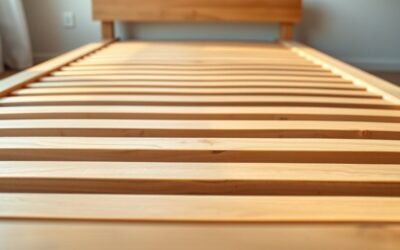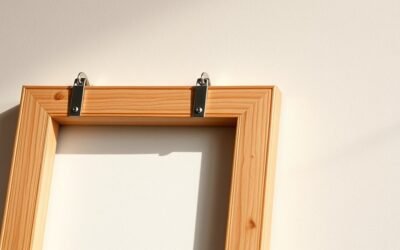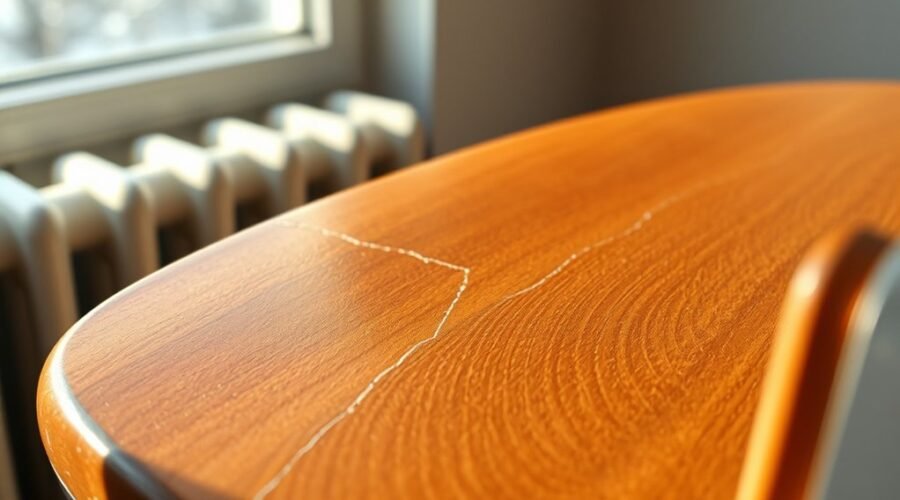
Wood furniture cracks in winter because indoor heating lowers humidity, often below 30%, and the wood loses moisture. As a hygroscopic material, it shrinks as it dries, creating internal stress in boards, joints, and end grain. Broad tabletops, cabinets, and veneer are especially vulnerable. Keeping indoor humidity near 35% to 55% helps limit movement and damage. Proper care can reduce cracking risk, and the next details explain how to prevent it.
Why Wood Furniture Cracks in Winter
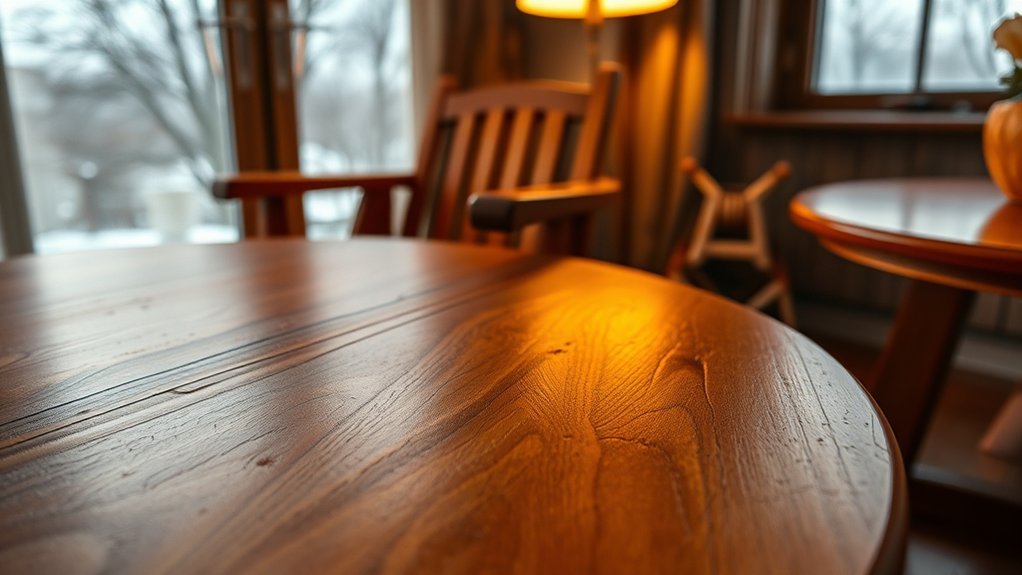
In winter, wood furniture often cracks because indoor air becomes dry, frequently dropping below 30% humidity and pulling moisture out of the wood.
Because wood loses moisture under low humidity, it contracts and concentrates stress at seams, joints, and grain shifts. This response is not a defect in character; it is a predictable material reaction that can be managed.
Heating systems intensify the issue by creating temperature swings that produce micro-stress events in wood fibers. As seasonal dryness continues, glue bonds may weaken, and structural members can loosen or wobble.
For practical control, indoor humidity should be held between 35% and 55% with a humidifier, especially during prolonged heating periods.
Maintaining that range preserves dimensional stability, reduces surface checking, and helps furniture remain serviceable without surrendering to winter air.
How Dry Air Shrinks Wood
Dry winter air lowers indoor humidity below 30%, causing wood to release absorbed moisture and shrink. This response follows wood’s hygroscopic nature: the material continuously exchanges moisture with surrounding air, so reduced humidity pulls water from its cells.
As moisture content falls, fibers contract unevenly, and internal tension accumulates. The result is a narrower, tighter board that resists the forces created by joinery and finish layers. Rapid humidity swings from heating systems intensify the process by creating repeated micro-stress events in the wood structure.
As moisture content falls, wood fibers contract unevenly, building tension that can tighten boards and stress joinery.
Over time, those stresses can open cracks and splits, often along seams and end grain where resistance is weakest. To preserve dimensional stability and protect liberated, long-term use of furniture, indoor humidity should be maintained between 35% and 55%.
That range limits excessive drying, slows shrinkage, and reduces the mechanical strain that winter air imposes on wood.
Which Furniture Pieces Crack First?
Solid wood tabletops are often the first furniture pieces to crack because their broad surfaces lose moisture quickly in winter air, increasing shrinkage across the grain. In solid wood furniture, wide panels have little restraint, so stress concentrates near edges, seams, and fasteners.
Chairs and tables with joints often follow; as dimensions contract, glue lines and mortises loosen, producing wobble before visible splitting appears. Dressers and cabinets may crack along joinery where the material is weakest and seasonal movement is least controlled.
Veneer furniture can peel or bubble when the substrate shrinks beneath a thin surface layer, breaking adhesion and exposing tension. Wooden frames in upholstered pieces also fail at stress points because loss of moisture reduces structural integrity.
Observing humidity levels helps identify which pieces are most vulnerable, especially those with large spans, rigid joints, or layered construction. Preventive care begins by recognizing these high-risk forms early.
What Humidity Levels Keep Wood Safe?
Wood remains most stable when indoor relative humidity stays between 35% and 55%, with about 45% RH serving as a practical target for preserving dimensional integrity. This range keeps humidity levels balanced enough to reduce fiber stress and help prevent cracking in finished and unfinished wood alike.
- Below 30% RH, wood loses moisture too quickly and may shrink.
- Above 60% RH, swelling increases and mold risk rises.
- Stable humidity matters more than short-term perfection.
- Even sealed furniture exchanges moisture with air.
Rapid swings are especially disruptive because they generate repeated micro-stress events inside wood fibers. Consistent control supports longer service life, steadier dimensions, and fewer failure points.
For households seeking durable furniture without dependency on constant intervention, maintaining moderate humidity is a practical, evidence-based standard.
How to Prevent Wood Furniture Cracks
Preventing wood furniture cracks requires maintaining indoor humidity near 40-45% and monitoring it with a hygrometer to avoid rapid moisture swings.
Furniture should be kept away from radiators, fireplaces, and other direct heat sources that accelerate drying and temperature fluctuation.
Regular application of wood polish or sealant can condition the surface, help retain moisture, and reduce the likelihood of cracking.
Keep Humidity Stable
Dry winter air can quickly pull moisture from wooden furniture, so indoor humidity should be maintained between 35% and 55% to reduce shrinkage and splitting.
Stable humidity levels preserve fiber balance and limit stress that leads to cracks. A humidifier can restore lost moisture during heated months and counter dry indoor conditions.
- Measure with a hygrometer daily.
- Adjust the humidifier to hold target levels.
- Avoid rapid swings above or below the range.
- Keep finishes intact to slow moisture exchange.
When humidity remains controlled, wood moves less, joints stay aligned, and surfaces retain structural integrity.
This approach supports durable, self-possessed ownership of furniture, reducing dependence on repair and preserving material freedom through winter.
Avoid Heat Sources
Furniture should be kept at least three feet away from radiators, fireplaces, and heating vents, because direct heat accelerates moisture loss and increases the likelihood of cracking. Maintaining furniture away from direct thermal flow helps prevent localized drying, which can distort grain and open seams.
When placement near a heat source is unavoidable, insulating barriers such as heat shields or decorative screens should be installed to reduce exposure without sacrificing room function. Indoor temperature should remain stable, ideally 70-72°F, to limit rapid expansion and contraction.
Relative humidity should be monitored with a hygrometer and held near 40-45%. During winter, a humidifier may be used to counter dry air and preserve equilibrium. Such controls support durable wood performance and protect independence from preventable damage.
Condition And Seal Wood
Even with furniture positioned away from radiators and fireplaces, winter air can still draw moisture from wood surfaces, so conditioning and sealing become the next line of defense. A disciplined routine helps preserve dimensional stability and keep wood free from cracking.
- Condition with oil every six months to maintain flexibility.
- Seal with a protective finish to slow moisture loss.
- Monitor indoor humidity between 35% and 55%.
- Let new furniture acclimate for 72 hours before use.
When humidity drops below 30%, wood shrinks and stress rises. Regular condition and seal treatment supports resilience, especially in dry, heated rooms.
This approach gives furniture greater independence from seasonal damage, allowing its structure to remain intact and serviceable through winter.
Can Cracked Wood Furniture Be Repaired?
Yes—cracked wood furniture can often be repaired, but the correct method depends on the severity and location of the damage.
For cracked wood furniture, small separations are commonly stabilized with glue, while deeper fractures may benefit from a Dutchman or Butterfly Key to restore structural continuity.
Hairline cracks are usually cosmetic; wood filler or epoxy can be used to level the surface and preserve appearance without weakening the piece.
Hairline cracks are often cosmetic, and wood filler or epoxy can smooth the surface without affecting strength.
Open joints and deep splits demand more caution, because they may require clamping, re-gluing, and reinforcement for durable results.
In such cases, professional repair is often the safest route, especially when load-bearing members are affected.
Assessment should precede intervention: minor flaws can often be addressed through careful DIY work, but significant damage calls for expert judgment.
Once repaired, regular maintenance with protective finishes and oils helps reduce moisture exchange, slowing future cracking and preserving the furniture’s condition.
Frequently Asked Questions
How Can I Prevent Wood From Cracking When It Dries?
Prevent cracking by maintaining humidity control at 35%–55% RH, adding a humidifier in dry rooms, and limiting rapid moisture loss.
Seasonal maintenance should include inspecting and oiling wood finishes every six months to preserve hydration.
Proper placement keeps furniture away from radiators, fireplaces, and vents.
New pieces should acclimate for 72 hours before use.
Stable air, steady care, and deliberate positioning protect wood from shrinkage and support durable, liberated living.
How to Restore Moisture to Wood Furniture?
To restore moisture to wood furniture, he or she should raise ambient humidity with a humidifier; that is the quickest fix.
Keep indoor RH near 45% to improve moisture retention.
Apply quality wood oil or wax every six months, and place water near heat sources to augment humidifier benefits.
A hygrometer should guide action below 30% RH.
New or repaired pieces should acclimate 72 hours before use.
How Can I Fix Cracks in My Wood Furniture?
Cracks in wood furniture are best addressed through furniture repair methods that match the damage.
Small hairline splits can be filled with wood filler or epoxy, then sanded and refinished.
Deeper cracks may require a Dutchman or Butterfly Key for structural stability.
Wood glue should penetrate fully, not act alone.
Consistent wood maintenance with oil or protective finish helps prevent recurrence.
Severe damage warrants professional restoration.
How Long Does It Take Wood to Dry Out After Splitting?
Wood drying after splitting typically takes a few days to several weeks—because patience, apparently, is the price of freedom from wet timber.
The exact duration depends on species, thickness, airflow, sunlight, and humidity. Dense woods such as oak dry more slowly than pine.
To confirm moisture balance, a hygrometer should be used; indoor wood is usually ready at 6–8% moisture.
Sealants or oils can slow further loss.
Conclusion
In winter, dry indoor air acts like a slow clamp on wood, drawing moisture from boards and joints until stress becomes visible as cracks. In one home, a table that held steady at 45% relative humidity split after a furnace upgrade dropped the room to 20%. The lesson is precise: wood remains dimensionally stable only when humidity is controlled. Maintaining 40% to 50% relative humidity helps furniture resist seasonal shrinkage, joint failure, and surface checking.