When you shop for sheets, thread count can look like a simple quality score, but the number tells only part of the story. It describes how densely yarns are woven into fabric, while fiber length, yarn construction, weave, finishing, and overall workmanship also affect how sheets feel, breathe, and hold up over time. A high number can be useful information, but only when you understand what is being counted.
Quick Answer
Thread count is the number of warp and weft yarns in a square inch of woven fabric, but it is not a quality score. For cotton sheets, fiber length, yarn construction, and weave often matter as much or more. Treat very high counts cautiously, especially when a brand does not explain whether the yarn is single-ply.
Key Takeaways
- Thread count generally combines the number of warp and weft yarns within one square inch of woven fabric.
- A higher thread count does not automatically mean better softness, durability, breathability, or value.
- Counting the individual plies inside a multi-ply yarn can make an advertised number appear much higher than the actual yarn count.
- Cotton fiber length and yarn quality strongly influence strength, smoothness, and consistency.
- Weave matters: percale is usually crisp and matte, while sateen uses longer floats for a smoother surface and different drape.
What Is Thread Count?
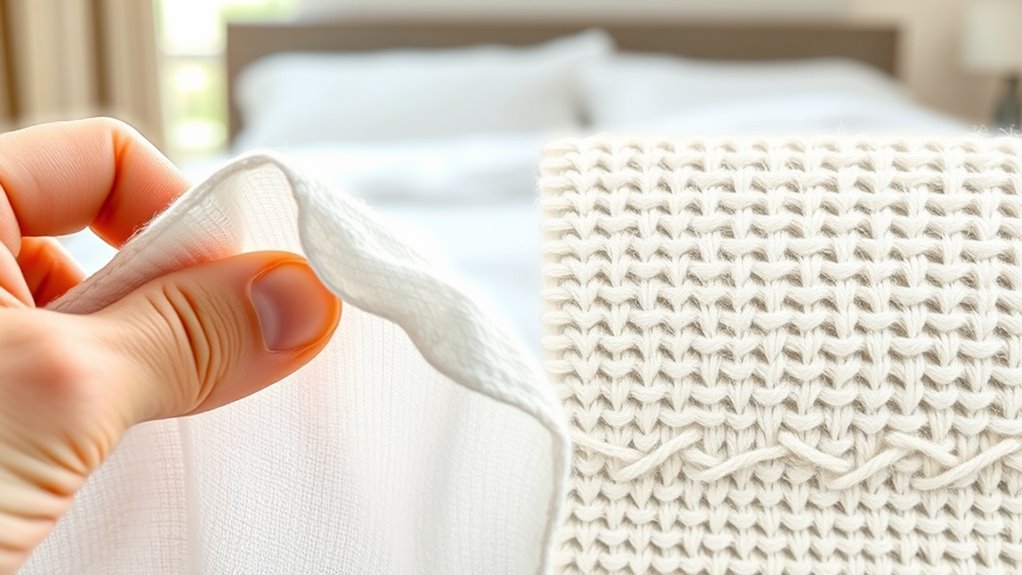
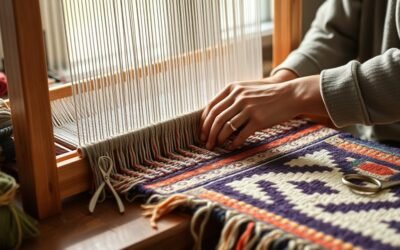
Thread count is a way of describing the number of yarns running in the two directions of a woven fabric. The lengthwise yarns are the warp, or ends, and the crosswise yarns are the weft, also called filling or picks.
For example, if a square inch of sheet fabric contains 200 warp yarns and 200 weft yarns, the combined thread count is 400. The number describes fabric construction; by itself, it does not prove that the cotton is high quality or that the finished sheet will feel better.
The current ASTM D3775-17(2023) standard covers measurement of end, or warp, count and pick, or filling, count in woven fabrics. That makes thread count a real, measurable fabric characteristic rather than a meaningless marketing term. The problem comes when shoppers treat that one measurement as a complete quality rating.
A moderate-count sheet made with fine, well-spun yarn can feel smoother and perform better than a sheet with a much larger advertised number made from coarser or less consistent yarn. The University of Kentucky Cooperative Extension likewise advises looking at fiber content, fabric construction, and thread count together, not thread count in isolation.
Note: Thread count is most useful when you compare broadly similar woven sheets. Comparing a cotton percale sheet with a jersey knit or a completely different fiber based only on thread count is not an apples-to-apples comparison.
Why Thread Count Can Mislead You
A high number can be misleading when the advertised count is increased by treating the individual strands, or plies, inside one yarn as though each were a separate woven yarn.
A larger advertised thread count is not automatically evidence of better yarn, better cotton, or better sheet construction.
This issue has been addressed by both ASTM and the U.S. Federal Trade Commission. In a 2005 FTC staff opinion on bedding thread-count claims, agency staff cited ASTM’s method of counting individual warp and filling yarns as single units regardless of whether those yarns contain single or plied components.
The FTC staff said that multiplying the actual yarn count by the number of plies could mislead consumers. Its example explained that a construction properly described as 300 thread count, 2-ply yarn could be misleading if advertised simply as 600 thread count.
That does not mean every high-count sheet is deceptive. Fine yarns can be packed more densely, and some legitimate fabrics naturally have higher counts. The useful question is whether the number reflects the actual woven yarn count and whether the manufacturer clearly describes the construction.
Finishing also changes the first impression of a sheet. Mechanical and chemical finishing processes can alter smoothness, luster, drape, and hand, so the feel of a new sheet is not explained by thread count alone.
How Multi-Ply Threads Inflate Thread Count
A ply is a strand used as part of a yarn. A single-ply yarn uses one spun strand, while a two-ply yarn twists two strands together to create one yarn. The important distinction is that the plies are components of the yarn; they are not automatically separate warp or weft yarns woven through the fabric.
Suppose a fabric contains a combined 200 woven yarns per square inch. If every yarn is two-ply, multiplying 200 by two would produce an advertised figure of 400. The actual woven-yarn count, however, is still 200. Likewise, the FTC’s example uses a true 300-count construction made with two-ply yarn: describing it as 600 solely by multiplying by the ply count could mislead shoppers.
Multi-Ply Thread Inflation
Multi-ply yarn is not inherently bad. Yarn structure is chosen for many technical reasons, and a well-made plied yarn can perform well. The problem is using the number of plies to make the thread-count figure appear larger without clearly explaining how the figure was calculated.
ASTM D3775 measures the warp/end and filling/pick counts of woven fabric. The FTC staff opinion specifically cited the ASTM instruction to count individual warp and filling yarns as single units even when they contain plied components.
That distinction lets you compare labels more intelligently. A very large number tells you little if the seller does not also provide useful information about fiber, yarn construction, weave, and fabric quality.
Why Ply Counts Mislead
Ply count and thread count answer different questions. Thread count describes how many yarns are woven through the fabric area; ply count describes how many strands make up an individual yarn.
That is why two packages carrying the same advertised number can be very different fabrics. One may use finer single-ply yarns, while another may reach a similar marketing number through plied construction.
When a label supplies both pieces of information, read them separately. A description such as “300 thread count, 2-ply yarn” is much more informative than a large number with no explanation.
Pro Tip: Compare sheets in this order: fiber and staple quality, weave, yarn construction, then thread count. Thread count becomes more useful after the other construction details are reasonably similar.
Why Cotton Quality Matters More Than Thread Count
Cotton quality matters because the physical properties of the fiber affect the yarn that can be spun from it. According to the Alabama Cooperative Extension System, longer cotton staple improves yarn strength, consistency, fineness, and spinning efficiency.
Longer and more uniform fibers allow spinners to make finer, more consistent yarns with fewer short fiber ends protruding from the yarn surface. That can contribute to a smoother fabric and better durability without requiring an extreme thread-count number.
Pima is an extra-long-staple cotton; the U.S. Department of Agriculture also uses the term Pima for U.S. extra-long-staple cotton. Egyptian cotton requires more careful wording because cotton grown in Egypt includes both long-staple and extra-long-staple varieties. The country-of-origin term alone therefore does not guarantee one exact staple length.
The weave then changes how those yarns are arranged. Percale creates a crisp, matte surface through a plain-weave structure, while sateen uses longer floats to create a smoother, more lustrous face. Two sheets made from similar cotton can therefore feel noticeably different even at comparable thread counts.
Long-Staple Cotton vs. Short-Staple Cotton
Staple length is the length of an individual cotton fiber. Longer fibers generally give textile manufacturers more flexibility to spin finer, stronger, more even yarns. Shorter fibers require more fiber ends and joins within a comparable length of yarn, which can contribute to greater surface hairiness.
The difference is one reason a lower-count sheet made from better yarn can outperform a higher-count sheet made from coarse or inconsistent yarn. Thread count measures fabric density; it does not directly measure the cotton’s length, strength, uniformity, maturity, or the quality of spinning.
| Factor | Why It Matters |
|---|---|
| Staple length | Longer fibers can support finer, stronger, more even yarn. |
| Length uniformity | More uniform fiber length helps spinning consistency and yarn quality. |
| Yarn fineness | Finer yarns can create a smoother fabric and allow greater density without relying on ply-count inflation. |
| Yarn construction | Single-ply and multi-ply yarns can produce different fabrics even when a marketing number looks similar. |
If you want durable cotton sheets, look beyond labels such as “luxury” or “Egyptian” and check whether the manufacturer identifies the actual cotton type, weave, yarn construction, and relevant certification or traceability information.
How Weave Changes the Feel of Sheets
Even when the fiber and yarn quality are similar, weave changes the way a sheet feels, drapes, breathes, and wears.
Percale is a plain weave, typically using a one-over, one-under interlacing pattern. This creates a balanced, matte surface commonly associated with a crisp hand. The University of Kentucky Cooperative Extension describes percale sheets as having a tight weave and crisp feel.
Sateen belongs to the satin-weave family. Instead of interlacing at every crossing, yarns form longer floats over several opposing yarns before being bound again. A common bedding construction may use a three-over, one-under arrangement, but sateen should not be defined as though every product must use exactly the same repeat. The longer floats contribute to a smoother, more lustrous surface and can also make the fabric more susceptible to snagging.
Twill creates visible diagonal ribs and is often chosen when durability and drape are important. Jersey, by contrast, is knitted rather than woven, so a woven-fabric thread-count number is not the most useful way to judge it.
| Construction | Typical Feel | What to Know |
|---|---|---|
| Percale | Crisp, matte, light | Plain one-over/one-under weave; often chosen for an airy feel. |
| Sateen | Smooth, lustrous, drapey | Longer floats create the smooth surface but can increase snag susceptibility. |
| Twill | Textured, substantial | Diagonal construction changes drape and durability. |
| Jersey knit | Soft, stretchy, T-shirt-like | Knitted rather than woven; thread count is not directly comparable with percale or sateen. |
Choose the construction according to the feel you prefer instead of assuming that the sheet with the biggest thread-count number will be the most comfortable.
What Thread Count Range Is Best?
There is no universal best thread count for every sheet. The useful range changes with yarn fineness, fiber, weave, and construction.
For woven cotton sheets, a moderate count is a sensible place to begin rather than a target you must maximize. University of Kentucky Extension suggests a mid-range count of about 350 as a practical starting point while noting that lower counts can be more breathable. Consumer bedding guidance also commonly places percale toward the lower end of the cotton range and sateen somewhat higher because the two constructions are different.
As a practical shopping guide rather than a technical standard:
- Percale: often performs well at moderate counts because its plain weave is already relatively structured.
- Sateen: can legitimately use a somewhat higher count because finer yarns and longer-float construction produce a different fabric.
- Very high advertised counts: deserve extra scrutiny, particularly when the seller does not state whether the yarn is single-ply or explain how the number was calculated.
Do not treat 400, 500, or any other number as a hard quality ceiling. A legitimate 500-count sateen and an inflated 500-count label are not the same thing. The construction details determine what the number actually means.
What to Look for in Better Sheets
Instead of ranking sheets by thread count alone, work through a short construction checklist. Start with fiber and yarn quality, then consider weave, ply information, workmanship, and finally thread count.
Fabric And Weave
Read the fiber label first. If you want cotton, look for clear identification of the cotton rather than relying only on marketing adjectives. Pima is an extra-long-staple cotton, while Egyptian cotton encompasses more than one staple category, so origin terminology should not replace actual construction information.
Next, match the weave to the feel you want. Percale generally feels crisp and matte. Sateen generally feels smoother and more lustrous because its longer floats expose more yarn surface. Jersey is knitted and feels stretchier, so its quality should not be evaluated using the same thread-count assumptions as woven cotton.
| Feature | What to Check | Why It Helps |
|---|---|---|
| Fiber | Cotton type and fiber content | Tells you more about the raw material than thread count alone. |
| Weave | Percale, sateen, twill, or knit | Strongly affects surface feel, drape, and airflow. |
| Yarn | Single-ply or multi-ply; yarn fineness if stated | Helps you interpret whether a large thread-count number is meaningful. |
| Workmanship | Straight seams, secure hems, consistent fabric | Reveals aspects of construction that a thread-count label cannot show. |
Quality Over Numbers
When two sheets use similar fiber and the same weave, thread count becomes a more useful comparison point. Even then, it should remain one specification rather than the final verdict.
For a better buying decision:
- Check the actual fiber content rather than relying on “luxury” wording.
- Look for long or extra-long staple information when the manufacturer provides verifiable detail.
- Choose percale for a crisper feel or sateen for a smoother, more lustrous surface.
- Check whether an unusually high thread count is accompanied by clear ply information.
- Compare workmanship, return policy, care instructions, and independent durability information when available.
- Be skeptical of any seller that treats thread count as proof of quality by itself.
Frequently Asked Questions
What’s Better, 400 or 800 Thread Count?
You cannot determine which sheet is better from 400 versus 800 alone. A well-made 400-count sheet using fine single-ply yarn and good cotton may outperform an 800-count sheet whose number was increased through ply counting. But a legitimate higher-count fabric can also be excellent. Compare fiber, weave, yarn construction, and workmanship before deciding.
What Is a Good Thread Count for 100% Cotton?
There is no single required number. A moderate thread count is a useful starting point for 100% cotton sheets, and University of Kentucky Extension suggests about 350 as a reasonable mid-range benchmark. Percale can work well at lower counts, while sateen may use somewhat higher counts. Fiber and yarn quality still matter more than chasing the largest number.
Which Is Better, 500 or 1000 Thread Count?
Neither number is automatically better. A 500-count sheet with high-quality yarn may be smoother, lighter, or more durable than a poorly constructed 1,000-count sheet, but thread count by itself cannot establish that result. Check whether the 1,000-count claim reflects actual woven yarns or a multiplication of multi-ply components.
Which Is Better, 600 or 1000 Thread Count?
The same rule applies: the lower or higher number cannot be declared better without construction details. A genuine 600-count sateen made from fine yarn may be excellent, while a 1,000-count label may or may not represent greater woven-yarn density. Look at the cotton, weave, ply disclosure, and fabric performance together.
Does 1000 Thread Count Mean Luxury Quality?
No. A 1,000-thread-count claim tells you very little without knowing how the count was calculated. Very fine yarns can create dense fabrics, but large figures can also result from counting plies separately. A luxury sheet should also have high-quality fiber, well-made yarn, appropriate weave, good finishing, and durable construction.
Does Thread Count Matter for Every Type of Sheet?
No. Thread count is most directly useful for woven fabrics. Jersey sheets are knitted rather than woven, so their quality is not meaningfully compared with percale or sateen by using the same woven-fabric thread-count assumptions. Different fibers and constructions may also use weight, yarn size, or other specifications instead.
Conclusion
Thread count is useful when you understand what it measures, but it should never be your only guide to buying sheets. Check the fiber, staple quality, yarn construction, weave, and workmanship first, then use thread count as an additional comparison point. A moderate-count sheet made from good yarn can be an excellent choice, while an impressive four-digit number may tell you very little unless the construction is clearly disclosed.
Sources
- ASTM International — D3775-17(2023) — current standard covering end/warp and pick/filling count in woven fabrics.
- Federal Trade Commission — National Textile Association Staff Opinion, August 2, 2005 — guidance on multi-ply yarn and potentially misleading inflated thread-count representations.
- University of Kentucky Cooperative Extension — Selecting Sheets for Restful Sleep — fiber content, percale and sateen construction, thread count, and practical sheet-selection guidance.
- Alabama Cooperative Extension System — How to Think About Fiber Quality in Cotton — cotton staple length, strength, uniformity, and their effects on yarn quality.
- USDA Agricultural Marketing Service — Cotton Program — identifies Pima cotton as extra-long-staple cotton.
- CottonWorks — Basic Woven Fabric Designs — technical explanation of satin and sateen weave structure and long floats.