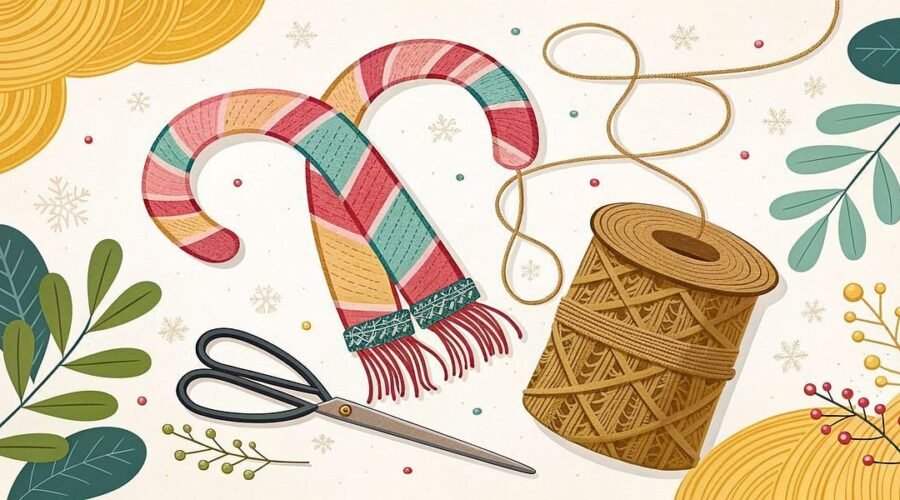
For macrame candy cane ornaments, the most useful kit is simple: a dependable 3 mm cord, a large-eye tapestry needle for hiding ends, sharp shears for clean cord cuts, and—only when your pattern uses a compatible wire core—a small flush cutter. The right tools make the knots easier to control and help the finished ornament keep a clean, deliberate shape.
Quick Answer
For most macrame candy cane ornaments, start with 3 mm cotton macrame cord, sharp fabric shears, and a large-eye tapestry needle. Add flush cutters only if your pattern uses a compatible soft-wire armature. Twisted 3-ply cord gives defined knots and textured fringe, while single-strand cord is better when you want a softer brushed finish.
Affiliate disclosure: This roundup contains Amazon affiliate links. If you buy through one of these links, we may earn a commission on qualifying purchases at no additional cost to you.
Key Takeaways
- 3 mm cotton cord is a practical scale for small ornaments and keeps individual knots easy to see.
- Cord construction matters: 3-ply twisted cord gives structured knots and wavy, textured fringe; single-strand cord brushes out more softly.
- Use shears for cord and fabric; use flush cutters only for compatible soft wire or plastic, not as an all-purpose cord cutter.
- Large-eye bent-tip needles make it easier to weave tails through bulky knotwork without disturbing the front of the ornament.
- Ratings and review counts change. Treat the numbers below as snapshots and check the live retailer page before buying.
Top Picks
|
Category |
Product |
Editorial Score |
|---|---|---|
|
🏆 Best Macrame Cord |
97/100 |
|
|
🎯 Best For Weaving In Ends |
92/100 |
|
|
✂️ Best For Cord And Fabric |
90/100 |
|
|
🔪 Best For Compatible Wire Flush Cuts |
88/100 |
Note: The 100-point numbers are editorial scores for suitability in this specific ornament-making workflow. They are not laboratory test scores. Product ratings, review totals, prices, packaging, and specifications can change, so confirm the current retailer listing before ordering.
Selection Criteria
For macrame candy cane supplies, the most important factors are cord behavior, control, cutting quality, finishing access, and safety. Cord should be appropriately sized for a small ornament, knot consistently, and create the type of fringe or texture you actually want.
For tools, we prioritized clean cuts, useful grip and control, suitability for the stated material, and whether the tool solves a real finishing problem. Published product specifications, current listing information, manufacturer guidance where available, and recurring customer-feedback themes were considered. Unless a product is explicitly described as hands-on tested, the scores should be read as editorial comparisons rather than laboratory measurements.
Price matters, but a specialized tool is worthwhile only when it has a clear role in the project. You do not need every item in this roundup for every candy cane pattern.
What You Actually Need for a Macrame Candy Cane
Most macrame candy cane projects need only a few core supplies. Start with macrame cord, sharp scissors or shears, and a large-eye tapestry needle. If the pattern wraps or knots cord around an internal core, you may also need flexible craft wire or another pattern-specified armature.
- Macrame cord: 3 mm is compact enough for ornaments while still giving visible knot definition.
- Tapestry needle: useful for hiding tails, securing wraps, and repairing small gaps.
- Sharp shears: best for cleanly cutting cotton cord, ribbon, felt, and fabric backing.
- Flush cutter: optional; useful only when the project includes soft wire or another material the cutter is designed to handle.
- Comb or small brush: optional if your design includes brushed fringe.
Pro Tip: Choose cord by the finish you want, not just by diameter. Triple-twist cord produces defined knots and a wavy or textured fringe when untwisted, while single-strand cotton is easier to brush into a softer, straighter fringe. Bobbiny’s 3-ply rope guidance demonstrates how the twisted construction affects structure and fringe.
Clover Needles

Bent-tip tapestry needles are useful when you need to hide a tail inside dense knotwork without constantly turning the ornament over. Clover’s current bent-tip tapestry needle guidance describes yarn-friendly rounded tips intended to reduce yarn splitting and make finishing easier.
The linked jumbo set is a practical choice for bulky cord because a larger eye is easier to thread than a conventional sewing needle. For macrame candy canes, the main advantage is control: you can guide loose tails through the body of the ornament and keep the visible surface cleaner.
What People Say
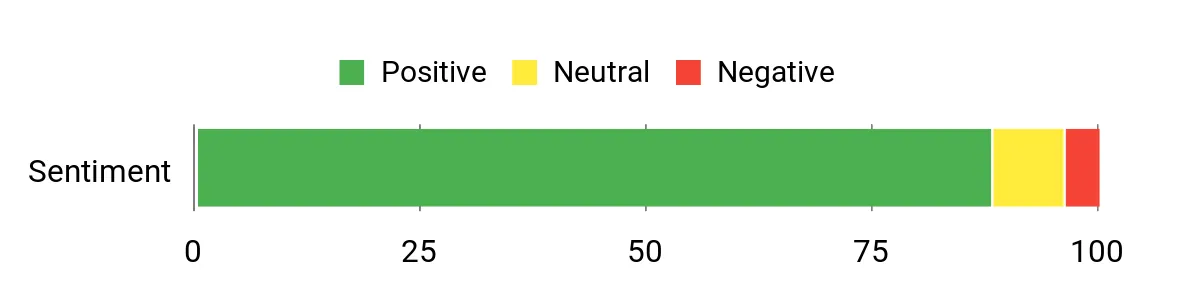
The review summary supplied with this roundup trends positive, with recurring praise for the bent-tip format and ease of handling bulky yarn or cord. Because retailer reviews and product variants change over time, treat those themes as a snapshot rather than permanent product specifications.
The most relevant benefit for this project is simple: a bent-tip, large-eye needle can make awkward finishing work less fiddly than a standard small sewing needle.
Overall Sentiment: Positive
Long-Term Value
A reusable tapestry needle has value beyond one holiday project. The same tool can weave in ends on crochet, knitting, macrame, tapestry work, and other chunky-fiber crafts.
Return On Investment
The practical return is time and control rather than a measurable financial saving. If you regularly work with bulky yarn or cord, a large-eye bent-tip needle can make finishing faster and reduce the temptation to trim tails too short.
How To Use
After the final knot, leave enough tail to secure the end rather than cutting it immediately. Thread the tail through the large eye, then guide it back through several nearby knots or wraps. Work gradually so you do not distort the ornament. For tight areas, use the smaller needle in the set if it fits the cord.
Versatility
Use these needles for chunky knitting, crochet finishing, tapestry work, ornament assembly, weaving in yarn ends, and other projects that need a large eye and controlled placement.
Aesthetic Appeal
Hidden tails give the candy cane cleaner edges and prevent short loose ends from distracting from the stripe pattern or curved silhouette.
Safety
Needles are small tools that can injure someone or become lost in carpet or upholstery. Store them in a closed case and keep them away from young children and pets when they are not in use.
Care
Wipe away fibers or adhesive residue after use and keep the needles in a case so the tips do not become damaged or misplaced.
Durability
A tapestry needle experiences little load when used correctly. Avoid forcing it through openings that are too tight for its diameter; choose a smaller needle or loosen the path instead.
Key Benefits
- Bent tip helps guide yarn or cord through existing stitches and knots
- Large eye simplifies threading bulky material
- Useful for hiding tails and securing ornament finishes
- Reusable across macrame, crochet, knitting, and tapestry projects
Rating snapshot from the supplied product data: 4.7/5 (312+). Check the live listing for the current rating and review count.
NOANTA Cord

The linked NOANTA cord is listed as 3 mm × 109 yards of beige twisted cotton cord. That diameter suits small decorative projects because the knots remain visible without making the ornament excessively bulky.
The twisted construction is especially useful when you want firm knot definition. It is important, however, to match expectations for fringe: a multi-ply twisted cord separates into more textured or wavy strands rather than immediately producing the straight, feather-soft look associated with single-strand cord.
What People Say
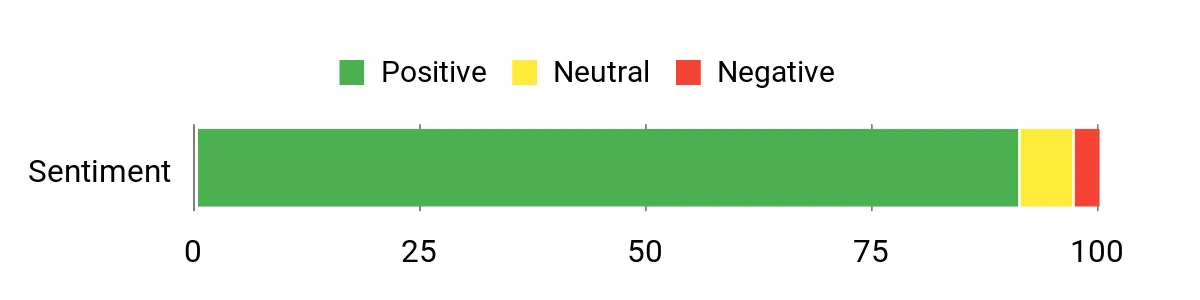
The supplied review summary highlights feel, usable yardage, knot performance, and color as common positives. It also notes that fringe behavior is not ideal for every decorative technique. That is consistent with the basic behavior of twisted cord: it can be unraveled and brushed, but the result remains more textured than loose single-strand cotton.
If your candy cane design relies on crisp knots rather than a large feathered fringe, that tradeoff is usually less important.
Overall Sentiment: Positive
Long-Term Value
A 109-yard roll gives you material for multiple small ornaments, practice knots, repairs, and other compact macrame projects. Actual consumption depends on ornament size and knot density.
Return On Investment
The main value comes from buying a full roll instead of short craft lengths. You can cut matching strands from the same cord and still have material left for test knots before committing to the finished ornament.
How To Use
Cut matching cord lengths according to your candy cane pattern and keep the working strands organized before knotting. If your design uses a separate contrasting stripe, wrap or knot that color evenly around the main body and secure the final tail inside the existing knotwork with a tapestry needle.
Trim only after you are satisfied with the final curve and tension so you do not leave yourself too little cord to secure the ends.
Versatility
The 3 mm size can also work for coasters, compact plant hangers, keychains, small wall pieces, ornaments, and decorative trims.
Aesthetic Appeal
The natural beige creates a warm neutral base and pairs easily with traditional red, burgundy, green, metallic, or minimalist holiday accents. Twisted construction also gives the finished knots a visible rope texture.
Safety
Keep loose cord, long loops, and finished hanging ornaments out of the reach of infants and toddlers. The U.S. Consumer Product Safety Commission warns that strings and cords can create strangulation hazards for young children. Store unused lengths securely and supervise children during craft activities involving cord.
Care
No verified manufacturer care sheet was located for this specific listing, so use conservative care: remove loose dust, spot clean when practical, avoid aggressive bleaching, and test moisture or cleaning products on a scrap before treating a finished ornament.
Durability
Twisted construction helps the cord maintain a defined rope form during knotting, but cut ends can still loosen when manipulated. Leave enough tail for a secure finish instead of depending on an extremely short trimmed end.
Key Benefits
- 3 mm size is well suited to compact decorative macrame
- 109-yard roll provides material for multiple small projects
- Twisted construction gives knots clear texture and structure
- Neutral beige works with traditional and modern holiday palettes
Current 2026 listing data places this product at roughly 4.7/5 with about 11.3K ratings; live totals can change.
JINJIAN Shears

Retail listings for these JINJIAN dressmaking shears identify a 9-inch, right-handed design with high-carbon-steel blades and a rubberized handle. That makes them better suited to long cord, ribbon, felt, and fabric cuts than a tiny embroidery scissor.
For candy cane ornaments, the main reason to choose a full-size pair of shears is cut quality. A clean cut leaves fewer crushed or uneven fibers to tidy later.
What People Say
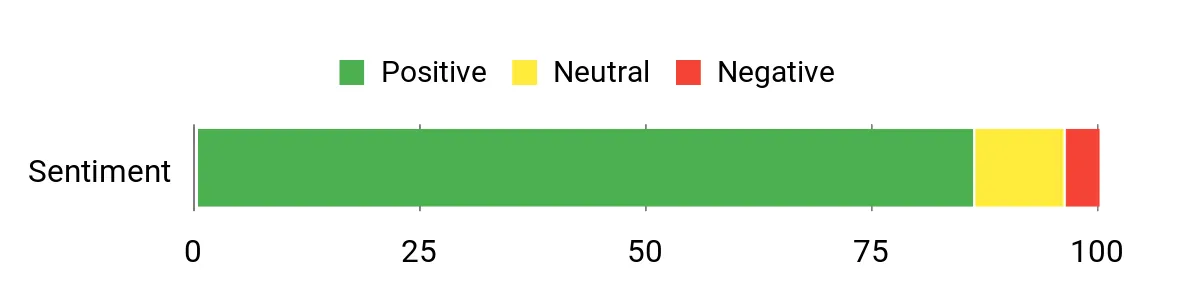
The supplied feedback summary emphasizes sharpness, solid construction, and comfortable cutting. The main fit consideration is the right-handed handle orientation, which may not suit every maker.
As with all retailer feedback, review totals and individual experiences can change, so use the comments as supporting context rather than proof of long-term durability.
Overall Sentiment: Positive
Long-Term Value
A full-size pair of fabric shears can remain useful after the holiday project is finished, especially for sewing, ribbon, felt, fabric backing, and general craft work.
Return On Investment
The practical value is consistency. Sharp shears can reduce ragged edges and repeated trimming when you are preparing many matching strands for a batch of ornaments.
How To Use
Lay the cord or fabric flat and make a controlled cut with the material positioned well inside the blades. For long fabric or ribbon cuts, use smooth strokes instead of short sawing motions. Test on scrap material before cutting a finished decorative section.
Versatility
Beyond macrame cord, these shears are intended for sewing and craft materials such as fabric, ribbon, felt, paper, and similar soft materials.
Aesthetic Appeal
Even cord ends and straight fabric edges help the finished ornament look deliberate. The effect is especially noticeable when several candy canes are displayed together.
Safety
These are large sharp shears. Cut away from your body, keep your free hand clear of the blade path, close the blades when you set them down, and store them where children cannot reach them.
Care
Remove lint or adhesive residue after use and dry the blades before storage. Retail guidance for this model also recommends maintaining a light protective film of appropriate oil when the shears are stored for long periods, particularly in humid conditions.
Durability
The listed high-carbon-steel construction is designed for repeated cutting, but edge life depends on what you cut and how the shears are stored. Avoid using dedicated fabric shears on materials that can unnecessarily dull or chip the edge.
Key Benefits
- 9-inch format gives good leverage for long cuts
- Listed high-carbon-steel blades suit fabric and general craft work
- Rubberized handle improves grip
- Useful for cord, ribbon, felt, fabric, and other ornament materials
Rating snapshot from the supplied product data: 4.6/5 (1,415+). Current retailer totals may differ.
IGAN Cutters

IGAN-330 flush cutters are a more specialized tool. They are intended for close trimming of compatible soft wire and plastic rather than replacing fabric shears. Current product information identifies chromium-vanadium steel construction and a compact body that suits detail work.
For a macrame candy cane, they make sense only when your pattern uses a soft craft-wire armature or another compatible material. If the project is cord-only, ordinary sharp shears are the more appropriate tool.
What People Say
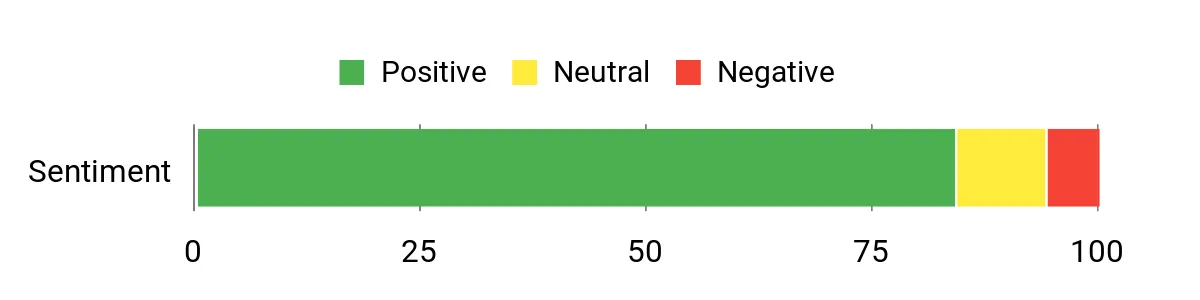
The supplied review summary focuses on sharpness, precise cuts, compact size, and a comfortable grip. Some feedback also mentions the hinge area, which is a reminder to keep fingers clear of the moving joint during repeated cuts.
Overall Sentiment: Positive
Long-Term Value
A compact flush cutter can be useful for jewelry, electronics, plastic model work, zip ties, and craft wire in addition to ornament making, provided the material stays within the tool’s stated cutting limits.
Return On Investment
The benefit is precision near a joint or wire end. If your projects frequently use compatible soft wire, a small dedicated cutter avoids abusing sewing scissors or fabric shears on metal.
How To Use
For a wire-core candy cane, first confirm that the wire is within the cutter’s stated capacity and is not hardened steel, stainless cable, or another material the cutter is not designed to cut. Put on eye protection, position the flat side of the cutter where you want the flush finish, keep fingers clear, and make a controlled cut. Test scrap wire before working on the finished ornament.
For plastic trimming, use small controlled cuts instead of twisting the jaws or using them as a prying tool.
Versatility
These cutters can also be used for suitable soft electrical wire, jewelry wire, zip ties, plastic sprues, and other precision craft tasks within their stated capacity.
Aesthetic Appeal
A close, controlled cut reduces protruding armature ends and makes it easier to cover the internal structure completely with cord.
Safety
Wear eye protection when cutting wire because short offcuts can move unexpectedly. Keep fingers away from the jaws and hinge, do not exceed the manufacturer’s material limits, and store the tool out of children’s reach.
Warning: The California Attorney General’s Proposition 65 database lists a 2024 60-day notice alleging DEHP exposure involving the IGAN-330 Flush Cutters. A 60-day notice is not a court judgment or independent finding that the allegation has been proven. California buyers should review the product’s current packaging and warning information before purchase. See the California Attorney General Proposition 65 notice database.
Care
Wipe the jaws clean and dry after use. A small amount of appropriate machine oil at the pivot can help maintain smooth movement. Stop using the cutter if the jaws chip, become misaligned, or no longer close correctly.
Durability
The listed chromium-vanadium-steel construction is intended for repeated precision cutting, but cutter life depends heavily on material choice. Trying to cut hardened or oversized material can damage fine flush-cutting edges quickly.
Key Benefits
- Compact jaws suit close trimming in tight areas
- Useful for compatible soft wire and plastic craft work
- Rubberized grip improves control
- Dedicated cutter prevents metal wire from being cut with fabric shears
Current 2026 listing data places this model around 4.5/5 with roughly 7.5K ratings; live totals can change.
Frequently Asked Questions
Which cord should I use for a macrame candy cane?
A 3 mm cotton macrame cord is a practical starting point for small ornaments. Choose twisted 3-ply cord when you want defined knots and a more structured rope texture. Choose single-strand cotton when the pattern depends on soft, straight brushed fringe.
Is 3 mm cord good for macrame candy cane ornaments?
Yes. Three-millimeter cord is compact enough for ornaments while still making individual knots easy to see and control. Very thick cord can make a small candy cane bulky, while very thin cord requires more knots and finer handling.
Do I need bent tapestry needles?
They are optional but useful. A bent-tip, large-eye tapestry needle can guide bulky cord tails through existing knots more easily than a small conventional sewing needle, helping you hide ends without disturbing the front of the ornament.
How do I trim and finish the cord neatly?
Use sharp shears for cotton cord, ribbon, felt, or fabric. Secure tails inside the knotwork with a tapestry needle before making the final trim. If you want fringe, unravel and brush a cord type that supports that finish. Avoid generic heat-sealing unless the cord manufacturer specifically states that the material and technique are safe.
Can I use flush cutters on any wire?
No. Fine flush cutters are designed for specific material types and diameters. The IGAN-330 is intended for compatible soft wire and plastics; do not assume it can safely cut hardened steel, stainless cable, or oversized armature wire. Check the current product limits and wear eye protection when cutting wire.
Why does my twisted cord make wavy fringe?
That is normal for multi-ply twisted cord. When the plies are separated, the fibers retain some of the twist and create a textured or wavy fringe. If your design needs a softer, straighter brushed fringe, single-strand macrame cord is usually easier to work with.
Customer Preferences
For macrame candy cane supplies, the best choice depends on the part of the project you are trying to improve. Prioritize cord construction and diameter first, because they affect every knot and the final texture. Next choose a needle that accepts your cord comfortably and a pair of shears that cuts it cleanly. A flush cutter is a secondary tool that earns a place only when the design includes compatible wire or plastic.
For a basic cord-only ornament, the cord, shears, and tapestry needle will cover most of the workflow. For a structured wire-core ornament, add an appropriate precision cutter and follow its material limits.
Wrapping Up
A polished macrame candy cane does not require a large tool collection. The NOANTA 3 mm cord offers a practical twisted-cotton option for defined knots, Clover’s bent-tip tapestry format is useful for hiding bulky tails, and the JINJIAN shears give you a full-size cutting tool for cord and fabric. IGAN flush cutters make sense only when your pattern includes compatible soft wire or plastic that needs a close trim.
Choose the cord construction according to the finish you want, secure tails before trimming, and use each cutting tool only on materials it is designed to handle. That approach matters more than owning every product in the roundup.
Sources
- Clover — Tapestry Needle Set (Bent Tip) — manufacturer guidance on bent-tip, yarn-friendly tapestry needles.
- Bobbiny — 3 mm 3-Ply Macrame Rope — manufacturer explanation of triple-twist construction, structure, and fringe behavior.
- U.S. Consumer Product Safety Commission — Strings and Cord Safety — supports the child-safety warning for loose cords.
- California Attorney General — Proposition 65 60-Day Notice Database — official database containing the 2024 IGAN-330 notice.
- Federal Trade Commission — Endorsement Guides FAQ — guidance on clear and conspicuous affiliate disclosures.
- Google Search Central — Qualify Outbound Links — guidance recommending the sponsored relationship value for paid and affiliate links.
| Product Name | Image | Rating | Material | Use Cases | Dimensions & Weight |
|---|---|---|---|---|---|
| Clover Jumbo Tapestry Bent Tip Needles, 2 Sizes 18-22 Sky Blue |
|
4.7/5 (312+ source snapshot) | See current listing |
|
7 cm, 4.54 g (source snapshot) |
| NOANTA Natural Macrame Cord 3mm x 109 Yards, Beige Cotton Rope |
|
About 4.7/5 (about 11.3K ratings in 2026) | Twisted cotton cord |
|
3 mm diameter, 109 yd / approximately 99.7 m |
| Heavy Duty 9 inch Fabric Scissors, Dressmaking Shears for Clothing Bk9 |
|
4.6/5 (1,415+ source snapshot) | Listed high-carbon steel blades |
|
9 inches, 9.92 oz (listed) |
| IGAN-330 Flush Cutters, Precision Wire Cutter |
|
About 4.5/5 (about 7.5K ratings in 2026) | Chromium-Vanadium Steel |
|
5″L x 2″W, 3.2 oz |
This Roundup is reader-supported. When you click through links we may earn a referral commission on qualifying purchases.