

Using beef tallow for cooking is a return to an old technique: rendered beef fat that is solid at room temperature, stable at high heat and rich in beef flavor. It is popular for frying, searing and roasting, and it is a staple on carnivore and low-carb diets because it contains no carbohydrates and works with almost any meat.
This guide covers the smoke point, the best uses, how to render tallow at home and how to store it.
Quick Answer
Beef tallow has a smoke point of roughly 400°F, which makes it a good choice for frying, searing, roasting and sauteing. It adds a beefy flavor and crisp texture. Render it by slowly melting beef fat over low heat, straining it and cooling it in a jar. Keep tallow in the refrigerator for several months or in the freezer for longer.
Key Takeaways
- Tallow is stable at high heat, with a smoke point around 400°F.
- It is excellent for frying, searing and roasting.
- Render it at home from beef suet or trimmings.
- Store it in the fridge or freezer to prevent rancidity.
- Tallow is high in saturated fat, so use it mindfully.
Smoke Point and Heat
Fat starts to smoke when it is overheated, and smoking fat breaks down and tastes bitter. Beef tallow smokes at about 400°F, depending on purity, so it handles pan searing and deep frying well. Aim to fry at 350 to 375°F, and keep a thermometer handy. Never leave hot fat unattended.
Best Ways to Cook With Tallow
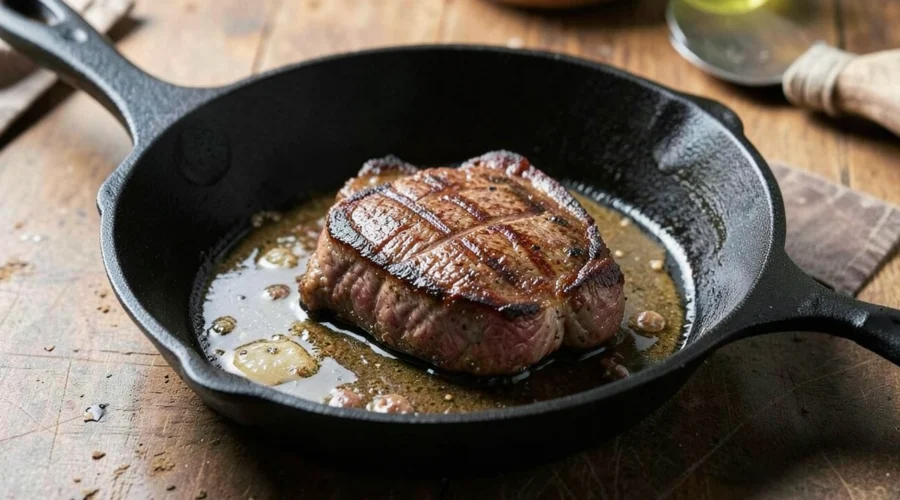
- Searing steaks. A spoonful in a hot skillet gives a deep crust. Pair it with our steak temperature chart.
- Deep frying. Fries and chicken come out crisp. See beef tallow fries.
- Roasting. Toss potatoes or root vegetables in melted tallow.
- Eggs and burgers. Fry them in a little tallow for extra flavor.
- Seasoning cast iron. Thin layers bake into a nonstick surface. Read season cast iron with beef tallow.
How to Render Beef Tallow
- Ask a butcher for beef suet or fat trimmings, ideally from grass-fed cattle.
- Chop or grind the fat into small pieces so it melts evenly.
- Place it in a heavy pot or slow cooker on low heat.
- Cook gently for several hours, stirring occasionally, until the fat is liquid and the solids are golden.
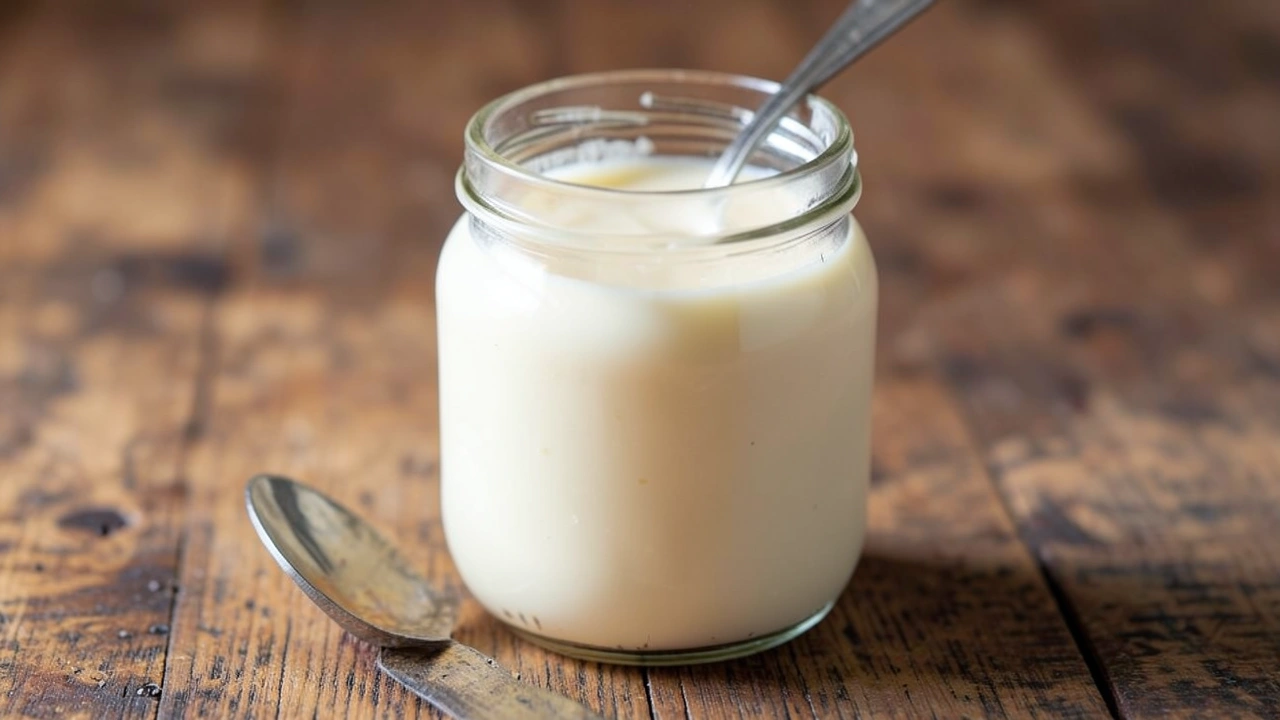
- Strain through cheesecloth into clean jars.
- Cool to room temperature, then refrigerate or freeze.
Tallow vs Other Cooking Fats
| Fat | Smoke point (approx.) | Best for |
|---|---|---|
| Beef tallow | 400°F | Frying, searing, roasting |
| Lard | 370°F | Frying and baking |
| Butter | 350°F | Low to medium heat |
| Ghee | 450°F | High-heat cooking |
| Avocado oil | 500°F | Very high heat |
See what is lard for a comparison with pork fat.
Storing Tallow
Store tallow in a clean, airtight jar in the refrigerator for several months, or in the freezer for up to a year. Keep water out, since moisture shortens shelf life. If it smells sour or off, discard it. You can reuse frying tallow a few times if you strain it, though it will darken.
A Note on Health
Tallow is almost entirely fat, with a large share being saturated. Many health organizations advise limiting saturated fat, so use it as one of several fats and talk to your doctor if you have heart or cholesterol concerns. Choose tallow from grass-fed beef if that matters to you.
Frequently Asked Questions
What is the smoke point of beef tallow?
Roughly 400°F.
Is beef tallow good for frying?
Yes, it is stable at high heat and gives crisp results.
How do I store beef tallow?
In an airtight jar in the fridge for months or the freezer for longer.
Can I reuse tallow after frying?
Yes, strain it and store it in the fridge. Discard it if it smells off.
What does tallow taste like?
Rich and beefy, more subtle after filtering.
Where can I buy beef tallow?
From butchers, farmers or grocery stores. You can also render it yourself.
Conclusion
Beef tallow for cooking is flavorful, stable and easy to render at home. Use it for high-heat cooking, store it cold and enjoy it in moderation.
Keep Reading
- How to Season Cast Iron With Beef Tallow for a Slick Finish: Cast iron seasoning
- What Is Lard? How It’s Made and How to Cook With It: Pork fat
- Steak Temperature Chart: Rare to Well Done Temps: Steak doneness

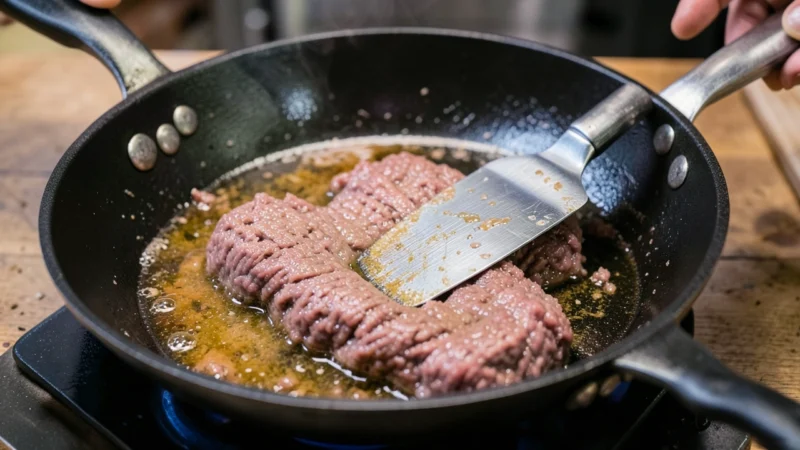
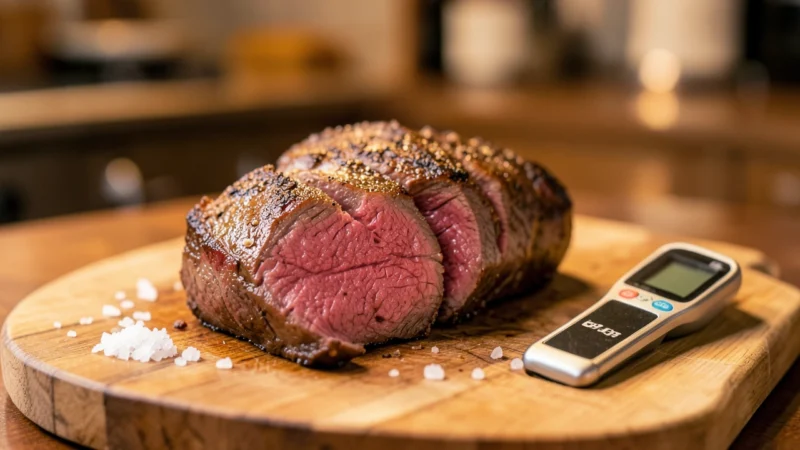
[…] Add the beef in a single layer. For lean beef, add a little tallow or oil. See beef tallow for cooking. […]
[…] beef tallow for cooking for fat […]
[…] gives crisp textures and adds flavor. It also contains no carbs or additives when homemade. See beef tallow for cooking and beef tallow fries for practical […]