A curling rug corner is usually easiest to fix with a low-risk approach: let the rug relax flat, reverse-roll the curled edge, and hold it down with flat, evenly distributed weight. A properly sized rug pad or compatible corner gripper can help stop the curl from returning. Before adding heat, moisture, or adhesive, check the rug’s care instructions and your flooring manufacturer’s guidance.
Quick Answer
To flatten a curling rug corner, first reverse-roll the affected edge, then lay the rug flat and place a broad, heavy object over the corner. Add a correctly sized nonslip rug pad or compatible corner gripper if the curl returns. Use steam, an iron, water, or adhesive only when the rug and flooring manufacturers allow it.
Key Takeaways
- Start with reverse rolling and weight because they do not require adhesive, water, or direct heat.
- Check the rug’s care label before steaming, ironing, misting, or wetting the fibers.
- Use a rug pad that is compatible with your flooring and slightly smaller than the rug.
- Do not assume an adhesive labeled for rugs is safe for every hardwood, vinyl, laminate, or coated floor.
- Treat a badly lifted corner as a trip hazard until it lies securely flat.
At a Glance
| Time Required | Several hours to a few days, depending on the rug and severity of the curl |
| Difficulty | Easy |
| Tools Needed | Flat weights or books, optional rug pad or corner grippers; heat or moisture only if manufacturer-approved |
| Cost | Usually free with household weights; additional cost only if a pad, gripper, or tape is needed |
Warning: A raised rug corner can be a trip hazard. If the edge lifts high enough to catch a foot, move the rug out of the walking path or secure it safely until the curl is corrected. Never apply heat, steam, water, or adhesive without confirming that the rug material, backing, dyes, and floor finish can tolerate it.
Quick Ways to Flatten Rug Corners

The safest first-line fixes for curling rug corners use opposing pressure and time rather than aggressive heat or moisture.
- Let the rug relax: Lay a newly delivered rug flat on a clean, dry floor and give the backing time to lose its shipping curl.
- Reverse-roll the curl: Gently roll the affected corner or edge in the direction opposite the curl. Avoid sharply folding or creasing the backing.
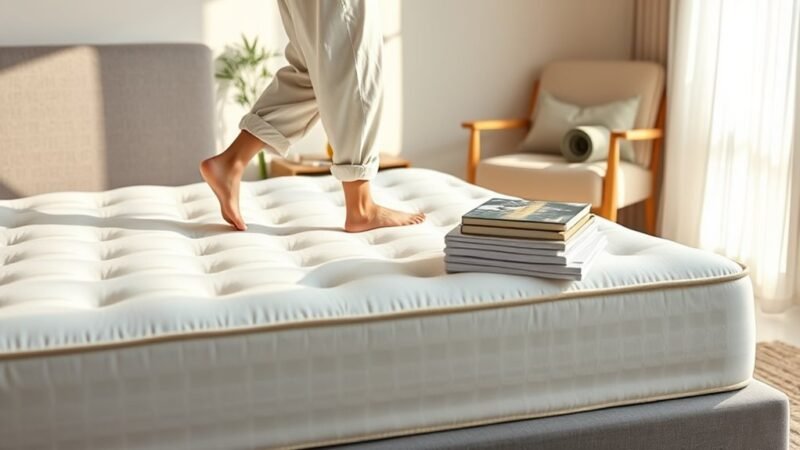
- Add broad weight: Unroll the rug and place flat books, a smooth board with weight on top, or another broad object over the curled section.
- Add a compatible rug pad: A correctly fitted pad can reduce sliding, bunching, and repeated lifting.
- Use a gripper or tape only if necessary: Confirm that the product is approved for both the rug backing and the exact flooring finish.
Heat and moisture should come later, not first. Some rug manufacturers allow gentle heat for particular products, while other rugs should not be ironed, steamed, or heavily wetted at all.
The safest sequence is simple: flatten mechanically first, then consider heat, moisture, or adhesive only when the care instructions specifically permit them.
Check the Rug Material Before You Start
Before choosing a treatment, look at the rug’s care label, fiber content, backing, and manufacturer instructions. Methods that work on one machine-made synthetic rug can damage a handmade, natural-fiber, vintage, or specialty-backed rug.
- Jute and sisal: Be especially cautious with water and steam. Plant fibers can absorb moisture, distort, shrink, or pucker.
- Wool: Avoid unnecessary saturation and high heat. Follow the manufacturer’s care instructions, particularly on handmade rugs.
- Synthetic rugs: They may tolerate different treatments depending on the fiber and backing, but direct high heat can still damage some materials.
- Silk, vintage, antique, or handmade rugs: Skip experimental heat, moisture, and adhesive treatments. A professional rug specialist is the safer option.
- Rubber-, latex-, or coated-back rugs: Check both the rug and flooring instructions because some backing materials can interact with certain floor finishes.
Pro Tip: If the rug is new, photograph severe curls, waves, or backing distortion before trying an aggressive fix. If the defect does not improve with gentle flattening, the seller or manufacturer may prefer a return or replacement rather than heat or adhesive treatment.
Use Weight to Set the Corners Flat
Strategic weighting applies steady, even pressure while the rug backing relaxes. It is one of the simplest ways to treat a curled corner without adding moisture or adhesive.
Place the rug on a clean, level surface and press the curled corner into its normal flat position. Cover the affected area with a clean towel or smooth board if necessary, then place a broad weight on top. Check the rug periodically rather than assuming a fixed treatment time.
A mild shipping curl may improve within hours. A stronger curl can require a day or several days of repeated flattening. If nothing changes after several attempts, inspect the backing for a permanent crease, stretched edge, delamination, or other damage.
Strategic Corner Weighting
Use a weight that covers most of the curled area instead of concentrating pressure on one small point. A stack of books with a flat base, a board with weight above it, or suitably positioned furniture can work.
Make sure the object cannot stain, scratch, or transfer moisture to the rug. Also keep the temporary weight itself out of a walking path where it could become another trip hazard.
Let Pressure Settle Fibers
Once the corner is flat under pressure, leave it undisturbed long enough for the backing and fibers to relax. Then remove the weight and watch the corner for several hours.
If it begins lifting again, repeat the process and consider adding a properly fitted rug pad or rug-compatible corner gripper. Repeated curling after several gentle treatments can indicate that the issue is in the backing rather than temporary shipping memory.
Apply Rug Tape to Stop Curling
Rug tape can help hold a corner or edge down, but it should not be the automatic first choice on finished flooring. Adhesive compatibility varies among hardwood, laminate, vinyl, tile, stone, and other surfaces.
Use only a product specifically approved for your flooring and rug backing. Read both the tape instructions and the flooring manufacturer’s warranty or care guide before installation.
Choose The Right Tape
Look for a removable rug tape or gripper designed for the exact floor type. Claims such as “hardwood safe” should still be checked against the floor manufacturer’s guidance because wood finishes and coatings differ.
When direct floor adhesive is questionable, a compatible rug pad or a corner-stiffening product that attaches to the rug rather than the floor may be a better choice.
Note: There is no universal rule requiring rug tape every 12 inches or replacement every three to six months. Use the spacing, surface preparation, removal method, and replacement schedule specified by the product manufacturer.
Apply Tape Correctly
If tape is approved for the floor, clean and completely dry the surface first. Apply the tape according to the manufacturer’s instructions, position the rug carefully, and press the taped areas firmly enough to establish the specified bond.
Do not place adhesive over dirt, moisture, floor polish, or cleaning residue. Inspect the installation periodically and remove or replace the tape according to the product instructions rather than waiting for the rug edge to loosen.
If you notice discoloration, sticky residue, finish softening, or another surface change, stop using the adhesive and follow the flooring manufacturer’s care advice.
Steam the Rug to Relax the Fibers
Steam can relax some textile fibers, but it is not a universal rug-flattening method. The correct decision depends on the fiber, dyes, backing, adhesive construction, and manufacturer care instructions.
If the care label specifically permits steam, use the least moisture and heat needed and avoid soaking the backing. After treatment, flatten the area and allow it to dry completely before putting the rug back into normal use.
| Action | Purpose |
|---|---|
| Check care instructions | Confirm heat and moisture are permitted |
| Use minimal moisture | Reduce the risk of saturation or backing damage |
| Press the area flat | Encourage the curl to relax |
| Dry completely | Avoid trapping moisture under the rug |
Do not use steam simply because the rug is stubborn. Jute, sisal, vintage rugs, delicate handmade rugs, unstable dyes, and unknown backings deserve particular caution. If the manufacturer says not to steam or iron the rug, use reverse rolling, weight, and a compatible pad instead.
Reverse Roll a Curling Rug
Reverse rolling is one of the most widely applicable ways to correct a rug that has retained the shape of its shipping roll.
Starting at the curled edge, gently roll the rug in the direction opposite the existing curve. The goal is to counter the bend, not to fold the rug sharply or force a new crease into the backing.
Keep the rug reverse-rolled for a reasonable period, then unroll it and inspect the result. Many rugs respond after a day or two, although the exact time varies by construction and how long the rug was stored in a tight roll.
After unrolling, place flat weights on any remaining curled corners. Repeat once if necessary rather than tightening the reverse roll aggressively.
Avoid misting the rug with water unless its care instructions specifically allow moisture. The mechanical action of reverse rolling is often enough without wetting the fibers or backing.
Add a Rug Pad for Better Grip
A properly fitted rug pad can reduce sliding, bunching, and movement that contributes to lifted edges. It can also help the rug lie more evenly over a hard surface.
As a general fitting method, the pad should remain hidden inside the rug perimeter. A common approach is to leave about one inch of rug extending beyond the pad on each side, which means trimming the pad roughly two inches shorter than the rug’s overall width and length.
- Measure the rug without including fringe or tassels.
- Choose a pad approved for the flooring material.
- Trim the pad so it sits evenly inside the rug perimeter.
- Lay the pad completely flat with no folds or bunching.
- Center the rug over the pad and smooth it from the middle toward the edges.
- Inspect the pad periodically for movement, deterioration, or material transfer.
Do not assume one pad material is suitable for every hard floor. Flooring manufacturers can restrict rubber, latex, adhesive-treated, non-breathable, or other backing materials, so check the flooring warranty before selecting the pad.
Fix Ripples and Buckles in a Rug
Ripples and buckles can have several causes, and the correct fix depends on the cause. A rug that was tightly rolled or folded during shipping may simply need time, reverse rolling, and broad weight. A rug that has become distorted after getting wet may require a different approach.
Start by placing the rug on a clean, dry, level surface. Smooth it by hand from the center outward and check whether the raised area is a temporary wave or a permanent deformation in the backing.
If shipping memory is the likely cause, gently reverse-roll the affected section and then apply broad weight after the rug is unrolled. A correctly fitted rug pad can help reduce movement once the rug is flat.
If the rug became wavy after a spill, wet cleaning, flooding, or high moisture exposure, allow it to dry according to its care instructions before attempting further treatment. Do not trap a damp rug against wood or another moisture-sensitive floor.
For broader indoor moisture control, maintaining a reasonably controlled indoor humidity level can help protect furnishings and building materials. However, a dehumidifier will not repair backing that has already stretched, shrunk, separated, or permanently deformed.
If severe ripples remain after the rug is fully dry and has had time to relax, contact the manufacturer, seller, professional cleaner, or rug specialist before applying strong heat or adhesive.
Prevent Rug Corners From Curling Again
Once the rug lies flat, prevention is mainly about reducing movement, uneven wear, moisture problems, and repeated bending at the edge.
- Use a floor-compatible rug pad that stays flat underneath the rug.
- Use manufacturer-approved corner grippers or removable tape only where appropriate.
- Rotate the rug periodically so traffic and furniture do not repeatedly stress the same edge.
- Keep the floor and underside of the rug clean and completely dry.
- Avoid placing a vulnerable edge where feet, vacuum heads, doors, or furniture repeatedly catch it.
- Control excessive indoor moisture and address spills promptly.
A general indoor relative-humidity range around 30–50% is commonly recommended for household moisture control, although the best range can depend on climate and building conditions. Humidity control can reduce moisture-related problems, but it should not be treated as a guaranteed cure for a rug with a damaged backing.
When vacuuming, avoid repeatedly catching or lifting the corner. Follow the rug manufacturer’s vacuum instructions, especially for fringed, high-pile, handmade, or delicate rugs.
When a Curling Rug Needs Professional Help
DIY flattening works best when the problem comes from shipping or temporary bending. Stop experimenting and seek manufacturer or professional guidance when:
- The rug is silk, antique, vintage, handmade, collectible, or unusually valuable.
- The backing is cracked, separated, stretched, brittle, or permanently creased.
- The rug curled after flooding, heavy wet cleaning, or another major moisture event.
- Colors transfer to a damp white cloth or appear unstable.
- The manufacturer prohibits heat, steam, ironing, or adhesive products.
- The corner immediately springs back after repeated reverse rolling and weighting.
- The rug remains a significant trip hazard despite basic corrections.
For a new rug with severe permanent-looking deformation, contacting the seller before using heat, water, or adhesive can also preserve your return or warranty options.
Frequently Asked Questions
How Can I Flatten Corners on My Curled Rug?
Start by gently reverse rolling the curled corner, then lay the rug flat and place a broad weight over the affected area. Give it several hours to a few days and check the result periodically. If the edge curls again, add a properly fitted, floor-compatible rug pad or approved corner gripper. Use steam or an iron only if the rug manufacturer specifically permits heat and moisture.
How Do I Keep the Corners of My Rug From Curling Up?
Reduce movement with a correctly sized rug pad, keep the rug and floor dry, rotate the rug periodically, and prevent doors, feet, or vacuum heads from repeatedly catching the same corner. If extra hold is needed, use a gripper or tape that is approved for both the rug backing and the flooring finish.
How to Get the Corners of Your Rug to Stay Down?
Flatten the curl first with reverse rolling and broad weight. Once the corner relaxes, prevent renewed movement with a suitable rug pad or compatible corner gripper. Adhesive can be useful on some floors, but check the floor and tape manufacturers’ instructions before applying it directly to hardwood, laminate, vinyl, or another finished surface.
How Can I Fix a Curling Rug Corner With an Ice Cube Trick?
An ice cube is not a good universal treatment for curling rug corners. Melting ice introduces water into the fibers, backing, and possibly the flooring underneath. That can be unsuitable for jute, sisal, delicate rugs, unstable dyes, moisture-sensitive backing, or wood flooring. Reverse rolling and dry weight are safer first choices. Use moisture only when the rug manufacturer specifically permits it.
Conclusion
A curling rug corner is often caused by shipping memory or repeated movement and can usually be corrected without aggressive treatment. Start with the safest options: let the rug relax, reverse-roll the curl, apply broad weight, and use a properly fitted rug pad or compatible gripper if needed.
Heat, steam, water, and adhesive should be considered material-specific tools rather than universal fixes. Check the rug’s care instructions and the flooring manufacturer’s guidance before using them. If the backing appears permanently damaged or the rug remains a trip hazard after gentle treatment, contact the seller, manufacturer, professional cleaner, or rug specialist.
Sources
- U.S. Consumer Product Safety Commission — guidance on keeping walking surfaces flat, secure, and free of trip hazards.
- U.S. Centers for Disease Control and Prevention — fall-prevention guidance covering loose rugs and other tripping hazards.
- U.S. Environmental Protection Agency — indoor moisture guidance, including the commonly recommended 30–50% relative-humidity range.
- Nourison — manufacturer rug-care guidance covering reverse rolling, weighting, rug pads, and moisture-sensitive natural fibers.
- Bruce Hardwood Flooring — flooring-care guidance concerning compatible rug and pad materials on hardwood floors.