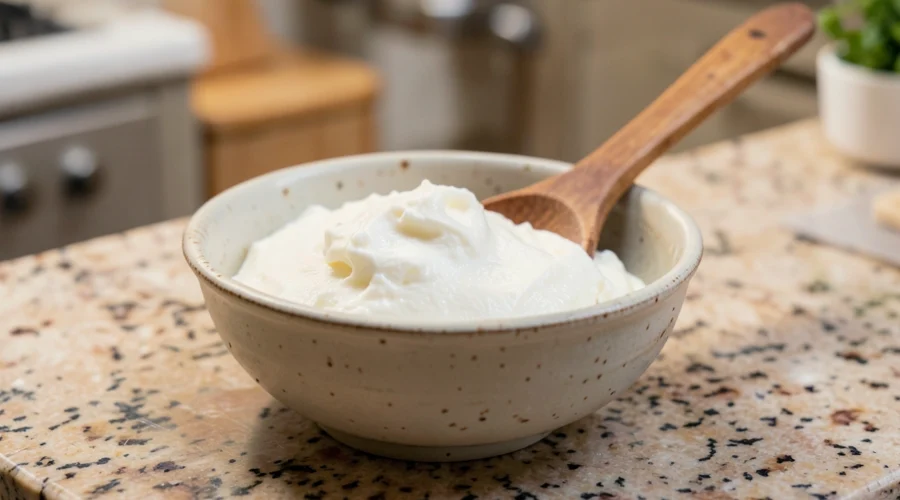
If you have seen a recipe call for it and wondered what is lard, the answer is simple: lard is pork fat that has been melted down, strained and cooled into a creamy white solid. It has been used for frying, baking and pastry for centuries, and it is making a comeback among home cooks who want a natural cooking fat with a high smoke point and a mild flavor.
This guide explains how lard is made, the types you will see in stores, how it compares with tallow and butter and how to cook with it and store it.
Quick Answer
Lard is rendered pork fat: raw fat is slowly melted, strained and cooled into a soft white solid. Leaf lard comes from around the kidneys and is the mildest and best for baking, while back fat lard is common for general cooking. Lard has a smoke point of roughly 370°F, so it works well for frying, roasting and pie crusts. Keep it in the refrigerator or freezer.
Key Takeaways
- Lard is pork fat that has been rendered and strained.
- Leaf lard is the mildest and is prized for pastry.
- Lard has a smoke point of about 370°F, good for frying and roasting.
- Store-bought lard may be hydrogenated, so check the label.
- Keep lard in the fridge for months or the freezer for longer.
How Lard Is Made
Lard is made by rendering, which means gently heating chopped pork fat until it melts and separates from the solid bits. The liquid fat is strained through cheesecloth, poured into jars and left to cool. Slow, low heat gives the cleanest flavor. The leftover crispy bits, called cracklings, can be eaten as a snack.
Types of Lard
| Type | Source | Flavor | Best for |
|---|---|---|---|
| Leaf lard | Fat around the kidneys | Very mild, neutral | Pie crusts, pastries, baking |
| Back fat lard | Fat from the back | Mild, slightly porky | Frying, general cooking |
| Rendered lard (store-bought) | Mixed fat | Varies | Everyday cooking |
| Hydrogenated lard | Treated to stay solid | Neutral | Shelf-stable products |
If you buy lard in a store, look for a short ingredient list and check whether it has been hydrogenated. Fresh lard from a butcher is usually the best option.

How to Cook With Lard
- Frying. Lard makes crisp fried chicken, potatoes and donuts.
- Roasting. Toss vegetables or potatoes in melted lard before roasting.
- Baking. Use leaf lard in pie crusts and biscuits for flakiness.
- Sauteing. Use a spoonful in place of oil or butter.
- Seasoning cast iron. Lard and tallow both work. See how to season cast iron with beef tallow.
Lard vs Tallow vs Butter
| Fat | Source | Smoke point (approx.) | Flavor |
|---|---|---|---|
| Lard | Pork | About 370°F | Mild |
| Beef tallow | Beef | About 400°F | Beefy, rich |
| Butter | Milk | About 350°F | Creamy |
| Ghee | Clarified butter | About 450°F | Nutty |
Smoke points vary by purity, so treat them as estimates. For beef fat, see beef tallow for cooking.
Storing Lard
Refrigerate lard in a sealed jar for several months, or freeze it for a year or longer. It can go rancid if kept warm or exposed to air, so smell it before use. If it smells sour or like old paint, discard it.
Is Lard Healthy
Lard is mostly fat, and a good part of it is saturated and monounsaturated fat. Health guidelines generally advise limiting saturated fat, so lard is best used in moderation. It contains no carbohydrates, which is why people on low-carb and carnivore diets use it. If you have heart disease or high cholesterol, ask your doctor about how much animal fat is right for you.
Frequently Asked Questions
What is lard made from?
Rendered pork fat.
What is the difference between lard and shortening?
Lard is animal fat, while shortening is usually made from vegetable oils.
What is leaf lard?
Lard from the fat around the kidneys, with a very mild flavor.
Does lard need refrigeration?
Yes, for the best shelf life. Freeze for longer storage.
Can you fry with lard?
Yes. Its smoke point is around 370°F.
Is lard the same as tallow?
No. Lard is pork fat, and tallow is beef or mutton fat.
Conclusion
Lard is a traditional cooking fat that is mild, versatile and good for frying, roasting and baking. Choose fresh or leaf lard when you can, store it cold and use it in moderation.
Keep Reading
- How to Season Cast Iron With Beef Tallow for a Slick Finish: Cast iron seasoning
- Sweet Tooth? Carnivore Diet Dessert Recipes Without Sugar: Baking without sugar