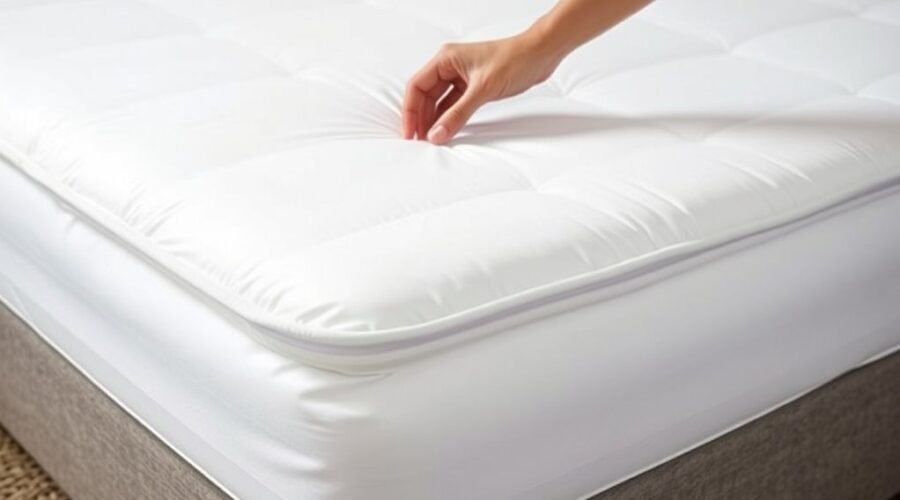
You probably don’t know that a mattress encasement doesn’t just cover the top and sides—it fully wraps around all six sides of the mattress. You zip it closed to create a tighter barrier against dust mites, spills, bed bugs, and allergens. That full seal can change how well your mattress stays clean and protected, but it also raises a key question about fit, comfort, and when it’s worth using one.
Key Takeaways
- A mattress encasement is a full-coverage cover that surrounds the mattress on all six sides.
- It seals with a zippered closure to block allergens, dust mites, bed bugs, and moisture.
- Waterproof TPU lamination helps prevent spills and liquids from soaking into the mattress.
- Unlike a mattress protector, an encasement offers deeper, all-around protection for the entire mattress.
- Breathable, machine-washable designs help maintain comfort, hygiene, and long-term mattress life.
What Is a Mattress Encasement?
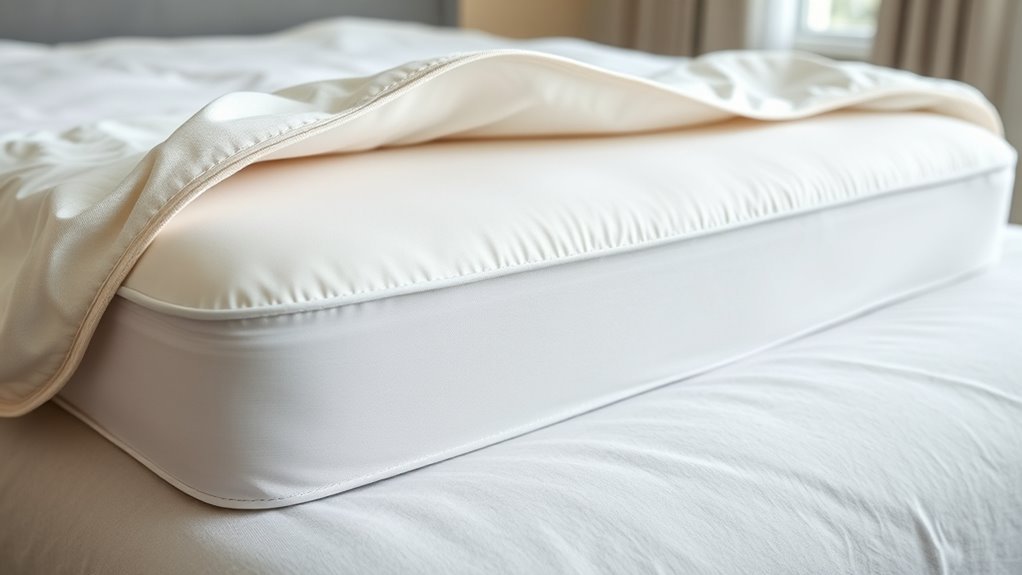
A mattress encasement is a full-coverage protective cover that surrounds your mattress on all six sides, creating a barrier against allergens, dust mites, moisture, and other irritants.
You use a mattress encasement when you want more than a basic waterproof mattress protector; it delivers extensive defense with a zippered closure that seals the entire mattress. This design helps with pest control while also limiting exposure to allergens and dust.
Most models use breathable materials, so you can keep a cleaner sleep environment without trapping heat or sacrificing comfort. You’ll usually find that it’s machine washable, which makes upkeep practical; just keep it on the mattress between cleanings for steady protection.
Most models use breathable materials, helping you maintain a cleaner sleep environment without sacrificing comfort or trapping heat.
By reducing stains and wear, it can extend the life of the mattress and support warranty conditions.
In short, you get a simple, durable way to protect your bed and preserve your sleeping space.
What a Mattress Encasement Protects Against
You can use a mattress encasement to protect your bed from spills and moisture, since it creates a waterproof barrier that helps prevent stains and damage.
It also seals out bed bugs and blocks common allergens like dust mites, pollen, and pet dander.
That protection can help keep your mattress cleaner, more hygienic, and better preserved over time.
Spills And Moisture
When spills happen, a mattress encasement creates a full 360-degree barrier that seals the mattress and keeps liquids from reaching the layers inside.
You get waterproof TPU lamination, so spills, sweat, and everyday moisture can’t seep in or leave stains. That sealed design gives you reliable protection and helps keep your bed cleaner, drier, and more hygienic over time.
It also limits exposure to allergens and dust mites, supporting a healthier sleep space without extra effort.
Because many covers are machine washable, you can clean them easily and keep the barrier working.
Bed Bugs And Allergens
Beyond blocking spills, a mattress encasement also protects against bed bugs and common allergens by fully surrounding the mattress on all six sides.
You get a protective shield that locks bed bugs in or out, especially when a locking micro-zipper seals the edge. It also blocks allergens like dust mites, pet dander, and pollen, so you breathe easier and reduce asthma symptoms.
Because the mattress encasement also resists moisture, it helps prevent mold and mildew that can trigger irritation. This support improves hygiene, protects mattress integrity, and keeps your sleep space cleaner.
With regular use, you can cut exposure to irritants and support better sleep quality without giving up comfort or control.
How an Encasement Blocks Leaks and Pests
A mattress encasement fully surrounds the mattress on all six sides, creating a sealed barrier against leaks, spills, and moisture.
You get a mattress encasement that uses waterproof TPU lamination to stop liquid spills before they reach the core, so spills and stains don’t soak in or leave odors behind.
This protective barrier also blocks bed bugs, because Invisi-Zip technology and SureSeal closures limit entry and escape points, making the mattress less vulnerable to pests.
You also benefit from allergen protection: the hypoallergenic cover seals out dust mites, allergens, and other irritants that can affect sleep.
By keeping moisture, contaminants, and pest intrusion under control, the encasement helps extend mattress lifespan and reduces the need for early replacement.
In practical terms, you’re protecting your sleep space without giving up comfort or control.
Use it consistently, and you maintain a cleaner, safer mattress that stays usable longer.
Mattress Encasement Vs. Mattress Protector
When you compare a mattress protector with an encasement, the biggest difference is coverage: an encasement wraps the mattress on all six sides, while a protector covers only the top and sides.
That full-surface seal gives you stronger defense against bed bugs, dust mites, allergens, and moisture, while a protector mainly helps with spills and surface debris.
If you want maximum protection and fewer gaps, an encasement is the more secure option.
Protector Vs. Encasement
If you’re deciding between a mattress protector and a mattress encasement, the main difference is coverage: a protector shields only the top surface, while an encasement fully wraps the mattress on all six sides for more complete protection.
In this mattress encasement protector vs choice, you’ll usually want a breathable protector if you mainly need waterproof protection against spills and surface allergens.
Choose an encasement when you want full coverage, because it blocks dust mites, bed bugs, and deeper contamination more effectively.
Encasements are machine washable, but they’re often less airy and stay on longer between washes.
Both can help preserve warranty eligibility by preventing stains and damage.
To choose the right option, weigh your allergies, pets, children, and how much security you need.
Full-Surface Mattress Coverage
Beyond simple spill protection, full-surface coverage is where a mattress encasement stands apart from a mattress protector.
With a mattress encasement, you surround the mattress on all six sides, then seal it with a zippered closure for total barrier security. That full-surface coverage creates a waterproof barrier against stains, dust mites, allergens, and bed bugs, while a protector only shields the top.
If you deal with allergies or asthma, this kind of allergen protection can support a cleaner sleep environment and reduce exposure you don’t want. You’ll also lower the risk of deep contamination inside the mattress.
Although you may wash it less often, the encasement gives superior long-term protection and helps preserve warranty eligibility.
Do You Need a Mattress Encasement?
Do you need a mattress encasement? If you want stronger protection for your bed, a mattress encasement is worth considering. It fully wraps the mattress and gives you thorough protection against bed bugs, dust mites, and other allergens.
That matters if you’re sensitive to allergens, because reducing exposure can support improved sleep quality and let you rest without constant irritation. A waterproof encasement also helps block moisture and spills, so your mattress stays cleaner and drier for longer.
That can preserve the warranty by preventing stains and damage that might otherwise void coverage. It also makes maintenance easier: you can spot-clean the encasement and wash it infrequently, which saves time and effort.
If you want practical protection and a simpler routine, an encasement offers a clear, effective solution for keeping your mattress in better condition over time.
How to Choose the Right Mattress Encasement
How do you choose the right mattress encasement? Start by matching the mattress encasement to your protection needs against allergens, bed bugs, and moisture.
You want thorough coverage on all six sides, so inspect the fit, zipper design, and seam strength. A locking micro-zipper helps block pests and supports allergen protection, while reinforced seams add durability.
Choose breathable materials to reduce heat retention, especially if you sleep hot and want comfort without compromise.
Choose breathable materials to reduce heat retention, especially if you sleep hot and want comfort without compromise.
For easy upkeep, pick a machine washable model and wash it every two months, or sooner after accidents, to preserve hygiene.
Check the label for GREENGUARD Gold certification, which signals lower chemical exposure and a healthier sleep space.
When you compare options, prioritize function over hype. The right mattress encasement should protect your rest, fit securely, and let you sleep with more freedom.
Frequently Asked Questions
Do Mattress Encasements Really Work?
Yes, mattress encasements really do work when you use the right one. You can improve bed bug prevention, allergy reduction, moisture control, and dust mite barrier performance while boosting hygiene improvement.
They also support odor elimination, stain protection, longevity extension, temperature regulation, and comfort enhancement. You’ll get the best results if you zip it fully, wash it regularly, and choose a breathable, certified model that fits your mattress snugly.
How Long Do You Leave a Mattress Encasement On?
Keep it on as long as you can—ideally forever, or at least a year. Like a shield from old tales, it protects your mattress lifespan while boosting hygiene benefits and allergy reduction.
Follow installation tips, check cleaning frequency, and compare fabric types, cost comparison, and comfort impact before you buy. Use practical maintenance advice, and consider purchase considerations.
If you suspect bed bugs, leave it on through treatment.
Do You Need Both a Mattress Encasement and a Mattress Protector?
You don’t need both, but you can combine them for stronger mattress protection benefits.
In the encasement vs protector choice, an encasement gives better allergy reduction and a dust mite barrier, while a protector adds waterproof features, easier cleaning ease, and more comfort level.
Compare longevity comparison, temperature regulation, and investment value to decide.
If you want maximum defense and freedom from worry, use both strategically.
Can Bed Bugs Get Through a Mattress Encasement?
Usually, bed bugs can’t get through a quality mattress encasement, because its sealing methods and insect barriers block entry.
You’ll get strong bed bug prevention when you choose durable fabric types, inspect the zipper, and follow installation tips.
Good encasement benefits include better mattress hygiene and easier pest control.
Keep up maintenance practices, and look for durability testing, since damage or poor fit can let pests slip in.
Conclusion
A mattress encasement gives you full, six-sided protection, so your mattress stays shielded from allergens, spills, dust mites, and bed bugs. Unlike a basic protector, it wraps your mattress like a vault, sealing out trouble before it starts. If you want cleaner sleep and a longer-lasting mattress, it’s a practical choice. Choose one with a secure zipper, breathable fabric, and the right fit, and you’ll add a strong layer of defense to your bed.