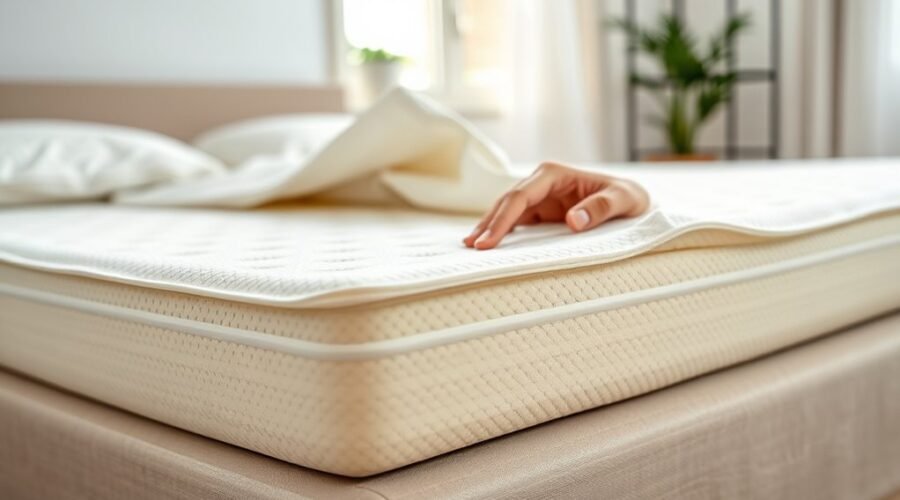
A latex mattress can feel surprisingly different from the softer, sinking beds you may know. You sleep more on top of it than in it, while the surface gently adapts to your body and springs back fast. That blend of support, bounce, and airflow can change how your back, shoulders, and temperature feel overnight—and the exact feel depends on the latex type and firmness you choose.
Key Takeaways
- A latex mattress is made from natural or synthetic latex layers that contour to the body while providing responsive support.
- It feels buoyant and springy, with less sinkage than memory foam and quick bounce-back when you move.
- Latex mattresses often sleep cooler because their open-cell structure improves airflow and helps regulate temperature.
- Firmness varies by latex type and ILD, with softer options for side sleepers and firmer support for back or stomach sleepers.
- They usually reduce motion transfer, support easier position changes, and may feel more comfortable after a 2–3 week adjustment period.
What Is a Latex Mattress?
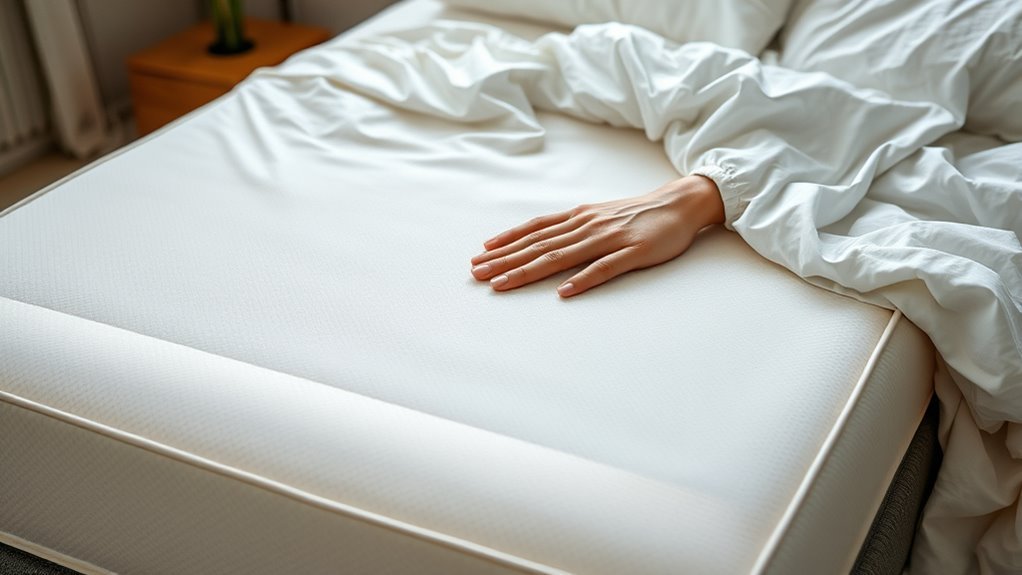
A latex mattress is built primarily from natural or synthetic latex, giving you a buoyant, breathable feel that sets it apart from traditional foam beds.
You get layered latex that adapts to your body, delivering support and pressure relief without the deep sink common in foam. Natural latex comes from rubber tree sap, so you can choose an eco-friendly option with strong durability and long service life.
Manufacturers use Dunlop and Talalay methods to shape firmness and comfort layers, letting you match the mattress to your needs. The open-cell structure promotes airflow, helping your sleep surface stay cooler and more hygienic.
It also resists dust mites and mold, which supports cleaner rest. Because latex responds quickly, you won’t feel stuck when you move; instead, you’ll notice a responsive feel that supports freer repositioning.
In practical terms, you’re choosing a mattress designed for performance, resilience, and comfort.
What Does a Latex Mattress Feel Like?
What does a latex mattress feel like? You’ll usually notice a buoyant latex mattress feel that gives you comfort and support without heavy sinkage.
The surface compresses under your body, then rebounds quickly, so you get a gentle lift that keeps your spine in a more neutral position. That responsive feel can improve spinal alignment and deliver pressure relief at your shoulders, hips, and knees, which may help if you deal with joint pain.
Because latex springs back fast, you can change positions with ease of movement instead of fighting the bed. Its open cell structure lets air pass through the core, so it works like a cooling mattress and helps reduce moisture buildup.
You can also choose different firmness levels, from soft to firm, to match your sleep style and still keep dependable support.
Do You Sleep On or In Latex?
You sleep on latex rather than sink deeply into it, so the surface feels buoyant and supportive.
That light bounce gives you a lifted sensation while still letting the mattress contour to your body.
If you change positions often, you’ll find it easier to move without feeling stuck.
Sleeping On The Surface
- You can turn without effort.
- You may feel less trapped at night.
- Couples get steady motion isolation.
- Your body gets targeted pressure relief.
Natural latex mattresses compress under you, then rebound, so movement effortless and comfortable sleeping stay possible across every sleeping position. That steady pushback helps maintain spinal alignment while letting you shift freely.
If you want a sleep experience that feels clear, grounded, and liberating, latex gives you a practical balance of support and freedom, without the deep cradle that slows you down.
Light Bounce And Lift
Latex mattress comfort comes more from a gentle lift than a deep sink, so you usually sleep on the surface rather than in it.
You feel a buoyant, responsive cradle that supports your body without trapping you. That light bounce lets the mattress compress and push back quickly, keeping your spine aligned while still giving you cushioning comfort.
If you change positions at night, the latex springiness helps you move freely, and you won’t feel stuck. It also limits motion transfer, so your partner’s movement stays quieter on their side.
For you, that means easier sleeping, smoother shifts, and less strain when getting in and out of bed. The result is practical support with a liberated, effortless feel.
Easy Position Changes
That buoyant, responsive feel also makes changing positions feel easy throughout the night. With latex mattresses, you stay on top of the surface, so the responsive nature helps you roll, stretch, or shift without effort. You don’t sink in, and that freedom improves your sleep experience if you’re a combination sleeper or share the bed.
- Feel untrapped when you turn
- Keep your sleep rhythm intact
- Enjoy quick rebound after pressure
- Move with less partner disturbance
The feel of a latex differs from other mattress types because it springs back almost instantly, avoiding body impressions.
Its cushioning support also helps maintain spinal alignment as you change positions. If you want practical comfort and a more liberated sleep, latex lets you move naturally instead of fighting your bed.
How Latex Mattress Firmness Works
Latex mattress firmness uses the ILD scale, which ranges from very soft to very firm, so you can compare models more precisely.
Your body weight and sleep position affect how firm the bed feels, since heavier sleepers often need more support while side, back, and stomach sleepers tend to prefer different levels of contouring.
Talalay latex usually feels lighter and more responsive, while Dunlop often feels denser and more supportive, so you can match the material’s feel to your needs.
ILD Firmness Scale
The ILD firmness scale is how latex mattress firmness is measured, using the amount of pressure needed to indent the surface to a specific depth.
On latex mattresses, lower numbers mean softer latex with more contouring, while higher numbers create a firmer mattress with less give. You’ll often find medium ILD ratings around 30 to 32, offering balanced comfort and support.
Your individual preferences matter, and your body weight can influence which feel helps you stay aligned. Customization options let you choose separate layers, so you can build the feel you want without compromise.
- Feel free to choose support.
- Trust your comfort and support needs.
- Pursue spinal alignment on your terms.
- Enjoy softer latex or firmness that fits.
Body Weight And Position
Your body weight and sleep position should guide which latex firmness you choose, because ILD only tells part of the story: a higher ILD feels firmer and resists sinking more, which can help heavier sleepers stay supported and aligned, while lighter sleepers often do better with softer latex that lets them contour more naturally.
| Your profile | Best match |
|---|---|
| Side sleepers | Softer latex for pressure relief |
| Back sleepers | Medium to firm for spinal support |
| Heavier individuals | Firmer latex mattresses, around 90 kg and above |
With latex mattresses, you can match firmness to body weight and individual preferences without guessing. If you want more freedom, look for customization options like layered builds or split firmness, especially for couples. The right choice supports your spine, reduces pressure, and helps you sleep in a position that feels truly yours.
Talalay Vs Dunlop Feel
When you compare Talalay and Dunlop latex, the main difference is feel: Talalay is usually bouncier, softer, and more plush, while Dunlop feels denser, firmer, and more supportive.
Talalay latex uses a more complex manufacturing process, so you get a lighter, more consistent surface. Dunlop latex often feels steadier and more grounded.
ILD explains firmness: Talalay commonly sits around 19-32, while Dunlop can run 32+ for stronger support.
Both offer pressure relief and breathability, but Talalay’s open-cell design can improve temperature regulation for hot sleepers.
- You can feel freer with softer cushioning.
- You can trust firmer support to hold you.
- You can match different firmness levels to your body.
- You can shape personalized support around your sleeping preferences.
Talalay vs. Dunlop Latex Feel
Talalay and Dunlop each bring a distinct feel to a latex mattress, and the difference starts with how they’re made. Talalay latex uses vacuum sealing and freezing, so you get a softer, more consistent surface with a plush feel.
It’s responsive and bouncy, with a cushioning feel that follows your body shape without trapping you. Its medium-to-soft ILD range usually adds comfort while still offering support.
Dunlop latex is denser and more solid, so you feel firmer, steadier support and less immediate sinkage. It can also show slight texture variation, which some sleepers notice.
Because Talalay has a more even cell structure, it often improves breathability and temperature regulation, helping you stay cooler. Dunlop holds heat more readily, but its robust firmness and durability can feel reassuring if you want a more grounded mattress core.
Best Latex Mattress for Your Sleep Position
Choosing the best latex mattress for your sleep position starts with matching firmness to how you naturally rest at night.
If you sleep on your side, choose latex mattresses with softer feel for pressure relief at the shoulders and hips and better spinal alignment. Back sleepers usually do well on medium-firm latex, which supports the lumbar area while still honoring your curves.
Side sleepers need softer latex for shoulder and hip relief, while back sleepers often prefer medium-firm support.
If you sleep on your stomach, firm options help stop hip sink and keep your spine straight.
- Feel your shoulders relax, not strain.
- Let your lower back rest with steady support.
- Move freely if you’re a combination sleeper.
- Choose with confidence, not guesswork.
Combination sleepers often prefer medium to medium-firm latex because it lets you shift positions without feeling stuck.
Also consider body weight and individual preference: heavier people may need firmer support, while lighter people may want softer comfort.
Latex Mattress Temperature and Bounce
Once you’ve matched firmness to your sleep position, it helps to look at how a latex mattress handles heat and movement. Its open-cell structure encourages air circulation, so latex mattress temperature stays more neutral and heat retention stays low.
If you sleep hot, that can support cooler, more consistent sleeping conditions without extra effort.
You’ll also notice bounce from the natural elasticity of latex. Instead of sinking deeply, you get a responsive feel that springs back quickly, making it easier to turn over, sit up, or share the bed without feeling stuck.
That buoyant support can feel freeing because the surface moves with you, not against you.
Manufacturers also create pinholes through the material, and those channels help air move and moisture dissipate, which supports better sleep hygiene.
In practice, latex gives you a cooler, cleaner, more active sleeping surface than many foams, while still feeling stable and easy to live with every night.
How Long It Takes to Adjust to Latex?
Most people adjust to a latex mattress within about 2 to 3 weeks as their bodies get used to its firmer, more responsive feel.
During this adjustment period, you may notice extra firmness at first, but the surface often softens as latex mattresses conform to your contours. You’ll likely feel steady body support without the deep sink of foam, and that can improve comfort level once your muscles adapt.
- Relief when you can move around freely
- Confidence from consistent body support
- Ease during the initial adjustment
- Freedom to trust your personal preference
The responsive nature of latex helps combined sleepers change positions with less effort, so your shift can feel smoother.
Because the material returns to its original shape quickly, impressions don’t linger and your sleep surface stays even. Compared with memory foam, latex often reaches a comfortable feel faster.
If you give it time, you’ll know whether its buoyant support matches your sleep style.
Frequently Asked Questions
What Are the Downsides of a Latex Mattress?
Downsides of a latex mattress include higher cost, heavier Weight considerations, and possible Allergy issues if you’re sensitive to latex.
You may notice firmer Firmness levels, more motion transfer, and less Sound absorption than foam.
Some models trap heat, affecting Temperature retention, and off gassing effects can bother you at first.
You’ll also face Maintenance needs and should weigh Durability concerns, Eco friendly options, and Cost comparison carefully.
What Is the Healthiest Mattress to Sleep On?
You’ll usually sleep healthiest on a mattress made from organic materials with strong allergen resistance, good body support, and reliable pressure relief.
Like a well-tuned instrument, it can shape your rest. Look for firmness levels that suit your body, plus temperature regulation to improve sleep quality and help with sleep disorders.
Latex and other eco friendly options often offer excellent durability factors, giving you long-term, practical comfort without sagging.
Do Bed Bugs Live in Latex Mattresses?
Yes, bed bugs can live in a latex mattress, but they’re less likely to nest there than in softer bedding materials.
You should check for infestation signs, clean your sleep environment, and use prevention tips like encasements and regular mattress care.
Latex’s hypoallergenic benefits and airflow can help, yet no mattress is immune.
If you spot a bed bug problem, use treatment options quickly to protect longevity concerns.
Is Latex Unhealthy to Sleep On?
No, latex isn’t usually unhealthy to sleep on if you choose natural latex or low-VOC synthetic latex.
You should check for latex allergies first, then compare comfort level, firmness options, and body support.
Good latex also offers breathability benefits, temperature regulation, and a strong durability rating.
If you want eco friendly materials, latex can fit that goal, but you’ll sleep best when the mattress matches your body and priorities.
Conclusion
If you’ve been searching for a mattress that feels supportive without feeling stiff, latex may be exactly what you need. It gently cushions you, then springs back fast, so you stay lifted rather than sinking in. That balance often feels just right for back, side, and combination sleeping. And if you’ve noticed you sleep hot or move a lot, latex’s breathability and bounce can feel like a welcome coincidence.