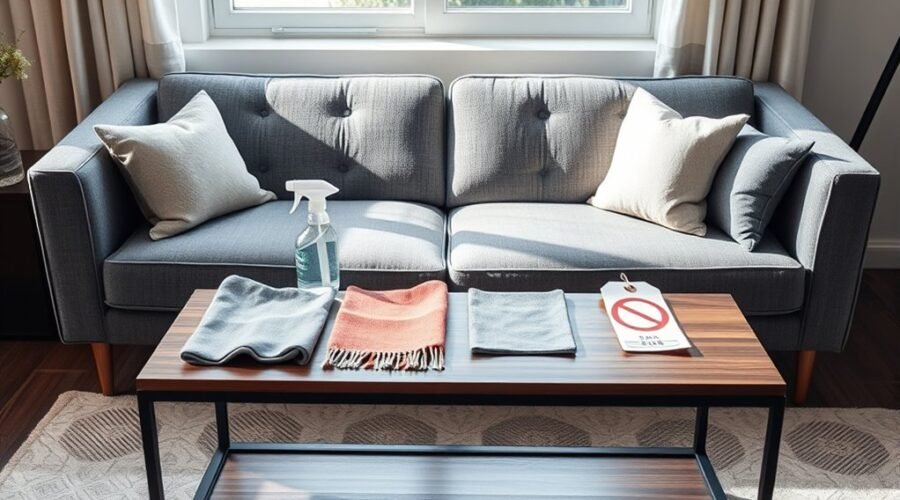
You probably don’t know that your sofa’s care tag can tell you exactly which cleaners are safe to use. These codes aren’t just labels; they can save you from shrinking fabric, setting stains, or ruining a finish. If you can tell W from S, WS from X, you’ll know whether to use water, solvent, or nothing more than a vacuum—and one wrong choice can change everything.
Key Takeaways
- Sofa cleaning codes tell you which cleaning methods are safe for a fabric upholstery.
- W means water-based cleaners are safe, while S means use only solvent-based cleaners.
- WS allows either water-based or solvent-based cleaners, but always test first on a hidden spot.
- X means vacuuming or light brushing only; avoid water and liquid cleaners completely.
- Check the sofa’s tag before cleaning, and contact the manufacturer if the code is missing.
What Sofa Cleaning Codes Mean
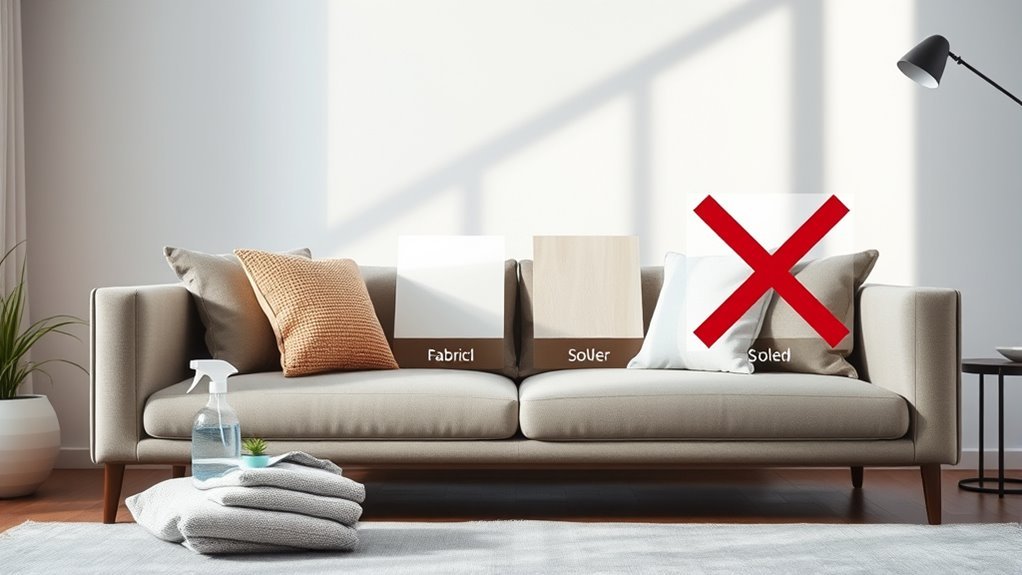
Sofa cleaning codes tell you which products you can safely use on upholstery, so you can avoid damage and keep the fabric looking good longer.
W means water-based cleaners are safe, S means you should use solvent-only products, WS allows either method with testing first, and X means vacuuming or light brushing only.
These cleaning codes help you match cleaning methods to your upholstery fabric without guessing. If you see W, you can use mild water-based detergents, which works well for homes with kids or pets.
These cleaning codes help you match cleaning methods to your upholstery fabric without guessing.
If you see S, stay away from water because it can cause shrinking or rings. WS gives you flexibility, but you still need to test first.
X means you shouldn’t apply liquid cleaners at all. Learning these labels helps you choose the right approach, protect the fabric, and extend the life of your sofa.
Where to Find the Cleaning Code Tag
Before you clean, check the sofa’s cleaning code tag, which is usually tucked under the seat cushions or attached to the furniture frame like a clothing label. You might also find it on the side near the armrest or along the back. This small tag gives you the cleaning instructions you need to protect the upholstery and avoid damage.
| Location | What to look for |
|---|---|
| Under cushions | A sewn-in label |
| Furniture frame | A fabric tag |
| Armrest side | Hidden edge tag |
| Sofa back | Rear label panel |
Read the cleaning code before you start any care routine. If the tag is missing, contact the manufacturer or vendor for the proper cleaning code and exact guidance. Knowing where the tag is helps you act fast, follow the right method, and keep your sofa looking its best longer.
W Code: Water-Based Cleaning
A W code means you can clean the sofa with water-based cleaners or foam, so it’s a practical choice for homes with kids or pets.
You should use distilled water and a water-based upholstery shampoo or foam cleaner, then blot spots quickly before they set.
Don’t oversaturate the fabric, and let it dry fully to protect the backing and cushions.
Water-Based Cleaning Basics
If your upholstery has a W code, you can clean it with water-based cleaners or foams, which makes maintenance straightforward and family-friendly.
For water-based cleaning, use a gentle cleaning method and test a hidden spot first. Choose distilled water instead of tap water, since minerals in tap water can leave marks or affect the fabric.
You can usually remove everyday spills with moisture, but don’t soak the cushion. Blot the stain right away with a clean cloth to keep it from spreading. Keep pressure light and work from the outside in.
Regular care with water-based cleaners helps preserve the fabric’s look and extend its life. If a stain stays set, repeat the process carefully rather than oversaturating the upholstery.
Best Cleaning Products
For W-code upholstery, water-based cleaning products like upholstery shampoos, foam cleaners, and distilled water-based solutions are your safest options for lifting dirt and fresh stains without damaging the fabric.
Choose an upholstery shampoo made for this code, or use a mild cleaning solvent approved for water-safe fabrics. Mix it with distilled water, not tap water, to avoid mineral residue.
Apply the product lightly with a clean cloth or soft brush, then work it into the stain with controlled strokes. Foam cleaners help you target soil without soaking the fabric, while a dilute water solution can handle light marks.
Always test first on a hidden spot, and use only enough moisture to clean the surface without saturating the backing or weakening the structure.
Drying And Blotting
After cleaning W-code upholstery, blot the area right away with a clean white cloth instead of rubbing so you don’t spread the stain.
Keep blotting with light pressure until the moisture lifts. Use distilled water during cleaning, since tap water can leave minerals behind.
Don’t oversaturate the fabric; too much liquid can weaken the backing and cushion. If you used upholstery shampoo or foam cleaner, remove excess residue with a barely damp cloth, then continue drying by air only.
Let the upholstery dry fully before use, because trapped moisture can lead to mold or mildew.
If a stain remains, repeat careful blotting rather than scrubbing.
With W-code fabric, controlled blotting and patient drying protect the material and help you get a cleaner result.
S Code: Solvent-Only Cleaning
The S code means you should use only solvent-based cleaners on the fabric, since water can damage it. You should choose a dry-cleaning solvent for spot cleaning and blot spills right away so they don’t set. Use a small amount, apply it carefully, and let the area air dry.
This code usually appears on fabrics that react badly to moisture, including shrinking or staining when exposed to water. Because of that risk, you shouldn’t use damp cloths or mixed cleaners.
Always test the solvent on a hidden area first. Check for discoloration, texture changes, or softening before you treat the visible surface.
If the label says S, professional upholstery cleaning is often the safest option. A trained cleaner can use the right solvent and technique, which lowers the chance of irreversible damage and helps keep the fabric looking its best.
WS Code: Water or Solvent
With a WS code, you can use either water-based or solvent-based cleaning, so you’ve got more flexibility.
Test any cleaner on a hidden spot first to make sure it won’t damage the fabric.
For safer results, use distilled water with water-based cleaners or a mild dry-cleaning solvent made for that upholstery.
Water Or Solvent Options
When you see a WS cleaning code, you can use either water-based or solvent-based cleaners, giving you more flexibility in how you maintain the fabric. You can choose water-based solutions for light soil, and distilled water helps you avoid mineral marks from tap water.
If you prefer solvent cleaners, pick products made for upholstery, since fabrics can react differently. Use the gentlest option that removes the soil without saturating the material.
Keep your routine simple: vacuum often, address spills quickly, and maintain the fabric before grime settles in. If you’re unsure about a product or the upholstery feels delicate, a professional cleaning service can guide you toward the safest method.
Spot Test First
Before you clean a WS-coded sofa, test the product on a hidden spot to make sure it won’t discolor or damage the fabric. A spot test helps you confirm that a water-based cleaner or solvent won’t react badly with the material.
Choose a discreet seam or back edge, apply a small amount, and wait for drying. If you use a water-based cleaner, distilled water is best, since tap water can leave mineral marks on some fabric. If you choose a solvent, pick one made for that fabric type.
Keep the test small, and don’t scrub. If the area looks unchanged after drying, you can move forward with more confidence.
Safe Cleaning Methods
A WS code gives you two safe options: water-based cleaning or a solvent-based cleaner, depending on the stain and the fabric.
For upholstery cleaning, always test first, then use the gentlest method that works. Distilled water helps you avoid mineral buildup, and you should apply water-based cleaner lightly so you don’t oversaturate the fabric.
Choose solvent cleaners carefully, because the wrong product can stain or damage the surface.
- Vacuum regularly to remove dust and grit.
- Spot clean spills right away with a small amount of cleaner.
- Use the matching method only when the stain needs it.
With steady maintenance, your cleaning stays effective and your upholstery lasts longer.
X Code: Vacuum-Only Care
X-coded sofas need the gentlest care possible: vacuuming or light brushing only. You should vacuum regularly with a non-metallic, stiff bristle brush to lift dust and debris without stressing the fibers.
Vacuum regularly with a non-metallic stiff bristle brush to lift dust without stressing delicate X-coded fibers.
If you use a handheld brush, move lightly across the surface and avoid rubbing, since friction can damage delicate upholstery or change its color. You can’t use water, solvents, or any liquid cleaner on this fabric, and spot treatments are off-limits.
That means you must clean the fabric only by dry methods and prevent buildup before it starts. Because X-code materials are sensitive, even small mistakes can cause shrinking or discoloration.
Focus on preventive care: keep food, drinks, and wet items away from the sofa, and handle it gently during routine use.
With X-coded upholstery, your best strategy is simple maintenance, prompt dust removal, and strict avoidance of anything wet or chemical-based.
How to Remove Sofa Stains Safely
To remove sofa stains safely, start by checking the cleaning code so you use the right method for your fabric.
If you see W, use a mild water-based cleaner or upholstery shampoo. Blot the spill right away with a clean cloth, and don’t rub, since that can spread the stain.
For S codes, use a dry cleaning solvent on a clean cloth and blot gently without soaking the fabric.
If your sofa is marked WS, you can choose either water-based or solvent cleaning, but test the product on a hidden spot first.
For X codes, avoid cleaners and stick to dry brushing and vacuuming.
- Read the code before you treat any stain.
- Blot; don’t scrub.
- Test cleaners on WS fabric before full use.
Act fast, use the correct product, and keep moisture controlled to protect the upholstery while removing stains effectively.
Sofa Care Tips to Prevent Damage
Once you’ve handled stains the right way, you can keep your sofa in better shape with a few simple habits.
Vacuum it regularly with an upholstery attachment to remove dust, dirt, and crumbs before they settle into the fibers. If a spill happens, blot it at once with a clean, white cloth; don’t rub, or you could damage the fabric.
Vacuum regularly and blot spills immediately with a clean, white cloth to protect your sofa’s fabric.
Rotate and fluff cushions every week or two so wear stays even and the shape holds up longer. Keep the sofa out of direct sunlight, since UV exposure can fade colors and weaken material over time.
You should also check the cleaning code before you use any product. A water-safe fabric may tolerate different care than a solvent-only one, and the wrong cleaner can damage the fabric fast.
Clean gently, follow the code, and avoid harsh scrubbing so your sofa stays attractive and lasts longer.
When to Call a Professional Cleaner
- Delicate fabrics: Silk, velvet, and similar materials need expert care and the right tools.
- DIY failures: If your cleaning attempts haven’t worked, stop before you cause more damage.
- Ongoing upkeep: Regular professional cleaning helps high-quality upholstery last longer, especially in homes with children or pets.
If your cushion covers need special handling, check the code before washing or spot treating them.
When in doubt, choose a professional cleaner. It’s the safest way to protect appearance, texture, and value while avoiding costly mistakes.
Frequently Asked Questions
Where Can I Find the Sofa Cleaning Code?
You can find your sofa cleaning code on the furniture tag or label, usually tucked under the cushions or attached to the frame.
You might also spot it near the armrest or on the side of the sofa. Check it before choosing cleaning methods, since different fabric types need different care.
If you can’t find it, contact the manufacturer or vendor for maintenance tips and guidance.
My Couch Has No Cleaning Code. What Should I Do?
Check under the cushions and along the frame for hidden tags, then contact the manufacturer or retailer for fabric care advice.
If you still don’t find a code, stick to gentle upholstery maintenance: vacuum regularly, lightly brush debris, and test any mild cleaner on a hidden spot first.
For stain removal, blot instead of rubbing. If you’re unsure, hire a professional upholstery cleaner to protect the couch.
What Does Clean Code S Mean on a Couch?
Code S means you should use solvent-based cleaning methods on your couch, not water.
You’ll want to choose dry-cleaning products for delicate fabric types and test any cleaner first.
For stain removal, blot spills right away instead of rubbing, which can spread damage.
Avoid water-based cleaners completely, and vacuum regularly to keep the upholstery looking good.
If you’re unsure, check the manufacturer’s care label before treating the fabric.
What Does the Ashley Furniture Cleaning Code “S” Mean?
Ashley Furniture cleaning code “S” means you should use solvent-based cleaning methods only and avoid water on the upholstery.
You’ll need to match the right cleaning methods to the fabric types, since water can cause shrinkage or damage. For stain removal, blot spills right away, then test a solvent cleaner on a hidden spot before treating the area.
Vacuum and lightly brush the fabric regularly to keep it looking good.
Conclusion
So, when you spot a sofa cleaning code, don’t treat it like ancient furniture hieroglyphics. You just check the tag and follow the rules: W for water, S for solvent, WS for either after testing, and X for vacuum-only heroics. Use the wrong cleaner, and your couch may punish you. Stick to the code, remove stains carefully, and call a pro when the mess gets too ambitious for your brave little sponge.