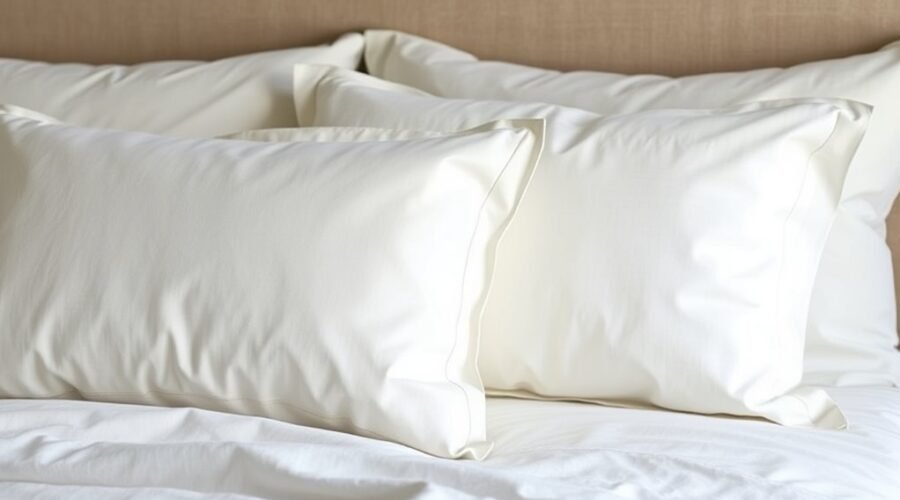
A pillow sham and a pillowcase both cover pillows, but they serve different purposes. A sham is mainly a decorative cover used to give a made bed more structure, color, and texture. A pillowcase is designed primarily for the pillow you sleep on, with comfort, cleanliness, and easy laundering taking priority.
Quick Answer
A pillow sham is primarily a decorative pillow cover, often with a finished border and a hidden or overlapping closure. A pillowcase is intended mainly for sleeping and everyday pillow protection. You can sleep on some shams, but a soft, easy-to-wash pillowcase is usually the better choice for nightly use.
Key Takeaways
- A pillow sham is mainly decorative, while a pillowcase is designed primarily for sleeping and everyday pillow protection.
- Shams often use an overlapping back, zipper, ties, or buttons; traditional pillowcases commonly have an open end, although envelope and zippered styles also exist.
- Common U.S. sham sizes include Standard at about 20 × 26 inches, King at about 20 × 36 inches, and Euro at about 26 × 26 inches.
- Regularly used pillowcases are commonly washed about weekly, while decorative shams may need laundering less often if they are removed before sleep.
- Always follow the specific care instructions for the fabric and construction rather than assuming every sham or pillowcase can be washed and dried the same way.
What Is a Pillow Sham?
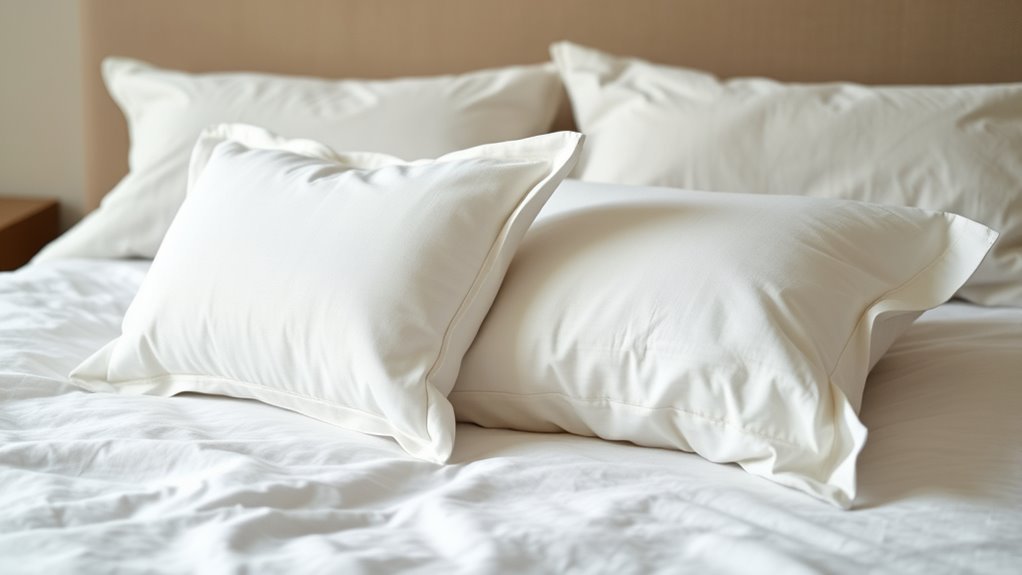
A pillow sham is a decorative pillow cover used to give a bed a more finished look. Unlike a basic sleeping pillowcase, a sham may include a flange, piping, quilting, embroidery, ruffles, or another decorative edge.
Many shams have an opening on the back so the front stays uninterrupted. An overlapping envelope-style back is common, but manufacturers also use zippers, ties, buttons, and other closures. That means the closure is a useful clue, not an absolute definition.
Shams are commonly sold in sizes that match standard bed-pillow inserts. Standard, King, and Euro shams are especially common in the U.S. A Queen sham around 20 × 30 inches is also available from some brands, although many bedding collections use a Standard sham for both full and queen beds.
| Common Sham Size | Approximate Dimensions | Typical Use |
|---|---|---|
| Standard | 20 × 26 in. | Standard rectangular pillow insert |
| Queen | About 20 × 30 in. where offered | Queen pillow insert |
| King | 20 × 36 in. | King pillow insert |
| Euro | 26 × 26 in. | Square decorative insert |
Note: Bedding dimensions are not perfectly standardized across every manufacturer. Check the finished measurements of both the sham and the pillow insert before ordering.
On a made bed, shams can sit behind or in front of sleeping pillows depending on the look you want. Euro shams are often placed upright against the headboard, while rectangular Standard or King shams can form another decorative layer.
Shams and pillow inserts are also frequently sold separately, so a product listing for a “sham” does not necessarily include the pillow inside it.
Pro Tip: Measure the actual pillow insert instead of relying only on its size name. A properly fitted insert fills the corners of the sham without badly distorting the seams or decorative border.
What Is a Pillowcase?
A pillowcase is the everyday cover placed around a sleeping pillow. Its main jobs are to provide a comfortable sleep surface, help keep the pillow cleaner, and make routine laundering easier.
Pillowcases come in materials such as cotton, linen, silk, polyester, and lyocell. Percale and sateen are examples of weave types, not separate fibers. The material and weave affect softness, airflow, texture, durability, and care requirements.
A traditional pillowcase has an opening at one short end so the pillow can slide inside quickly. Other designs use an internal envelope flap, zipper, or buttons to help keep the pillow in place.
The simplest distinction is practical: a pillowcase is normally chosen for sleeping comfort and frequent laundering, while a sham is normally chosen for how the made bed looks.
Common sleeping-pillow dimensions in the U.S. are about 20 × 26 inches for Standard, 20 × 30 inches for Queen, and 20 × 36 inches for King. Always compare those measurements with the dimensions listed for the pillowcase because finished sizes can vary by brand.
Because a sleeping pillowcase comes into regular contact with skin, hair, sweat, and body oils, laundering it about once a week is a practical routine for many households. Wash more frequently when needed because of heavy sweating, illness, allergies, pets, or visible soiling.
Pillow Sham vs Pillowcase: Key Differences
A pillow sham and a pillowcase may be similar in size, but their design priorities are different. The sham emphasizes appearance; the pillowcase emphasizes comfortable nightly use and convenient cleaning.
| Feature | Pillow Sham | Pillowcase |
|---|---|---|
| Main purpose | Decorating and styling the bed | Sleeping comfort and everyday pillow coverage |
| Typical opening | Often an overlapping back, zipper, ties, or buttons | Often an open end or envelope flap; zipper styles also exist |
| Edges | May have flange, piping, quilting, embroidery, or ruffles | Usually simpler to keep the sleep surface comfortable |
| Nightly use | Possible, but not its primary purpose | Designed for regular sleeping |
| Washing frequency | Usually less often if used only for display | Often about weekly for regularly used cases |
You do not have to choose one instead of the other. Many beds use both: pillowcases cover the pillows used for sleep, while shams cover separate inserts used for daytime styling.
Can You Sleep on a Pillow Sham?
Yes, you can sleep on a pillow sham if its fabric, seams, closure, and decorative details feel comfortable. A simple cotton sham may feel much like a conventional pillowcase.
However, sleeping on a sham is not always ideal. Flanges, embroidery, quilting, piping, buttons, textured fabrics, or hidden closures can create pressure or friction against your face. Decorative materials may also require more careful laundering than an everyday cotton pillowcase.
If you regularly sleep on a sham, wash it on a schedule appropriate for a sleep surface and follow its care instructions. If the sham is delicate or highly embellished, using it only for display will generally make care easier and help preserve its appearance.
For most beds, the simplest routine is to move decorative shams aside at night and sleep on pillows covered with ordinary pillowcases.
How to Choose Between a Sham and Pillowcase
If your priority is styling, choose a sham that complements your duvet, quilt, coverlet, or headboard. If your priority is nightly comfort and easy laundering, choose a pillowcase made from a material and weave you enjoy sleeping against.
For a bed that needs to do both, use pillowcases on the pillows you sleep on and shams on separate decorative inserts.
Style Vs Sleep Comfort
A pillow sham gives you more freedom to use decorative borders, quilting, embroidery, texture, and heavier fabrics because it does not have to serve as your main sleep surface.
A pillowcase places more emphasis on how the textile feels against your skin. Cotton percale may feel crisp, cotton sateen tends to feel smoother, linen has a textured feel, and silk offers a smooth surface but may require more careful care.
Neither design is automatically better. Choose according to what the pillow is supposed to do.
Use Both For Balance
Using shams and pillowcases together gives a bed both decorative depth and practical sleeping pillows.
For a simpler arrangement, place one or two shams behind the pillows you sleep on. For a more layered look, place Euro shams against the headboard, add rectangular shams in front, and keep your sleeping pillows accessible.
You can match the shams to your duvet or quilt for a coordinated appearance, or use a contrasting color or texture to make them an accent. The important point is to keep decorative pillows easy to remove when it is time to sleep.
How to Care for Shams and Pillowcases
Care depends on the fiber, weave, dyes, decorative details, and construction. Do not assume that two cotton shams or two pillowcases have identical wash instructions.
Check the product’s care instructions before washing, drying, bleaching, ironing, or treating stains. Some current cotton shams are machine-washable in cold water, while others specify warm water; many permit low tumble drying and non-chlorine bleach when needed, but that is not universal.
Washing Fabric Types
Sort bedding by color and by care requirements. Pretreat stains only with products that are suitable for the textile, and use the washer cycle and water temperature specified for the item.
Many cotton and cotton-blend pillowcases tolerate normal machine washing, while embellished shams and delicate materials may require a gentler cycle, hand washing, or other special treatment. Silk products can vary considerably, so their manufacturer’s instructions are particularly important.
For frequently used pillowcases, washing about weekly is a useful general routine. Wash sooner if they are visibly soiled or exposed to heavy sweat, skin or hair products, illness, or other contaminants.
If you use a separate pillow protector, it goes between the pillow and the pillowcase. A protector adds another barrier against oils, moisture, dust, and stains, but it does not eliminate the need to wash the outer pillowcase.
Drying And Storage
Drying instructions should also follow the individual textile. Some shams and pillowcases can be tumble-dried on low heat, while other items may need line drying, flat drying, or another method.
| Item | Drying Guidance | Storage |
|---|---|---|
| Pillow shams | Follow the sham’s care instructions; protect decorative trim and shape | Clean, dry shelf or breathable storage |
| Pillowcases | Use the dryer or air-drying method permitted for the fabric | Clean, cool, dry shelf or linen closet |
| Both | Dry completely before storing | Keep away from persistent moisture and dirt |
Do not use chlorine bleach, high heat, or another aggressive treatment unless the care instructions allow it. Harsh treatment can fade dyes, shrink fabric, weaken fibers, or damage decorative stitching.
Stain And Odor Care
Treat stains as soon as practical because fresh stains are often easier to remove than set-in ones. Blot rather than aggressively rubbing delicate fabrics, and confirm that any stain remover is appropriate for the material.
Regular laundering helps remove body oils, sweat, skin products, and everyday soil from sleeping pillowcases. Decorative shams used only during the day usually need less frequent laundering unless they become dusty, stained, or soiled.
Allow bedding to dry completely before placing it back on the bed or into storage. Storing damp textiles can produce unwanted odors and create conditions that favor mildew.
Frequently Asked Questions
Can a pillow sham be used as a pillowcase?
Yes. You can sleep on a pillow sham if it is comfortable and washable enough for regular use. However, shams are primarily decorative, and flanges, embroidery, quilting, buttons, or textured fabric may make them less comfortable than an everyday pillowcase.
Is a pillow sham just a pillowcase?
Not exactly. Both are removable pillow covers, but a sham is designed mainly for decoration and often includes a finished border or concealed closure. A pillowcase is primarily intended for the pillow you sleep on and is generally designed for comfort and frequent washing.
Do you put regular pillows in pillow shams?
Yes. Match the pillow insert to the sham’s finished dimensions. A Standard sham commonly fits a 20 × 26-inch insert, a King sham fits about 20 × 36 inches, and a Euro sham fits a 26 × 26-inch square insert. Check the manufacturer’s measurements because sizing can vary.
What is the point of a sham pillow?
A sham-covered pillow adds color, texture, shape, and height to a made bed. It can also provide support when sitting against a headboard. Its main purpose, however, is decorative rather than serving as the pillow you sleep on every night.
What size pillow goes inside a sham?
Use an insert that matches the sham’s listed dimensions. Common U.S. sizes are approximately 20 × 26 inches for Standard, 20 × 36 inches for King, and 26 × 26 inches for Euro. Some manufacturers also offer Queen shams around 20 × 30 inches.
Do pillow shams come with pillow inserts?
Often they do not. Many bedding companies sell the decorative sham and its pillow insert separately. Check the product description for wording such as “sham only,” “insert sold separately,” or “pillow included” before buying.
Do you need pillow shams on a bed?
No. Pillow shams are optional decorative bedding. Use them if you like a layered or coordinated bed, and skip them if you prefer fewer pillows or a simpler setup.
Conclusion
The main difference between a pillow sham and a pillowcase is purpose. A sham is primarily a decorative cover that helps style a made bed, while a pillowcase is primarily designed for comfortable, practical nightly use. Shams can be slept on when their fabric and construction are comfortable, but they are not required bedding. Using both lets you keep your sleeping pillows simple and easy to wash while adding decorative layers when you want them.
Sources
- Sleep Foundation, “What Is a Bed Sham?” — sham purpose, closures, common sizing, and sleeping use.
- Sleep Foundation, “Pillow Sizes & Dimensions” — common U.S. Standard, Queen, King, and Euro pillow dimensions.
- American Cleaning Institute, “Laundry Basics” and allergy/asthma cleaning guidance — laundering practices and bedding-cleaning considerations.
- The Company Store bedding specifications — current examples of Standard, King, and Euro sham dimensions, overlapping back closures, and manufacturer-specific care instructions.
- Pottery Barn bedding specifications — current examples showing that sham closures and laundering instructions vary by product.