
A reusable all-season wreath base gives you one sturdy foundation that can be refreshed for spring, summer, fall, holidays, weddings, or everyday decor without rebuilding the wreath each time. Grapevine is especially useful because stems, wire, ribbon, and other lightweight decorations can be worked into the gaps while the natural texture still looks finished when some of the base remains visible.
Quick Answer
For a reusable all-season wreath base, choose a sturdy grapevine ring or flexible grapevine coil, reinforce loose sections with floral wire, and favor removable stems, ribbon, or light wire ties over permanent glue whenever possible. Keep the finished wreath dry, store it supported, and use sheltered outdoor locations unless every component is rated for weather exposure.
Affiliate disclosure: As an Amazon Associate I earn from qualifying purchases. This article contains affiliate links, which means we may earn a commission if you buy through a qualifying link at no extra cost to you.
Key Takeaways
- A ready-made grapevine ring is the simplest choice; loose grapevine coils give you more control over diameter, fullness, and shape.
- Dried vine can become brittle. If necessary, soak it for a few hours and test it periodically until it bends without excessive cracking.
- For frequent seasonal changes, tuck sturdy faux stems into the vine or use discreet wire ties instead of permanently gluing every decoration.
- Natural grapevine is best kept indoors or in a protected outdoor location unless the entire finished wreath is designed for weather exposure.
- Store the bare base dry and supported so it keeps its shape between seasonal updates.
Top Picks
|
Category |
Product |
Editorial Score |
|---|---|---|
|
🏆 Best Ready-Made Base |
78/100 |
|
|
💰 Best Value Pack |
81/100 |
|
|
⭐ Best Quality in This Comparison |
86/100 |
How the scores work: These are editorial comparison scores based on material, shaping flexibility, usable quantity, setup effort, reusability, and value within this three-product group. They are not laboratory-test scores. Prices, availability, review counts, and listing specifications can change, so check the live product page before ordering.
Selection Criteria
You want a wreath base that is easy to work with, durable enough for repeated decorating, and appropriate for the weight of the decorations you plan to add. The most important factors are material and condition: fresh or rehydrated vine bends more easily, while very dry vine may crack if forced.
Flexibility and ease of shaping matter when you are creating an oval, asymmetrical wreath, layered ring, garland, or custom silhouette. Length and quantity matter more with loose coils because fuller bases require overlapping and weaving multiple passes.
Value should be judged by usable material, construction quality, and how many projects you can realistically make—not price alone. Review feedback about brittleness, inconsistent thickness, handling, and attachment methods is useful, but ratings and review counts change over time and should be treated as a current-shopping check rather than a permanent specification.
At a Glance
| Time Required | About 30–60 minutes of hands-on work for a simple base; conditioning or drying time can add several hours. |
| Difficulty | Beginner to intermediate |
| Tools Needed | Gloves, wire cutters or pruners, floral/paper-covered wire or twine, and optional hot-glue gun for permanent light accents |
| Cost | Commonly about $15–$35 for a basic purchased vine base plus fastening supplies, before decorative stems; current product prices vary. |
Choose the Right Type of All-Season Wreath Base
A ready-made grapevine ring is easiest when you want to begin decorating immediately. It already has a defined diameter and usually provides many gaps where stems and wire can be tucked.
Loose grapevine garland or coils require more preparation, but they give you more control over thickness, diameter, and shape. They are useful for oval wreaths, layered bases, swags, rail decor, and projects where a standard circular ring is too limiting.
A structural hoop wrapped with grapevine is another option when you want a particularly stable reusable frame. A metal, bamboo, or embroidery hoop can provide the structural circle while the vine supplies the natural texture and attachment points.
Warning: Natural grapevine can have sharp twig ends and splinters. Wear gloves while trimming and shaping, point wire ends inward, use cutters only for their intended material, and follow the manufacturer’s safety directions when using hot glue, sprays, lights, or other powered accessories.
The University of Florida IFAS Extension recommends gloves when working with grape vines and notes that green, flexible vines are easier to manipulate than dried, brittle material. The University of Wisconsin Extension grapevine-wreath guide also notes that dried vines can be soaked for a few hours to restore some flexibility.
WINOMO Wreath

The WINOMO option is positioned as the simplest starting point in this comparison for someone who wants less base-building and more decorating. A preformed natural-vine look is convenient for front-door, wall, mantel, wedding, or seasonal projects because you can focus on stems, ribbon, ornaments, or greenery instead of constructing the ring from loose material.
Use a ready-shaped base when you want predictable form and fast setup. For a reusable design, avoid permanently gluing every seasonal element. Instead, tuck sturdy faux stems between vines, use removable ribbon, or secure larger pieces with discreet floral wire that can be clipped later.
What People Say
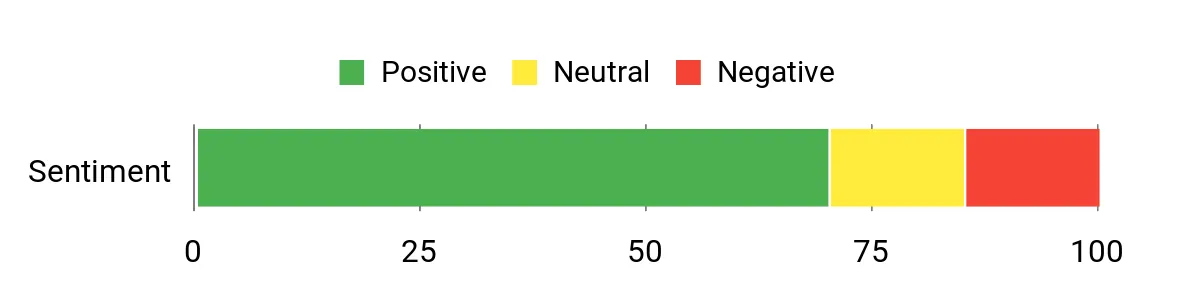
The original review pass summarized buyer feedback as generally positive, with comments emphasizing the natural appearance, lightweight feel, and ease of attaching decorations. It also noted occasional brittleness. Because the live Amazon page could not be independently retrieved reliably during this update, treat that sentiment as a previous review snapshot and check the newest reviews for current consistency, size, and condition.
Overall Sentiment: Generally positive in the original review sample; current review mix may differ.
|
Pros |
Cons |
|---|---|
|
✅ Ready-to-use form can shorten project setup |
❌ Very dry natural vine can be brittle during reshaping |
|
✅ Natural rattan/vine texture suits rustic designs |
❌ A lighter single base may not create the fullness some designs need |
|
✅ Lightweight construction is convenient for hanging |
❌ Natural vine and attached decorations are better protected from prolonged rain and harsh weather |
|
✅ Gaps between vines provide attachment points for stems, wire, and light accents |
Long-Term Cost Benefits
The potential saving comes from keeping the structural base and changing only the decorative layer. Its actual lifespan depends on moisture, handling, storage, and how aggressively decorations are attached or removed, so avoid treating “multi-year” reuse as guaranteed.
Return On Investment
For a craft product, “return on investment” is best understood as practical reuse rather than a financial return. A base can provide better value when you redecorate frequently and use removable stems, ribbon, or wire instead of damaging the structure during each seasonal change.
DIY Guide
Inspect the base first. If the vine is very dry and needs reshaping, condition it gradually rather than forcing it. Reinforce loose crossings with floral or paper-covered wire. Add greenery or moss only if it fits your design, then insert or lightly wire the seasonal focal pieces.
Use hot glue mainly for accents you intend to keep in place. If the purpose is an interchangeable wreath, removable fastening methods make future changes easier and reduce repeated pulling on the vine.
Versatility
This style of wreath base can work for holidays, weddings, casual seasonal decor, and minimalist everyday arrangements. A bow and a few removable stems keep it simple; fuller greenery, faux blooms, berries, or lightweight ornaments can create a denser seasonal look.
Aesthetic Appeal
The natural grapevine texture gives an organic, handmade look that works particularly well with rustic, farmhouse, woodland, and modern-natural decor. Leaving some vine visible can also keep a wreath from looking visually overloaded.
Customization Options
|
Feature |
Customization Level |
|---|---|
|
Trim Compatibility |
High |
|
Shape Molding |
Moderate |
|
Attachment Methods |
High |
|
Coloring / Paint |
Moderate |
Problem Solving
If your priority is avoiding the work of building a ring from loose vine, a ready-made form solves that problem. It can also make it easier to create similarly sized wreaths when you are decorating more than one door or preparing multiple pieces for an event.
Expertise Level
Beginner to Intermediate
Key Benefits
- Ready-made form saves construction time
- Lightweight design is convenient for many doors and walls
- Natural texture provides attachment points for stems and wire
- Suitable for seasonal swaps when removable fastening methods are used
Rating snapshot: The source article previously listed 4.0/5 from 19+ ratings. That live count could not be independently verified during this update, so check the current Amazon listing for the latest rating and review total.
PAIE Garland
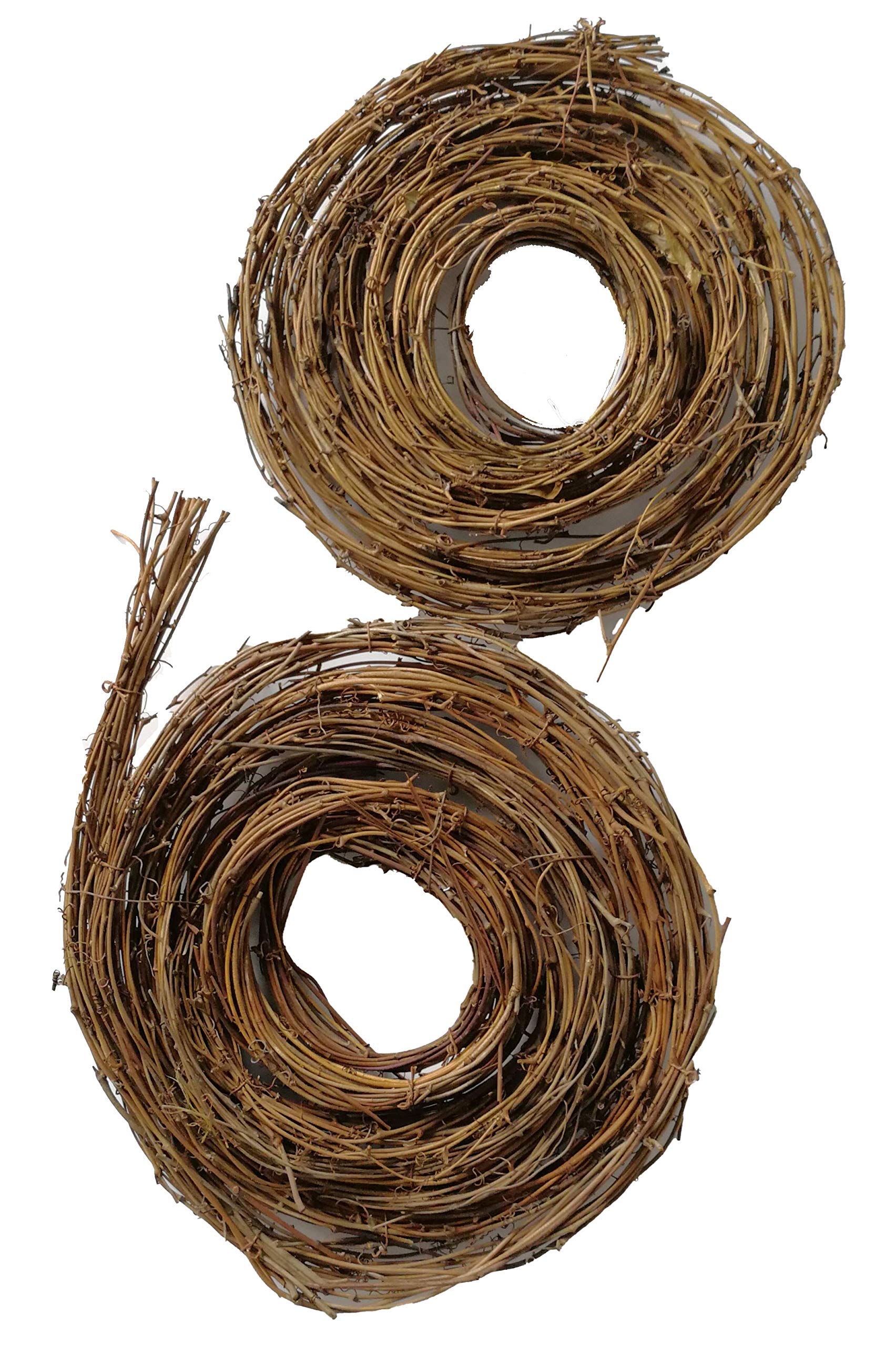
PAIE gives you two coils of natural grapevine for wreath bases, garlands, swags, frames, and other craft projects. Compared with a preformed ring, loose coils require more work but give you more control over diameter, thickness, and silhouette.
Natural vine may feel stiff after storage or shipping. Do not force a tight bend if the twigs are cracking. If conditioning is needed, soak the material, check it periodically, and shape it while pliable. Secure the finished layers with floral wire, paper-covered wire, twine, or additional woven vine.
What People Say
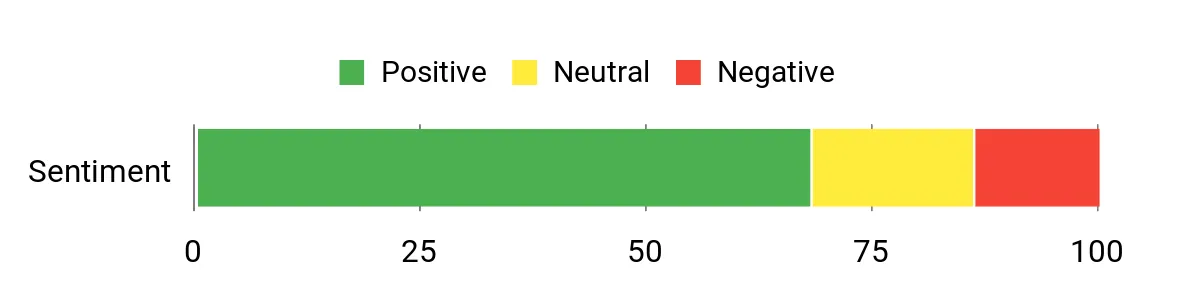
The original review summary described the natural appearance and two-coil quantity as the main positives, while brittleness, uncoiling, and variable fullness were the main drawbacks. The current Amazon review total could not be independently re-verified during this update, so use those observations as historical review themes and check recent reviews for the latest batch consistency.
Overall Sentiment: Generally positive in the original review sample; current sentiment may change.
|
Pros |
Cons |
|---|---|
|
✅ Two coils provide more material for wrapping or multiple pieces |
❌ Dry natural vine may be thin or brittle until conditioned |
|
✅ Authentic grapevine appearance |
❌ Finished fullness depends on how many layers you wrap |
|
✅ Useful for wreaths, swags, garlands, and event decor |
❌ Uncoiling and shaping take more time than using a preformed ring |
|
✅ Wire, twine, tucked stems, and some adhesive methods can be used once positioned |
Long-Term Cost Benefits
Two coils can be useful when you want matching pieces or extra layers without buying multiple preformed frames. Reuse depends on how the vine is shaped, stored, and decorated; removable attachments generally preserve the base better than repeatedly gluing and tearing off embellishments.
Return On Investment
The practical value comes from the amount of material and the range of shapes you can build. If you use the coils for several projects or keep one finished base for repeated seasonal updates, the material can be more versatile than a single-purpose decorated wreath.
DIY Guide
Gently uncoil the material and inspect it for cracked or weak sections. If it is too rigid to form safely, soak it for a few hours and test it periodically. Shape the first length around a hoop, bucket, or other round form if you want a consistent circle, then overlap additional vine to build thickness.
Secure major joins with floral or paper-covered wire. Tuck wire ends inward, weave extra vine around visible joints, and add removable decorative stems after the base has dried in its final shape.
Versatility
Loose coils can be used for wreath rings, door garlands, mantel swags, craft crowns, frames, and asymmetrical arrangements. The main advantage is that you decide how much material goes into the shape rather than accepting the thickness of a preformed ring.
Aesthetic Appeal
The irregular warm-brown vine texture creates a handmade, organic background. Small differences in twig thickness are normal with natural material and can add character, although severe inconsistency can make a symmetrical wreath harder to build.
Customization Options
|
Feature |
Customization Level |
|---|---|
|
Length Combining |
High |
|
Soaking/Molding |
Moderate |
|
Attachment Methods |
High |
|
Layering for Volume |
High |
Problem Solving
If you need more material than a single preformed wreath provides, a two-coil pack gives you room to build a fuller ring, create coordinated pieces, or use leftover vine for a small swag or accent. It also provides a natural-vine look without having to harvest and prepare your own canes.
Expertise Level
Beginner to Intermediate
Key Benefits
- Two-pack provides extra material for layered or multi-piece projects
- Natural grapevine texture suits rustic and organic designs
- Can be formed into custom silhouettes once pliable
- Works for wreaths, garlands, swags, and smaller craft accents
Rating snapshot: The source article previously listed 4.1/5 from 320+ ratings. The current live rating could not be independently verified during this update, so confirm the latest review count on the product page.
Ougual Garland

The current Ougual listing describes two natural-vine pieces, each about 15 feet long. That gives you substantial material for a layered wreath, matching bases, a wreath plus a swag, or other projects where a standard preformed ring would be limiting.
As with other dried natural-vine products, condition the material if it feels too stiff to bend safely. Build the shape in layers, secure loose points with wire, and allow the base to dry fully before adding decorations that could trap moisture.
What People Say
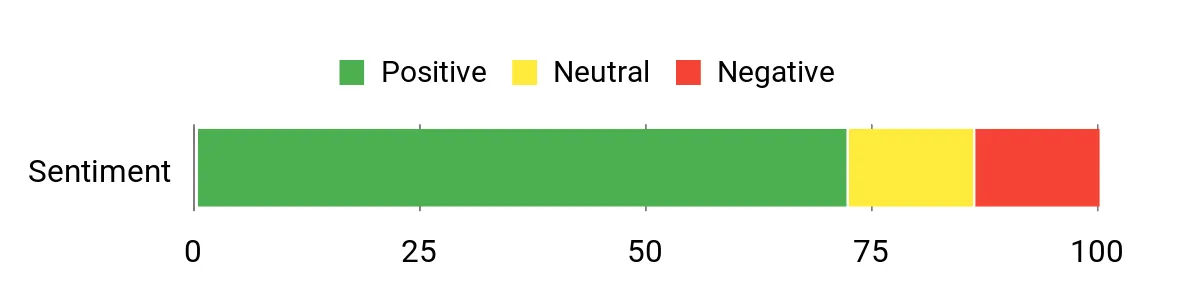
During this September 2026 review, the accessible Amazon listing showed a 4.2/5 rating from 456 ratings. Earlier review themes highlighted the natural appearance, generous quantity, and usefulness for DIY projects, while also noting that natural-vine thickness and condition can vary. Ratings and review totals are dynamic, so the live listing remains the best source for the newest feedback.
Overall Sentiment: Positive at the time of this update.
|
Pros |
Cons |
|---|---|
|
✅ Two approximately 15-foot pieces provide substantial material |
❌ Natural twig thickness can vary |
|
✅ Natural texture works with many decorative styles |
❌ Dry vine may need conditioning before tight shaping |
|
✅ Long coils can be used for wreaths, rails, swags, and layered forms |
❌ Natural material can arrive with variation in condition or fullness |
|
✅ Accepts wire, tucked stems, and permanent adhesive where appropriate |
Long-Term Cost Benefits
The quantity can support multiple pieces or a fuller single base. Long-term savings depend on whether you preserve the vine structure through repeated decorating cycles, keep it dry, and replace only the seasonal accents instead of rebuilding the entire form.
Return On Investment
Its practical value is strongest for people who want enough loose vine for several layouts. Rather than viewing the product as a financial investment, compare its usable length, current price, amount of preparation required, and the number of projects you expect to make.
DIY Guide
Gently uncoil the vines and inspect them. If they are too stiff, condition them with water until they bend more comfortably. Create the basic diameter with one layer, weave additional lengths around that ring, and bind unstable crossings with floral or paper-covered wire.
For a reusable seasonal wreath, allow the structure to dry fully before adding removable stems, ribbon, small ornaments, or faux greenery. Reserve glue for items you want to keep on the base for a long time.
Versatility
The two long coils can be shaped into wreaths, door garlands, mantel swags, craft accents, or layered rings. Loose material also gives you the option to make an asymmetrical or elongated form rather than a standard circle.
Aesthetic Appeal
The warm natural-brown material provides an organic background for muted botanicals, bright holiday accents, dried-look arrangements, and farmhouse designs. Variation is part of the natural appearance, so expect less uniformity than a manufactured wire or foam form.
Customization Options
|
Feature |
Customization Level |
|---|---|
|
Length Combining |
High |
|
Soaking/Molding |
Moderate |
|
Attachment Methods |
High |
|
Layering For Volume |
High |
Problem Solving
If you need long natural-vine lengths or enough material for multiple coordinated decorations, the two-piece format gives you more flexibility than a single fixed-size wreath. It is particularly useful when you want to determine the final diameter and thickness yourself.
Expertise Level
Beginner to Intermediate
Key Benefits
- Two approximately 15-foot pieces provide material for larger or multiple projects
- Natural appearance blends with many decor styles
- Loose construction supports custom shapes and layered thickness
- Can be conditioned when necessary for easier shaping
Rating: 4.2/5 from 456 ratings when checked during this September 2026 update. Ratings and counts can change after publication.
How to Build a Reusable All-Season Wreath Base
1. Inspect and Prepare the Vine
Check the vine for sharp ends, broken sections, loose pieces, mold, or excessive brittleness. Trim unwanted protrusions with pruners or suitable cutters while wearing gloves.
If dried vine cracks instead of bending, soak it for a few hours and check it periodically. The goal is pliability, not saturation for its own sake. Once it bends without excessive cracking, remove it from the water and shape it.
2. Establish the Main Shape
For loose grapevine, form the thickest or strongest length into the first circle. A bucket, bowl, hoop, or other round object can help maintain a consistent diameter while you work. If you want an oval or asymmetrical wreath, establish that silhouette now because later layers will follow it.
The University of Florida IFAS Extension recommends building the structure by weaving vine around itself and tucking the ends into gaps. Mississippi State University Extension similarly describes building grapevine wreaths in multiple layers and lacing additional vine around the rings to secure the structure.
3. Build Thickness in Layers
Add more vine around the first ring, alternating where the joins occur so one side does not become bulky. Pass longer pieces inside and outside the ring, then tuck the ends into the vine network. Stop when the wreath has the fullness you want.
4. Reinforce Loose Areas
If dry vine has opened up or a crossing feels unstable, bind that point with floral or paper-covered wire. Mississippi State Extension specifically recommends paper-covered wire for stabilizing loose dried canes. Twist the wire securely, trim excess, and turn sharp ends toward the interior of the wreath.
Pro Tip: If you want the base to change with the seasons, do not glue every flower or pick permanently. Leave sturdy faux stems several inches long and slide them into the grapevine network, or secure larger clusters with removable wire. Seasonal changeovers become much faster.
5. Let the Base Dry and Set
After wet conditioning or shaping, let the wreath dry completely in the desired form with good air circulation. Do not pack a damp grapevine base into a storage bin, since trapped moisture can encourage staining, odor, or biological growth.
6. Add a Hanger
Create a hanging loop from sturdy twine, ribbon, or wire and attach it around a structurally strong section of the base. Test the bare wreath first, then test it again after decorating because the final balance can change once heavier embellishments are added.
7. Add Removable Seasonal Decorations
Start with the largest greenery or focal pieces, then add medium and small accents. Insert stems at an angle so they travel through multiple vine layers. Use wire for heavier pieces. Hot glue is useful for permanent small accents, but it makes seasonal removal harder and can pull bark or smaller twigs away when you redecorate.
8. Check Balance Before Hanging
Hold the completed wreath by its hanger and see whether one side drops. If it does, move a heavy cluster closer to the center, redistribute decorations, or adjust the hanger. Also check the back for wire ends or twig tips that could scratch a painted door.
How to Make Seasonal Swaps Easier
Keep the permanent layer neutral. Natural vine, simple greenery, or a restrained moss layer can remain year-round while flowers, ribbon, berries, ornaments, signs, and other focal pieces change.
When you remove a seasonal element, clip wire instead of pulling aggressively through dry vines. Save reusable stems by season in labeled bags or shallow bins. Keeping each seasonal group together makes the next changeover much faster.
Note: “Outdoor wreath” can mean very different conditions. A covered porch is far less demanding than an exposed door receiving rain, strong sun, snow, or repeated freeze-thaw cycles. Unless the vine, finish, adhesive, ribbon, lights, and decorative stems are all suitable for those conditions, use the wreath in a protected location.
Storage and Troubleshooting
Base Looks Lopsided
Set the wreath flat, identify the high or heavy area, and gently reshape it. With a loose-vine base, add or remove a small amount of material on the opposite side rather than forcing one dry section into a sharp bend.
Vines Keep Coming Loose
Weave long ends through several layers rather than securing only one crossing. Reinforce unstable points with paper-covered or floral wire, keeping the tie firm without crushing the entire bundle.
Decorations Slide Out
Use longer, sturdier stems and insert them diagonally through more than one vine layer. For heavy pieces, add wire rather than relying on friction alone.
Wire Is Visible
Use brown, green, or paper-covered wire close to the vine color, position ties on the back or underside, and cover structural ties with a small piece of greenery when necessary.
A Vine Snaps
Do not keep bending the broken section. Trim a dangerous projecting end if needed, overlap the damaged area with a fresh vine segment, and bind the repair at two or more nearby points.
How to Store the Base
Remove damp or perishable decorations first. Let the base dry completely, then store it in a cool, dry place where it will not be crushed. A wreath box, shallow lidded container, or supported wall hook works better than stacking heavy items on top of the vine.
Frequently Asked Questions
How do I soften brittle vine material?
If dried grapevine is too rigid to shape, soak it in water for a few hours and test it periodically rather than forcing a sharp bend. Once it becomes flexible enough to work, remove it from the water, shape it, and let it dry completely in the desired form. Thickness, age, and dryness affect how quickly the vine responds.
What should I look for when choosing a wreath base?
Start with material condition, thickness, form, and usable quantity. A ready-made ring saves time, while loose coils provide more control over diameter and fullness. Consider how much weight the base must support, whether you want repeated seasonal changes, and whether the wreath will be indoors or in a protected outdoor location.
How do I secure decorations so they stay put?
Insert sturdy stems diagonally through several vine layers and use floral wire for heavier structural pieces. Hot glue works for small permanent accents, but removable wire or tucked stems are usually better for an interchangeable seasonal wreath. Test the finished wreath while hanging to make sure nothing shifts.
Can I reuse the same grapevine wreath base every season?
Yes, provided the vine remains structurally sound. Reusability improves when you use removable decorations, avoid repeatedly tearing glued pieces away, keep the base dry, repair loose areas with wire, and store it without crushing the ring.
Can a grapevine wreath stay outside?
A natural-vine wreath is safer in a covered or otherwise protected location unless every part of the finished design is suitable for prolonged outdoor exposure. Rain, direct sun, snow, humidity, adhesives, ribbons, lights, and artificial stems can all affect longevity differently.
Should I use glue or floral wire for an interchangeable wreath?
Use floral wire, tucked stems, ribbon, or other removable methods for decorations you expect to change. Reserve glue for permanent elements or very light details. This reduces damage to the vine and makes seasonal updates faster.
Customer Preferences
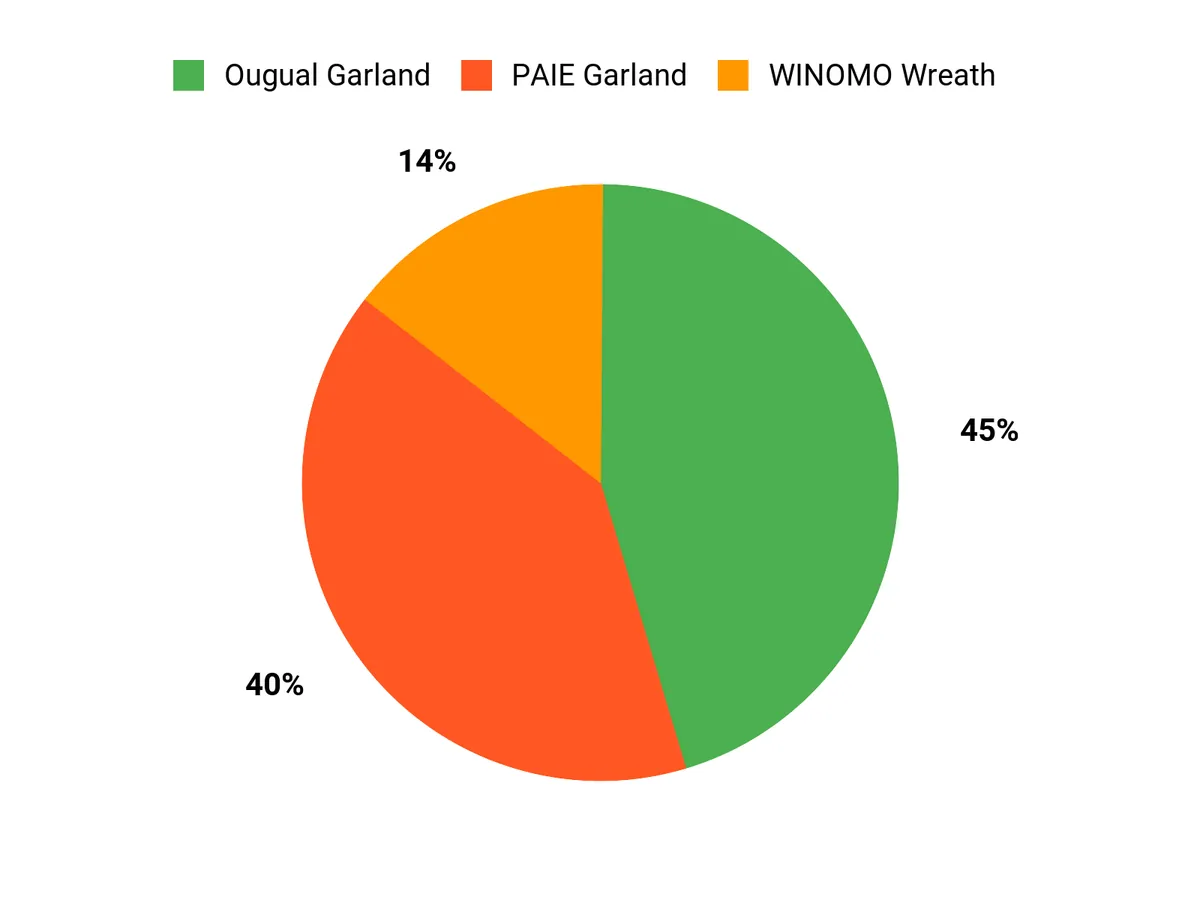
When choosing among WINOMO, PAIE, and Ougual, start with the amount of construction you want to do. WINOMO is the easiest fit in this comparison when you prefer a ready-shaped starting point. PAIE makes more sense when you want loose natural-vine material and are willing to spend time shaping it. Ougual provides two approximately 15-foot pieces and is the strongest fit here when usable length and custom shaping are priorities.
Do not choose on editorial score alone. Check the live listing for current dimensions, package quantity, price, availability, and recent reviews, especially because natural vine can vary from batch to batch.
Wrapping Up
A reusable all-season wreath works best when the structural layer remains simple and the seasonal layer stays easy to remove. Choose the WINOMO Wreath when you want a ready-shaped starting point with less construction. Choose PAIE when you want loose vine for custom shapes or multiple wraps. Choose Ougual when two long vine pieces and flexible project sizing are more important than a ready-made ring.
Whatever base you choose, inspect natural vine before bending it, condition brittle material rather than forcing it, secure loose structural areas with wire, and favor removable decorations when you plan to change the design often. Keep the wreath dry, use a sheltered outdoor location unless all components are weather-suitable, and store the base supported so it is ready for the next season.
| WINOMO Natural Grapevine Wreaths | Xmas Arts& Crafts 15 Feet Grapevine Twig Garland (Two Pack) | DIY Crafts Natural Grapevine Twig Garland Wreaths Decor | |
|---|---|---|---|
|
|
|
|
|
| Rating | Previous source snapshot: 4.0/5 (19+); check current listing | Previous source snapshot: 4.1/5 (320+); check current listing | 4.2/5 (456 ratings when checked in Sep. 2026) |
| Material | Rattan / natural-vine construction as listed in the source article | Grapevine | Natural grapevine |
| Item Length | Source article listed 460.00 cm / 180.78 inches; verify the current listing/variant before ordering | Source article listed 180 inches / 457.2 cm; verify current listing | Approximately 15 feet per piece; two pieces in the current listing |
| Shape | Round / preformed presentation in the source article | Loose garland / custom shaping | Loose garland / custom shaping |
| Shop Now | Shop Now | Shop Now |
This Roundup is reader-supported. When you click through links we may earn a referral commission on qualifying purchases. As an Amazon Associate I earn from qualifying purchases.
Sources
- University of Florida IFAS Extension — Grape Vine Wreath Tutorial — vine selection, safe handling, weaving, trimming, and shaping.
- Mississippi State University Extension — Silk Floral Wreath on Grapevine Base — layered grapevine construction, reinforcement with paper-covered wire, and floral attachment methods.
- University of Wisconsin Extension — Grapevine Wreaths — weaving grapevine and soaking dried vines to restore flexibility.
- Federal Trade Commission — Endorsement Guides FAQ — clear and conspicuous affiliate and material-connection disclosures.
- Amazon Associates Program Operating Agreement — Amazon Associate identification and affiliate-program requirements.