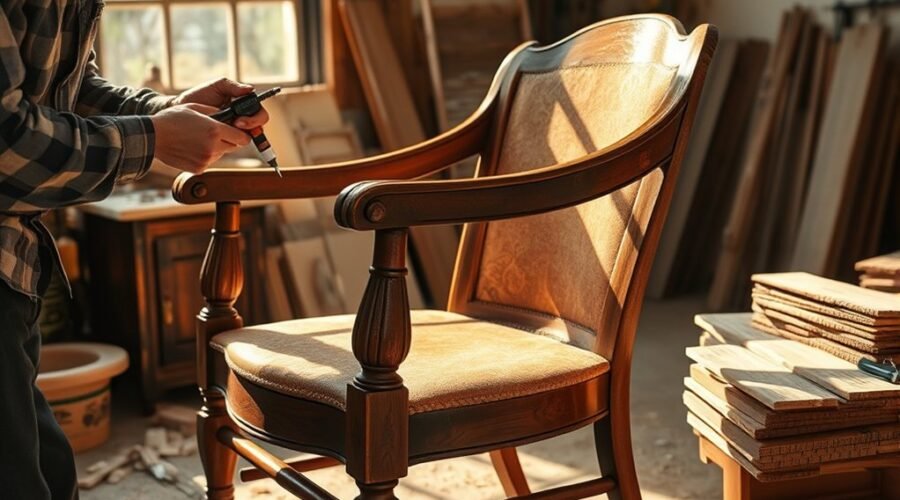
Furniture is worth repairing when the damage is minor, the frame is solid, and the piece is well made. Wobbly joints, clean breaks, sagging cushions, or worn finishes often can be fixed without replacing the whole item. Repair usually makes sense when the cost stays under half of a new replacement, especially for solid wood, quality upholstery, or sentimental pieces. Careful inspection can reveal whether a small fix will restore years of use.
Signs Your Furniture Is Worth Repairing
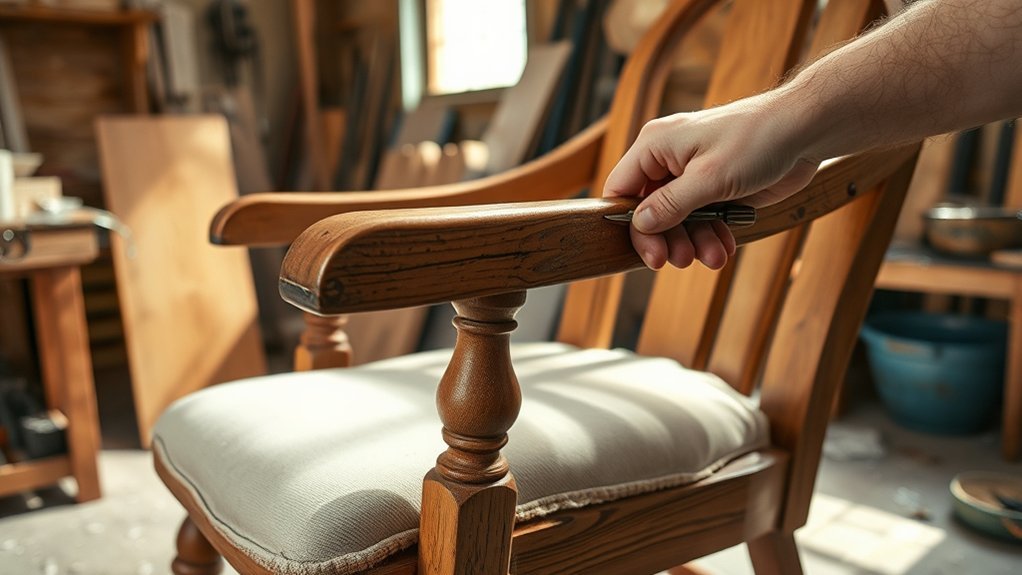
Furniture is often worth repairing when the damage is limited to minor structural issues, such as wobbly joints or clean breaks that can be reglued, rather than widespread failure.
On solid wood furniture, these signs of wear often indicate a durable frame that can serve for many more years with careful restoration. Quality craftsmanship also matters: well-made pieces usually justify repair costs when compared with buying an inferior replacement.
Solid wood furniture with minor wear often rewards repair, especially when craftsmanship outlasts cheaper replacements.
A practical threshold is cost; if fixing the item is less than half the price of a new one, repair is usually the wiser choice. Sentimental value may further tip the balance, especially when a piece carries family history or personal memory.
Repairing also keeps usable furniture out of landfills, supporting a more responsible, less wasteful approach to ownership. When structure, material, and value align, preservation becomes both economical and liberating.
The Sofa Sag Test: What It Really Means
A simple sofa sag test can reveal more than a soft cushion: sitting in the usual spot and feeling the frame through the padding often points to support failure. When the seat no longer springs back within a few seconds, sagging cushions are signaling lost resilience and possible internal breakdown.
If rising from the sofa feels awkward or effortful, deeper furniture problems may be present beneath the fabric. Flipping cushions can briefly improve appearance, yet this measure usually only delays the truth about worn construction.
For a well-made sofa, service life often runs eight to fifteen years, so timing matters. A careful sag test helps a household decide whether repair is sensible or replacement is wiser. By checking support early, one can extend the life of a valued piece, preserve comfort, and avoid surrendering usable furniture too soon.
When Worn Case Goods Need Repair
Sticking doors and drawers often signal warped alignment, failing joints, or internal frame shift rather than a need for full replacement.
Sagging shelves and racked frames can frequently be corrected through joint repair, hardware replacement, or careful realignment, especially in well-built case goods.
A practical inspection helps determine whether timely repair will preserve useful furniture at lower cost.
Sticking Doors And Drawers
Doors and drawers that drag, bind, or fail to close smoothly often signal simple wear rather than the need for replacement. In many cases, sticking doors and drawers result from misalignment or humidity swelling, both of which invite practical repair options.
Cleaning tracks, lubricating slides, and adjusting hinges can restore movement with minimal disruption. If edges have swollen, careful sanding may help; if hardware is worn, replacement parts are usually inexpensive.
Inspecting joints for looseness and tightening screws or reglueing minor separations can bring back function. For well-built case goods, these repairs support long service life, often 15 to 25 years, and preserve pieces with sentimental value.
For anyone seeking a freer, less wasteful path, furniture is worth saving when skillful maintenance solves sticking doors and drawers.
Sagging Shelves And Frames
Sagging shelves and skewed frames in case goods usually point to joint failure or internal shifting rather than total structural loss. In many cases, repairing old furniture is enough to restore function and dignity.
A technician may reglue loose joints, add support brackets, tighten screws, or realign doors and drawers that no longer seat properly. Well-made pieces often serve 15 to 25 years, so sagging shelves do not automatically justify replacement.
Preservation-minded care favors inspection before disposal, especially when repair costs stay below half the price of new goods.
- Check for frame twist
- Inspect shelf support points
- Watch for sticking drawers
- Test door alignment
- Schedule regular maintenance
Repair Or Replace: The 50% Rule
The 50% rule offers a practical benchmark: if repair costs rise above half the price of comparable new furniture, replacement often becomes the more economical choice.
It allows a direct comparison between the cost of restoring an item and its replacement value, especially when lower-grade pieces show repeated wear.
Even so, well-made furniture with sentimental or durable value may still justify repair when preservation outweighs strict cost calculations.
Half-Cost Repair Rule
When does a repair stop making financial sense? The Half-Cost Repair Rule says that if the cost of repairs rises above 50% of replacement cost, replacing often becomes the prudent choice.
This practical test of time supports owners seeking freedom from waste while preserving useful pieces instead of replacing them blindly. It also asks them to weigh future upkeep, not just the immediate invoice.
For sturdy, high-quality furniture with sentimental value, repairs may still be justified near the threshold. Regular maintenance can delay major work and protect longevity.
- Compare repair cost to half the replacement cost.
- Consider long-term use and likely future repairs.
- Preserve well-built pieces with lasting value.
- Maintain furniture to reduce avoidable damage.
- Choose the option that best serves practical independence.
Compare Replacement Value
Replacement value provides the baseline for deciding whether furniture repair is worthwhile. Under the 50% rule, repair costs above half of replacement value often signal that replacement is the more practical choice. A sofa worth $1,000 to replace, for instance, may not justify more than $500 in repairs.
This comparison helps owners assess lower-grade pieces that may not endure well in the long term. Yet the calculation is not purely mechanical. Well-made furniture, with strong construction or sentimental weight, can merit repair even when costs approach replacement value.
Careful maintenance and prompt fixes can preserve function, reduce waste, and support a more liberated approach to ownership, where decisions favor durability, stewardship, and informed use rather than automatic disposal.
When Repair Costs More
A common rule of thumb holds that once repair costs rise above half the price of replacing a piece, replacement usually becomes the more economical choice. This fifty percent guideline helps weigh immediate expense against long-term benefit, especially when deciding whether to keep furniture instead of buying anew.
For well-made pieces with sentimental value, repairs can still be justified near the threshold, because craftsmanship and memory may outlast the bill. Lower-grade or mismatched items usually do not merit major restoration when repair costs keep climbing.
Frequent inspection and timely maintenance reduce the chance of reaching that limit, preserving useful pieces and supporting thoughtful, independent ownership.
- Compare repair costs to replacement value.
- Favor durable construction.
- Protect sentimental value.
- Replace low-quality furniture instead.
- Maintain pieces early.
Which Furniture Materials Are Worth Repairing
Solid wood furniture is often the most practical candidate for repair, since scratches, loose joints, and other minor defects can usually be fixed without compromising durability or value.
For households seeking lasting usefulness over disposability, solid wood furniture merits careful maintenance because it can serve for decades.
High-quality upholstered pieces are also worth attention when the frame is sturdy and the workmanship is sound; reupholstering can renew comfort and appearance without discarding a well-made structure.
Metal furniture, especially well-built items, can frequently be saved through refinishing, repainting, or rust treatment, allowing function to continue with minimal waste.
Leather furniture may respond well to cleaning, conditioning, and patching, restoring both feel and look.
Antique pieces deserve particular respect, since craftsmanship, materials, and historical significance often make professional restoration a prudent investment.
In each case, repair supports autonomy from replacement culture and preserves value.
When Cosmetic Damage Hides Bigger Problems
Cosmetic blemishes on furniture often deserve closer scrutiny than they first appear to warrant, because water rings, swelling, loose chair legs, or scattered scratches can signal deeper structural trouble beneath the surface. A detached inspection helps reveal whether cosmetic damage is only superficial or whether structural issues are advancing inside joints, panels, or frames.
Minor marks may hide frame shifting or failing glue, and waiting can allow deterioration to spread.
- Check for wobble, creaking, or uneven alignment.
- Inspect joints for movement or separation.
- Look beneath finish damage for swelling or soft spots.
- Compare surface wear with the piece’s overall stability.
- Choose repairs, such as refinishing or tightening, when integrity remains sound.
Regular maintenance and prompt assessment support informed choices, helping preserve useful furniture and prevent unnecessary replacement.
This practical approach protects freedom from waste, keeps valued pieces in service, and respects resources by addressing problems before cosmetic damage becomes a larger loss.
How Long Furniture Should Last
Furniture rarely reaches the end of its life all at once; instead, its usable lifespan depends on material quality, construction, and how well it is maintained.
Well-made upholstered pieces commonly serve 8 to 15 years, while lower-cost versions may need attention or replacement near 5 years as wear and tear accumulates.
Solid wood items often last much longer, and surface damage usually justifies repair rather than a new one. Quality case goods can remain functional for 15 to 25 years when cared for, though inferior versions may deteriorate in 5 to 8.
Office furniture typically falls within a 7 to 15 year cycle, shaped by use and maintenance.
Regular inspections help match repairs to actual furniture needs, preserve value, and delay unnecessary disposal.
For those who want practical freedom from constant buying, extending service life can be the most sensible choice.
What To Look For In Replacement Furniture
When replacement becomes the better option, the most reliable choice is usually a piece built from solid wood and other high-quality materials, since it is more likely to handle daily use and remain serviceable over time.
New furniture should be judged by durability, repairability, and fit with changing needs, not by appearance alone.
- Prefer solid wood construction and sturdy joinery over flimsy composites.
- Check warranties or guarantees that cover structural failure.
- Choose ergonomic designs, especially for desks and chairs, to support comfort and reduce strain.
- Favor modular pieces that can be reconfigured, expanded, or repaired.
- Look for environmental certifications that signal responsible sourcing and lower impact.
This approach helps preserve resources, reduce waste, and support a freer, more intentional way of living.
Careful selection can keep new furniture useful for years without repeating a cycle of disposal and replacement.
Frequently Asked Questions
How Do I Know if My Furniture Is Worth Restoring?
Restoration is worthwhile when the cost assessment stays below replacement, the material quality is solid, and the frame shows repairable damage rather than rot or collapse.
Sentimental value can also justify preservation, especially for heirlooms or unique pieces.
A careful inspection of joints, finishes, and hardware helps reveal longevity.
When uncertainty remains, a professional restorer can judge whether the furniture can be freed from decline and returned to useful service.
What Are the Benefits of Repairing Items Instead of Replacing Them?
Repairing items instead of replacing them offers clear cost savings, strong sustainability benefits, and protection of sentimental value.
Well-made furniture can often be restored for less than half the replacement cost, extending useful life while reducing landfill waste and resource demand.
It also preserves craftsmanship and family history, keeping meaningful pieces in service.
For those seeking practical freedom from unnecessary consumption, repair supports durability, comfort, and long-term usefulness.
How Often Does the Average Person Replace Their Couch?
The average person replaces a couch every 7 to 15 years, though lower-cost pieces may be swapped closer to 5 years.
Couch lifespan depends on materials, use, and care, while repair costs often determine whether restoration is practical.
Furniture trends also drive earlier replacement for some households.
A preservation-minded approach favors extending service life through repair, allowing people more freedom from constant consumption and disposable home furnishings.
What Are the Common Mistakes to Avoid in Furniture Restoration?
Common mistakes include skipping structural checks, mismatching finishes, and rushing prep.
In one survey, nearly 60% of DIY restorers regretted at least one step, showing how quickly value can slip.
Strong DIY Techniques depend on honest Cost Analysis and careful Material Considerations.
Detached attention to cleaning, patience, and historical integrity protects the piece’s freedom from needless damage, while complex jobs deserve professional guidance rather than improvisation.
Conclusion
A well-made sofa or table often deserves a second life. Industry estimates suggest that repairing furniture can cost 50% less than replacing it, a useful benchmark when deciding what to do next. If the frame is solid, the materials are repairable, and the damage is mostly cosmetic, restoration may be the smarter choice. For pieces with lasting craftsmanship, repair preserves both value and character while reducing waste.