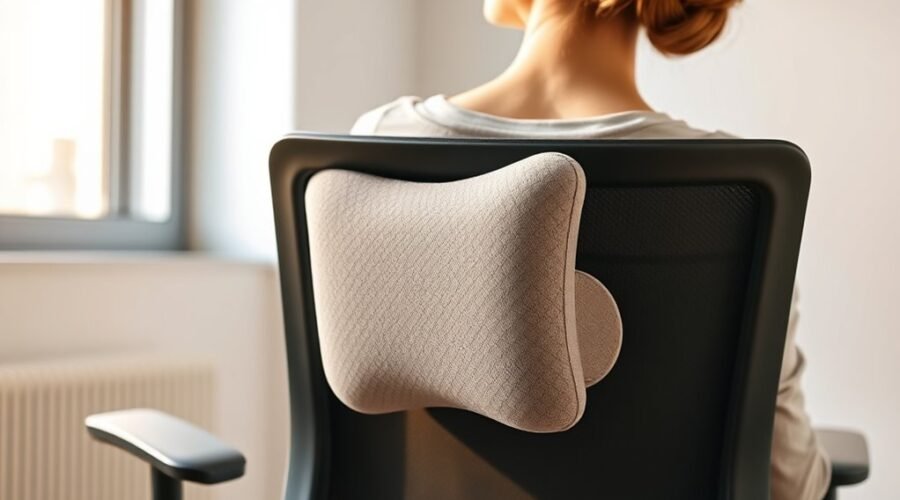
As you settle into a chair, your lower back can feel the quiet pull of gravity. A lumbar pillow gives that area steady support, helps preserve your spine’s natural curve, and can reduce strain from long periods of sitting. You can use it in an office chair, car seat, or recliner, but the right fit and placement matter. Understanding how it works can make the difference between temporary relief and lasting comfort.
Key Takeaways
- Lumbar pillows support the lower back’s natural curve and reduce strain during prolonged sitting.
- They help maintain better posture by keeping the spine aligned and limiting slouching.
- Proper placement is in the small of the back, snug against the chair’s lower backrest.
- Shapes like cylindrical, wedge, and contoured options fit different chairs and support needs.
- Quality materials and medium-firm support improve comfort, pressure relief, and sitting endurance.
What Is a Lumbar Pillow?
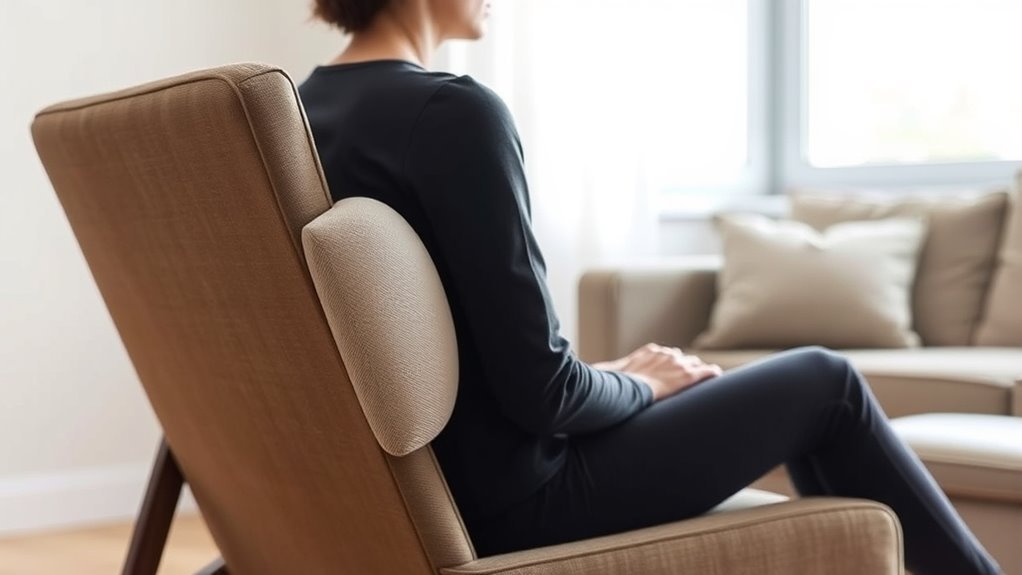
A lumbar pillow, also called a back pillow, is designed to support the lower back and maintain the spine’s natural curve while you sit.
You place a lumbar pillow behind your lower back to help reduce strain on the lumbar spine during long periods of sitting. This support can improve posture, lessen discomfort, and help you stay more comfortable at work, while driving, or at home.
Many designs exist, so you can choose a shape that fits your chair and your body. If you often notice back pain after sitting, a lumbar pillow may help you manage that stress more effectively.
Many designs exist, so you can choose a shape that fits your chair and your body.
Regular use can also support better spinal alignment and may lower the risk of muscle fatigue from poor sitting habits.
It’s a simple tool, but it can make sitting feel more stable, supported, and easier on your back.
How Do Lumbar Pillows Support Your Back?
Lumbar pillows support your back by giving your lower spine targeted support that helps preserve its natural curve while you sit. You keep your low back closer to a neutral position, which reduces strain on muscles and spinal discs during prolonged sitting.
By filling the space behind your waist, the pillow helps distribute pressure more evenly across your spine, so you’re less likely to feel localized discomfort or fatigue. It also encourages proper spinal alignment, which can limit slouching and the stress that comes with rounded posture.
When you maintain this supported posture, you may notice better comfort and less tension across your back and midsection. Some ergonomic designs can also ease pressure that interferes with breathing and circulation, supporting your overall sitting tolerance.
Over time, this targeted support can help you stay more comfortable and focused while you work, drive, or rest in a seated position.
What Are Lumbar Pillows Used For?
Used correctly, these pillows help support your lower back during prolonged sitting by maintaining your spine’s natural curve and reducing stress on the lumbar region. You use them to ease pain, improve posture, and reduce fatigue when you sit for a little bit or all day. They also help your body stay more comfortable, which can support focus and productivity.
- Reduce strain on your lumbar spine during desk work
- Encourage an upright sitting position and better alignment
- Support comfort that may aid breathing, circulation, and digestion
For things to keep in mind, make sure you view a lumbar pillow as supportive care, not a cure. Regular use can lessen muscle tension and help you avoid the effects of slouching.
How Do You Use a Lumbar Pillow Correctly?
To use a lumbar pillow correctly, place it at the lower half of your chair so it fits snugly into the small of your back and supports your spine’s natural curve. Sit all the way back, with your hips and buttocks against the backrest, so the pillow can do its job.
This lumbar pillow placement helps you lean into support instead of drifting forward or slouching. Check that the pillow sits at the lumbar region, not too high or too low, because accurate positioning matters for comfort and spinal alignment.
Proper lumbar pillow placement keeps you supported, upright, and aligned—without drifting forward or slouching.
Use these sitting posture tips during long periods of sitting, since steady support can reduce strain and improve posture over time. If the pillow feels unstable, review chair compatibility advice and make sure it stays centered against the backrest.
Consistent use can help ease lower back pain and make prolonged sitting more manageable.
Which Lumbar Pillow Fits Your Seat?
Once you’ve placed a lumbar pillow correctly, the next step is finding one that matches your seat.
Seat compatibility starts with shape: a contoured pillow can target the lower back, while a flatter design may suit broader use. Measure the width and height so it fits your chair types, whether you’re using an office chair, car seat, or couch.
Choose firmness based on how much support you want; firmer models resist collapse, while softer ones add cushioning. Look for ergonomic contours that help keep your spine aligned during long sitting periods.
Also assess materials for breathability and durability, especially if you’ll move it often.
Consider these points:
- Check dimensions against your seat.
- Match firmness to your preference.
- Compare travel options for portability.
What Are the Benefits of Lumbar Pillows?
A lumbar pillow can ease low back pain by supporting your lumbar spine during prolonged sitting.
It also helps you sit with better posture, which reduces stress on your lower back and lowers the risk of strain and fatigue.
With that support, you’ll often feel more comfortable and able to focus longer.
Pain Relief
When you sit for long periods, a lumbar pillow can help relieve low back pain by supporting the natural curve of your lumbar spine and reducing strain on the muscles and discs. Its ergonomic design can also improve spinal alignment and ease daily discomfort.
- It lowers pressure on sore tissues, helping you feel less stiff.
- It supports muscle recovery by limiting repeated strain during sitting.
- It can reduce fatigue, so you stay comfortable longer.
You may also notice better concentration because your back isn’t working as hard to stay supported. By fitting the small of your back, the pillow helps you sit with less effort and more comfort.
Used regularly, it offers a simple, clinical tool for pain relief.
Better Posture
Good lumbar support helps you maintain the spine’s natural curve while you sit, which can improve posture and reduce strain on the lower back.
With an ergonomic design, you encourage spinal alignment instead of slumping, so your torso stays better balanced during long sitting periods. This support reduces compensatory muscle effort, promoting muscle relaxation and lowering fatigue in your back and shoulders.
As your posture improves, you may notice better breathing and circulation because the lumbar spine carries less pressure.
Over time, consistent use can help you avoid the chronic discomfort linked to poor sitting habits and make standing up feel smoother.
Improved Comfort
Beyond better posture, a lumbar pillow can make sitting noticeably more comfortable by supporting the lumbar spine and easing the pressure that builds during long periods of sitting. You’ll feel less lower-back tension, which supports pain prevention and helps limit muscle strain and fatigue.
- It cushions your lower back and reduces discomfort.
- It helps you maintain neutral alignment without constant effort.
- It can improve focus, giving you a productivity boost during work.
With regular use, you may also notice better breathing, circulation, and digestion because the pillow minimizes midsection pressure.
That added support can even contribute to sleep enhancement when you rest after a long day. For extended sitting, an ergonomically designed lumbar pillow helps you stay comfortable while protecting spinal health.
How to Choose the Right Lumbar Pillow
When you choose a lumbar pillow, start with its shape and contour, since it should match the natural curve of your spine and fit your seating position well.
You’ll also want to assess firmness, because the right level of support can improve comfort without feeling too rigid.
Check the material quality as well, since durable fabrics and foams help the pillow maintain support over time.
Shape and Contour
To choose the right lumbar pillow, focus on shape and contour first, since cylindrical, wedge, and contoured designs support the lower back differently in various seating positions. Your pillow shapes should match your support needs and the chair’s curve.
- Cylindrical pillows fill the lumbar gap and suit upright sitting.
- Wedge shapes encourage alignment when you need subtle posture correction.
- Contoured options follow the spine’s curve and offer clear contour benefits for prolonged sitting.
Choose an ergonomic profile that supports the natural lumbar curve without forcing your back.
Check that the size fits your seat, so it stays aligned and doesn’t feel bulky.
When the shape matches your body and chair, you’ll reduce strain and improve sitting comfort during work or travel.
Firmness and Material
Once you’ve matched the pillow’s shape to your chair and posture, firmness and material become the next key factors. You should aim for lumbar pillow firmness that feels supportive without pressing too hard; a medium-firm option often helps maintain spinal alignment and comfort.
Memory foam benefits include contouring to your back’s natural curves, which can improve pressure relief and individualized support during long sitting periods. Choose breathable, resilient fabrics so the pillow stays comfortable and holds its shape over time.
Pay attention to ergonomic design features that preserve the lumbar spine’s natural curve and reduce lower-back stress. If possible, test traditional rolls and contoured models to see which material and feel best fit your seating setup and daily needs.
Frequently Asked Questions
Do Lumbar Pillows Actually Help?
Yes, lumbar pillows can help, especially if you sit for long periods.
Effectiveness studies show they may support your spine’s natural curve, reduce strain, and improve posture. User testimonials often report less discomfort and better focus at work.
You’ll get the best ergonomic benefits when the pillow fits your body and chair correctly. They’re not a cure-all, but they can meaningfully improve comfort, circulation, and daily sitting tolerance.
How Do I Use a Lumbar Support Pillow Correctly?
Place the lumbar pillow in the small of your back, and sit all the way back so it supports your lower spine.
You’ll quickly see whether the theory works: proper alignment usually feels more natural, not forced.
Keep your hips against the backrest, adjust the pillow to preserve your sitting posture, and lean into it gently.
Use it consistently for work or travel comfort to reduce strain and discomfort.
What to Look for in a Lumbar Support Pillow?
Look for ergonomic support that matches your spine’s natural curve. You’ll want the right firmness, so it supports you without feeling hard.
Compare pillow shapes, like rolls or rectangular options, to fit your seat and posture needs. Check material types for breathability and durability, and verify size dimensions so the pillow isn’t too bulky or too small.
A well-fitted lumbar pillow can improve comfort and help you maintain better alignment.
What Pillow Do Chiropractors Recommend for Back Pain?
Chiropractors usually recommend a firm, contoured lumbar pillow that fits your spine like a molded wave for back pain relief.
You’ll often get chiropractic advice to choose memory foam pillow types that support your lower back without flattening.
Look for adjustable thickness so you can match your chair and posture.
You’ll feel better support, and you may reduce strain when you sit, work, or drive for long periods.
Conclusion
If you sit for hours, a lumbar pillow can help you keep your lower back supported and your spine in a healthier position. For example, if you work at a desk and notice mid-afternoon back tightness, placing the pillow at your belt line may reduce slouching and discomfort. You can use it to improve posture, ease strain, and stay more comfortable throughout the day. Choose one that fits your seat and your body well.