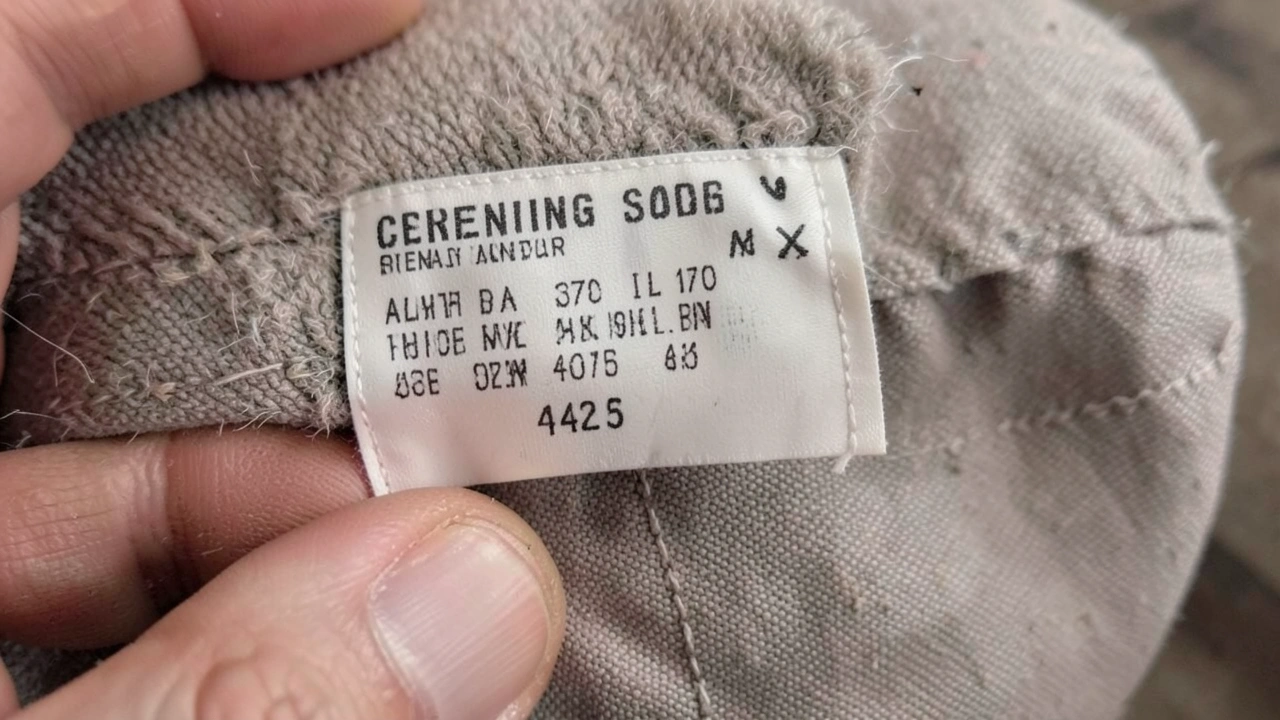
Before you learn how to clean a couch, find the tag. Almost every couch has a cleaning code, usually under a seat cushion or on the frame, and it tells you whether you can use water, a solvent or only a vacuum. Ignoring it is the most common way people leave water rings or ruin the fabric.
Here is how to read the code, how to deep clean each fabric type and how to remove stains and odors without damage.
Quick Answer
To clean a couch, check the cleaning code on the tag. W means water-based cleaners are safe, S means use only solvent-based cleaners, WS means either and X means vacuum or brush only. Start by vacuuming, then spot clean with the appropriate cleaner, sprinkle baking soda to deodorize and let it dry completely. Test any product on a hidden spot first.
Key Takeaways
- Look for the cleaning code on the tag before using any liquid.
- W = water, S = solvent, WS = either, X = vacuum only.
- Vacuum first to remove crumbs and dust.
- Blot stains rather than rubbing, and test cleaners in a hidden spot.
- Dry fully to prevent mildew and water rings.
Couch Cleaning Codes
| Code | Meaning | What to use |
|---|---|---|
| W | Water-based cleaners | Mild dish soap and water, upholstery shampoo |
| S | Solvent-based cleaners only | Dry-cleaning solvent, no water |
| WS | Water or solvent | Either type, test first |
| X | Vacuum or brush only | No liquids at all |
| O (some brands) | Organic fabrics, cold water only | Mild soap, cold water |
If you cannot find a tag, test a hidden area with a small amount of water. If it leaves a ring or color change, use only dry methods or call a professional.
General Cleaning Steps
- Remove cushions and vacuum. Use the upholstery attachment on the surfaces, seams and underneath the cushions.
- Brush the fabric. A soft brush lifts dirt and fluffs the nap.
- Spot clean stains. Use the right cleaner for your code and blot, working from the outside in.
- Clean the whole surface. Use a lightly damp microfiber cloth, working in sections. Do not soak.
- Deodorize. Sprinkle baking soda, wait 30 minutes to a few hours and vacuum.
- Dry. Use a fan or open windows. Fluff the cushions when dry.
Cleaning by Fabric
- Microfiber. Usually S or WS, and prone to water rings. See how to clean a microfiber couch.
- Leather. Needs a damp cloth and conditioner. See how to clean a leather couch.
- Cotton and linen blends. Often W, but may shrink or stain easily.
- Velvet. Usually S or WS, so brush gently and avoid soaking.
- Suede. Needs a special brush and minimal moisture.
Stains and Odors
For fresh spills, blot immediately with a clean cloth. For grease, sprinkle baking soda or cornstarch, wait 15 minutes and vacuum. For pet accidents, see how to get pee smell out of a couch. If pet hair is the problem, read how to remove pet hair from a couch.
How Often to Clean
- Vacuum weekly.
- Spot clean spills immediately.
- Deep clean every six to twelve months.
- Wash removable covers according to the label.
Frequently Asked Questions
What is the best way to clean a couch?
Check the cleaning code, vacuum, spot clean and deodorize.
What does the S code on a couch mean?
Use solvent-based cleaners only, with no water.
Can I use a steam cleaner on my couch?
Only if the code allows water, so check W or WS.
How do I get rid of couch odors?
Baking soda, left for a few hours and vacuumed away.
How do I prevent water rings?
Use as little liquid as possible and dry the whole panel evenly.
How often should I clean my couch?
Vacuum weekly and deep clean every six to twelve months.
Conclusion
To clean a couch safely, check the cleaning code, vacuum thoroughly, use the right cleaner and dry completely. A little regular care means less need for deep cleaning, and your sofa will look better for longer.
Keep Reading
- Standard Coffee Table Dimensions and Height Guide: Living room planning