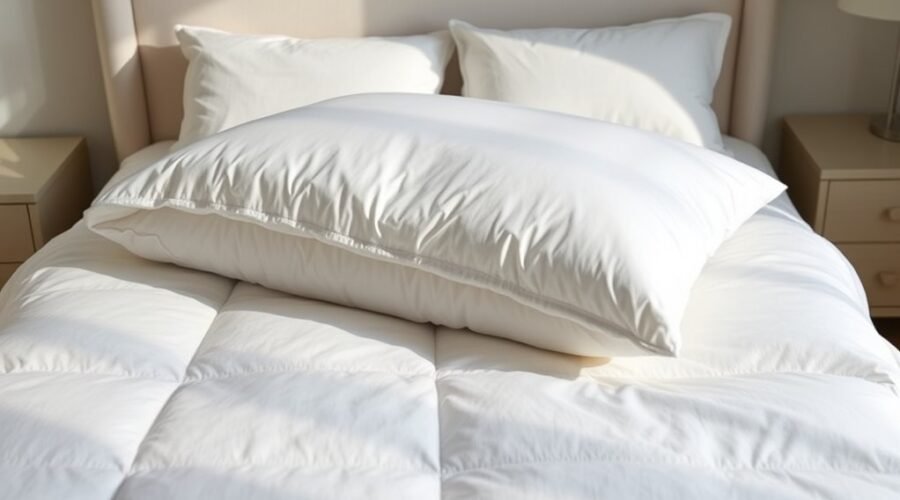
If you’ve ever wondered what a duvet actually is, think of it as a soft, filled bedding insert designed to provide warmth. It normally goes inside a removable duvet cover, which protects the insert, makes routine washing easier, and lets you change the look of your bed without replacing the filled layer. Choosing the right fill, warmth level, size, and cover fit makes the whole system work better.
Quick Answer
A duvet is a soft, insulated bed covering filled with down, feathers, wool, synthetic fibers, or another insulating material. Unlike a typical comforter, a duvet is designed to go inside a removable cover. The cover protects the insert, simplifies regular cleaning, and can be changed when you want a different look.
Key Takeaways
- A duvet is an insulated insert filled with materials such as down, feathers, wool, cotton, silk, or synthetic fibers.
- It is normally paired with a removable duvet cover that protects the insert and is easier to wash regularly.
- Choose an insert by checking its actual dimensions, fill, warmth rating, construction, and care instructions.
- A duvet and comforter can look similar, but a comforter is generally designed as a finished, all-in-one bed covering.
- A top sheet is optional with a duvet; some sleepers use one, while others wash the duvet cover like a sheet.
- Regular fluffing, secure corner attachments, correct sizing, and proper washing and drying help prevent shifting and clumping.
What Is a Duvet?

A duvet is a soft, insulated bedding layer that rests over you while you sleep. Traditional duvets were filled with down, but modern inserts may use feathers, wool, cotton, silk, polyester, microfiber, or other synthetic fills.
The filled insert usually sits inside a removable duvet cover. The cover acts much like a pillowcase: it protects the insert from body oils, dirt, and spills while giving you a washable outer surface. It also lets you change colors, patterns, and fabrics without buying another insert.
This insert-and-cover construction is the most useful distinction between a duvet and a typical comforter. As Sleep Foundation explains, a comforter is generally made as a finished bed covering that does not require a separate cover, while a duvet insert is normally intended to be covered.
Note: Bedding terminology is not perfectly standardized. In the United States, some sellers use “comforter” and “duvet insert” for very similar filled products. Check how the item is designed to be used rather than relying only on the name.
Duvets can also be used with or without a top sheet. If the duvet cover is the layer directly touching your body, it should be washed regularly just as other frequently used bed linens are.
The practical advantage of a duvet is its two-part design: the insert provides insulation, while the removable cover handles most everyday wear, washing, and style changes.
How to Use a Duvet
Using a duvet is straightforward once the insert and cover fit each other properly. Choose the warmth and fill you want, match the actual dimensions of the insert and cover, secure the corners if attachment points are available, and spread the fill evenly before sleeping under it.
At a Glance
| Time Required | About 5–10 minutes for normal setup |
| Difficulty | Easy |
| Tools Needed | None; corner ties or duvet clips are optional |
| Cost | No extra cost beyond the insert and cover; optional clips are inexpensive |
- Choose the insert. Select the fill, warmth, construction, and care requirements that suit your room and sleeping preferences.
- Check the dimensions. Compare the actual length and width of the insert with the cover rather than assuming every queen, king, or twin product uses identical measurements.
- Put the insert inside the cover. Align all four corners and secure any internal ties, snaps, loops, or clips.
- Close and distribute. Fasten the cover, shake the duvet gently, and smooth the fill so it is evenly distributed.
Choose the Right Insert
Choosing the right duvet insert starts with the temperature of your bedroom and how warm you naturally sleep. Down is valued for high loft with relatively little weight, while synthetic fills can provide easy-care alternatives. Wool, cotton, and silk are also available and have different weights, textures, and care requirements.
If you are shopping in a market that uses tog ratings, remember that tog describes thermal insulation rather than the physical weight of the duvet. A higher tog generally means more insulation. The John Lewis duvet guide, for example, groups 2.5 and 4.5 tog as common summer choices, 9 and 10.5 tog as transitional choices, and 13.5 and 15 tog as winter choices.
Those numbers are useful examples, not rules. Room temperature, pajamas, mattress materials, other bedding layers, and your own sleep temperature can all change what feels comfortable.
For sizing, do more than match labels such as twin, full, queen, or king. Compare the listed dimensions of the cover and insert because measurements can differ between manufacturers.
Construction matters as well. Baffle boxes or stitched-through compartments can limit how far the fill migrates inside the shell. Finally, read the care instructions before buying so you know whether the insert can be machine washed, needs a large-capacity washer, or requires another cleaning method.
Add a Duvet Cover
Once you have the insert, add a duvet cover to protect it and make routine cleaning easier. Start by checking that the cover and insert dimensions are compatible.
If the cover has interior corner ties and the insert has loops, connect them before closing the cover. These attachment points help stop the insert from sliding into one end during the night.
You can use buttons, snaps, or a zipper to close the outer opening. None is inherently necessary for warmth; the purpose is to keep the insert enclosed and reduce shifting.
- Choose a fabric that feels comfortable against your skin if you sleep without a top sheet.
- Check the care label before choosing a cover if easy machine washing is important to you.
- Compare the exact cover and insert dimensions for a smoother fit.
- Use corner ties or loops when available to reduce bunching.
If the duvet cover directly contacts your body every night, washing it about every one to two weeks is a reasonable general baseline. Wash sooner after spills, illness, heavy sweating, or other soiling, and always follow the fabric’s care label.
Put On a Duvet Cover More Easily
One simple method is to turn the cover inside out, place your hands inside it to grab the two top corners, then grab the matching corners of the insert through the fabric. Lift and shake the cover down over the insert before fastening the bottom.
Another option is the roll method: lay the inside-out cover flat, place the duvet on top, roll both together from the closed end, turn the cover around the rolled bundle at the opening, and then unroll it.
Pro Tip: Secure the top corner ties before shaking the cover over the insert. Keeping those two corners fixed makes it much easier to stop the insert from twisting or collecting at the foot of the bed.
Arrange for Even Warmth
After inserting the duvet, spread it across the bed and gently shake it from the top corners. This redistributes the fill and helps restore loft after storage or washing.
A quick fluff during bed-making can also move filling back into areas that have flattened overnight. If one section repeatedly becomes empty, check whether the insert is too small for its cover or whether its internal construction allows too much fill movement.
If you need more warmth, add another breathable layer rather than automatically replacing the entire duvet. If you are consistently too warm, switch to a lower-insulation insert, lighter cover fabric, or fewer layers.
If you prefer down and animal-welfare sourcing matters to you, look for verifiable certifications rather than relying on vague “ethical” wording. The Responsible Down Standard is a voluntary certification program with animal-welfare and chain-of-custody requirements, including prohibitions on live plucking and force-feeding.
What Is a Duvet Cover?
A duvet cover is a removable fabric shell that goes around a duvet insert. Its main jobs are to protect the insert from everyday dirt and wear, provide a washable surface, and let you change the appearance of the bed.
Think of it as the bedding equivalent of a pillowcase. Common fabrics include cotton, linen, flannel, percale, sateen, and synthetic blends. The best choice depends on how warm you sleep, how the fabric feels to you, and how much maintenance you want.
- Easier routine cleaning: Remove and wash the cover without washing the bulky insert every time.
- Flexible bed-making: Use the duvet with or without a top sheet according to your preference.
- Changeable style: Swap the cover instead of replacing the entire insulated layer.
- Extra protection: The cover takes much of the everyday contact from sweat, oils, dust, pets, and accidental spills.
Most covers close with buttons, snaps, or zippers. Many also have internal ties designed to connect to loops on the insert.
Duvet vs. Comforter: What’s the Difference?
A duvet and a comforter are both insulated bed coverings, and both can contain down, synthetic fibers, wool, cotton, or other fills. The clearest practical difference is usually the cover system: a duvet insert is designed to be placed inside a removable cover, while a comforter is normally designed to be used as a finished outer layer.
| Feature | Duvet | Comforter |
|---|---|---|
| Construction | Filled insert plus removable cover | Filled, finished outer layer |
| Routine cleaning | Cover is removed and washed separately | Usually requires cleaning the whole comforter unless a separate cover is added |
| Style changes | Change the cover | Usually change the comforter or add a separate cover |
| Top sheet | Optional | Commonly used but still optional |
| Warmth | Varies widely by fill and insulation level | Also varies widely by fill and construction |
Duvet Basics
A duvet insert contains insulating fill inside a fabric shell. The removable cover supplies most of the color, texture, and everyday protection.
This arrangement lets you replace or wash the outer layer without replacing the insert. It can also reduce how often the bulky inner duvet needs to be washed, provided the cover is cleaned regularly.
A duvet does not have to be warmer than every comforter. Warmth depends on the amount and type of fill, construction, cover, other bedding layers, room temperature, and the sleeper.
Comforter Differences
A comforter combines its decorative outer shell and insulating fill into one finished piece. It is intended to work without a separate duvet cover, although you can put a compatible comforter inside one if you want added protection or a different look.
Comforters can use many of the same fillings as duvet inserts. Some are lightweight enough for warm rooms, while others are built for much colder conditions, so the name alone does not tell you how warm the product will be.
Cleaning can be less convenient when a comforter is too bulky for a home washing machine, which is one reason some sleepers use a top sheet or removable cover with it.
Choosing the Right Bedding
Choosing between a duvet and a comforter is mostly about how you want to manage cleaning, style, and bed-making.
- Choose a duvet if you like removable covers, want to change the bed’s appearance without replacing the insert, or prefer washing a smaller outer layer regularly.
- Choose a comforter if you prefer an all-in-one bed covering and do not want to attach or remove a separate cover.
- For either one, compare warmth, dimensions, fill, care requirements, and construction rather than choosing by the product name alone.
Cost and longevity vary widely. A duvet system may cost more if the cover and insert are purchased separately, but replacing only the cover can be convenient when your style changes or the outer fabric becomes worn.
How to Choose Duvet Fill
To choose the right duvet fill, start with how warm you sleep, your room temperature, preferred weight, care routine, budget, and material preferences.
| Fill | Typical Characteristics | Good to Know |
|---|---|---|
| Down | High loft and strong insulation for relatively low weight | Check care instructions and sourcing certification if those factors matter to you |
| Down alternative / synthetic | Available in many warmth levels and often designed for straightforward care | A useful option if you prefer to avoid animal-derived fill; do not assume every product is medically “hypoallergenic” |
| Wool | Distinctive weight and natural-fiber feel | Care requirements vary, so check whether the specific product is washable |
| Cotton or silk | Often used in lighter or specialty inserts | Warmth and washing requirements depend heavily on construction |
If allergies are a concern, do not rely on the fill name alone. Washable bedding, appropriate protective covers, cleaning frequency, and bedroom conditions can matter more than whether a product is simply labeled synthetic or natural.
Duvet Tog vs. Fill Power
Tog and fill power are not the same measurement. Tog describes the thermal insulation of bedding. A higher tog generally means more insulation, but it does not tell you how physically heavy the duvet will feel.
As a general example, common UK retail ranges include:
- 2.5–4.5 tog: lighter summer options
- 9–10.5 tog: common spring, autumn, or moderate-weather options
- 13.5–15 tog: warmer winter options
Not every market uses tog ratings, and no rating automatically guarantees comfort for a particular season. A cool bedroom and a sleeper who gets cold easily may call for more insulation than a warm bedroom and a hot sleeper.
Fill power, by contrast, is most commonly used with down. It describes how much loft a given amount of down develops. Higher-loft down can provide substantial insulation without requiring as much fill weight, but the warmth of a finished duvet also depends on how much down is used and how the duvet is constructed.
How to Care for a Duvet
A duvet generally stays fresher and lasts longer when it is protected with a removable cover. The cover handles much of the direct contact from body oils, sweat, dust, and minor spills, which reduces the need to wash the insert as often.
- Wash the cover regularly. If it directly contacts you at night, roughly every one to two weeks is a useful general baseline, subject to the care label and your circumstances.
- Follow the insert’s care label. Down, feather, wool, cotton, silk, and synthetic fillings can require different washing and drying methods.
- Use enough washer capacity. Do not force a bulky insert into a machine where it cannot move and rinse properly.
- Dry the insert completely. Residual moisture deep inside a thick duvet can lead to unpleasant odors and damage.
- Fluff it regularly. Shaking and redistributing the filling helps restore loft and even out cold spots.
- Store it loosely. Place a clean, fully dry duvet in a breathable storage bag rather than compressing it tightly for long periods.
Warning: Do not assume every duvet can be washed in hot water, machine dried, or dry cleaned. Always follow the sewn-in care label for the specific fill and shell. Improper heat, detergent, agitation, or drying can damage the filling or fabric.
If you are specifically managing a dust-mite allergy, laundering advice can be different from ordinary housekeeping. Mayo Clinic recommends washing washable bedding weekly in water at least 130°F (54.4°C) when controlling dust mites. Only apply that temperature when the bedding’s care instructions allow it; otherwise use an appropriate washable barrier or follow medical/allergy guidance for the specific fabric.
Manufacturer instructions also matter for the insert itself. IKEA’s duvet-care guidance, for example, notes that care depends on the material and recommends regular shaking to redistribute filling.
Why a Duvet Fits More Bedrooms
Duvets work in many bedroom styles because the visible cover and the insulating insert are separate. You can change duvet covers when your decor changes while keeping the same insert underneath.
The system also lets you choose an insulation level suited to your climate and sleep habits. Some people keep separate warm- and cool-season inserts, while others use one moderate duvet and adjust the layers above or below it.
You can also decide whether to use a top sheet. Sleeping directly under a washable duvet cover creates a simpler bed, while adding a top sheet gives you another washable barrier between your body and the cover.
Different fillings, cover fabrics, weights, and warmth levels make the system adaptable to guest rooms, shared bedrooms, cool climates, warm climates, and different personal preferences.
Common Duvet Problems and How to Fix Them
The Duvet Bunches Inside the Cover
Check whether the insert is substantially smaller than the cover. Reattach corner ties or loops if available, then shake the duvet from the top corners to spread the insert. Duvet clips can help when the products do not have built-in attachment points.
The Insert Slides to One Side
Make sure the cover and insert are oriented correctly and that all available corner attachments are secured. A very slick cover fabric or a large size mismatch can make movement worse.
The Duvet Has Cold Spots
Fluff and redistribute the filling first. Persistent empty areas can mean the fill has shifted between compartments, clumped after washing, or lost loft over time.
The Duvet Feels Too Hot
Remove unnecessary layers, try a lighter cover fabric, or choose an insert with less insulation. Do not rely only on the duvet’s physical thickness; compare its stated warmth level or tog rating where available.
The Cover Does Not Fit Properly
Compare the actual length and width printed by each manufacturer. Products carrying the same nominal bed size can still have different dimensions.
Frequently Asked Questions
What Is the Point of a Duvet?
A duvet gives you an insulated bed covering with a removable outer cover. The insert supplies warmth, while the cover provides a washable surface and lets you change the bed’s appearance without buying a new filled layer.
Why Does Gen Z Not Use Top Sheets?
There is no good basis for saying an entire generation avoids top sheets. Skipping the top sheet has become a widely discussed bedding preference, especially with washable duvet covers, because it reduces layers and can make bed-making simpler. Other sleepers prefer a top sheet because it creates another washable barrier. Either setup can work.
What Do Americans Call a Duvet?
American bedding terminology varies. “Duvet,” “duvet insert,” and “comforter” can overlap in casual speech and retail listings, but they are often distinguished by use: a duvet insert normally goes inside a removable cover, while a comforter is usually designed as a finished bed covering. Check the product description and dimensions instead of relying only on the label.
Can I Put My Regular Comforter in a Duvet Cover?
Yes, often you can. A comforter can work inside a duvet cover when the dimensions are compatible. Corner loops on the comforter make securing it easier, but duvet clips can also help. If the comforter is much smaller than the cover or has a very slick shell, it may shift or bunch more easily.
Do You Need a Top Sheet With a Duvet?
No. A top sheet is optional. Many people sleep directly under a regularly washed duvet cover, while others prefer a top sheet because it provides another barrier between their body and the duvet cover. Choose whichever setup is more comfortable and practical for your laundry routine.
How Often Should You Wash a Duvet?
The cover needs washing much more often than the insert. A cover used directly against the body can generally be washed about every one to two weeks. The insert may need cleaning only occasionally when protected by a regularly washed cover, but the correct frequency and method depend on its material, use, spills, allergies, and manufacturer care instructions.
Conclusion
A duvet gives you insulated warmth in a flexible two-part bedding system. The filled insert provides insulation, while the removable cover handles most routine washing and lets you change your bed’s appearance. For the best results, compare actual dimensions, choose a fill and warmth level suited to your room, secure the insert properly, fluff it when needed, and follow its care label. A comforter can offer an equally comfortable alternative, but a duvet is especially useful when you value a washable, replaceable outer cover.
Sources
- Sleep Foundation — Duvet vs. Comforter — differences in construction, covers, cleaning, and common bedding use.
- Sleep Foundation — What Is a Duvet Cover? — duvet-cover function, washing guidance, and use with comforters.
- John Lewis & Partners — Duvet & Pillow Buying Guide — tog meaning and common seasonal tog ranges.
- IKEA — How to Choose a Duvet — sizing, duvet selection, washing, and routine fluffing.
- Mayo Clinic — Dust Mite Allergy: Diagnosis & Treatment — weekly bedding-washing guidance for dust-mite control.
- Textile Exchange — Responsible Down Standard — certification, animal-welfare requirements, and down supply-chain standards.