Ever wonder why one mattress can feel like it knows where you need support? A zoned support mattress uses different firmness levels across its surface, with softer areas for shoulders and hips and firmer zones for the lumbar region. That design can improve alignment and ease pressure, but the right zone pattern depends on how you sleep. The details behind those zones can make all the difference.
Key Takeaways
- A zoned support mattress uses different firmness levels across its surface to support specific body areas.
- Softer zones usually cushion shoulders and hips, while firmer zones support the lumbar area and lower back.
- These zones help keep the spine aligned and reduce pressure points during sleep.
- Zoned mattresses can be made from foam, latex, memory foam, or pocket springs, depending on the design.
- Their effectiveness depends on body shape, sleep position, and comfort preference, not zone count alone.
What Is a Zoned Support Mattress?
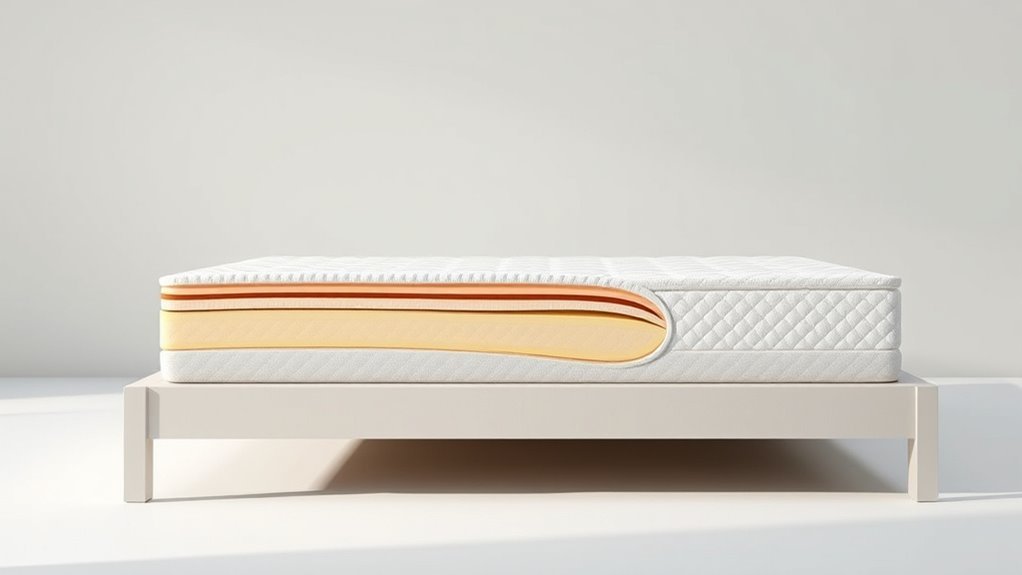
A zoned support mattress uses different firmness levels across its surface to give targeted support where your body needs it most. You get comfort zones that cushion pressure points while keeping other areas firmer for spinal alignment.
This design helps your shoulders and hips sink in enough to stay comfortable, while your midsection stays supported. By balancing softness and support, a zoned support mattress can improve sleep quality and reduce tossing and turning.
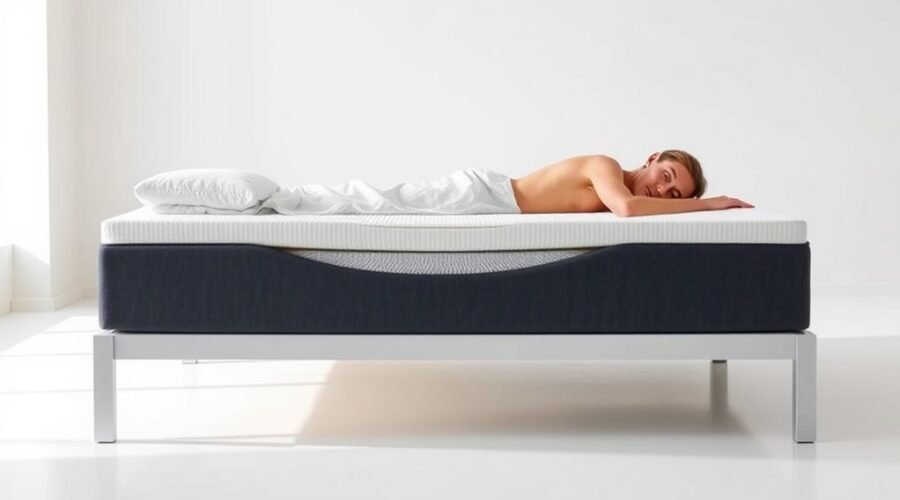
Shoulders and hips sink in comfortably while your midsection stays supported, helping you sleep more soundly and move less at night.
You’ll often see 5 to 7 zones, each tuned for specific body needs and sleep positions. Side sleepers usually benefit most because they need extra give at the shoulders and hips, but back and stomach sleepers can also feel steadier support.
If you want a mattress that respects your body’s shape instead of forcing it into one flat feel, zoned support offers a practical path to more restful sleep.
How Mattress Zones Work
Those comfort zones work by changing firmness across the mattress so different parts of your body get the support they need. In a zoned support mattress, you feel softer areas under your shoulders and hips, while firmer different zones support your lumbar region.
That balance helps you keep spinal alignment as you move through your sleep position.
Manufacturers build these mattresses with comfort layers, memory foam, or pocket springs that react independently. This lets the mattress adapt locally instead of moving as one flat surface.
You get targeted support where your body presses most, without losing overall stability.
The exact feel depends on the design, your body type, and how you sleep. A zoned mattress can feel ideal for one person and off for another, so personal testing matters.
When you choose the right firmness pattern, zoned support can help you rest more naturally and freely.
Why Zoned Support Relieves Pressure
Zoned support relieves pressure by giving different parts of your body the firmness they need, where they need it. With zoned support, softer zones let your shoulders and hips sink in more, so pressure relief reaches pressure points instead of building up.
Zoned support eases pressure by letting shoulders and hips sink in while firming other areas where needed.
Firmer zones hold your lower back and midsection steady, helping spinal alignment stay intact and stopping sagging.
- Softer zones ease strain at sensitive pressure points.
- Firm zones keep your center supported and aligned.
- Balanced weight distribution can reduce tossing and turning.
This design matches your body type and sleep style without forcing one rigid comfort feel. You get support where you need it and give where you don’t, so your mattress works with your body, not against it.
That can lower soreness, improve rest, and help you wake up feeling freer and more restored.
Which Sleep Positions Benefit Most
Who benefits most from zoned support mattresses? You do, especially if your sleeping positions vary or your body needs targeted support.
Side sleepers usually feel the biggest difference because softer shoulder and hip zones ease pressure points, reduce soreness, and improve comfort.
Back sleepers also benefit because firmer support in the lumbar area helps maintain spinal alignment and limits sagging.
If you sleep on your stomach, a zoned mattress can still help by providing steadier support across the surface, which may reduce lower-back strain.
Couples with different needs often gain the most overall, since zoned mattresses can balance comfort and support without forcing either person to settle.
These designs adapt to different body types and sleeping positions by offering targeted pressure relief where you need it most, so you can rest with less strain and more freedom.
How to Choose the Right Zoned Mattress
To choose the right zoned mattress, start with your primary sleep position, since side, back, and stomach sleepers need different levels of support for comfort and spinal alignment.
Choose zoned support that matches your body shape and target pressure points at shoulders, hips, and lower back. If you’re a side sleeper, look for softer zones up top; back sleepers often need stronger lumbar firmness; stomach sleepers usually need steadier support to limit back pain.
- Check how mattress supports change across the surface.
- Compare foam, innerspring, hybrid, and latex options; breathable materials can improve feel.
- If you’re a combination sleeper, test whether the zones adapt as you shift.
Assess edge and motion support if you share the bed, then lie down in person when possible.
You want comfort without compromise, plus a mattress that feels responsive, stable, and aligned through the night.
Zoned Support vs Standard Mattresses
When you compare zoned support and standard mattresses, you’ll notice that zoned designs spread support differently across your shoulders, hips, and lower back.
This targeted structure can relieve pressure more effectively and help keep your spine aligned, especially if you sleep on your side.
The right fit depends on your body type and sleep position, so you’ll want to match the mattress to your needs.
Support Distribution Differences
Zoned support mattresses distribute firmness across different areas of the bed, so your head, shoulders, lower back, hips, and legs each get targeted support instead of the even feel of a standard mattress.
You feel zones working with your body, not against it, which can improve spinal alignment and comfort without forcing one fixed level of support on every inch.
- Softer zones ease shoulders and hips.
- Firmer zones stabilize your lower back.
- Tailored zones match sleep positions better.
A standard mattress gives you uniform support, but it can miss the shape of your body and leave you more likely to feel strain.
Zoned support helps you sleep with more freedom, because the mattress adapts to you, not the other way around.
Pressure Relief Benefits
If you sleep on your side or carry tension in your shoulders and hips, a zoned support mattress can ease pressure where a standard mattress often can’t.
Its zoned design gives softer support at sensitive points, so your body sinks in less at the shoulders and hips while firmer sections hold your lower back. That balance improves spinal alignment and reduces sagging that can trigger pain.
Standard mattresses use one firmness across the surface, so they often miss your pressure sensitivity and leave you sore by morning.
With better pressure relief, you can move less at night and get steadier comfort. Research shows these mattresses can improve sleep quality by lowering strain, giving you support that helps your body rest and recover freely.
Choosing The Right Fit
Choosing the right mattress depends on how you sleep and where your body needs support. Zoned support mattresses use different firmness levels across the surface, so you get targeted comfort and better pressure relief. Standard mattresses keep one consistent feel, which may not match every body type or position.
- Side sleepers often need softer zones for shoulders and hips.
- Back and stomach sleepers usually need firmer support for spinal alignment.
Your choice depends on personal comfort, pressure points, and sleep style.
If you want a mattress that adapts to different sleepers, zoned construction can help you move toward freedom from aches and poor alignment. If you prefer a simple, even feel, a standard mattress may suit you.
Pick the option that matches your body, not old rules.
Common Zoned Mattress Myths
Many people assume zoned mattresses fit every body type, but most are built for a fairly narrow range of heights and weights, which can leave you uncomfortable if you fall outside that range. That’s one of the common myths around zoned support.
Zoned mattresses often fit only a narrow range of bodies, leaving many sleepers outside the comfort zone.
More zones don’t automatically mean better comfort or better spinal health, and research doesn’t support many marketing claims. You should judge how the mattress should feel on your body, not the number of zones.
Some models use high-quality materials, but many rely on cheap foam or Bonnell springs, which can reduce pressure poorly and wear out faster. Glued pocket springs can also limit independent movement, so the design may not work as advertised.
In some cases, a simpler firmness profile gives you better alignment and more freedom than complex zoning. Choose what actually supports your body, not what the label promises.
Frequently Asked Questions
Are Zoned Mattresses Good for Side Sleepers?
Yes, zoned mattresses can be great for you as a side sleeper because zoned support boosts pressure relief at your shoulders and hips while protecting spinal alignment.
You’ll often feel better body contouring and higher comfort levels, especially with mattress materials that balance softness and support.
Check durability factors too, since a well-built design can keep improving your sleep quality and reduce tossing, turning, and morning aches.
What Are the Differences Between a 5-Zone and a 7-Zone Mattress?
A 5-zone mattress gives you balanced support across head, shoulders, lumbar, hips, and legs, while a 7-zone model adds more targeted support, including upper back and knees.
You’ll get different comfort levels, better pressure relief, and tighter spinal alignment with the 7-zone design.
Material types, firmness options, durability factors, sleep positions, temperature regulation, and budget considerations all shape which one fits you best.
What Does 9 Zone Mattress Mean?
A 9 zone mattress means you get nine firmness areas that work together for zoned support.
You’ll feel more mattress benefits through targeted pressure relief, better spinal alignment, and improved sleep quality.
It can offer customizable comfort across shoulders, hips, and lumbar areas, though material differences affect how each zone feels.
Is a 5-Zone Mattress Good?
Yes—a 5-zone mattress can be a steady compass for your nights.
You get zoned support that improves body alignment, eases pressure relief, and suits your sleep posture. If you’re a side sleeper, its softer shoulder zones and firmer lumbar zone can help.
Choose material types and firmness levels for better temperature regulation, motion isolation, and mattress durability.
It’s a practical, affordable choice without excess complexity.
Conclusion
A zoned support mattress can give you a more balanced sleep by matching firmness to different parts of your body. Softer zones help your shoulders and hips sink in, while firmer zones keep your lumbar area supported and your spine aligned. If you sleep on your side or back, you may feel the biggest benefit. Choose the zones that fit your body and sleep style, and you’ll rest more like you’re floating on a tuned surface than sinking into a flat one.