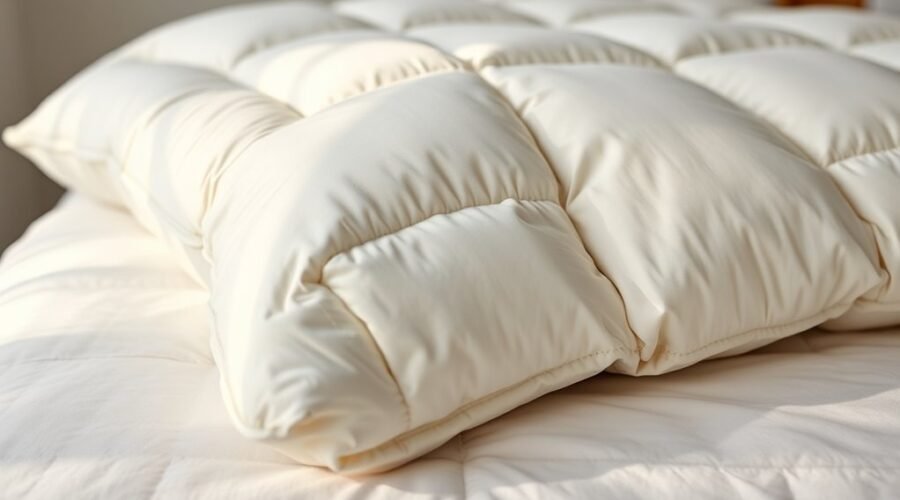
A comforter is a thick, insulated bed covering that keeps you warm by trapping air in a filled shell. You’ll usually find an outer fabric casing, a layer of down or synthetic fill, and stitching that holds everything in place. That stitching matters more than you might expect, because it shapes how evenly the fill stays distributed and how much warmth you actually feel. Some designs do this far better than others.
Key Takeaways
- A comforter is a thick, insulated bed covering made for warmth and comfort.
- It usually has an outer shell of cotton or polyester and a fill of down, wool, or synthetic material.
- Comforters are stitched to keep fill evenly spread and to control loft, warmth, and durability.
- Common stitch styles include baffle-box, sewn-through, channel, and gusseted construction.
- Baffle-box and gusseted comforters usually trap more heat, while sewn-through designs are simpler and often cooler.
What Is a Comforter?
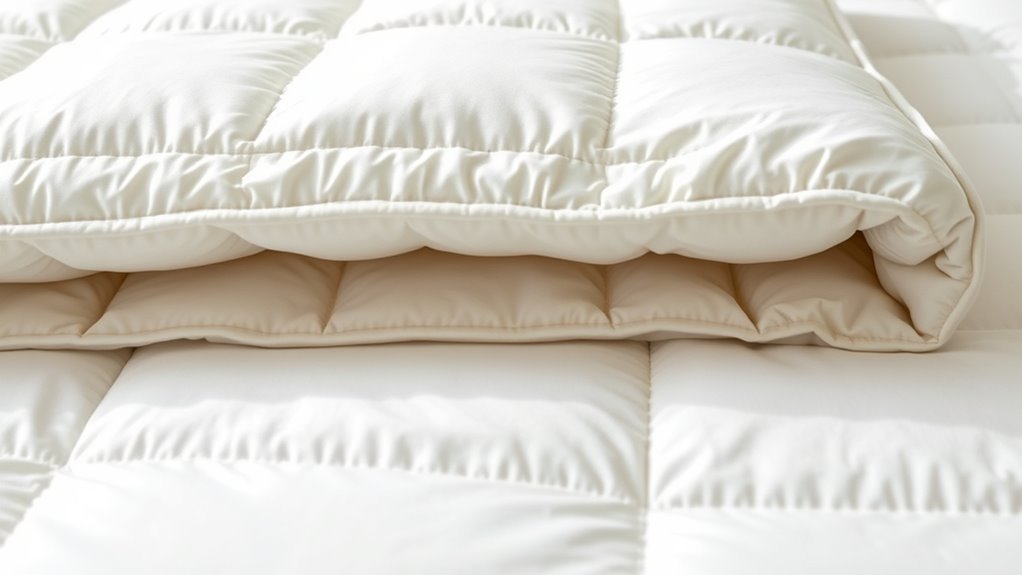
A comforter is a thick, insulated bed covering filled with materials like down, down alternative, polyester, or wool to keep you warm and comfortable while sleeping. You use it as your main bedding layer, either on its own or with sheets and blankets for extra warmth and visual impact.
Its outer shell usually uses cotton or polyester, giving you a choice between softer feel and added durability. Comforter construction matters because it shapes warmth, loft, and how long the piece lasts. Baffle-box and sewn-through methods each influence how the fill stays distributed and how much heat you retain.
When you choose one, check fill power, since higher numbers generally mean stronger insulation for colder spaces and different comfort needs. This lets you match your bedding to your climate, your body, and your preference for restful, self-directed sleep.
Comforter Anatomy: Shell, Fill, and Stitching
At its core, a comforter is a layered system: the outer shell, usually premium cotton or polyester, holds the insulating fill, whether that’s down, down alternative, or synthetic fibers.
A comforter is a layered system, with a durable shell holding the insulating fill inside.
You can think of the shell as the comforter’s structure and the fill as its body, working together to create a useful, durable layer for your bed.
Comforter stitching matters just as much. Baffle-box construction uses internal fabric strips to form 3D chambers, letting the fill expand fully and stay evenly distributed.
Sewn-through construction joins the top and bottom layers directly, which keeps fill from shifting but can create stitch lines where material compresses.
When you choose quality materials and smart comforter stitching, you get a piece that keeps its shape, stays functional, and serves you well over time.
That practical balance helps you make a confident, independent choice for your sleep setup.
How Comforter Construction Affects Warmth
How a comforter is built has a direct effect on how warm it feels. You get more insulation when the fill can loft fully and stay evenly spread.
Baffle Box construction does this well because its interior walls let the fill expand instead of getting flattened by seams. That extra loft traps more air, so you stay warmer, especially if you sleep cold.
Sewn-through construction costs less, but the stitched lines create thin spots with less fill, and those gaps can let heat escape. If you want fewer cold spots, look for gusseted edges, which help the fill rise along the sides and improve heat retention.
High-quality stitching matters too, because it keeps the fill from shifting and protects balanced warmth across the whole comforter.
When you choose construction carefully, you claim better control over your sleep climate and don’t have to settle for drafts.
Baffle-Box Comforters
Baffle-box comforters use thin fabric strips to form 3D chambers, so you get maximum loft and fluffiness.
This design keeps the fill evenly distributed, which helps prevent cold spots and improves warmth.
It’s a practical choice if you want reliable insulation and a comforter that stays plush over time.
Baffle-Box Loft
When you want maximum warmth and a plush, full look, baffle-box comforters stand out because internal fabric strips create three-dimensional chambers that let the fill expand evenly.
With this baffle-box construction, you get greater loft, which makes the comforter feel softer, look fuller, and insulate better through cold nights.
The chambers help keep fill in place, so the bedding won’t flatten easily or develop weak spots that strain seams. If you’re a cold sleeper, this design gives you dependable comfort without extra bulk.
You also gain a luxurious, elevated look that supports a bedroom built for ease and self-direction.
Choose baffle-box loft when you want practical warmth, lasting structure, and a freer, more indulgent sleep experience.
Warmth Distribution
Because the internal fabric strips form three-dimensional chambers, baffle-box comforters let the fill loft fully and spread heat evenly across the surface. You get consistent insulation, so cold spots don’t steal your rest.
The Baffle-box design keeps the fill from shifting, which helps every section hold warmth with equal strength. Because the chambers support maximum loft, you feel more fluffiness and better thermal efficiency in colder rooms.
You also benefit from less seam stress, so the comforter stays durable through regular use. If you’re a cold sleeper, this structure gives you the reliable, liberating comfort you need without extra bulk.
It works hard, breathes well, and keeps your body wrapped in steady warmth all night.
Sewn-Through Comforters
Sewn-through comforters have their top and bottom layers stitched directly together, creating sealed pockets that hold the fill in place and keep it from shifting during use.
You’ll often see this simple Box Stitch approach because it’s easy to make and usually more affordable. That makes it a practical choice when you want reliable bedding without paying extra for complex construction.
The tradeoff is that the stitch lines leave narrow, unfilled seams, which can create cooler spots and slightly uneven warmth. If you sleep hot, or you live in a mild climate, that lighter feel can work in your favor.
Stitch lines can create cooler spots, but that lighter feel may be ideal if you sleep hot.
You get a comforter that stays neat, doesn’t bunch up, and supports a straightforward, no-nonsense bed setup. For many people, that balance of cost, control, and breathability makes sewn-through construction a smart, accessible option.
Channel and Gusseted Comforters
Beyond sewn-through construction, channel and gusseted comforters offer two different ways to manage fill and warmth.
With channel stitching, you get long parallel lanes that hold fill in place, but it can shift and leave you with uneven warmth. That simpler build often costs less, so you may choose it if you want a lighter, budget-friendly layer for warmer nights.
Gusseted comforters use fabric walls around the edge, giving the interior more loft and helping the fill stay spread evenly. When paired with baffle-box construction, gusseted comforters reduce cold spots and create edge-to-edge warmth.
You’ll feel a fuller, more supportive shape that can bring a sense of ease and freedom.
- Flat, stitched lanes
- Raised perimeter walls
- Lofty, cushioned volume
- More even warmth
If you want practical comfort without excess, channel works. If you want a more luxurious, balanced feel, gusseted design gives you a stronger thermal envelope.
Best Comforter Shell and Fill Materials
When you choose a comforter, the shell should balance softness and durability, with premium cotton, organic cotton, or polyester being common options.
You’ll also want to compare fill materials, since down, down feathers, and down alternatives each affect warmth, weight, and insulation differently.
The best combination depends on your sleeping preferences, budget, and whether you want a natural, hypoallergenic, or lightweight feel.
Shell Material Choices
The shell and fill you choose shape a comforter’s feel, warmth, and durability. When you compare comforter shells, you’ll usually see premium cotton, organic cotton, or polyester. A 100% cotton shell feels breathable and helps you stay comfortable through every season. Polyester gives you a cheaper, low-fuss option that resists stains and cleans easily.
- Soft cotton that lets air move
- Organic cotton for a cleaner choice
- Polyester for busy, practical routines
- Crisp stitching that holds the shape
If you want freedom from high upkeep, choose a shell that fits your life, not just your bed.
Comforter shells matter because they set the outer experience, while the inside determines warmth and loft. For responsible buying, look for materials that match your values and daily needs.
Fill Material Options
Once you’ve picked a shell that feels right, the fill determines how warm, light, and plush your comforter will be.
Down gives you the best warmth-to-weight ratio, so you get loft, breathability, and a luxurious feel without heavy bulk.
If you want easy care and allergy-friendly comfort, choose a down alternative, usually polyester fiber, which still feels soft and supportive.
Down feathers sit between the two, adding structure and warmth.
Check fill power on down comforters: higher numbers mean better insulation and more fluff.
Whatever you choose, make sure the fill is evenly distributed so cold spots don’t limit your rest.
Pair the fill with a breathable cotton shell for softness, or polyester for durability and simpler maintenance.
How to Choose a Comforter for Your Sleep Style
Choosing the right comforter starts with how you sleep: if you tend to run cold, baffle-box construction can trap more loft and warmth, while hot sleepers often do better with sewn-through designs that reduce overheating.
When comforters are made, fill, shell, and stitch pattern work together, so you can choose with intent, not guesswork.
Down gives you plush warmth; down alternatives can feel lighter and suit allergies. Check the size so your comforter drapes the way you want across your bed.
- A cloudlike down comforter for winter nights
- A smooth sewn-through cover for breezy relief
- A baffle-box grid that keeps fill from wandering
- A cotton or bamboo-rayon shell that feels cool and strong
If you notice fill shifting, choose baffle-box or skip channel styles.
Match the build to your mattress, and you’ll sleep freer, steadier, and more comfortably every night.
How to Care for a Comforter
Before you wash your comforter, check the care label for fabric-specific instructions, since down and synthetic fills can need different handling. You should inspect it regularly, because the right method protects the fill, stitching, and fabric.
Most comforters can go in a machine on a gentle cycle with cold water and mild detergent. Skip harsh cleaners; they can break down fibers and reduce loft. For stains, dab the area with a damp cloth and mild soap, then dry it completely to stop mildew.
Most comforters can be machine washed gently with cold water and mild detergent to protect their loft.
After washing, tumble dry your comforter on low heat with dryer balls or clean tennis balls to keep the fill fluffy and prevent clumping. When you’re not using it, store the comforter in a breathable cotton bag or a cool, dry space.
Good care helps your comforter stay fresh, resilient, and ready to support your rest.
Frequently Asked Questions
Why Use a Comforter Instead of a Blanket?
You use a comforter instead of a blanket when you want more warmth, less fuss, and better bed coverage. Its thicker fill traps heat, so you stay comfortable in cold weather.
You also get Material Choices like down or down alternatives, plus stitched construction that keeps fill evenly spread and avoids cold spots.
One comforter can cover your bed, simplify your routine, and still give you style freedom.
What Do Americans Call a Comforter?
Americans usually call it a comforter: a thick, filled bed cover that drapes like a soft cloud over your bed.
In Comforter Types, you’ll see pre-filled, often quilted designs that stay in place without a removable cover. You might hear duvet or bedspread too, depending on region, but comforter is the standard U.S. term.
Choose the one that fits your body, your climate, and your freedom.
What Is a Box Stitch Comforter?
A box stitch comforter uses stitching techniques that sew the top and bottom fabric layers directly together, creating sealed pockets that keep fill evenly in place.
You won’t get much shifting, so the warmth stays consistent. It’s usually cheaper to make, which helps you save money.
Because the stitch lines leave unfilled areas, it can feel cooler, so you’ll likely prefer it in milder climates or if you sleep warm.
Is a Comforter Basically a Blanket?
No, you wouldn’t call a comforter basically a blanket. As the saying goes, “you get what you pay for.”
A comforter uses Comforter Materials, an outer shell, and filling, so you get more loft, warmth, and structure than a single-layer blanket. You can use it as your main bed cover, while a blanket stays lighter and more flexible.
Choose what suits your body, climate, and comfort.
Conclusion
Now you know what a comforter is and how it’s stitched together: a shell, a fill, and the seams that shape its warmth. You can spot the snug structure of baffle-box designs, the simpler sewn-through style, and the steady support of channel or gusseted builds. When you choose the right materials and construction, you’ll sleep soundly with softer, smarter, and warmer bedding that suits your style and keeps you comfortably covered.